Source Compatible Printhead for Heidelberg Komori Roland
Find a Compatible Printhead from 30 verified listings. Buyers can compare models like MH240 and S4M, check certifications such as ISO and RoHS, and review delivery times ranging from 1 to 15 working days for industrial printing needs.
Key considerations
Products List


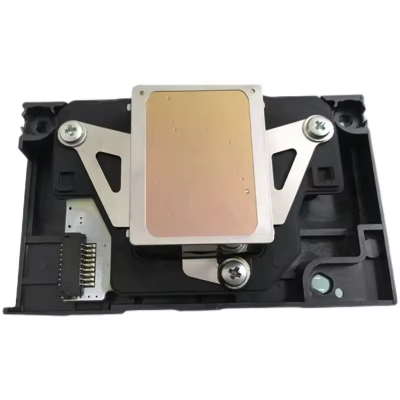
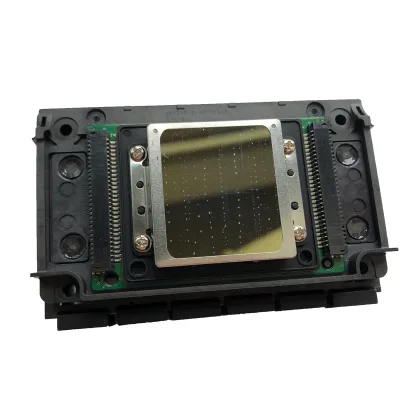
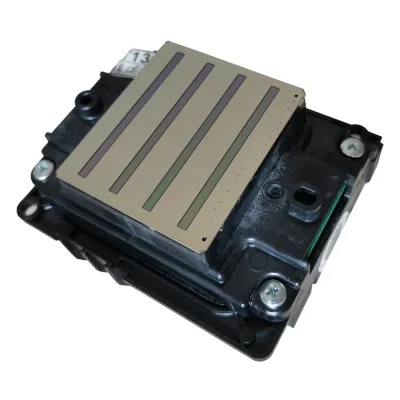


Comprehensive Sourcing Guide
Strategic Sourcing Guide for Compatible Printheads
Understanding Technical Specifications and Model Compatibility
When sourcing a Compatible Printhead, the primary objective is to ensure precise mechanical and electrical alignment with the target printing machinery. The market for these components is highly fragmented, with specific models designed for distinct industrial applications. Buyers must first identify the exact model number of their existing equipment, as compatibility is rarely universal. Available data indicates a range of specific model identifiers, such as the MH240, MH241, and their 203 DPI variants, alongside the KD3004-GM50B and S4m series. The S4m model, for instance, is associated with a 300 DPI resolution, while other entries reference the 170Xi4 300dpi configuration.
The resolution of the printhead is a critical technical parameter that dictates print quality. Specifications observed in the current market include 203 DPI and 300 DPI options. Selecting a printhead with a resolution lower than required by the application can result in blurry barcodes or illegible text, while a higher resolution may not be cost-effective for lower-detail tasks. Furthermore, the physical dimensions of the component are essential for integration. One observed standard dimension is 32mm, which serves as a baseline for physical fitment checks. Buyers should verify that the physical footprint of the compatible unit matches the mounting requirements of their specific printer chassis.
The type of printing technology also influences the selection process. The core keyword "Compatible Printhead" often relates to barcode printing applications, where the precision of the thermal transfer mechanism is paramount. The product attributes indicate that these units are designed for specific industrial environments, including compatibility with major printer brands like Heidelberg, Komori, and Man Roland. However, it is crucial to distinguish between printheads intended for large-scale offset printing and those designed for industrial barcode labeling. The distinction lies in the thermal element density and the driver circuitry, which must match the printer's control board.
Compliance and Certification Verification
In the global supply chain, compliance with international standards is not merely a formality but a prerequisite for operational safety and market access. When evaluating potential suppliers, buyers must demand verifiable documentation regarding certifications. The observed market data highlights several key certifications, including CE, ISO, and ISORoHS. The CE mark indicates conformity with health, safety, and environmental protection standards for products sold within the European Economic Area. The ISO certification, specifically ISO9001, suggests that the manufacturer has a quality management system in place, though buyers should verify the scope of this certification to ensure it covers the specific manufacturing processes of the printhead.
RoHS (Restriction of Hazardous Substances) compliance is another critical factor, particularly for electronic components that may contain lead or other restricted materials. The presence of ISORoHS in the product attributes signals adherence to these environmental regulations. However, buyers should not assume that every listed product automatically satisfies these standards without requesting current test reports. The certification status must be current and applicable to the specific batch of goods being purchased. Additionally, some listings mention "ISOUsage" in conjunction with printer compatibility, which may imply a specific testing protocol or usage standard, though this requires clarification from the supplier to avoid misinterpretation.
Beyond formal certifications, the origin of the product plays a significant role in compliance. The supplied context identifies China as the primary point of origin for these compatible printheads. While this does not preclude high quality, it necessitates a rigorous verification process to ensure that the manufacturing processes meet the buyer's internal compliance requirements. Buyers should request proof of origin and ensure that the supplier can provide traceability for the raw materials used in the production of the thermal elements. This is particularly important for industries with strict environmental or safety mandates, where the provenance of electronic components is scrutinized.
Cost Drivers and Pricing Dynamics
The pricing of compatible printheads is influenced by a complex interplay of factors, including model complexity, resolution, and the level of customization required. The observed price range in the market spans from approximately 6.88 USD to 1769 USD, a variance that reflects the diversity of products available. The lower end of this spectrum likely corresponds to standard, high-volume models like the MH240 or MH241, which are widely used and benefit from economies of scale. In contrast, the higher price points may correspond to specialized models, such as those with 300 DPI resolution or specific part numbers like G41401m, which may require more precise engineering or lower production volumes.
Minimum Order Quantity (MOQ) is another significant cost driver. The data indicates a flexible MOQ range, with some suppliers offering as little as 1 piece, while others may require orders up to 10 pieces. This flexibility allows buyers to manage inventory costs effectively, particularly for smaller operations or those testing new equipment. However, buyers should be aware that unit prices often decrease as order volumes increase. The "Cartoon" or "Carton" packaging mentioned in the attributes suggests that the cost of packaging is factored into the overall price, and bulk orders may benefit from optimized packaging strategies that reduce per-unit shipping costs.
Customization is a notable feature in this market, with "Available" customization options listed. This capability allows buyers to tailor the printhead to specific operational needs, such as adjusting the thermal profile or modifying the connector interface. However, customization inevitably adds to the cost and may extend the lead time. Buyers must weigh the benefits of a customized solution against the potential increase in unit price and the complexity of the supply chain. Additionally, the "Condition" of the product, whether OEM or Original, can impact pricing. While compatible printheads are often designed to offer a cost-effective alternative to original equipment manufacturer (OEM) parts, the price differential should be carefully evaluated against the expected lifespan and performance reliability.
Typical Applications and Operational Context
Compatible printheads are deployed across a wide array of industrial applications, primarily driven by the need for high-speed, high-precision printing. The observed usage data points to compatibility with major industrial printer brands, including Heidelberg, Komori, and Man Roland. These brands are synonymous with high-volume printing in the packaging and labeling sectors. The specific application of a printhead in these machines often involves printing barcodes, serial numbers, and other critical data on products moving at high speeds on production lines.
The resolution of the printhead directly correlates with the application's requirements. For instance, a 300 DPI printhead is typically required for applications demanding high-detail barcodes, such as those used in logistics and pharmaceutical packaging, where scanning accuracy is paramount. Conversely, 203 DPI models may suffice for general labeling tasks where the information is less complex. The "Barcode Printer" classification in the product attributes reinforces the primary use case for these components. Buyers should assess their specific printing volume and quality requirements to determine the appropriate resolution and model.
Furthermore, the operational environment of the printer is a critical consideration. Industrial printers often operate in harsh conditions, including high temperatures, dust, and vibration. The "High Quality" and "Strictly Tested Before Shipping" attributes suggest that these compatible printheads are designed to withstand such environments. However, buyers must ensure that the specific model they select is rated for the environmental conditions of their facility. The "Warranty Date" of 3 months or 30 kilometers indicates a performance metric that should be considered in the context of the expected operational load. If the printer operates continuously, the warranty period may need to be supplemented with additional maintenance plans or extended service agreements.
Supplier Evaluation and Reliability Assessment
Selecting a reliable supplier is as important as selecting the correct technical specifications. The market for compatible printheads includes a diverse range of vendors, from established manufacturers to smaller trading companies. Buyers should prioritize suppliers who demonstrate transparency in their operations and provide clear documentation. The "Strictly Tested Before Shipping" attribute is a positive indicator, but it should be backed by specific test protocols and quality control (QC) procedures. Buyers should inquire about the specific tests performed, such as thermal cycling, electrical continuity checks, and print quality verification.
After-sales support is another critical factor in supplier evaluation. The observed attributes include "Video Technical Support," "Online Support," and "Spare PAR" (likely referring to spare parts or replacement units). These services are essential for minimizing downtime in industrial settings. A supplier that offers robust technical support can help resolve issues quickly, whether they stem from installation errors, compatibility mismatches, or hardware failures. The "Sample: Yes" attribute indicates that some suppliers are willing to provide samples for testing, which is a valuable opportunity for buyers to verify the quality and compatibility of the product before committing to a larger order.
Payment terms and logistics also play a role in supplier reliability. The observed payment methods include T/T, Paypal, and Citybank, suggesting a range of financial options. Buyers should ensure that the payment terms are secure and align with their internal financial policies. Additionally, the "Delivery Time" of 7-15 working days or 1-5 working days after payment received highlights the variability in lead times. Buyers should factor these lead times into their production planning and inventory management strategies. A supplier with a consistent and reliable delivery schedule is preferable to one with fluctuating lead times, as this reduces the risk of production delays.
Quality Control and Long-Term Procurement Considerations
Quality control is the backbone of a successful procurement strategy for compatible printheads. The "QC: Strictly Tested Before Shipping" attribute underscores the importance of rigorous testing, but buyers must go beyond this general statement. They should request detailed quality control reports that include test results for thermal performance, electrical stability, and print consistency. The "Quality Test: Excellent 100% Tested" claim suggests a high standard, but verification is necessary to ensure that these tests are conducted consistently across all batches.
Long-term procurement considerations involve more than just the initial purchase price. Buyers should evaluate the total cost of ownership, which includes the lifespan of the printhead, maintenance requirements, and the cost of downtime. The "Warranty Date" of 3 months or 30 kilometers provides a baseline for expected performance, but buyers should consider whether this aligns with their operational needs. If the printer operates at high speeds, a 30-kilometer warranty may be insufficient, and buyers may need to negotiate extended warranties or service contracts.
The "Packing: Neutral Packing with High Guaranteed Protection" attribute indicates that the supplier takes care in packaging to prevent damage during transit. However, buyers should also consider the environmental impact of the packaging and whether it aligns with their sustainability goals. Additionally, the "Feature: 100% Made on China" and "Condition: OEM" attributes provide insight into the manufacturing origin and quality expectations. While these features are positive, buyers should remain vigilant and conduct regular audits or inspections to ensure that the quality remains consistent over time.
In conclusion, sourcing compatible printheads requires a balanced approach that considers technical specifications, compliance, cost, applications, supplier reliability, and quality control. By carefully evaluating each of these factors, buyers can make informed decisions that optimize their printing operations and ensure long-term success. The flexibility of the market, with its range of models, resolutions, and suppliers, offers opportunities for buyers to find solutions that meet their specific needs, provided they conduct thorough due diligence and maintain a proactive approach to supplier management.
FAQs
What certifications do compatible printheads typically have?
Compatible printheads often carry CE, ISO, and ISORoHS certifications. Buyers should verify that these certifications are current and apply to the specific batch being purchased to ensure compliance with safety and environmental standards.
Which printer models are compatible with these printheads?
These printheads are designed for use with Heidelberg, Komori, and Man Roland printers. It is essential to match the specific model number, such as MH240 or S4m, to ensure mechanical and electrical alignment with your equipment.
Can I customize the specifications of a Compatible Printhead?
Customization is available for compatible printheads to meet specific operational needs. However, custom orders may increase the unit price and extend the lead time compared to standard off-the-shelf models.
How long is the delivery time for these products?
Delivery times typically range from 1 to 15 working days after payment is received. Buyers should confirm the specific lead time with the supplier to align with their production schedules and inventory requirements.
What is the minimum order quantity for compatible printheads?
The minimum order quantity can be as low as 1 piece for some suppliers. This flexibility allows buyers to test products or manage inventory costs effectively without committing to large bulk orders immediately.
Are these printheads tested before shipping?
Yes, compatible printheads are strictly tested before shipping to ensure quality. Buyers should request details on the specific test protocols, such as thermal cycling or print quality verification, to confirm reliability.