Source Compatible Stylus Printer Ribbon for Retail, Logistics, and Office
Explore 30 verified listings for Compatible Stylus Printer Ribbon options tailored for retail, logistics, and office environments. Buyers can compare specifications like width, length, and material types to find the right fit for their thermal transfer needs.
Key considerations
Products List


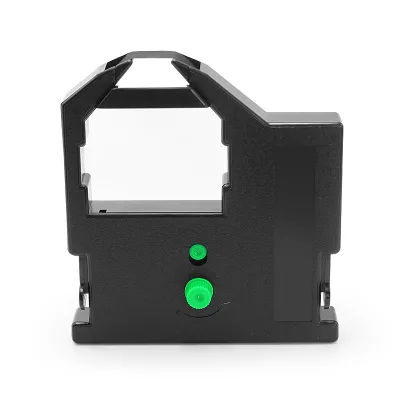

High Speed Tto Ribbons for Markem Printers, etc. Date Coding Ribbons
$0.15 - $0.22
MOQ: 100 Square Meters

Black Thermal Transfer Ribbon Wax Resin Ribbon Black Printer Ribbon
$0.09 - $0.11
MOQ: 100 Square Meters


90mm*300m Thermal Transfer Ribbon Standard Resin Ribbon for Zebra Desktop Printer
$0.12 - $0.14
MOQ: 100 Square Meters

Suitable for Barcode Thermal Transfer Printer Black Premium Type Resin Ribbon
$0.15 - $0.22
MOQ: 100 Square Meters


Comprehensive Sourcing Guide
Strategic Sourcing Guide for Compatible Stylus Printer Ribbons
Navigating the global market for compatible stylus printer ribbons requires a disciplined approach that balances technical compatibility with rigorous quality assurance. For procurement professionals, the core keyword "Compatible Stylus Printer Ribbon" represents a category defined by cross-manufacturer adaptability rather than exclusive branding. The supply chain for these consumables is vast, with products originating primarily from manufacturing hubs in China, specifically regions like Guangdong. Buyers must distinguish between general compatibility claims and specific model alignments to ensure operational continuity. This guide outlines the critical dimensions of sourcing these ribbons, focusing on the observed product attributes, technical specifications, and compliance frameworks available in the current market.
Technical Specifications and Model Compatibility
The primary challenge in sourcing compatible ribbons lies in matching the physical and chemical specifications of the ribbon to the specific printer model. The market data indicates a fragmented landscape where a single ribbon type does not fit all devices. Instead, procurement must be driven by precise model numbers and dimensional requirements. For instance, the product list reveals distinct models such as the PR-80D-7, PR-OKI8450, and PR-LQ2680K, each associated with unique length and width parameters.
The width of the ribbon is a critical specification that varies significantly across the product range. Observed data shows widths ranging from 8mm to 12.7mm. A ribbon designed for an 8mm width, such as the one associated with the PR-OKI5320 model, will not function correctly in a printer requiring a 12.7mm ribbon, such as the PR-80D-7. Similarly, the length of the ribbon is a variable that impacts the total page yield and replacement frequency. The observed lengths span from a compact 1.8m to a substantial 30m. The PR-LQ2680K model, for example, is linked to a 30m length, whereas the PR-ERC23 model is associated with a 4m length.
Furthermore, the physical construction of the ribbon roll must be verified. The axis dimension is a specific technical constraint, with the market offering a standard 1-inch axis for certain thermal transfer ribbons. The orientation of the ribbon coating is also a technical differentiator; some products are specified as having the carbon on the outside, while others may differ. When evaluating a potential supplier, the buyer must cross-reference the printer's manual requirements against the specific product model number provided by the vendor. Relying solely on the "Compatible" attribute without verifying the model number and dimensions can lead to mechanical jams or poor print quality.
Material Composition and Ribbon Technology
Understanding the material composition is essential for determining the durability and print quality of the ribbon. The supplied facts highlight "Nylon ribbon" as a specific material attribute, which is often associated with high durability and resistance to abrasion. However, the market also presents "Resin Ribbon" as a distinct category, typically used for printing on synthetic materials where chemical resistance is required. The choice between nylon and resin depends heavily on the intended application.
The backing paper and surface materials also play a pivotal role in performance. Some products utilize a Polyethylene backing paper, while others feature a Transparent PVC membrane type. The surface material can range from Garment Label Material to Transparent PVC, influencing how the ink adheres to the final substrate. The transparency of the ribbon itself is another variable; while some ribbons are opaque, others are designed with specific transparency levels to suit barcode labeling applications.
The application context dictates the material choice. For general text printing on paper, a standard nylon or resin ribbon may suffice. However, for specialized applications like barcode labeling on garments or transparent surfaces, the specific combination of backing paper, surface material, and ribbon type becomes critical. Buyers should verify that the material specifications align with the substrate they intend to print on. For example, a ribbon with a Polyethylene backing might be unsuitable for high-temperature environments where a different thermal transfer material is required.
Compliance, Certifications, and Quality Standards
In the B2B procurement landscape, compliance with international standards is a non-negotiable factor. The observed product data includes several certifications that serve as indicators of a supplier's commitment to quality and environmental safety. The CE mark is a prominent certification observed in the product list, indicating conformity with health, safety, and environmental protection standards for products sold within the European Economic Area.
Beyond the CE mark, more comprehensive quality management systems are evident. Some products list ISO9001 and ISO14001 certifications, which denote adherence to quality management and environmental management standards, respectively. Additionally, the ROHS certification is mentioned, ensuring that the product complies with restrictions on hazardous substances. These certifications are particularly relevant for buyers operating in regulated markets or those with strict corporate sustainability mandates.
However, buyers must exercise caution regarding the scope of these certifications. While the data lists these certifications, it does not guarantee that every single SKU in a supplier's catalog possesses them. The certification status should be verified on a per-product basis. Furthermore, while ISO9001:2015 is a recognized standard in the background context, buyers should not assume a supplier holds this specific version unless explicitly stated in the product documentation. The presence of these certifications suggests a baseline of quality control but should be supplemented with independent testing or factory audits for high-volume procurement.
Cost Drivers and Procurement Economics
The economics of sourcing compatible ribbons are influenced by several variables, including material costs, production volume, and packaging standards. The observed price range in the market spans from $0.09 to $39.70 USD, reflecting the diversity in product specifications and quantities. This wide range indicates that price is not a linear function of the product type but is heavily dependent on the specific model, length, and material composition.
The Minimum Order Quantity (MOQ) is another significant cost driver. The observed MOQ range extends from 1 unit to 10,000 units. For small businesses or those testing new suppliers, an MOQ of 1 allows for low-risk evaluation. Conversely, large enterprises seeking to optimize unit costs may need to negotiate for higher volumes, potentially approaching the 10,000-unit threshold. The packaging standard also impacts logistics costs; products are typically shipped in cartons with standard dimensions such as 663542cm, 574550cm, or 534248cm. These dimensions affect the number of units that can be consolidated into a single shipping container, directly influencing freight costs.
Customization is listed as an available attribute, which introduces a variable cost element. Buyers requiring specific branding, custom lengths, or unique material blends may incur additional setup fees or higher per-unit costs. The "Main Market" is listed as worldwide, suggesting that global logistics and currency fluctuations can also impact the final landed cost. Buyers should analyze the total cost of ownership, including shipping, duties, and inventory holding costs, rather than focusing solely on the unit price.
Supplier Evaluation and Operational Reliability
Evaluating a supplier for compatible stylus printer ribbons requires a focus on reliability, consistency, and support capabilities. The "Compatible" and "Original" features are listed together in some product descriptions, suggesting a hybrid market where suppliers may offer both generic compatible versions and original equipment manufacturer (OEM) equivalents. Buyers must clarify which type they are purchasing to avoid confusion regarding warranty and performance expectations.
The warranty period is a critical metric for supplier evaluation. The observed data indicates a standard 1-year warranty for the products. This warranty should cover defects in material and workmanship, providing a safety net for the buyer. However, the terms of the warranty, such as what constitutes a defect or the process for claims, should be explicitly defined in the purchase agreement.
Supplier location is another factor to consider. The primary origin for these products is China, with specific mentions of Guangdong as a place of origin. While this indicates a mature manufacturing ecosystem, it also implies potential lead time variations due to distance and shipping logistics. Buyers should verify the supplier's ability to meet lead time requirements, especially for just-in-time inventory strategies. The "Customization: Available" attribute suggests that suppliers with flexible manufacturing capabilities may be better positioned to handle urgent or unique orders.
Quality Control and Long-Term Procurement Strategy
Implementing a robust quality control (QC) process is essential for mitigating the risks associated with compatible consumables. Given the variability in product specifications, buyers should establish clear acceptance criteria before placing large orders. This includes verifying the physical dimensions (width, length, axis size), material composition, and print quality on a sample basis. The observed product models, such as TR4032B and TR4033BH, have specific standard dimensions like 110mmx300m or 35mmx300m, which serve as benchmarks for QC checks.
Long-term procurement strategies should focus on building relationships with suppliers who demonstrate consistency in quality and compliance. The availability of certifications like ISO9001 and ROHS suggests that some suppliers have mature quality systems in place. Buyers should prioritize these suppliers for critical applications where print failure could disrupt operations. Additionally, the "Customization" feature offers an opportunity for buyers to work with suppliers to develop proprietary solutions that enhance performance or reduce costs over time.
Finally, buyers should monitor the market for changes in standards and regulations. While the current data points to specific certifications and dimensions, the regulatory landscape for printing consumables is dynamic. Staying informed about updates to environmental standards or safety regulations will ensure that the procurement strategy remains compliant and competitive. By combining technical diligence with strategic supplier management, buyers can secure a reliable supply of compatible stylus printer ribbons that meet their operational needs.
Comparative Analysis of Key Product Attributes
To facilitate decision-making, the following table summarizes the key technical attributes observed in the market, highlighting the variability that buyers must navigate.
| Attribute Category | Observed Values | Relevance to Procurement |
|---|---|---|
| Product Models | PR-80D-7, PR-OKI8450, PR-LQ2680K, PR-ERC23, TR4032B | Must match specific printer hardware; no universal fit. |
| Width | 8mm, 12.7mm | Critical for mechanical fit; incorrect width causes jams. |
| Length | 1.8m, 4m, 14m, 18m, 20m, 30m | Determines page yield and replacement frequency. |
| Material | Nylon ribbon, Resin Ribbon, Garment Label Material | Dictates durability and print quality on specific substrates. |
| Certifications | CE, ISO9001, ISO14001, ROHS | Essential for regulatory compliance and quality assurance. |
| Packaging | Carton (Various dimensions: 53-66cm range) | Affects logistics efficiency and storage requirements. |
| Warranty | 1 year | Standard protection period for defects. |
| Origin | China (Guangdong) | Influences lead times and shipping costs. |
This comparative view underscores the necessity of precise specification matching. The diversity in attributes means that a "one-size-fits-all" approach is ineffective. Buyers must treat each product model as a distinct entity with its own set of requirements, ensuring that the selected ribbon aligns perfectly with the printer's mechanical and chemical demands. By adhering to these guidelines, procurement professionals can optimize their sourcing strategies, minimize operational risks, and achieve cost-effective results in the Compatible Stylus Printer Ribbon market.
FAQs
What certifications do compatible stylus printer ribbons typically have?
Many compatible stylus printer ribbons carry CE certification and ISO9001, ISO14001, or ROHS marks. These certifications indicate compliance with safety and environmental standards but should be verified per product model rather than assumed for the entire catalog.
Which ribbon widths are available for compatible stylus printers?
Available ribbon widths range from 8mm to 12.7mm depending on the specific printer model. For example, the PR-OKI5320 model uses an 8mm width, while the PR-80D-7 model requires a 12.7mm width to ensure proper fit and print quality.
Can I find compatible stylus printer ribbons with a 1-year warranty?
Yes, many compatible stylus printer ribbons come with a standard 1-year warranty covering defects in material and workmanship. This warranty provides protection for the buyer but terms regarding claim processes and defect definitions should be confirmed before purchase.
How does the ribbon length affect the total page yield?
Ribbon length varies significantly from 1.8m to 30m, directly impacting the total page yield and replacement frequency. Longer ribbons like the 30m option for the PR-LQ2680K model offer extended usage compared to shorter 4m options found in other models.
What material types are used for compatible stylus printer ribbons?
Common materials include Nylon ribbon for durability and Resin ribbon for chemical resistance on synthetic surfaces. The choice depends on the application, with some products also featuring Transparent PVC or Garment Label Material for specific barcode or labeling needs.
Where are compatible stylus printer ribbons primarily manufactured?
These ribbons are primarily manufactured in China, with specific origins noted in regions like Guangdong. Buyers should consider this location when planning logistics and lead times, as shipping from these hubs to global markets is the standard supply chain route.
Is customization available for Compatible Stylus Printer Ribbon orders?
Customization is available for Compatible Stylus Printer Ribbon orders, allowing for specific branding or unique material blends. This service may incur additional costs or setup fees, making it suitable for buyers with specialized requirements beyond standard off-the-shelf models.