Source White Patterned Facial Tissue for Office, Hotel, and Travel
Compare 30 listings of White Patterned Facial Tissue from verified suppliers. Buyers can evaluate options for office, hotel, and travel applications based on ply count, size, and packaging specifications; compare the available evidence and request quotations based on your requirements.
Key considerations
Products List


Fashionable Custom Printed Facial Tissue for Trending Products Packaging
$0.24 - $0.26
MOQ: 50000 Bags



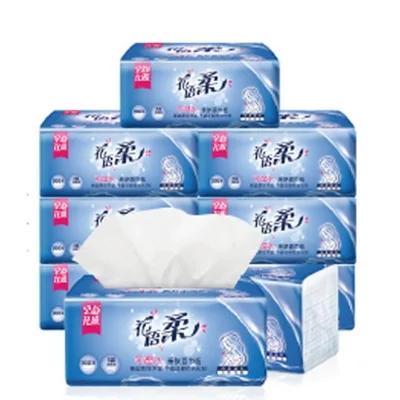


Comprehensive Sourcing Guide
White Patterned Facial Tissue Sourcing Guide
Sourcing White Patterned Facial Tissue requires a nuanced understanding of how aesthetic design intersects with functional performance in the consumer goods market. Buyers must recognize that "patterned" refers to the embossing or printing on the tissue surface, which serves both decorative and functional purposes such as increasing surface area for better absorption. The core keyword highlights a specific visual preference, but the underlying product remains a disposable hygiene item primarily composed of virgin wood pulp. This material choice ensures softness and strength, critical factors for end-user satisfaction in office, hotel, and home environments. Procurement teams should focus on verifying that the pattern does not compromise the structural integrity of the tissue during use.
The market offers a variety of styles, including box tissues and pocket tissues, each with distinct packaging and usage scenarios. Box tissues are typically designed for stationary use in high-traffic areas, while pocket tissues cater to on-the-go convenience. The observed listings indicate a wide range of customization options, allowing buyers to tailor products to specific brand identities or regional preferences. It is essential to distinguish between plain and patterned variants, as the latter may involve additional production steps that could impact lead times and costs. Understanding these distinctions helps in selecting the right product mix for different distribution channels, ensuring that the aesthetic appeal aligns with the practical needs of the target consumer base.
Product Scope and Observed Listing Signals
The observed product listings reveal a diverse range of specifications that buyers must navigate carefully. Key attributes include layer counts of two or three ply, which directly influence tissue thickness and durability. The paper net content varies significantly, with some products containing less than 50g per piece, while others range from 100g to 200g per piece. This variation affects the perceived value and cost-effectiveness of the product. Additionally, the basic weight, measured in GSM, typically falls between 13-18GSM, indicating a lightweight yet functional tissue suitable for everyday use. Buyers should pay close attention to these metrics to ensure they align with their quality standards and budget constraints.
Packaging and dimensions also play a crucial role in the sourcing decision. Standard sizes observed include 20x21cm, 19x20cm, and 18x19cm for box tissues, while pocket tissues often measure 210210mm or 1818cm. The packaging formats vary from individual bags to larger cartons, with quantities ranging from 10 pieces per bag to 200 sheets per box. These details are vital for logistics planning and shelf-space optimization. Furthermore, the origin of production, often cited as Qingdao or Quanzhou in China, can provide insights into the supply chain dynamics and potential shipping costs. Buyers should verify these specifics to avoid discrepancies between ordered and delivered goods.
Technical Specifications to Verify
When evaluating technical specifications, buyers must prioritize the verification of material composition and structural integrity. The primary material, virgin wood pulp, is a key indicator of quality, offering superior softness and absorbency compared to recycled alternatives. It is crucial to confirm that the tissue is free from harmful chemicals and fragrances, especially for products marketed for sensitive skin or general household use. The absence of flavor and core in many listings suggests a focus on pure functionality and minimalism. Buyers should request material safety data sheets to ensure compliance with health and safety regulations, particularly if the tissue is intended for use in healthcare or hospitality settings.
Dimensional accuracy and sheet count are other critical technical aspects that require rigorous verification. The listed standards, such as 200205mm or 180190mm, must be cross-checked against physical samples to ensure consistency. Discrepancies in size can lead to packaging issues and customer dissatisfaction. Additionally, the number of sheets per pack, ranging from 100 to 200, should be accurately counted to prevent short-changing consumers. The strength and hand feel of the tissue are also important factors; buyers should assess these qualities through tactile inspection and stress testing. Ensuring that the tissue maintains its integrity when wet is essential for maintaining brand reputation and customer loyalty.
Compliance and Safety Documentation
Compliance with international and local safety standards is non-negotiable for facial tissue procurement. Buyers must ensure that suppliers provide relevant certifications, such as FSC, which indicates responsible forest management and sustainable sourcing practices. While not all listings explicitly mention certifications, it is advisable to request proof of compliance with relevant hygiene and safety regulations. This includes verifying that the tissue meets specific microbial limits and does not contain harmful substances like fluorescent whitening agents. Documentation should be up-to-date and issued by recognized third-party testing agencies to ensure credibility and reliability.
In addition to material safety, buyers should also consider the environmental impact of the product and its packaging. Sustainable packaging solutions, such as recyclable or biodegradable materials, are increasingly important to consumers and regulators. Buyers should inquire about the supplier's efforts to minimize waste and reduce carbon footprint throughout the production process. Transparency in sourcing and manufacturing practices can enhance brand value and appeal to environmentally conscious consumers. It is also important to verify that the supplier adheres to labor standards and ethical practices, ensuring a responsible supply chain from raw material to finished product.
Cost Drivers and Commercial Terms
Several factors influence the cost of White Patterned Facial Tissue, with material quality and production volume being primary drivers. Higher GSM and ply counts generally result in higher costs due to increased material usage and processing complexity. Customization options, such as unique patterns or packaging designs, can also add to the expense. Buyers should negotiate volume discounts to mitigate these costs, especially for large orders. The observed MOQ range of 5 to 100,000 pieces offers flexibility, allowing buyers to start with smaller quantities for testing and scale up as demand grows. Understanding these cost dynamics is essential for effective budgeting and pricing strategies.
Commercial terms, including payment methods and delivery schedules, are equally important in the sourcing process. Buyers should establish clear agreements on payment terms, such as letters of credit or advance payments, to manage financial risk. Lead times can vary based on production capacity and order complexity, so it is crucial to align delivery schedules with inventory needs. Freight costs, influenced by the origin of production and shipping method, should also be factored into the total cost of ownership. Buyers should seek transparent pricing structures and avoid hidden fees to ensure accurate cost forecasting. Building strong relationships with suppliers can lead to better terms and improved service levels.
Supplier Qualification and Quality Control
Supplier qualification is a critical step in ensuring the reliability and consistency of facial tissue supplies. Buyers should conduct thorough due diligence, including site visits and audits, to assess the supplier's manufacturing capabilities and quality management systems. It is important to verify that the supplier has experience in producing patterned tissues and can meet specific design and quality requirements. Checking references and past performance can provide insights into the supplier's reliability and customer satisfaction levels. A robust quality control process, including regular inspections and testing, is essential to maintain product consistency and meet buyer expectations.
Quality control measures should extend beyond the final product to include raw material sourcing and production processes. Buyers should require suppliers to implement strict controls on material quality, ensuring that virgin wood pulp meets specified standards. In-process inspections can help identify and rectify defects early, reducing waste and improving efficiency. Final product inspections should verify dimensions, sheet count, and overall appearance to ensure compliance with agreed specifications. Establishing clear quality benchmarks and communication channels with suppliers can facilitate continuous improvement and address any issues promptly. A proactive approach to quality control enhances product reliability and strengthens the buyer-supplier relationship.
Long-Term Procurement Checks
Long-term procurement success depends on continuous monitoring and evaluation of supplier performance. Buyers should establish key performance indicators (KPIs) to track metrics such as delivery accuracy, product quality, and responsiveness to issues. Regular performance reviews can help identify areas for improvement and foster a collaborative relationship with suppliers. It is also important to stay updated on market trends and regulatory changes that may impact sourcing decisions. Adapting to these changes ensures that the procurement strategy remains relevant and effective over time. Building a resilient supply chain requires flexibility and the ability to pivot when necessary.
Sustainability and ethical sourcing should remain central to long-term procurement strategies. Buyers should regularly assess their suppliers' environmental and social practices, encouraging continuous improvement in these areas. Engaging with suppliers on sustainability initiatives can enhance brand value and meet growing consumer demand for responsible products. Additionally, diversifying the supplier base can mitigate risks associated with single-source dependencies. By maintaining a focus on quality, compliance, and sustainability, buyers can build a robust and future-proof procurement function that delivers consistent value to their organization.
FAQs
What customization options are available for White Patterned Facial Tissue?
Customization is available for White Patterned Facial Tissue products listed on the page. Buyers can request specific patterns, sizes, and packaging configurations to match their brand needs. The products come in various styles like box and pocket tissues with different ply counts.
Which specifications define the White Patterned Facial Tissue models?
The White Patterned Facial Tissue models feature specific dimensions such as 210 by 210 mm or 18 by 18 cm. They are available in 2 ply or 3 ply layers with weights ranging from 13 to 18 GSM. Some models include a core while others are coreless depending on the design.
How is the White Patterned Facial Tissue packaged for shipment?
Packaging varies by model, with options including 100 to 200 sheets per box or 10 pieces per bag. Larger shipments often use cartons containing multiple bags or packs. Specific packing details depend on the product model and the buyer's order quantity requirements.
Can I find White Patterned Facial Tissue with specific paper net content?
Yes, products are available with paper net content ranging from under 50 grams per piece up to 200 grams per piece. Buyers can select models with 100 to 150 grams or 150 to 200 grams per piece based on their specific usage needs and quality expectations.
What are the origin locations for the White Patterned Facial Tissue?
The White Patterned Facial Tissue originates from manufacturing locations in Qingdao and Quanzhou within China. These regions are known for producing high-quality paper products. Buyers can source directly from these established manufacturing hubs for reliable supply chains.
Which materials are used to make the White Patterned Facial Tissue?
The White Patterned Facial Tissue is primarily made from virgin wood pulp. This material ensures softness and strength while maintaining high absorbency. The products are designed to be disposable and suitable for various applications including office, hotel, home, and travel use.