Source Concentrated Car Wash Chemical Label for Car Wash, Engine, and Surface
Compare 30 listings of Concentrated Car Wash Chemical Label from Chinese manufacturers. Buyers can evaluate specifications like volume, weight, and packaging options for car wash, engine cleaning, and surface care applications.
Key considerations
Products List






Comprehensive Sourcing Guide
Strategic Sourcing Guide for Concentrated Car Wash Chemical Labels
Procuring concentrated car wash chemical labels requires a rigorous approach that balances aesthetic branding with technical compliance and supply chain reliability. The market for these specialized labels is diverse, ranging from simple adhesive tags to complex, multi-layered packaging solutions designed for high-volume industrial distribution. Buyers must navigate a landscape where product attributes vary significantly between suppliers, particularly regarding material composition, volume capacity, and origin. This guide provides a structured framework for evaluating suppliers and specifications based on verified market data and established procurement principles, ensuring that the final selection aligns with both operational needs and regulatory standards.
Technical Specifications and Material Composition
The foundation of any successful sourcing strategy lies in a precise understanding of the technical specifications of the product. In the context of car wash chemicals, the label is not merely a branding element but a critical component of the product's safety and usability profile. The chemical composition of the liquid inside the container dictates the requirements for the label material. Data indicates that many concentrated car wash agents utilize organic composite solvents and diluents, which can be aggressive toward standard paper or low-grade adhesives. Therefore, the label material must be resistant to moisture, oils, and chemical splashes.
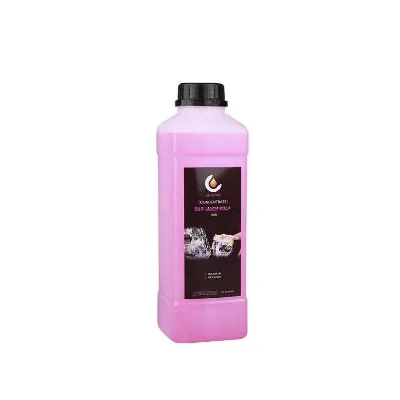
When evaluating potential suppliers, buyers should verify the specific material properties of the label. For instance, some products are packaged in containers with a single package size of 30x20x10 cm, while others may utilize smaller formats like 7x7x41 cm. The label must accommodate these varying dimensions without peeling or degrading. Furthermore, the volume of the product, which can range from 200ml to 1000ml, influences the surface area available for labeling. A 1L bottle presents different labeling challenges compared to a 200ml sample bottle. The weight of the product, observed in the market ranging from 0.25kg to 1.2kg, also impacts the structural integrity required for the packaging.
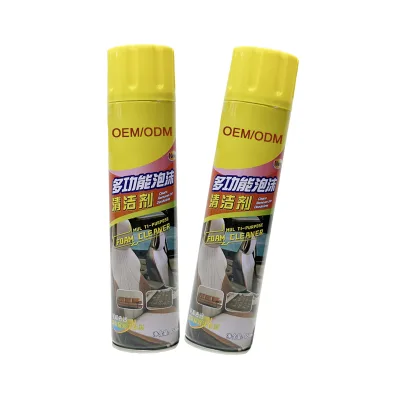
The shape of the container is another critical technical factor. Some concentrated car wash chemicals are sold in aerosol formats, which require labels designed to withstand the curvature and potential condensation of pressurized cans. Others are in standard bottles with flat or cylindrical surfaces. The label's adhesive strength must be calibrated to the specific surface texture and the environmental conditions the product will face, such as the humidity of a car wash bay or the temperature fluctuations of a warehouse.
Compliance, Certification, and Regulatory Verification
Navigating the regulatory landscape is essential for international procurement. While specific certification status for every listed product cannot be assumed, buyers must verify compliance with relevant standards. The market data suggests that some suppliers claim adherence to general quality standards, but explicit certifications like ISO 14024 or ISO 9001:2015 should be treated as claims requiring verification rather than guaranteed facts. Buyers should request current, valid certificates from suppliers to ensure that the manufacturing process meets environmental and quality management requirements.
The chemical nature of the product, often described as having a basic pH or being a strong abluent for engine types, necessitates clear labeling regarding safety and handling. Labels must include accurate hazard warnings, usage instructions, and expiration dates. The observed expiration dates for these products vary, with some listed as 3 years and others as 5 years. The label must clearly communicate this shelf life to prevent the sale of degraded products. Additionally, the product origin, often cited as Guangdong, Hebei, or Qingdao in China, may trigger specific import regulations or labeling requirements in the destination country.
Buyers should also verify the "Product Name" and "Brand Name" accuracy on the label. Discrepancies between the label and the actual product, such as labeling a "Car Care Cleaning Agent" as a generic "Car Wash Chemical," can lead to regulatory issues. The label must accurately reflect the product type, whether it is a "Dewaxing Car Cleaning Chemical" or a general "Cleaner & Wash." Ensuring that the label includes the correct net weight, such as 480g or 350g, is also a legal requirement in many jurisdictions to prevent consumer deception.
Cost Drivers and Pricing Structures
Understanding the cost drivers for concentrated car wash chemical labels is vital for budgeting and negotiation. The price of the final product, observed in the market ranging from $0.53 to $43 per unit, is influenced by several factors, including the complexity of the label design, the volume of the order, and the quality of the materials used. The Minimum Order Quantity (MOQ) is a significant cost driver, with observed ranges spanning from 10 pieces to over 26,000 pieces. Suppliers with lower MOQs may charge a premium per unit, while those requiring high volumes offer more competitive pricing.
The customization options available also impact the cost. Many suppliers offer OEM (Original Equipment Manufacturer) and ODM (Original Design Manufacturer) services, allowing buyers to have custom logos, designs, and packaging. The "Customization: Available" and "Logo: Customization" attributes indicate that these services are common, but they come with additional costs. The type of packaging, whether it is a brown box, color box, or display box, also affects the overall price. Suppliers that provide "Design new packaging for you" services may charge for the design work separately from the manufacturing cost.
Payment terms, such as T/T (Telegraphic Transfer), are standard in the industry and can influence the cash flow and risk profile of the transaction. Buyers should negotiate payment terms that align with their financial capabilities while ensuring that the supplier is compensated fairly. The "Advantage: Technology Support" mentioned by some suppliers suggests that technical assistance may be included in the price, potentially reducing the need for external engineering support.
Typical Applications and Usage Scenarios
Concentrated car wash chemical labels are designed for a variety of applications, from professional car wash facilities to automotive detailing shops and retail consumers. The primary use case is for cleaning car surfaces, as indicated by the "Usage: Car Surface Cleaning" attribute. The label must communicate the intended use clearly to ensure that the product is used correctly. For example, a product labeled as a "Strong Abluent for Engine Type" should not be used on the car's exterior paint without specific instructions.
The "Product Name" and "Type" attributes provide insight into the specific application. A "Car Care Cleaning Agent" might be used for general maintenance, while a "Dewaxing Car Cleaning Chemical" is specifically designed to remove wax and prepare the surface for re-application. The label should guide the user through the application process, including dilution ratios if the product is concentrated. The "Volume" and "Capacity" attributes, ranging from 300ml to 1000ml, suggest that the product is suitable for both small-scale and large-scale operations.
In professional settings, the label must be durable enough to withstand frequent handling and exposure to water and cleaning agents. In retail settings, the label must be visually appealing and informative to attract consumers. The "Feature: Effectively Clean" attribute highlights the performance claim that the label should support. Buyers should ensure that the label design aligns with the brand's positioning, whether it is premium, budget-friendly, or eco-conscious.
Supplier Evaluation and Selection Criteria
Selecting the right supplier is a critical step in the sourcing process. Buyers should evaluate suppliers based on their ability to meet technical specifications, their compliance with regulations, and their capacity to deliver on time. The "Place of Origin" is a key factor, with suppliers located in Guangdong, Hebei, and Qingdao, China, being common. Buyers should verify the supplier's location to ensure it aligns with their logistics strategy and import requirements.
The "Service: OEM ODM Service" and "OEM: Accept" attributes indicate that the supplier is capable of customizing products. Buyers should assess the supplier's design capabilities and their willingness to collaborate on custom solutions. The "Sample: Available" attribute is a positive sign, suggesting that the supplier is confident in their product quality and willing to provide samples for evaluation. Buyers should request samples to test the label's durability, adhesion, and print quality.
The "Quality: High-Quality" attribute is a common claim, but buyers should verify this through independent testing or by reviewing customer feedback. The "Single gross weight" and "Single package size" attributes provide insight into the supplier's packaging standards. Buyers should ensure that the packaging is robust enough to protect the product during transit. The "Packing: Standard" and "Package: Cartons" attributes suggest that the supplier uses standard packaging methods, but buyers should confirm that these methods meet their specific requirements.
Quality Control and Long-Term Procurement Considerations
Implementing a robust quality control (QC) process is essential for maintaining product consistency and customer satisfaction. Buyers should establish clear QC criteria for the labels, including checks for print quality, adhesive strength, and material durability. The "Expiration Date" of 3 to 5 years suggests that the product has a long shelf life, but the label must remain intact and legible throughout this period. Buyers should test the labels under various environmental conditions to ensure they do not degrade over time.
Long-term procurement considerations include building a sustainable relationship with the supplier. The "Advantage: Technology Support" and "Customization: Available" attributes suggest that the supplier is committed to ongoing collaboration. Buyers should negotiate long-term contracts that include volume discounts, priority production, and dedicated account management. The "Payment: T/T" term is standard, but buyers should consider alternative payment methods that may offer better protection, such as letters of credit, for large orders.
The "Capacity" and "Volume" attributes indicate that the supplier can handle varying order sizes. Buyers should ensure that the supplier has the capacity to scale production as their business grows. The "Model Number" and "Prod Model" attributes, such as "005" or "YIQUN-060," help in tracking specific product lines. Buyers should maintain a detailed record of these model numbers to ensure consistency in future orders.
Conclusion
Sourcing concentrated car wash chemical labels requires a comprehensive understanding of technical specifications, regulatory compliance, cost drivers, and supplier capabilities. By carefully evaluating these factors, buyers can make informed decisions that align with their business objectives and ensure the delivery of high-quality products. The market offers a wide range of options, from simple labels to complex, customized solutions, and buyers should leverage this diversity to find the best fit for their needs. Through rigorous supplier evaluation and quality control, buyers can mitigate risks and build a reliable supply chain for their car wash chemical products.
FAQs
What is the typical expiration date for concentrated car wash chemicals?
The expiration date typically ranges from 3 to 5 years depending on the specific product formulation. Buyers should verify the exact shelf life on the label, as some products list 3 years while others extend to 5 years to ensure safety and efficacy.
Can suppliers provide samples for concentrated car wash chemical labels?
Yes, samples are available for most suppliers to evaluate quality before bulk ordering. This allows buyers to test adhesion and print durability on various container sizes, such as the 200ml or 1L volumes commonly observed in the market.
Which customization options are available for car wash chemical packaging?
Customization is available for logos, designs, and packaging types like brown boxes or color boxes. Suppliers often accept OEM requests, allowing buyers to specify unique branding or new packaging designs to meet specific market requirements.
How does the product volume affect label selection for car wash agents?
Product volume ranges from 200ml to 1000ml, directly influencing the surface area available for labeling. Labels must be sized appropriately for containers like 300ml bottles or 1L jugs to ensure proper coverage and adhesion without peeling.
What are the standard minimum order quantities for these chemical labels?
Minimum order quantities vary significantly, ranging from 10 pieces to over 26,000 pieces depending on the supplier. Lower MOQs may suit small businesses, while larger volumes often secure better pricing and are typical for industrial distribution needs.
Where are the primary manufacturing locations for these car wash products?
Manufacturing is primarily located in China, with key hubs in Guangdong, Hebei, and Qingdao. Buyers should consider these origins for logistics planning, as regional differences may impact shipping costs and lead times for international orders.
What material composition is used in concentrated car wash cleaning agents?
Many agents utilize organic composite solvents and diluents, which require durable label materials resistant to moisture and chemicals. The label must withstand exposure to these aggressive substances to prevent degradation during storage and use.