Source Computerized Wire Stitching Machine for Packaging, Binding, and Assembly
Explore 30 Computerized Wire Stitching Machine options tailored for industrial packaging, document binding, and assembly tasks. Compare semi-automatic and automatic models with CE certification and flexible transmission types to find the right fit for your production line; compare the available evidence and request quotations based on your requirements.
Key considerations
Products List


Computerized Wire Cutting and Stripping Machine for Round Sheathed Wire
$700.00 - $300000.00
MOQ: 1 SET

Computerized Wire Cutting and Stripping Machine for Flat Sheathed Wire
$700.00 - $300000.00
MOQ: 1 SET

Computerized Wire Cutting and Stripping Machine, Cable Stripping Machine
$700.00 - $300000.00
MOQ: 1 SET
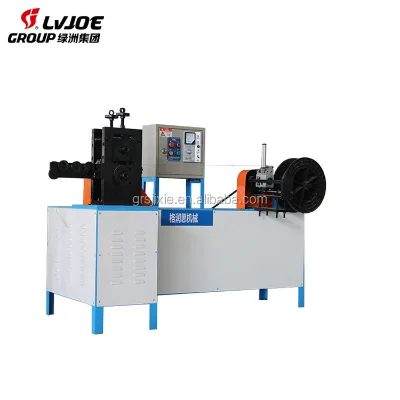


Wire Stripping Machine Work with Automatic Machine Wire Coiling Machine
$2999.00 - $4999.00
MOQ: 1 Pieces

Computer Sheath Wire Stripping Machine Automatic Small Wire Stripping and Cutting Machine
$1720.00 - $1890.00
MOQ: 1 Pieces


Comprehensive Sourcing Guide
Computerized Wire Stitching Machine Sourcing Guide
The market for computerized wire stitching machines presents a complex landscape where buyers must distinguish between specialized paper folding units and actual wire processing equipment. While some listings describe folding mechanisms with double parallel folds and flat sheet feeding, these attributes often belong to paper processing machinery rather than wire stitching systems. Procurement teams must carefully verify that the core keyword aligns with the actual machine function, as the presence of folding buckles or paper inputting types indicates a different product category entirely.
Buyers should prioritize suppliers who explicitly demonstrate wire stripping or terminal crimping capabilities alongside computerized controls. The observed data includes models with specific dimensions and pneumatic driven types, which are relevant to wire processing but require confirmation of their specific application. It is critical to cross-reference the "Computerized" attribute with the actual mechanical function to ensure the machine performs wire stitching rather than paper folding, preventing costly procurement errors based on misleading product titles.
Product Scope and Observed Listing Signals
The observed product listings reveal a wide variance in specifications, ranging from compact units with dimensions around 420mm to larger industrial assemblies. Some entries highlight flexible transmission types and assembly line integration, suggesting a focus on automated production environments. However, the presence of paper-specific attributes like "Flat Sheet Paper Feeding" and "Folding Buckle" signals that many available listings may not be suitable for wire stitching applications, requiring buyers to filter strictly for wire-specific functionality.
Buyers must scrutinize the "Automatic Grade" attribute, as the data shows conflicting entries for both "Semi-Automatic" and "Automatic" grades within the same search results. This inconsistency necessitates a rigorous verification process to confirm the actual automation level of the specific wire stitching unit. Additionally, the "Condition" is listed as "New" for several items, but the physical dimensions and packing types vary significantly, indicating that buyers should request detailed technical drawings to confirm the machine's physical footprint and operational scope.
Technical Specifications to Verify
When evaluating technical specifications, the precision and productivity metrics are paramount for wire stitching operations. The data indicates models with productivity rates ranging from 2000 to 6000 pieces per hour, which serves as a benchmark for high-volume manufacturing needs. Buyers should verify that the claimed productivity aligns with their specific wire gauge and stitch pattern requirements, as the "Terminal Crimping Productivity" metric may not directly translate to wire stitching speeds without further validation.
Dimensional accuracy and driven type are also critical verification points for integration into existing production lines. The observed dimensions, such as 420 x 350 x 250mm, provide a baseline for space planning, but the "Driven Type" being listed as "Pneumatic" requires confirmation of air supply compatibility. Furthermore, the "Heating System" being electric suggests thermal processing capabilities that must be matched against the specific wire insulation materials used in the buyer's application to ensure safe and effective operation.
Compliance and Safety Documentation
Safety compliance is a non-negotiable aspect of sourcing industrial machinery, and the presence of CE certification in the data provides a baseline for European market standards. Buyers should verify that the specific model they intend to purchase holds valid CE certification, as the data shows this standard is associated with multiple product entries. It is essential to request the specific test reports and conformity declarations to ensure the machine meets the safety requirements of the destination country.
Beyond CE, other certifications like ISO and CCC are mentioned in the listings, indicating a broader compliance framework for certain models. Procurement teams must confirm which specific standards apply to the wire stitching function, as the "SGS" standard listed for some units may relate to general quality rather than electrical safety. Ensuring that the supplier provides comprehensive safety documentation, including emergency stop protocols and guarding requirements, is vital for maintaining a safe working environment.
Cost Drivers and Commercial Terms
The cost of computerized wire stitching machines is influenced by the level of automation and the complexity of the control systems. The data shows a price range from 0.1 to 300,000 USD, reflecting the vast difference between basic units and fully integrated automated lines. Buyers should understand that higher prices often correlate with advanced features like "High Precision" capabilities and longer "Mould Life" expectations, which can significantly impact the total cost of ownership over the machine's lifespan.
Commercial terms such as delivery time and packaging are also key cost drivers in the procurement process. The observed "Delivery Time" of 7 days suggests a relatively quick turnaround for certain models, but this may vary based on customization requests. The "Wooden Cases" and "Cartons" packing options indicate different shipping costs and protection levels, which buyers must factor into their logistics budget. Additionally, the "MOQ" range of 1 to 2 units offers flexibility for small-scale buyers but may affect unit pricing for larger orders.
Supplier Qualification and Quality Control
Supplier qualification requires a deep dive into the manufacturing origin and production capabilities of the vendor. The data indicates origins in Zhejiang and Changzhou, China, regions known for industrial machinery production. Buyers should verify the supplier's experience with wire stitching specifically, rather than general paper folding, to ensure they possess the necessary engineering expertise. The "Professional Folding Machine" classification in some listings highlights the need to distinguish between general machine builders and specialized wire processing experts.
Quality control processes must be validated through the supplier's warranty and after-sales support structure. The "12 Months" warranty period mentioned in the data provides a standard baseline for defect coverage, but buyers should negotiate terms that cover critical components like the "Heating System" and "Driven Type" mechanisms. Requesting references from existing clients and reviewing the supplier's track record for "High Precision" output is essential to mitigate the risk of receiving equipment that fails to meet performance expectations.
Long-Term Procurement Checks
Long-term procurement success depends on the availability of spare parts and the durability of the machine's core components. The "Mould Life" data, ranging from 300,000 to over 1,000,000 shots, offers insight into the expected lifespan of critical parts. Buyers should verify the replacement cost and lead time for these components to ensure that the machine remains operational without excessive downtime or prohibitive maintenance costs over its service life.
Sustainability and adaptability are also crucial considerations for future-proofing the investment. The "Customization" attribute being available suggests that the machine can be adapted to changing production needs, but buyers must confirm the scope of these modifications. Additionally, the "Transportation" options of Sea and Air indicate global supply chain capabilities, but buyers should assess the supplier's ability to support the machine in their specific location, ensuring that technical support and training remain accessible throughout the machine's operational life.
FAQs
What is the typical lead time for Computerized Wire Stitching Machine orders?
The typical lead time is 7 days for standard orders. This rapid delivery supports urgent production needs. Buyers should confirm specific timelines with suppliers as schedules may vary based on current factory workload and customization requirements. Early planning ensures timely arrival of the equipment.
Which certifications are commonly available for computerized wire stitching machines?
Common certifications include CE, ISO, and CCC. These standards ensure compliance with international safety and quality regulations. Buyers in regulated markets should verify that the specific model holds the necessary documentation before purchase to avoid customs delays or operational restrictions in their region.
Can computerized wire stitching machines be customized for specific needs?
Yes, customization is available for many models. Buyers can request modifications to fit unique production lines or specific material handling requirements. Suppliers often offer tailored solutions to enhance efficiency. It is advisable to discuss specific technical requirements with the manufacturer to ensure compatibility with existing workflows.
What is the minimum order quantity for computerized wire stitching machines?
The minimum order quantity typically ranges from 1 to 2 units. This low MOQ allows small businesses to test equipment performance without large capital investment. Bulk orders may offer better pricing. Buyers should check with individual suppliers for specific volume discounts and terms.
How are computerized wire stitching machines packaged for shipping?
Machines are packaged in wooden cases or cartons for protection. Wooden cases provide robust protection for heavy or sensitive components during transit. Cartons are used for lighter models. Proper packaging ensures the equipment arrives in new condition, minimizing the risk of damage during sea or air transportation.
What is the warranty period for computerized wire stitching machines?
The standard warranty period is 12 months. This coverage typically includes parts and labor for manufacturing defects. Buyers should review the warranty terms carefully to understand what is included. Extended warranty options may be available from suppliers for additional peace of mind and long-term support.