Source Concentrate Tool for Pharmaceutical, Chemical, and Herbal Uses
Find and compare 30 industrial Concentrate Tool options designed for pharmaceutical, chemical, and herbal applications. These stainless steel units offer customizable volume, temperature, and pressure controls to suit specific production needs.
Key considerations
Products List


Multifunctional Automatic Stainless Steel High Efficient Concentrate Machine
$6300.00 - $6600.00
MOQ: 1 Pieces


Industrial Stainless Steel Multifunctional Extraction and Concentration Machine
$6400.00 - $6600.00
MOQ: 1 Pieces

Automatic Single Effect High Productivity Concentration Machine for Herb
$6300.00 - $6600.00
MOQ: 1 Pieces
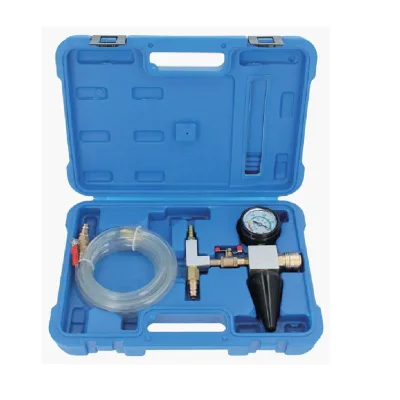


High-Efficiency Concentration Multi-Function Extractor Concentrator
$4000.00 - $12000.00
MOQ: 1 Pieces


Comprehensive Sourcing Guide
Concentrate Tool Sourcing Guide
Selecting the right Concentrate Tool requires a clear understanding of the specific industrial application, whether it involves pharmaceutical extraction, chemical processing, or herbal industry operations. The market offers a diverse range of equipment, from single-effect concentration tanks to multifunctional automatic stainless steel extractors, each designed to meet distinct operational needs. Buyers must navigate a landscape where customization is widely available, allowing for tailored solutions that align with precise production volumes and process requirements. This guide provides a structured approach to evaluating these tools, ensuring that procurement decisions are grounded in verified technical specifications and commercial realities.
The observed market signals indicate a significant variation in product capabilities, with volumes ranging from small-scale 50-liter units to large industrial systems exceeding 20,000 liters. This breadth suggests that buyers should not assume a one-size-fits-all solution but rather identify the specific capacity and power requirements of their facility. Furthermore, the presence of computerized controls and high-precision features highlights the importance of integrating automation into the sourcing strategy. By focusing on these observable signals, procurement teams can narrow down the supplier pool to those capable of delivering the exact performance metrics required for their specific production lines.
Product Scope and Observed Listing Signals
The current market for concentrate tools is characterized by a strong emphasis on stainless steel construction, which is critical for maintaining hygiene and durability in sensitive industries such as pharmaceuticals and chemicals. Listings frequently highlight the material composition as a primary attribute, ensuring that the equipment can withstand corrosive substances and meet strict sanitary standards. This material choice is not merely aesthetic but functional, providing the necessary resistance to wear and tear while facilitating easy cleaning and maintenance protocols. Buyers should prioritize suppliers who explicitly state the use of high-grade stainless steel to ensure long-term reliability and compliance with industry hygiene regulations.
In addition to material composition, the operational scope of these tools varies significantly, with some units designed for vacuum distillation and others for continuous processing. The observed data indicates that many systems operate under specific vacuum conditions, with jacket pressures ranging from 0.09 to 0.3 MPa, which is essential for low-temperature concentration processes. This capability is particularly valuable for heat-sensitive materials, where maintaining temperatures between 25 and 60 degrees Celsius is crucial to preserve product integrity. Buyers must carefully review the operational parameters of each tool to ensure that the vacuum and temperature controls align with the thermal sensitivity of their raw materials.
Technical Specifications to Verify
When evaluating concentrate tools, verifying the power source and electrical requirements is a critical step to ensure compatibility with existing facility infrastructure. Many units are designed to operate with steam heating, which offers efficient and uniform heat distribution, while others may require specific voltage inputs such as 220V. The power ratings observed in the market typically range from 1.5 kW to 2.2 kW, but larger systems may require additional power configurations. Procurement teams must confirm the exact power specifications and source requirements for each unit to avoid costly retrofitting or operational disruptions during installation.
Another key technical aspect to verify is the precision and control capabilities of the equipment, particularly regarding temperature and pressure management. High-precision instruments are often equipped with computerized systems that allow for customizable temperature and pressure settings, enabling fine-tuned control over the extraction and concentration processes. Buyers should request detailed technical diagrams and control system specifications to understand the level of automation and monitoring available. Additionally, the condensation and cooling areas, often measured in square meters, play a vital role in the efficiency of the concentration process, so these metrics should be compared against production throughput requirements.
Compliance and Safety Documentation
Ensuring that concentrate tools meet relevant safety and quality certifications is paramount for operations in regulated industries. The presence of GMP and CE certifications in the market signals that certain manufacturers adhere to Good Manufacturing Practice standards and European safety directives, respectively. These certifications are not merely optional add-ons but essential credentials that demonstrate a supplier’s commitment to quality and regulatory compliance. Buyers should request valid certification documents and verify their authenticity with the issuing bodies to ensure that the equipment meets the legal and safety requirements of their operating region.
Beyond certifications, the warranty and after-sales support structure provide critical insights into the supplier’s confidence in their product and their commitment to long-term customer satisfaction. A standard one-year warranty is commonly observed, but the scope of coverage and the availability of online or video technical support can vary significantly between suppliers. Buyers should carefully review the terms of the warranty to understand what components are covered and the response time for technical assistance. Robust after-sales support is essential for minimizing downtime and ensuring that any operational issues are resolved promptly, thereby protecting the continuity of production.
Cost Drivers and Commercial Terms
The pricing of concentrate tools is influenced by a variety of factors, including the volume capacity, material quality, and level of customization required. The observed price range in the market is extensive, spanning from low-cost entry-level units to high-end industrial systems priced significantly higher. This variation reflects the complexity of the engineering and the scale of production capabilities, with larger volumes and advanced features commanding premium prices. Buyers should establish a clear budget and prioritize the features that are most critical to their operations, avoiding the temptation to over-specify equipment that exceeds their immediate needs.
Minimum Order Quantities (MOQ) and packaging requirements also play a significant role in the total cost of acquisition. While some suppliers may offer flexible MOQs, others may require bulk purchases to justify the production costs, with observed MOQs ranging from single units to larger batches. The packaging method, often involving wooden cases with steel frames, is designed to protect the equipment during transit but can add to the overall logistics cost. Buyers should negotiate these terms carefully, considering the total landed cost rather than just the unit price, and explore options for consolidated shipping or shared orders to reduce expenses.
Supplier Qualification and Quality Control
Assessing the supplier’s manufacturing capabilities and quality control processes is essential to ensure the reliability of the Concentrate Tool. Suppliers located in industrial hubs such as Wenzhou, China, often have established supply chains and manufacturing expertise, but buyers must verify the specific production standards and quality assurance protocols in place. Customization support, including OEM, ODM, and OBM options, indicates a supplier’s flexibility and ability to tailor products to specific client needs. Buyers should request detailed information about the supplier’s production facilities, including equipment calibration procedures and final inspection protocols, to ensure consistent quality.
Furthermore, the supplier’s ability to provide comprehensive documentation and technical support throughout the product lifecycle is a key indicator of their professionalism. This includes providing detailed operation manuals, maintenance schedules, and troubleshooting guides. Buyers should evaluate the supplier’s responsiveness and technical knowledge during the pre-sales phase, as this often reflects the level of support they will receive post-purchase. Establishing a clear communication channel and setting expectations for technical assistance can help mitigate risks and ensure a smoother procurement process.
Long-Term Procurement Checks
Establishing a framework for long-term procurement checks is vital for maintaining the performance and longevity of concentrate tools. Regular maintenance and periodic inspections should be scheduled to identify potential issues before they lead to costly breakdowns. Buyers should work with suppliers to develop a preventive maintenance plan that includes cleaning protocols, component replacement schedules, and performance testing. This proactive approach helps to extend the lifespan of the equipment and ensures that it continues to operate at peak efficiency.
Additionally, staying informed about industry trends and technological advancements can help buyers make informed decisions about future upgrades or replacements. The market for concentrate tools is evolving, with new innovations in energy efficiency and automation emerging regularly. Buyers should maintain a relationship with their suppliers to stay updated on new product offerings and improvements. By continuously evaluating their equipment against current industry standards, procurement teams can ensure that their operations remain competitive and compliant with evolving regulatory requirements.
FAQs
What materials are used for concentrate tools?
Concentrate tools are primarily constructed from stainless steel to ensure durability and hygiene. This material choice is essential for applications in the pharmaceutical and chemical industries. The stainless steel construction supports high precision and withstands the pressures required for vacuum distillation processes. It also facilitates easy cleaning and maintenance for continuous production environments.
Can these machines be customized for specific needs?
Yes, customization is available for these concentrate tools to meet specific operational requirements. Buyers can request OEM, ODM, or OBM support for tailored solutions. Customization options include adjustable pressure and temperature controls to suit different extraction methods. This flexibility allows the equipment to adapt to various liquid-liquid extraction and concentration tasks effectively.
What certifications do these concentrate tools hold?
These concentrate tools typically hold GMP and CE certifications to ensure compliance with international standards. GMP certification is crucial for pharmaceutical industry applications, ensuring good manufacturing practices. CE marking indicates conformity with health, safety, and environmental protection standards for products sold within the European Economic Area. These certifications validate the quality and safety of the equipment.
What is the typical volume capacity of these tanks?
The volume capacity for these concentration tanks ranges from 50 to 20000 liters. Specific models may offer capacities between 100-250L or 250-500L for smaller operations. Larger industrial units can handle volumes up to 20000L for high productivity needs. This wide range allows buyers to select equipment that matches their production scale and processing requirements accurately.
How is temperature controlled during the process?
Temperature control is customizable and often operates at low temperatures between 25-60℃. This low-temperature range is ideal for preserving the quality of sensitive extracts during concentration. The system allows for precise adjustments to maintain optimal conditions for different materials. Effective temperature management ensures consistent product quality and efficient energy usage in the extraction process.
What after-sales services are provided for these machines?
After-sales services include online support and video technical support to assist buyers. These services help resolve operational issues and provide guidance on machine maintenance. A one-year warranty is typically offered to ensure product reliability. Buyers can access technical assistance remotely, which minimizes downtime and ensures continuous operation of the concentrate tools in their facilities.