Source Computerized Vertical and Horizontal Composite Leaf Maker for Oil, Chemical, and Water
Find 30 verified listings for the Computerized Vertical and Horizontal Composite Leaf Maker used in oil filtration, chemical processing, and water treatment. Compare specifications, prices, and customization options from suppliers in Yangzhou and Dongguan to select the right equipment for your industrial needs.
Key considerations
Products List


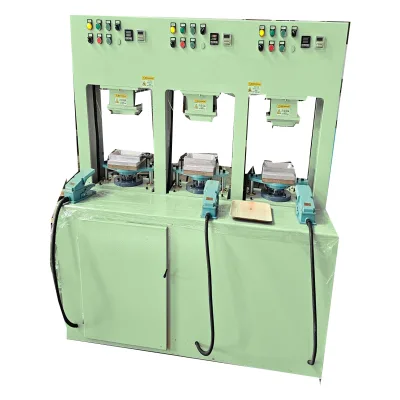
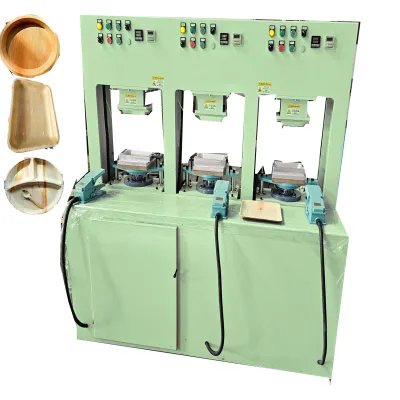
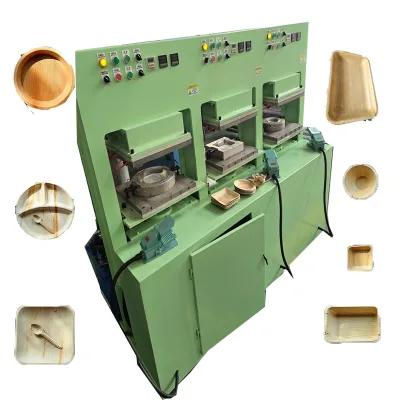
Advanced Vertical Injection Molding Machine for Efficient Leaf Production
$4900.00 - $6100.00
MOQ: 1 set


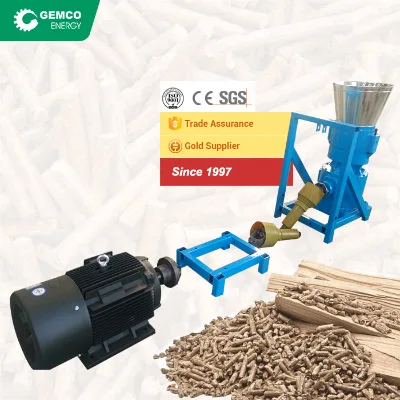




Stainless Steel Small Mini Moringa Leaf Leaves Powder Maker Electric Herb Grinder
$700.00 - $1500.00
MOQ: 10 Sets




Comprehensive Sourcing Guide
Strategic Sourcing Guide for Computerized Vertical and Horizontal Composite Leaf Makers
Understanding the Technical Landscape of Leaf Filter Systems
The procurement of computerized vertical and horizontal composite leaf makers requires a precise understanding of the distinct mechanical architectures available in the current market. These machines are not monolithic; they are categorized primarily by their filtration orientation and the specific nature of the leaf filter equipment they produce. The observed market data indicates a clear bifurcation between vertical and horizontal configurations, each serving unique industrial needs. Vertical filter systems, often designated as vertical leaf filters or oil leaf filters, are engineered for processes where gravity assists in the filtration of liquids, particularly in oil processing and chemical industries. These units typically feature a vertical structure that allows for efficient sludge discharge and compact footprint utilization.
In contrast, horizontal leaf filter systems offer a different operational dynamic, often preferred for high-volume filtration tasks where the leaf arrangement allows for broader surface area exposure to the feed stream. The terminology used in the industry often overlaps, with "Filter Leaf" and "Leaf Filter Equipment" serving as umbrella terms for the machinery and the consumable components alike. A critical observation from the available product specifications is the existence of specific model series that define the capacity and structural integrity of these machines. For instance, the NYB series, including models like NYB-30, and the NBY series, which spans models from 20 to 90, represent specific standard configurations. Similarly, the WYB series, ranging from WYB-5 to WYB-150, suggests a scalable approach to filtration capacity.
When evaluating a "composite" leaf maker, buyers must verify whether the machine integrates both vertical and horizontal capabilities or if the term refers to the manufacturing of composite leaf structures. The provided data highlights specific attributes such as "Vertical Filter" and "Horizontal Leaf Filter," suggesting that suppliers may offer distinct units for each orientation. The automation level is a significant differentiator in this category. Modern systems are described as "computerized" and "automatic," implying the integration of PLC (Programmable Logic Controller) systems that manage the filtration cycles, washing phases, and cake discharge processes with minimal human intervention. This automation is essential for maintaining consistent product quality and reducing operational downtime in continuous production environments.
Compliance, Certification, and Standard Verification
Navigating the regulatory landscape for industrial filtration machinery is a critical step in the procurement process. While the core keyword focuses on the mechanical capabilities of the leaf maker, the underlying compliance of the equipment ensures safety, reliability, and market acceptance. The supplied data points to specific certification standards that buyers should prioritize when evaluating potential suppliers. The presence of CE (Conformité Européenne) and ISO9001 certifications is a strong indicator of adherence to international safety and quality management standards. These certifications are not merely marketing labels; they represent a verified commitment to manufacturing processes that meet rigorous European safety requirements and global quality benchmarks.
Beyond general certifications, the technical standards associated with the specific models are paramount. The data references a standard series designated as NYB-5, 15, 20, 30, 50, and 90, alongside a more extensive NBY series that includes models up to 90. These numerical designations likely correlate with filtration area, pressure ratings, or specific capacity metrics. Buyers must verify that the machine they intend to purchase aligns with the specific standard required for their application. For example, a facility handling high-viscosity oils may require a machine adhering to the NYB-50 standard, whereas a smaller chemical processing unit might operate effectively with the NYB-20 specification.
It is also important to note that some equipment may be subject to additional regional standards or industry-specific regulations. The data mentions a "Smokeless or Not: No" attribute for certain units, which could imply that the manufacturing process or the filtration application does not involve combustion, or that the machine itself does not generate smoke during operation. This is a crucial detail for facilities with strict environmental or air quality controls. Furthermore, the origin of the machinery, such as Yangzhou or Dongguan, China, may influence the specific regulatory framework the equipment was designed to meet. Buyers should request documentation confirming that the machine's design and construction comply with the safety standards of their own jurisdiction, in addition to the CE or ISO marks provided by the supplier.
Cost Drivers and Pricing Structure Analysis
The pricing of computerized vertical and horizontal composite leaf makers is influenced by a complex array of factors, ranging from raw material costs to the level of automation and customization. The observed price range in the market spans from 130 to 33,000 USD, a vast disparity that reflects the diversity of the product portfolio. This range likely encompasses everything from small-scale, manual or semi-automatic units to large, fully computerized industrial systems with advanced control interfaces. The lower end of the spectrum may correspond to basic leaf filter components or smaller machines with limited capacity, while the upper end represents high-end, fully automated systems with significant filtration areas and complex control logic.
A primary cost driver is the level of customization available. The data explicitly states that "Customization: Available," indicating that buyers can tailor the machine to their specific process requirements. Customization can significantly impact the final price, as it involves additional engineering, material selection, and manufacturing time. Factors such as the choice of materials for the filter leaves, the type of clamping mechanism (hydraulic is noted in the data), and the specific configuration of the automation system will all contribute to the cost. Additionally, the packing requirements, such as "Standard Wooden" or "Exporting Standard Package," add to the overall expense, particularly for international shipments where robust packaging is essential to prevent damage during transit.
The Minimum Order Quantity (MOQ) is another critical factor in the cost structure. The observed MOQ range of 1 to 10 units suggests flexibility for buyers, allowing for the procurement of single units for pilot testing or small batches for immediate deployment. However, buyers should be aware that ordering at the lower end of the MOQ range may result in a higher unit price compared to bulk orders. The lead time, noted as 3-5 working days for certain items, also plays a role in the total cost of ownership. Faster delivery times often come at a premium, and buyers must balance the urgency of their project against the potential cost savings of a longer lead time.
Typical Applications and Operational Context
The versatility of computerized vertical and horizontal composite leaf makers makes them suitable for a wide range of industrial applications. The data highlights specific attributes such as "Oil Leaf Filter" and "Filter Industry," pointing to the primary sectors where these machines are deployed. In the oil and lubrication industry, these filters are essential for removing impurities, sludge, and particulate matter from lubricating oils, ensuring the longevity and efficiency of machinery. The vertical configuration is particularly advantageous in this sector, as it facilitates the separation of heavier sludge from the oil through gravity, simplifying the discharge process.
Beyond oil processing, these machines are widely used in the chemical, pharmaceutical, and food and beverage industries. In chemical processing, the ability to handle various viscosities and corrosive substances is critical. The "Wire Mesh Leaf Filter" attribute suggests that these machines can be equipped with specialized mesh configurations to handle fine particulates or specific chemical reactions. The "Smokeless" nature of certain units makes them suitable for applications where air quality is a concern, such as in food processing or pharmaceutical manufacturing, where contamination must be strictly controlled.
The automation and computerized features of these machines are particularly beneficial in high-volume production environments. The "Automatic" and "Computerized" attributes indicate that these systems can be integrated into larger production lines, allowing for seamless operation and real-time monitoring. This integration reduces the need for manual intervention, minimizes the risk of human error, and ensures consistent product quality. The specific model numbers, such as the YF Vertical carbonization furnace or the JY-200ST, suggest that these machines may also be part of a broader ecosystem of processing equipment, where they work in tandem with other units to achieve a complete manufacturing process.
Supplier Evaluation and Quality Assurance Protocols
Evaluating suppliers for computerized vertical and horizontal composite leaf makers requires a rigorous approach to ensure that the purchased equipment meets the required specifications and quality standards. The first step is to verify the supplier's credentials, including their certifications and adherence to international standards. The presence of CE and ISO9001 certifications is a strong starting point, but buyers should also request detailed documentation regarding the specific manufacturing processes and quality control measures employed by the supplier.
Quality assurance should extend beyond the initial purchase to include the entire lifecycle of the machine. Buyers should inquire about the warranty period, which is noted as 1 year for certain units in the data. This warranty should cover both parts and labor, ensuring that any defects or malfunctions are addressed promptly. Additionally, the supplier's track record in delivering similar equipment should be assessed. While specific supplier names cannot be recommended, buyers can look for evidence of successful installations in similar industries or request references from previous clients.
The technical support and after-sales service provided by the supplier are also critical factors. Given the complexity of computerized systems, buyers need assurance that the supplier can provide timely technical support, spare parts, and maintenance services. The "Customization" attribute implies that the supplier must have the engineering capability to tailor the machine to specific needs, which requires a high level of technical expertise. Buyers should evaluate the supplier's ability to provide training for their operational staff, ensuring that the machine is used correctly and efficiently from day one.
Long-Term Procurement and Maintenance Considerations
Procuring a computerized vertical or horizontal composite leaf maker is a long-term investment that requires careful consideration of maintenance and operational costs. The data indicates that these machines come with specific specifications, such as "Machine Weight," "Power (Kw)," and "Screw Diameter," which are essential for planning the installation and operation of the equipment. Buyers should ensure that their facility has the necessary infrastructure to support the power requirements and physical dimensions of the machine.
Maintenance is a key aspect of long-term procurement. The "Automatic" and "Computerized" features of these machines reduce the need for manual intervention, but they also introduce complexity that requires regular maintenance. Buyers should establish a maintenance schedule that includes routine inspections, calibration of sensors, and replacement of wear parts. The availability of spare parts is crucial, and buyers should verify that the supplier maintains a stock of critical components to minimize downtime.
The "Exporting Standard Package" and "Standard Wooden" packing mentioned in the data highlight the importance of proper handling and storage. Buyers should ensure that the machine is stored in a controlled environment to prevent corrosion or damage, especially if it is not installed immediately. The "Color: Can Be Customized" attribute suggests that the machine can be tailored to match the facility's aesthetic or safety color codes, which can be a useful feature for large industrial complexes.
In conclusion, sourcing computerized vertical and horizontal composite leaf makers requires a comprehensive understanding of the technical specifications, compliance requirements, and operational context. By carefully evaluating the available data and adhering to rigorous quality assurance protocols, buyers can make informed decisions that ensure the long-term success of their filtration operations. The flexibility in customization, combined with the availability of various model series and standards, allows buyers to select the ideal machine for their specific needs, ensuring optimal performance and efficiency in their industrial processes.
FAQs
What certifications do computerized vertical and horizontal composite leaf makers have?
These machines typically hold CE and ISO9001 certifications. The data confirms that specific models include Clamping Way: Hydraulic and meet international safety standards for industrial use.
Which model specifications are available for vertical leaf filters?
Available models include NYB-30, NBY-20 through 90, and WYB-5 through 150. These series define specific capacity and structural configurations for different filtration needs.
Can buyers customize the color and packing of these machines?
Yes, customization is available for color and packing. Options include Standard Wooden packing, Exporting Standard Package, and customized machine colors to meet specific buyer requirements.
How long is the delivery time for these filter machines?
The delivery time is typically 3 to 5 working days. This lead time applies to specific units like the JY-200ST model sourced from Dongguan, China.
What is the minimum order quantity for leaf filter equipment?
The minimum order quantity ranges from 1 to 10 units. This flexibility allows buyers to purchase single units for testing or small batches for immediate deployment.
Where are these computerized leaf makers manufactured?
Manufacturing origins include Yangzhou, Jining in Shandong, and Dongguan in China. These locations supply various models like the YF Vertical carbonization furnace and standard leaf filters.