Source Computerized Visual Insemination AI Gun for Cattle, Horses, Pigs
Compare 30 listings for the Computerized Visual Insemination AI Gun designed for cattle, horses, and veterinary clinics. Buyers can review specifications like screen size, material, and warranty periods to find suitable suppliers.
Key considerations
Products List
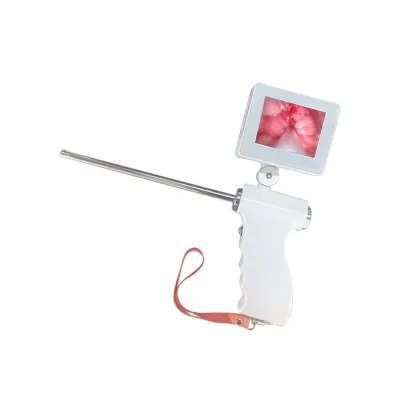

Cow Visual Digital Ai Artificial Insemination Gun for Veterinary Medical
$300.00 - $320.00
MOQ: 1 Pieces

Handheld Artificial Insemination Device Visual Ai Gun with Camera for Cattle
$123.81 - $130.00
MOQ: 20 Pieces


Veterinary Ai Artificial Equipment Goat Visual Insemination Gun for Cattle
$157.94 - $165.83
MOQ: 20 Pieces


Digital Visual Artificial Insemination Gun for Precision Breeding Techniques
$130.00 - $500.00
MOQ: 1 Pieces

Advanced Digital Visual Artificial Insemination Gun for Livestock Management
$130.00 - $300.00
MOQ: 1 Pieces


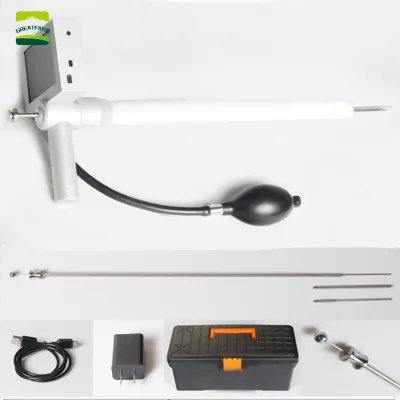

Advanced Sheep Breeding Equipment: Visual Insemination Ai Gun with Display Screen
$315.00 - $360.00
MOQ: 1 Pieces

Sheep & Goat Visual Insemination Ai Gun with HD Camera - Boost Breeding Success
$315.00 - $360.00
MOQ: 1 Pieces


Animal Breeding Kit - Visual Ai Gun for Cattle Sheep Goat Artificial Insemination
$180.00 - $260.00
MOQ: 1 Pieces


Veterinary Equipment Artificial Insemination Device Animal Artificial Ai Gun
$288.00 - $399.00
MOQ: 1 Pieces
Comprehensive Sourcing Guide
Strategic Sourcing Guide for Computerized Visual Insemination AI Guns
The global demand for advanced veterinary reproductive technologies has elevated the Computerized Visual Insemination AI Gun from a niche tool to a critical asset in modern livestock management. For procurement officers and veterinary supply managers, sourcing these devices requires a nuanced understanding of technical integration, regulatory compliance, and long-term operational reliability. The market offers a diverse array of models, ranging from basic manual instruments to sophisticated units featuring digital displays and integrated power systems. This guide provides a disciplined framework for evaluating suppliers and selecting equipment that aligns with specific operational needs, ensuring that procurement decisions are grounded in verified product attributes rather than unverified marketing claims.
Technical Specifications and Functional Capabilities
When evaluating computerized visual insemination AI guns, the primary focus must be on the integration of visual aids with the mechanical delivery system. The core functionality of these devices often centers on the ability to visualize the reproductive tract, thereby increasing the precision of semen deposition. In the current market, specifications vary significantly between models. Some units are designed with a dedicated screen size, such as a 3.5-inch display, which facilitates real-time visualization during the procedure. Others may feature larger display dimensions, such as 377mm by 247mm, intended for more complex setups or specific veterinary hospital environments.
The physical construction of the gun is equally critical. The handle width is a key ergonomic factor, with observed specifications indicating a width of 85 mm, which is designed to provide a secure grip for veterinary professionals during extended procedures. The leading end of the device, which inserts into the animal, often has a specific length; for instance, certain models feature a leading end of 350mm. The material composition is typically a combination of stainless steel and plastic, balancing durability with the need for lightweight handling. The plastic components often house the electronic circuitry, while the stainless steel ensures the instrument can withstand rigorous sterilization processes.
Power requirements also differ across the product spectrum. Many modern computerized units operate on a universal AC input range of 100-240 V, ensuring compatibility with power grids in various regions without the need for voltage converters. This feature is essential for suppliers exporting to international markets. Additionally, the continuous working time is a vital specification for high-volume clinics. Some observed models support a continuous working time of 2 hours, allowing for extended breeding sessions without interruption. The rope diameter, which may refer to the catheter or guide wire thickness, is another variable, with some specifications noting a diameter of 10mm or 350mm depending on the specific model designation.
Compliance, Sterilization, and Regulatory Standards
Navigating the regulatory landscape for veterinary surgical supplies is a complex task that requires strict adherence to safety and hygiene standards. A critical aspect of compliance is the sterilization method employed by the manufacturer. Buyers must verify whether the product has undergone Ethylene Oxide Sterilization. In the observed market data, certain products are explicitly listed as "Without Ethylene Oxide Sterilization," which necessitates a clear understanding of the post-purchase sterilization protocol required by the end-user. This distinction is vital for facilities that must maintain specific infection control protocols.
The classification of the product also dictates the regulatory pathway. These devices are frequently categorized under "Surgical Supplies Materials" or "Midwifery Instrument" types. This classification implies that the product must meet specific quality management system standards, such as ISO 13485, although specific certification claims should be verified directly with the supplier rather than assumed. The "Type" attribute often aligns with the intended application, such as "Veterinary Hospital, Pet Clinic, Vet Health," which suggests the device is designed for professional clinical use rather than amateur or home application.
Furthermore, the product's origin plays a role in compliance. Many of the observed units originate from Guangdong, China, or China (Mainland). While this location is a major manufacturing hub, it requires buyers to conduct thorough due diligence regarding the supplier's export compliance and adherence to the import regulations of the destination country. The "Quality Guarantee Period" is another compliance-related metric, with observed ranges including one year or two years. This warranty period serves as an indicator of the manufacturer's confidence in the product's durability and adherence to quality standards.
Cost Drivers and Pricing Dynamics
The pricing of computerized visual insemination AI guns is influenced by a complex interplay of factors, including technological sophistication, material costs, and customization options. The observed price range in the market is substantial, spanning from 2.8 USD to 625 USD. This wide disparity reflects the difference between basic manual instruments and fully computerized units with advanced digital interfaces. The lower end of the spectrum likely corresponds to simpler models or accessories, while the higher end encompasses units with integrated screens, power supplies, and enhanced ergonomic designs.
Material costs are a significant driver of price. The use of high-grade stainless steel and specialized plastics increases the manufacturing cost but ensures longevity and resistance to corrosion. Customization is another key factor; suppliers offering logo printing and tailored specifications often command a premium. The "Customization: Available" attribute indicates that buyers can request specific branding or modifications, which adds value but also increases the unit cost.
The Minimum Order Quantity (MOQ) also impacts the effective cost per unit. Observed MOQs range from 1 piece to 500 sets. For small veterinary clinics or research facilities, the ability to purchase a single unit (MOQ 1 PCS) is crucial, even if the per-unit price is higher. Conversely, large breeding farms or distributors can leverage bulk purchasing to reduce costs, provided they can meet the higher MOQ thresholds. The "Selling Units" attribute, often listed as "Single item," suggests that the pricing is typically per unit, but bulk discounts may be negotiated based on the total order volume.
Typical Applications and Operational Context
The application of computerized visual insemination AI guns extends across various sectors of the animal husbandry industry. The primary use cases include cattle breeding, equine reproduction, and general veterinary practice. The "Application" attribute explicitly lists "Cattle, Animals, Horses, Artificial Insemination," highlighting the versatility of these devices. In cattle operations, the precision offered by visual guidance can significantly improve pregnancy rates, a feature often highlighted in product descriptions as "high pregnancy rate."
The operational context also dictates the choice of equipment. Veterinary hospitals and pet clinics require devices that are easy to clean, durable, and capable of handling a variety of species. The "Suit" attribute, which includes "Veterinary Hospital, Pet Clinic, Vet Health," confirms that these devices are designed for professional clinical environments. The "Dosage Form" attribute, listed as "Injection," indicates that these guns are often used in conjunction with syringes or catheters to deliver semen precisely.
For large-scale breeding operations, the continuous working time and power supply stability are paramount. A device with a 2-hour continuous working time ensures that a veterinarian can service multiple animals without frequent recharging or interruptions. The "Language" attribute, typically English, is essential for international operations where the user interface must be understandable to the veterinary staff. The "Product Name" variations, such as "Portable Canine insemination gun" or "Ai Artificial Insemination Gun," suggest that while the core technology is similar, specific models may be optimized for different species or portability needs.
Supplier Evaluation and Quality Assurance
Selecting a reliable supplier is the cornerstone of a successful procurement strategy. Buyers should prioritize suppliers who provide transparent information about their manufacturing processes and quality control measures. The "Brand Name" attribute, such as "INNOCOM," can serve as a starting point for research, but it should not be the sole criterion for selection. Instead, buyers should verify the supplier's track record, production capacity, and ability to meet delivery timelines.
Quality assurance should be a continuous process, not just a one-time check. The "Quality Guarantee Period" of one or two years is a strong indicator of a supplier's commitment to product reliability. However, buyers should also inquire about the specific terms of the warranty, including what components are covered and the process for claims. The "Package" attribute, typically "carton," and the "Single gross weight" of 3.0 kg provide insights into the shipping and handling requirements, which can affect logistics costs and product safety during transit.
Customization capabilities are another important factor in supplier evaluation. Suppliers that offer "Logo Printing" and "Customization" demonstrate flexibility and a willingness to partner with buyers to meet specific branding or functional needs. This level of service can be particularly valuable for large organizations that require standardized equipment across multiple facilities. Buyers should also verify the "Single package size," which is observed as 80X50X26 cm for some models, to ensure that the packaging is suitable for storage and transport.
Long-Term Procurement and Lifecycle Management
Sourcing computerized visual insemination AI guns is not merely a transactional activity but a strategic decision that impacts long-term operational efficiency. Buyers should consider the lifecycle of the device, including maintenance, repair, and eventual replacement. The "Material" composition, specifically the combination of stainless steel and plastic, suggests that the device is designed for durability, but the electronic components may have a shorter lifespan and require specialized maintenance.
The "Model Number" variations, such as INC-G01, SL-Cl-01o, KD778-B, and Umvig001, indicate that there are multiple generations and versions of these devices in the market. Buyers should plan for compatibility and standardization across their fleet of equipment. Choosing a model with a widespread user base can facilitate easier access to spare parts and technical support. The "Specification" details, such as the "Screen Size" and "Rope Diameter," should be consistent across the procurement to ensure uniform training and usage protocols.
Finally, buyers should monitor market trends and technological advancements. As the field of veterinary reproductive technology evolves, new features and capabilities may emerge. Maintaining a relationship with a supplier who is committed to innovation can provide access to the latest developments and ensure that the procurement strategy remains competitive. The "Feature" of "high pregnancy rate" should be viewed as a performance goal rather than a guaranteed outcome, and buyers should rely on clinical data and user feedback to validate such claims over time.
Conclusion
The procurement of computerized visual insemination AI guns requires a comprehensive approach that balances technical specifications, regulatory compliance, cost considerations, and long-term operational needs. By carefully evaluating the attributes of available products and maintaining a rigorous supplier selection process, buyers can secure equipment that enhances reproductive success and operational efficiency. The diversity of models, from basic manual guns to advanced computerized units, offers solutions for a wide range of veterinary applications. However, the key to success lies in a disciplined, evidence-based approach that prioritizes verified facts over unverified claims, ensuring that every procurement decision contributes to the overall quality and reliability of veterinary care.
FAQs
What is the typical price range for these devices?
The observed price range spans from 2.8 to 625 USD depending on the model. Basic manual instruments are at the lower end, while computerized units with digital displays and power systems command higher prices.
Which specifications define the handle and leading end?
The handle width is typically 85 mm for a secure grip, and the leading end can be 350 mm for insertion. These dimensions ensure ergonomic handling and precise semen deposition during veterinary procedures.
Can these guns operate on international power grids?
Yes, many models support a universal AC input of 100-240 V. This feature ensures compatibility with various regional power grids without requiring voltage converters for international veterinary operations.
What is the minimum order quantity for purchasing units?
The minimum order quantity ranges from 1 piece to 500 sets depending on the supplier. Small clinics can often purchase single items, while large farms may leverage bulk thresholds for cost efficiency.
How long is the quality guarantee period for these instruments?
The quality guarantee period is typically one or two years depending on the specific model. This warranty indicates the manufacturer's confidence in the product's durability and adherence to quality standards.
Are these devices suitable for cattle and equine breeding?
Yes, the application explicitly includes cattle, animals, and horses for artificial insemination. The precision offered by visual guidance helps improve pregnancy rates in these specific livestock sectors.
What materials are used in the construction of the gun?
The construction typically combines stainless steel and plastic to balance durability and weight. Stainless steel ensures resistance to sterilization processes, while plastic components often house the electronic circuitry.