Source Concentrated Italian Tomato Sauce for Pizzerias, Sauces, and Catering
Find 23 listings for Concentrated Italian Tomato Sauce with Brix levels from 12-14% to 38%. Compare packaging options like tins, glass jars, and drums from Chinese manufacturers. Review HACCP and FDA certified suppliers for bulk sourcing needs; compare the available evidence and request quotations based on your requirements.
Key considerations
Products List




Comprehensive Sourcing Guide
Concentrated Italian Tomato Sauce Sourcing Guide
Procuring Concentrated Italian Tomato Sauce requires distinguishing between fresh vegetable pastes and processed concentrates, as the market offers distinct product forms ranging from standard pastes to high-Brix concentrates. Buyers must verify whether the listing refers to a fresh vegetable product or a sterilized, concentrated form, as the processing method dictates the final application and shelf stability. The observed data indicates a mix of forms including paste, concentrate, and various packaging types like tins, glass jars, and drums, necessitating a clear definition of the required Brix level before engaging suppliers.
Sourcing decisions should prioritize the specific Brix concentration, which typically ranges from 28% to 38% in the observed listings, directly impacting the sauce's viscosity and suitability for industrial versus retail use. A 36-38% Brix product is often preferred for concentrated applications, while lower ranges like 12-14% or 28-30% may serve different culinary needs. Buyers must confirm the exact concentration and processing type, such as hot break or concentrate, to ensure the product aligns with their specific formulation requirements and quality expectations.
Product Scope and Observed Listing Signals
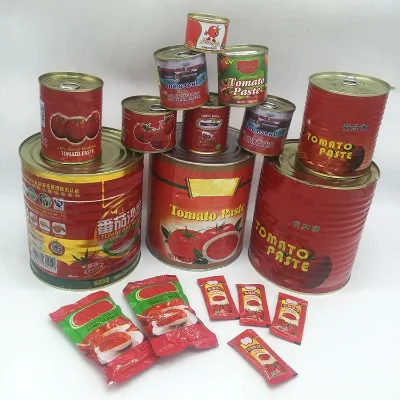
The product scope for concentrated tomato sauce encompasses a wide variety of packaging formats, including cans, glass jars, drums, tins, and sachets, which must be selected based on the intended distribution channel. Listings frequently specify packaging materials such as metal, plastic, or glass, with options ranging from small retail units like 70g tins to bulk industrial containers like 220L drums. Procurement teams must evaluate these packaging signals to determine the most cost-effective and logistically viable option for their specific supply chain needs.
Observations reveal that product models and specifications vary significantly, with some listings indicating specific models like "kunyu" or "DB-K006" alongside generic descriptions like "tomato sauce." Buyers should scrutinize these identifiers to ensure they are sourcing the correct product variant, as the model number often correlates with specific processing methods or Brix levels. Additionally, the presence of different packing configurations, such as 250g sachets or 340g units, requires careful verification to match the exact quantity and format required for the purchase order.
Technical Specifications to Verify
Technical verification must begin with the Brix level, which is a critical indicator of concentration and flavor intensity in tomato products. The observed data highlights specific ranges such as 36/38%, 28/30%, and 12-14%, and buyers must confirm that the supplier's product matches the required concentration for their application. Misalignment in Brix levels can lead to formulation issues, affecting the final taste and texture of the sauce, making precise specification verification a non-negotiable step in the sourcing process.
Processing methods and physical form are equally critical technical parameters that define the product's quality and shelf life. Listings indicate processing techniques like "Hot Break" and "Concentrate," which influence the enzyme activity and color retention of the final sauce. Buyers should verify whether the product is sterilized and confirm the specific form, whether it is a paste, concentrate, or sauce, to ensure it meets the technical requirements for their manufacturing or culinary processes.
Compliance and Safety Documentation
Compliance documentation is essential for importing concentrated tomato sauce, with certifications like HACCP, FDA, BRC, and ISO frequently appearing in supplier listings. These certifications indicate that the supplier adheres to international food safety management systems and quality standards, which is crucial for maintaining regulatory compliance in target markets. Buyers must request valid certificates for each production batch to ensure that the product meets the safety requirements of the importing country and protects the brand from potential liability.
In addition to general certifications, specific product standards and origin details must be verified to ensure traceability and authenticity. The observed data lists origins such as China, Xinjiang, and Gansu, and buyers should confirm that the product origin aligns with their sourcing strategy and any trade agreements in place. Verifying the standard specifications, such as 70g, 140g, or 2200g, ensures that the product meets the defined quality benchmarks and that the supplier can consistently deliver goods that comply with these established standards.
Cost Drivers and Commercial Terms
Cost drivers for concentrated tomato sauce are heavily influenced by the Brix level, packaging type, and order volume, with observed MOQs ranging from 1 to 3600 units. Higher Brix concentrations and specialized packaging like glass jars or drums often command different price points compared to standard tins or bulk sacks. Buyers must analyze the total landed cost, including the impact of packaging materials and the volume discounts available, to determine the most economical procurement strategy for their specific needs.
Commercial terms such as lead times and payment conditions are critical factors that affect the overall procurement timeline and cash flow. While specific lead times are not universally defined in the provided data, the variety of packaging and processing methods suggests that production schedules may vary significantly between suppliers. Buyers should negotiate clear terms regarding delivery schedules and payment milestones to mitigate risks associated with supply chain disruptions and ensure a smooth transaction process.
Supplier Qualification and Quality Control
Supplier qualification requires a thorough assessment of their production capabilities, specifically their ability to maintain consistent Brix levels and processing standards. The observed data indicates that suppliers offer various processing methods like "Hot Break" and "Concentrate," and buyers must verify that the supplier has the technical expertise to execute these processes consistently. A robust quality control system is essential to ensure that every batch meets the specified Brix range and processing requirements, preventing variability in the final product.
Quality control protocols should also include regular testing of the product's physical and chemical properties, such as acidity and color stability. Buyers should request sample testing results and audit reports to confirm that the supplier's quality control measures are effective and aligned with international standards. Establishing a clear communication channel for quality feedback and ensuring that the supplier can quickly address any deviations in product specifications is vital for maintaining a reliable supply chain.
Long-Term Procurement Checks
Long-term procurement success depends on establishing a partnership with suppliers who can consistently meet evolving market demands and quality standards. Buyers should conduct periodic reviews of supplier performance, focusing on their ability to maintain certification status and adhere to agreed-upon specifications over time. Regular audits and performance evaluations help identify potential issues early and ensure that the supplier remains a reliable partner for future sourcing needs.
Sustainability and adaptability are also key considerations for long-term procurement strategies, as the market for concentrated tomato sauce continues to evolve. Buyers should assess the supplier's capacity to innovate and adapt to new packaging trends or regulatory changes, ensuring that the supply chain remains resilient. By fostering a collaborative relationship with suppliers and maintaining open lines of communication, buyers can secure a stable supply of high-quality concentrated tomato sauce for the long term.
FAQs
What certifications are available for concentrated tomato sauce?
Certifications include HACCP, FDA, ISO, and BRC. These standards ensure the product meets international safety and quality requirements for export. Buyers can verify specific documentation from suppliers to confirm compliance with their regional regulatory needs before placing orders.
What packaging formats are offered for this product?
Packaging options include cans, glass jars, tins, drums, and sachets. Specific configurations range from 70g tins to 220L drums. Custom packaging such as inner plastic bottles within cartons is also available to suit different distribution and retail requirements.
What is the typical Brix level for this concentrate?
The Brix levels vary by product model, typically ranging from 12-14% to 36-38%. Specific models offer 28-30% or 30-32% concentrations. These variations allow buyers to select the exact sweetness and density required for their specific culinary applications.
Can the product be customized for specific needs?
Yes, customization is available for various product attributes. Buyers can request specific packaging sizes, such as 250g sachets or 340g cartons. Customization extends to processing methods like hot break or concentrate forms to match precise technical specifications.
Where is the product origin and how is it stored?
The product originates from China, specifically Xinjiang and Gansu regions. It is stored under normal conditions. The processing involves sterilization and concentration, ensuring stability and shelf-life without requiring specialized cold storage during standard transportation and warehousing.
What are the standard weight specifications for retail packs?
Standard retail weights include 70g, 140g, 200g, 375g, 400g, 700g, 800g, and 1000g. Bulk options are also available in larger formats. These specifications cater to both individual consumer purchases and larger commercial food service requirements.