Source Concrete Mineral Block Making Machine for Blocks, Pavers, and Walls
Compare 30 concrete mineral block making machines from verified Chinese suppliers. Options include hydraulic and hydroforming models with varying capacities, certifications, and customization features for diverse construction needs. These machines support hollow blocks, solid bricks, and paving bricks using cement, sand, and fly ash materials.
Updated
Key considerations
Products List


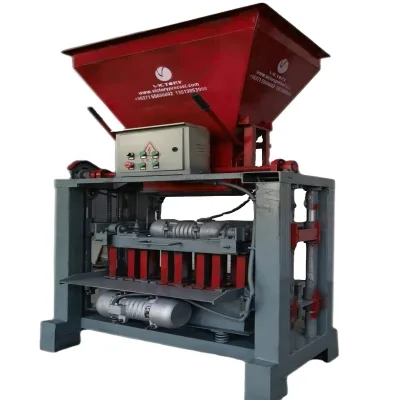
Auto Block Making Machine Building Material Concrete Block Making Machine
$4400.00 - $4500.00
MOQ: 1 Pieces


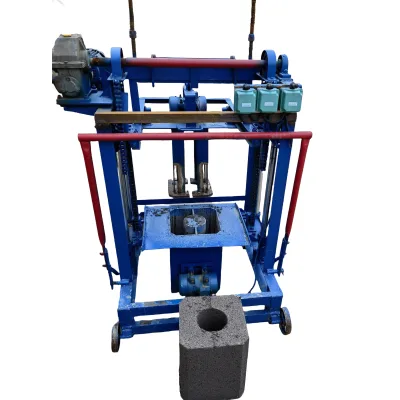


Concrete Block Machine\Automatic Block Making Machine\Brick Machine\Block Machine
$5600.00 - $46000.00
MOQ: 1 Pieces


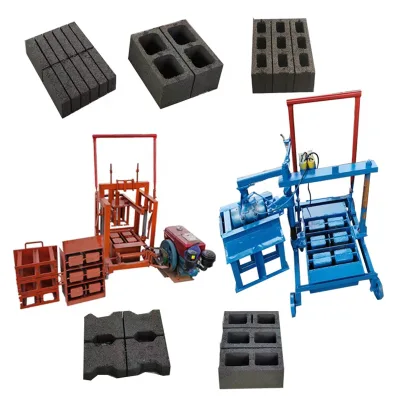
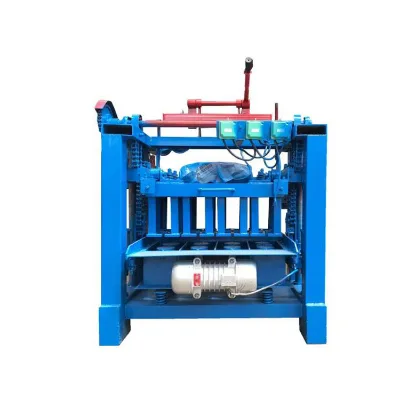
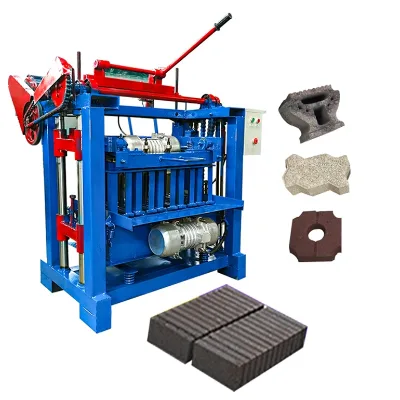
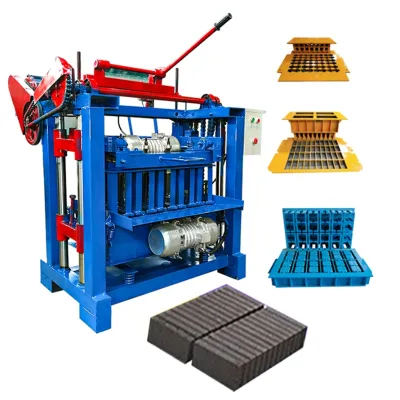
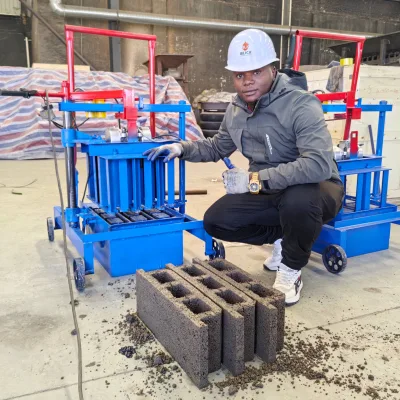
China Common Blocks and Bricks Making Machine Rocks Blocks Making Machine
$3400.00 - $3600.00
MOQ: 1 sets
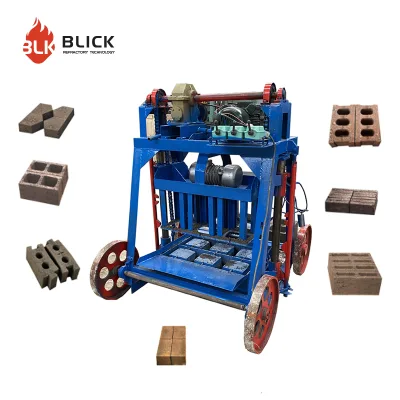
Comprehensive Sourcing Guide
Concrete Mineral Block Making Machine Sourcing Guide
Procuring a Concrete Mineral Block Making Machine requires a clear understanding of the specific production capabilities and operational parameters that define industrial-grade equipment. Buyers must first determine whether their project demands high-volume output for large-scale infrastructure or flexible, smaller-scale production for local building material shops. The market offers a variety of models, ranging from semiautomatic units to fully automatic hydraulic systems, each with distinct advantages regarding speed, labor requirements, and initial capital investment. Understanding these distinctions is critical for aligning machinery selection with long-term business goals and production targets.
The sourcing process also involves evaluating the versatility of the equipment in producing different brick styles, such as hollow blocks, solid bricks, and paving bricks. This versatility is often determined by the machine’s vibration form, pressure settings, and mold configurations. Buyers should prioritize machines that offer customization options, allowing for adjustments in pallet size and output capacity to meet specific regional standards or customer preferences. Additionally, considering the raw materials compatible with the machine, such as cement, sand, fly ash, and broken stones, ensures that the selected equipment can utilize locally available resources efficiently, reducing overall production costs.
Product Scope and Observed Listing Signals
Current market listings indicate a wide price range, observed between $379 and $400,000 USD, reflecting the diversity in machine complexity and capacity. The minimum order quantity (MOQ) is consistently listed as one unit, suggesting that suppliers are accustomed to handling individual procurement orders rather than bulk wholesale transactions. This structure allows buyers to start with a single unit for pilot testing or small-scale operations before scaling up. The significant variance in pricing often correlates with the level of automation, the power of the motors, and the inclusion of additional components like mixers or conveyors, which can substantially increase the total cost of ownership.
Listing signals also reveal important details about packaging and origin, with most machines originating from China, particularly regions like Guangxi. Packaging options vary from naked packing to stretch film or containerized shipping, which impacts logistics planning and import duties. Buyers should note that some listings specify "naked packing" or "stretch film," which may require additional protective measures during transit to prevent damage to sensitive hydraulic or electrical components. Understanding these logistical details early in the sourcing process helps in calculating the total landed cost and ensuring that the equipment arrives in optimal condition for immediate installation and commissioning.
Technical Specifications to Verify
When evaluating technical specifications, buyers must closely examine the automatic grade, which ranges from semiautomatic to fully automatic systems. Fully automatic models, such as the QT12-15F or QT8-15D, typically feature higher production capacities and integrated PLC controls, reducing manual labor requirements. Key performance indicators include the cycle molding time, which can be as fast as 15-20 seconds per block, and the rated pressure, often set at 21 MPa for robust compaction. Verifying these parameters ensures that the machine can meet the required output volume and density standards for the intended application, whether for structural blocks or decorative paving.
Dimensional specifications and power requirements are equally critical for facility planning and utility integration. Machines like the QTJ4-35 block machine have specific dimensions, such as 155017501900mm, and weight considerations, such as 1100 Kg, which affect floor loading and space allocation. Buyers should also verify the motor power, which can range from 37kw to 53kw, and the exciting force, which may reach 695kn for effective vibration compaction. Additionally, checking the pallet size compatibility, such as 1420X900mm or 1020X900mm, ensures that the machine aligns with existing pallet inventory or production workflows, preventing bottlenecks in the material handling process.
Compliance and Safety Documentation
Compliance with international standards is a primary concern for buyers, with ISO and CE certifications frequently cited in product listings. These certifications indicate that the machine meets specific safety, quality, and environmental standards, which is crucial for importing equipment into regulated markets. Buyers should request valid certification documents to verify that the manufacturer has undergone rigorous testing and quality assurance processes. Ensuring that the equipment carries these marks not only facilitates customs clearance but also provides assurance regarding the machine’s structural integrity and operational safety, reducing the risk of accidents or regulatory penalties.
Safety documentation should also include detailed operational manuals and maintenance guidelines that outline proper usage procedures and emergency protocols. Buyers must verify that the machine’s core components, such as the PLC, pressure vessel, and motor, are sourced from reputable suppliers and come with their own warranties and compliance certificates. Additionally, checking for clear labeling of electrical connections and hydraulic systems helps in ensuring that local technicians can safely install and maintain the equipment. Proper documentation reduces the likelihood of operational errors and extends the lifespan of the machine by promoting correct usage and timely maintenance.
Cost Drivers and Commercial Terms
Several factors influence the total cost of a Concrete Mineral Block Making Machine, including the level of automation, power consumption, and included accessories. Fully automatic systems with advanced PLC controls and higher motor power typically command higher prices but offer greater efficiency and lower labor costs over time. Buyers should also consider the cost of additional components, such as the Js750twin-Shaft Concrete Mixer, which may be sold separately or as part of a complete production line. Understanding these cost drivers helps in creating a realistic budget and comparing the total cost of ownership across different suppliers and models.
Commercial terms, such as after-sales service and warranty coverage, play a significant role in the overall value proposition. Many suppliers offer engineers available to service machinery overseas, which is a valuable asset for international buyers who may lack local technical expertise. Buyers should clarify the terms of this service, including travel expenses, accommodation, and the duration of the service period. Additionally, verifying the warranty period for core components and the availability of spare parts ensures that any potential downtime can be minimized. Clear commercial terms protect the buyer’s investment and provide peace of mind regarding long-term operational support.
Supplier Qualification and Quality Control
Supplier qualification is essential to ensure that the purchased machine meets the expected quality and performance standards. Buyers should verify the supplier’s production capacity, quality control processes, and track record in the industry. Checking for certifications such as ISO and CE provides initial assurance of the supplier’s commitment to quality and safety. Additionally, reviewing customer testimonials and case studies can offer insights into the supplier’s reliability and the performance of their machines in real-world applications. A qualified supplier will also provide transparent communication and responsive support throughout the procurement process.
Quality control measures should extend to the manufacturing and testing phases of the machine. Buyers should request detailed inspection reports and test results for key components, such as the hydraulic system and vibration mechanism. Verifying that the machine undergoes rigorous testing before shipment helps in identifying and rectifying any potential defects early. Additionally, checking the supplier’s policy on pre-shipment inspections and third-party verification services can provide an extra layer of assurance. Ensuring that the machine is built to last and performs reliably reduces the risk of costly repairs and production delays in the future.
Long-Term Procurement Checks
Long-term procurement success depends on establishing a strong relationship with the supplier for ongoing support and maintenance. Buyers should verify the availability of spare parts and the supplier’s ability to provide timely replacements for worn components. Checking the supplier’s inventory of common spare parts, such as seals, filters, and electrical components, ensures that maintenance can be performed without significant delays. Additionally, verifying the supplier’s technical support channels, including phone, email, and online resources, helps in resolving any operational issues quickly and efficiently.
Regular performance monitoring and maintenance planning are also crucial for maximizing the lifespan of the Concrete Mineral Block Making Machine. Buyers should develop a preventive maintenance schedule based on the manufacturer’s recommendations and the machine’s operating conditions. Tracking key performance indicators, such as production output, energy consumption, and maintenance frequency, helps in identifying potential issues before they become major problems. By proactively managing the machine’s health and maintaining a strong supplier relationship, buyers can ensure consistent production quality and minimize operational disruptions over the long term.
FAQs
What certifications do concrete mineral block making machines have?
These machines typically hold ISO and CE certifications to ensure compliance with international safety and quality standards. The ISO certification verifies that manufacturing processes meet rigorous quality management requirements, while the CE mark indicates conformity with health, safety, and environmental protection standards for products sold within the European Economic Area. Buyers should verify specific documentation for each model.
What raw materials can these machines process?
The equipment is designed to process a variety of raw materials including cement, sand, broken stones, and fly ash. This versatility allows manufacturers to produce different types of blocks using locally available resources. The hydraulic and vibration systems are calibrated to handle these diverse material compositions effectively, ensuring consistent block density and structural integrity during the production cycle.
What is the typical cycle time for molding blocks?
The standard cycle molding time ranges from 15 to 20 seconds per block. This rapid cycle time supports high production efficiency, allowing for significant output within an eight-hour shift. The quick cycle is achieved through optimized hydraulic pressure and platform vibration settings, which ensure proper compaction and shaping of the concrete mixture without compromising the quality of the final product.
Can these machines be customized for specific needs?
Yes, customization is available for many of these block making machines. Buyers can often specify particular brick styles such as hollow blocks, solid bricks, or paving bricks. Additionally, modifications may be available for pallet sizes and overall dimensions to fit specific factory layouts or production requirements. It is advisable to consult with the manufacturer to confirm the extent of available customization options.
What after-sales service is provided for these machines?
Engineers are available to service machinery overseas, providing direct technical support for installation and maintenance. This service ensures that buyers receive hands-on assistance for operational setup and troubleshooting. The availability of overseas engineers helps minimize downtime and ensures that the production line runs smoothly, addressing any mechanical or operational issues promptly with expert guidance.
What is the rated pressure for the hydraulic system?
The rated pressure for the hydraulic system is typically 21 MPa. This pressure level is sufficient to compact the concrete mixture effectively, ensuring dense and durable blocks. The hydraulic system works in conjunction with the vibration mechanism to achieve optimal block quality. Maintaining this pressure is crucial for consistent production results and the longevity of the machine's hydraulic components.