Source Automatic Marble Ceramic Tile Cutter for Stone, Construction, and Industry
Find 30 Automatic Marble Ceramic Tile Cutter options for stone, construction, and industry applications. Compare models like A4-100 and HX-TC120 with varying speeds and power ratings to find the right machine for your needs; compare the available evidence and request quotations based on your requirements.
Updated
Key considerations
Products List


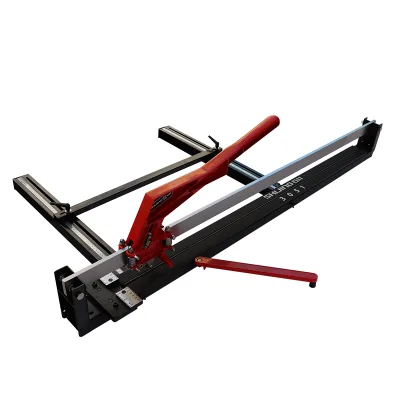
Manual Portable Ceramic Cutting Floor Porcelain Machine Marble Tile Cutter
$15.00 - $35.00
MOQ: 100 Pieces

Hand Tools Cutting Marble Machine Machinery Wall Porcelain Ceramic Tile Cutter
$15.00 - $35.00
MOQ: 100 Pieces

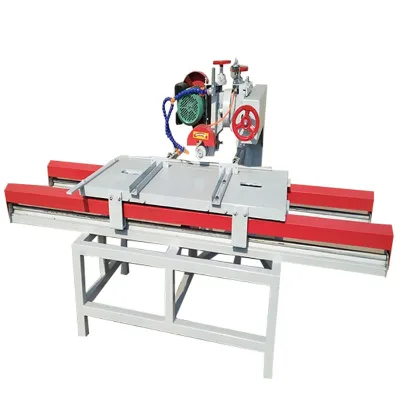
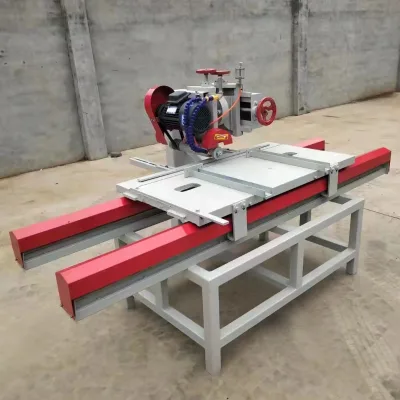
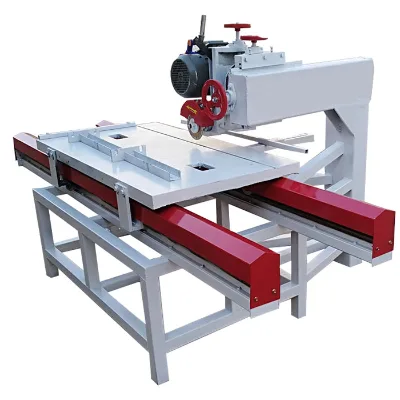


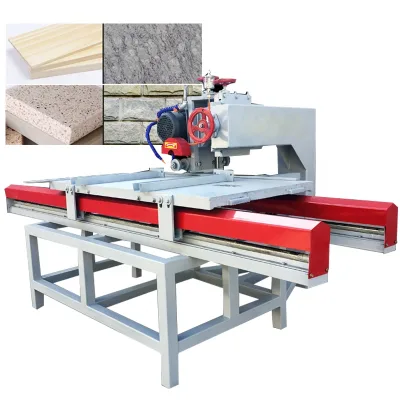
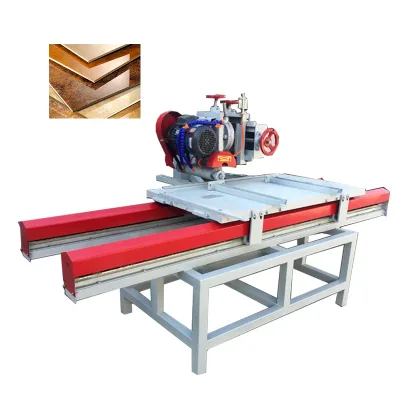
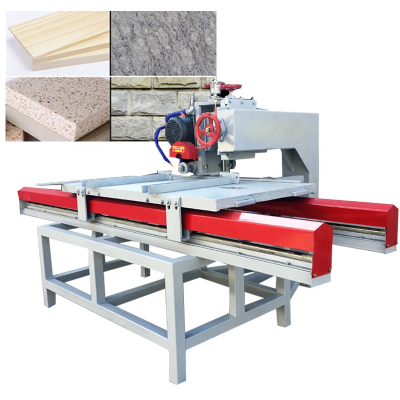
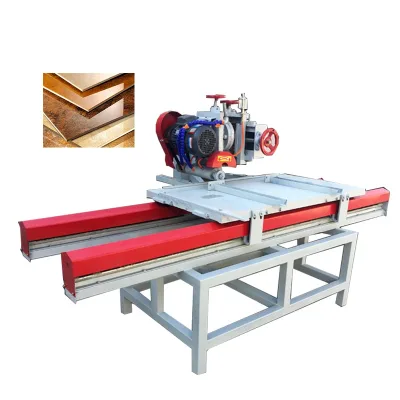
Haineng Stone Machinery Marble Granite Tile Cutter Ceramic Tile Cutting Machine
$1050.00 - $1150.00
MOQ: 1 Pieces

Excellent Quality Marble Tile Cutter Electric Marble Stone Ceramic Tile Cutting Machine
$1050.00 - $1150.00
MOQ: 1 Pieces

Multifunctional Stone Tile Cutter CE Granite Marble Cutter Stone Cutting Machine
$1050.00 - $1150.00
MOQ: 1 Pieces




Comprehensive Sourcing Guide
Automatic Marble Ceramic Tile Cutter Sourcing Guide
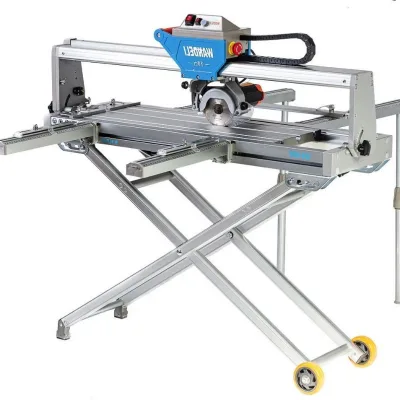
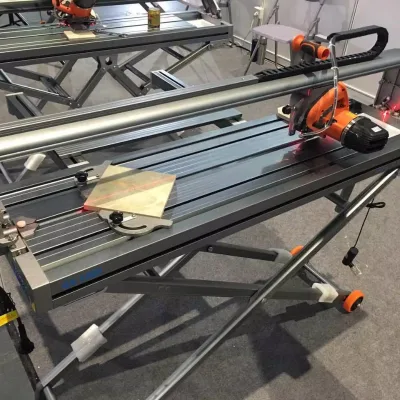
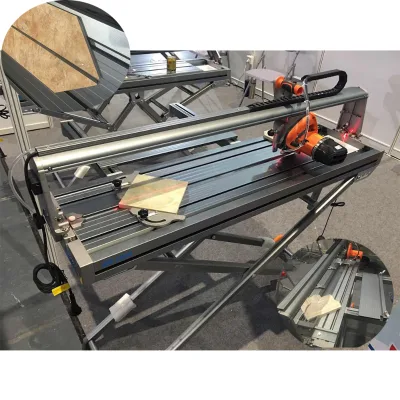
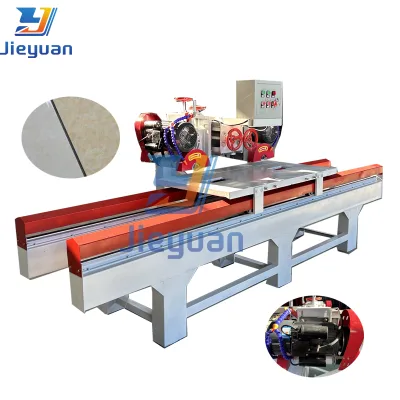
Procuring an Automatic Marble Ceramic Tile Cutter requires a careful balance between mechanical precision and operational efficiency. Buyers must distinguish between manual and automated variants, as the supplied data indicates a market split where some units operate via CNC control while others rely on manual adjustments. Understanding this distinction is critical for aligning machinery capabilities with production volume and labor constraints. The core keyword highlights a specific segment of stone processing equipment designed for high-precision cutting tasks in industrial settings.
The decision to invest in automatic systems often hinges on the desired throughput and the complexity of the cuts required. While manual options offer simplicity and lower initial costs, automatic models provide consistent quality and reduced operator fatigue. This guide focuses on the technical and commercial factors that influence the selection of these machines, ensuring that procurement teams can make informed decisions based on verified specifications rather than marketing claims. The goal is to secure equipment that meets specific material processing needs while maintaining long-term reliability.
Product Scope and Observed Listing Signals
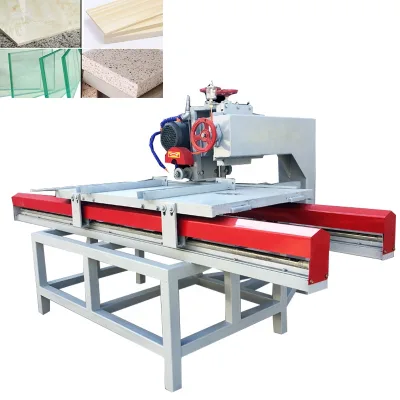
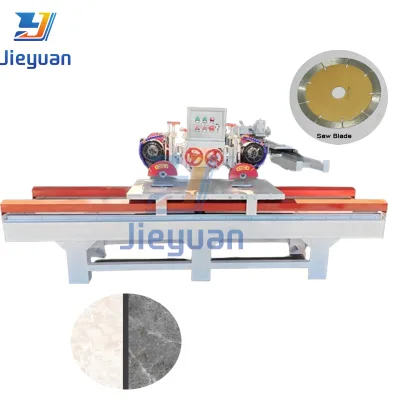
The observed product landscape reveals a diverse range of models, including designations such as A4-100, T-600, F8, A-72, A1-72, TC1000, HX-TC120, and HX. These identifiers suggest a broad portfolio catering to different processing capacities and material types. Listings indicate that these machines are primarily used for cutting marble, granite, and ceramics, with some units also supporting jadestone. The application scope extends to the machinery & hardware sector, as well as the stone, mineral, and construction industries, reflecting the versatile nature of these cutting tools in modern fabrication environments.
Price points vary significantly, ranging from $8 to $3,500 USD, which likely correlates with the level of automation, power output, and included features. Minimum order quantities (MOQ) are observed between 1 and 100 units, indicating flexibility for both single-unit purchases and bulk industrial acquisitions. The presence of both manual and automatic automation types in the data suggests that buyers should carefully verify the specific operational mode of each model. This variation allows for tailored procurement strategies based on budget constraints and production requirements, ensuring that the selected machine aligns with the intended workflow.
Technical Specifications to Verify
Key technical parameters include power ratings of 3 kW and 4 kW, with voltage options of 220V, 380V, and a combined 220V/380V configuration. These electrical specifications are crucial for ensuring compatibility with existing facility infrastructure. The core component is identified as a motor, which drives the cutting mechanism. Buyers should verify the motor's quality and durability, as it is central to the machine's performance. Additionally, the saw blade diameter ranges from 110mm to 180mm, which influences the cutting depth and versatility for different material thicknesses, typically between 6mm and 25mm.
Physical dimensions and processing capabilities are also vital considerations. Machine sizes are observed at 2.21.41.4m, with processing widths of 800mm and 1200mm, and processing lengths of 1200mm. The working speed is noted at 5600r/m for some models, indicating a medium-speed cutting ability. Weight varies from 200kg to 500kg, affecting installation and mobility requirements. Buyers must confirm these specifications for each model to ensure the machine fits within their spatial constraints and can handle the required material dimensions efficiently.
Compliance and Safety Documentation
Certification status is a critical factor in international procurement, with CE and ISO certifications mentioned for some units. These certifications indicate adherence to specific safety and quality standards, which is essential for regulatory compliance in many markets. Buyers should request valid certification documents to verify that the machinery meets the legal requirements of their destination country. The presence of a machinery test report is also noted, providing additional assurance of the machine's performance and safety features before shipment.
Warranty and after-sales support are integral components of the purchase agreement. A one-year warranty is standard for some models, covering potential defects in materials and workmanship. After-sales services include video technical support and online service, which are valuable for troubleshooting and maintenance guidance. Buyers should clarify the extent of these services, including response times and coverage areas, to ensure that technical issues can be resolved promptly. This support structure minimizes downtime and extends the operational life of the equipment.
Cost Drivers and Commercial Terms
Several factors influence the total cost of ownership, including power consumption, material compatibility, and automation level. Higher power ratings and automatic features typically command higher prices but offer greater efficiency and precision. The observed price range of $8 to $3,500 USD reflects these variations, with basic manual units at the lower end and advanced CNC-controlled models at the higher end. Buyers should evaluate the cost against expected production volume and labor savings to determine the most economical choice.
Packaging and shipping logistics also impact the final cost. Products are packed in cartons or wooden cases, with the latter offering enhanced protection for heavier or more delicate machinery. The origin is listed as China, specifically Henan province, which may influence shipping costs and lead times. Buyers should negotiate clear terms regarding freight, insurance, and delivery schedules to avoid unexpected expenses. Understanding these commercial terms helps in creating a accurate budget and ensuring a smooth procurement process.
Supplier Qualification and Quality Control
Supplier verification is essential to mitigate risks associated with quality and reliability. Buyers should assess the supplier's reputation, production capacity, and history of fulfilling orders. The brand name "Hongxin" is mentioned, indicating a specific manufacturer in the market. Investigating the supplier's background, including their experience in the stone machinery industry, can provide insights into their capability to deliver high-quality products. Requesting references or case studies from previous clients can further validate their reliability.
Quality control measures should be clearly defined in the purchase agreement. The provision of machinery test reports is a positive indicator, but buyers should also consider implementing pre-shipment inspections. These inspections can verify that the machine meets the specified technical parameters and is free from defects. Establishing a clear quality assurance protocol ensures that the purchased equipment performs as expected upon installation. This proactive approach reduces the likelihood of receiving non-conforming products and minimizes potential disruptions to production schedules.
Long-Term Procurement Checks
Sustainability and operational efficiency are key considerations for long-term procurement success. Buyers should evaluate the energy efficiency of the machine, as lower power consumption can lead to significant cost savings over time. The observed power ratings of 3 kW and 4 kW provide a baseline for estimating energy usage. Additionally, the simplicity of operation and high cutting efficiency are desirable features that contribute to long-term usability. Machines that are easy to operate and maintain reduce the need for extensive training and minimize operational errors.
Future-proofing the procurement decision involves considering the availability of spare parts and the ease of maintenance. The core component, the motor, should be easily replaceable to extend the machine's lifespan. Buyers should inquire about the supplier's inventory of spare parts and their availability for future orders. Furthermore, the adaptability of the machine to different materials and cutting requirements ensures its relevance as production needs evolve. Regular maintenance and timely upgrades can maximize the return on investment and ensure sustained performance.
FAQs
What automation levels are available for automatic marble ceramic tile cutters?
Both manual and automatic automation levels are available for these machines. The selection depends on specific production needs and budget constraints. Manual options offer simple operation, while automatic variants provide higher efficiency. Buyers can choose based on whether they prioritize cost-effectiveness or throughput speed for their stone processing tasks.
Which certifications do automatic marble ceramic tile cutters typically hold?
Many automatic marble ceramic tile cutters hold CE and ISO certifications. These standards ensure compliance with international safety and quality requirements. Buyers should verify specific documentation for each model. Certified machines often include machinery test reports and video technical support, providing assurance regarding operational reliability and adherence to global manufacturing norms.
How does voltage affect the operation of automatic marble ceramic tile cutters?
Voltage requirements vary, with options including 220V, 380V, or dual voltage configurations. The correct choice depends on local power infrastructure. Some models operate at 220V/380V, while others specify 380V or 220V exclusively. Ensuring compatibility prevents electrical issues. Buyers must match the machine's voltage specification to their facility's power supply before installation.
What is the typical warranty period for automatic marble ceramic tile cutters?
A one-year warranty is standard for many automatic marble ceramic tile cutters. This coverage typically includes core components like the motor. After-sales services often feature video technical support or online assistance. Buyers should confirm warranty terms with suppliers. This support ensures minimal downtime and helps resolve technical issues quickly during the initial operational phase.
Can automatic marble ceramic tile cutters process different stone materials?
Yes, these machines can process marble, granite, ceramics, and jade stone. The cutting ability ranges from low to medium speed depending on the model. Processing thickness typically spans 6-25mm. This versatility allows manufacturers to handle various stone industry applications. Buyers should verify specific material compatibility and cutting width limits for their intended production workflow.
What packaging methods are used for automatic marble ceramic tile cutters?
Packaging varies between carton boxes and wooden cases depending on the model. Wooden cases are often used for larger or heavier units to ensure safe transit. Carton packaging may apply to smaller components or specific machine types. Buyers should confirm packaging details to assess shipping requirements. Proper packaging protects the machinery during international logistics and handling.