Source Conductive Powder Coated Electronic Enclosure for Power Plants, Electronic Equipment, and Power Management
Find and compare 30 listings for Conductive Powder Coated Electronic Enclosure tailored for power plants, electronic equipment, and power management applications. Buyers can evaluate options based on material, customization, and certification details provided by suppliers in China.
Key considerations
Products List


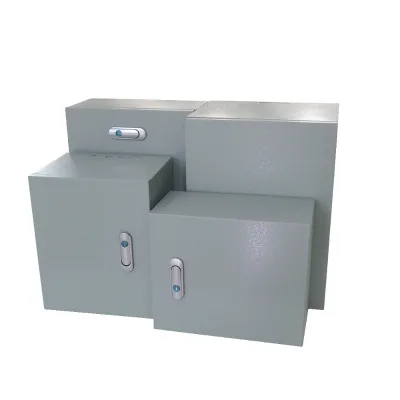


High-Quality Stainless Steel Toolbox - Powder Coated Electrical Enclosure Options
$10.00 - $15.00
MOQ: 100 Pieces


Reliable Electrical Enclosure for Substations and Energy Distribution
$1000.00 - $5800.00
MOQ: 1 Pieces


Dual-Door Metal Enclosure with Reinforced Structure for Electrical Equipment
$199.00 - $1119.00
MOQ: 1 Pieces
Comprehensive Sourcing Guide
Strategic Sourcing Guide for Conductive Powder Coated Electronic Enclosures
Understanding Technical Specifications and Material Integrity
When sourcing conductive powder-coated electronic enclosures, buyers must first establish a clear understanding of the material composition and structural requirements that define product performance. The core functionality of these enclosures relies heavily on the shell material, which is frequently specified as stainless steel, carbon steel, or various alloys depending on the intended environment. Stainless steel offers superior corrosion resistance, making it a preferred choice for harsh industrial settings, while alloy options provide a balance between weight and durability. The surface treatment process is equally critical; powder coating serves not only as an aesthetic finish but as a primary barrier against environmental degradation. In the context of conductive enclosures, the coating must be applied in a manner that maintains or enhances the electrical continuity required for shielding, ensuring that the enclosure effectively mitigates electromagnetic interference (EMI) and radio frequency interference (RFI).
The structural design of these units often includes specific protection features. For instance, the product attributes indicate a "Protection" structure type, which implies a design focused on safeguarding internal electronic components from physical impact and environmental exposure. The shell protection grade is a vital metric, with some observed specifications referencing an IP rating, although the exact numerical value must be verified against the specific product datasheet. Buyers should note that while some listings mention an IP rating associated with ABS or aluminum materials, the primary focus for conductive steel enclosures is on the integrity of the metal shell and the conductive properties of the powder coat. The standard specifications for these units can vary significantly, with some models adhering to fixed dimensions such as 704529mm or 44138160mm, while others offer fully customized lengths to fit unique electrical setups. This variability necessitates a rigorous review of the "Size Options" and "Standard Specifications" provided by the manufacturer to ensure the enclosure fits the specific mounting requirements of the project.
Compliance Verification and Certification Standards
Navigating the regulatory landscape is a non-negotiable step in the procurement of electronic enclosures. The market data indicates that suppliers often provide certifications such as ISO, RoHS, and CE, which serve as indicators of manufacturing quality and environmental compliance. Specifically, the presence of ISO 9001 certification, often cited in the context of "Partly-welded Type" manufacturing processes, suggests a commitment to quality management systems. However, buyers must exercise caution and verify that the specific batch or model in question holds valid, current certification rather than relying on general supplier claims. The RoHS directive is another critical standard, ensuring that the materials used, including the powder coating and the metal alloy, are free from hazardous substances.
In addition to general certifications, specific product standards play a pivotal role in compliance. Some enclosures are manufactured to "Standard Specifications" while others are "Customized" to meet unique project needs. The distinction is important because customized units may not automatically adhere to the same baseline standards as off-the-shelf models unless explicitly stated. Buyers should request documentation proving that the conductive properties of the powder coating meet relevant industry standards for EMI shielding effectiveness. Furthermore, the origin of the product, often listed as China with specific production hubs in Yantai or Guangdong, should be cross-referenced with the supplier's ability to provide traceable certification documents. It is essential to confirm that the "Standard" listed, such as EN or GB, aligns with the regulatory requirements of the destination market. Without verified documentation, the risk of non-compliance increases, potentially leading to shipment delays or rejection at customs.
Cost Drivers and Pricing Dynamics
The pricing of conductive powder-coated electronic enclosures is influenced by a complex interplay of factors, including material costs, customization levels, and order volume. The observed price range in the market spans from $0.01 to $10,000, a wide spectrum that reflects the diversity from small, standard components to large, custom-engineered distribution metering boxes. The primary cost driver is the shell material; stainless steel and high-grade alloys command a premium over standard steel due to their superior durability and corrosion resistance. Additionally, the thickness of the powder coating and the complexity of the surface treatment process contribute significantly to the final price. Customization is a major factor, as the availability of "Options Available as Requested" allows for tailored solutions but inevitably increases production costs compared to standard gray or white models.
Minimum Order Quantity (MOQ) also plays a crucial role in determining the unit cost. The market data shows an MOQ range from 1 to 10,000 units, with specific models requiring as few as 2 or 5 pieces, while larger industrial units may have higher thresholds. Buyers should note that while some suppliers offer low MOQs to facilitate prototyping, the unit price for small orders will be significantly higher than for bulk purchases. The lead time, typically ranging from 7 to 25 days for mass production, can also impact pricing; expedited delivery options often incur additional fees. Furthermore, the packaging method, which varies from cardboard boxes and honeycomb cargo to wooden boxes and pallets, adds to the overall cost, particularly for heavy or large enclosures that require robust protection during transit. Understanding these variables allows buyers to negotiate more effectively and budget accurately for their procurement needs.
Typical Applications and Operational Requirements
Conductive powder-coated electronic enclosures are designed for a wide array of applications, with a primary focus on power management and equipment safety. The "Application Range" frequently cited includes power plants, where the enclosures must withstand demanding environmental conditions while protecting sensitive control systems. These units are also commonly used in general electronic equipment setups, serving as distribution metering boxes or electrical cabinets that house complex wiring and control mechanisms. The "Typical Use" of these enclosures is centered on maintaining the safety and operational integrity of electrical systems, ensuring that internal components are shielded from external interference and physical damage.
The operational voltage of these enclosures is typically classified as "Low Voltage," making them suitable for a broad range of commercial and industrial applications. However, the specific voltage rating must be confirmed for each model, as the enclosure's design must align with the electrical load it is intended to protect. The "Capacity" of the enclosure, described as fitting different electrical setups, highlights its versatility. Whether the application involves a small control panel or a large distribution system, the enclosure must provide adequate space for components while maintaining its conductive and protective properties. The "Color" options, ranging from standard gray and white to customized finishes, allow for integration into various facility aesthetics, but the functional requirements of conductivity and protection grade remain the primary selection criteria. Buyers should match the enclosure's application range and typical use cases with their specific project requirements to ensure optimal performance.
Supplier Evaluation and Service Capabilities
Selecting the right supplier requires a thorough evaluation of their service capabilities, particularly regarding OEM and ODM services. The market data indicates that many suppliers offer "OEM.ODM" services, allowing buyers to customize the design, dimensions, and specifications of the enclosure to meet unique project needs. This flexibility is essential for industries that require non-standard solutions, such as specific mounting configurations or unique material compositions. The "Customization" attribute is listed as "Available" and "Options Available as Requested," suggesting a high degree of adaptability in the manufacturing process. However, buyers must verify the supplier's capacity to handle these custom requests without compromising on quality or lead time.
The production location is another critical factor in supplier evaluation. With origins listed in Yantai and Guangdong, China, buyers should assess the logistical capabilities of suppliers in these regions. The proximity to manufacturing hubs can influence lead times and shipping costs. Additionally, the "Delivery Time" for mass production, ranging from 7 to 15 days or 7 to 25 days, should be factored into the procurement timeline. Buyers should also inquire about the supplier's quality control processes, particularly regarding the surface treatment and welding processes mentioned in the certifications. A supplier with a robust quality management system, evidenced by ISO certification, is more likely to deliver consistent, high-quality products. Finally, the "Service" aspect should include post-sales support, warranty terms, and the ability to handle technical queries regarding installation and maintenance.
Quality Control and Long-Term Procurement Considerations
Ensuring the long-term reliability of conductive powder-coated electronic enclosures requires a proactive approach to quality control. Buyers should implement rigorous inspection protocols that verify the integrity of the powder coating, the conductivity of the shell, and the structural strength of the enclosure. The "Surface Treatment" process, described as "Custom Finishing," must be scrutinized to ensure it meets the specified standards for corrosion resistance and EMI shielding. Regular testing of the IP rating and the shell protection grade is essential to confirm that the enclosure continues to provide the necessary protection throughout its lifecycle. The "Weight" of the enclosure, which depends on size and material, should also be verified to ensure it meets the load-bearing requirements of the installation site.
For long-term procurement, buyers should consider the scalability of the supplier's production capabilities. The ability to maintain consistent quality across large orders and over extended periods is crucial for projects that require ongoing supply of enclosures. The "Standard Specifications" and "Customized" options should be clearly defined in the procurement contract to avoid ambiguity. Additionally, buyers should establish a clear communication channel with the supplier for addressing any quality issues or design changes that may arise during the project lifecycle. By focusing on these quality control measures and long-term considerations, buyers can ensure that their procurement of conductive powder-coated electronic enclosures supports the safety and efficiency of their electrical systems.
FAQs
What certifications are available for Conductive Powder Coated Electronic Enclosure?
Available certifications include ISO, RoHS, and CE, with some models holding ISO9001 for partly-welded types. Buyers must verify specific batch documentation to ensure current compliance rather than relying on general supplier claims for the entire product line.
Which materials are used for the shell of Conductive Powder Coated Electronic Enclosure?
Shells are constructed from stainless steel, carbon steel, or various alloys depending on the environment. Stainless steel offers superior corrosion resistance, while alloy options provide a balance between weight and durability for different industrial applications.
Can Conductive Powder Coated Electronic Enclosure be customized for specific sizes?
Yes, customization is available with options requested by the buyer, including various sizes and lengths. Some models offer fixed dimensions like 70*45*29mm, while others allow fully customized lengths to fit unique electrical setups and mounting requirements.
What is the typical lead time for mass production of Conductive Powder Coated Electronic Enclosure?
Mass production typically takes between 7 to 15 days or 7 to 25 days depending on the specific model. Expedited delivery options may incur additional fees, so buyers should factor this timeline into their procurement planning and budgeting.
How does the MOQ affect the pricing of Conductive Powder Coated Electronic Enclosure?
Minimum Order Quantities range from 2 to 5 pieces for some models up to 10,000 units for larger industrial orders. Unit prices are significantly higher for small orders compared to bulk purchases, making volume a key cost driver.
What packaging options are available for Conductive Powder Coated Electronic Enclosure?
Packaging includes cardboard boxes, honeycomb cargo, wooden boxes, and pallets to ensure safe transit. The specific method depends on the enclosure size and weight, with robust protection required for heavy or large distribution metering boxes.