Source Connectable Plastic Irrigation Disc Filter for Greenhouse, Farm, Vegetable
Compare 27 Connectable Plastic Irrigation Disc Filter options from verified suppliers in China. Evaluate models like DFS-Y32/A and DFS-3NR/A with varying mesh sizes, thread types, and packing configurations to find the right solution for your agricultural needs.
Key considerations
Products List




Comprehensive Sourcing Guide
Strategic Sourcing Guide for Connectable Plastic Irrigation Disc Filters
Understanding Product Architecture and Technical Specifications
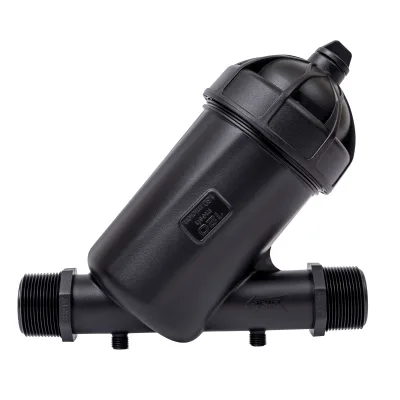
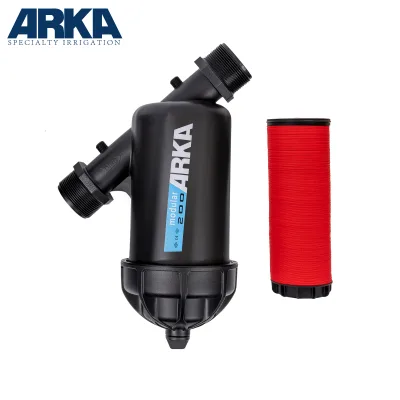
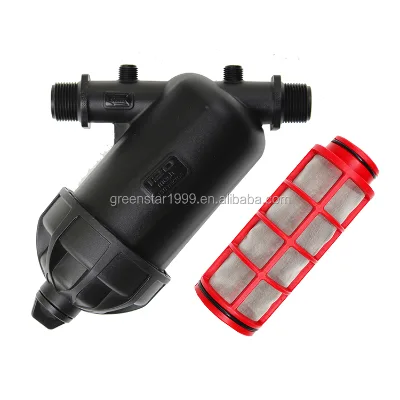
When sourcing a Connectable Plastic Irrigation Disc Filter, the primary objective is to identify units that balance filtration efficiency with mechanical durability. The product category encompasses various models designed for agricultural and greenhouse applications, where water quality management is critical for crop health. Based on available market data, these units are predominantly constructed from plastic materials, offering a lightweight yet robust solution for fluid management systems. The core functionality relies on a disc stack mechanism that traps particulate matter, allowing for efficient filtration of irrigation water.
A critical aspect of the technical evaluation is the connection interface. Buyers must verify the thread type to ensure seamless integration with existing piping infrastructure. The market presents options with both male and female thread connections, necessitating a precise audit of the system's inlet and outlet requirements before finalizing a purchase. Furthermore, the physical dimensions of the filter housing are non-negotiable parameters. Observed specifications indicate a range of sizes, specifically including 1-inch, 2-inch, and 3-inch variants. The 2-inch model is frequently cited with a specific product model designation such as DFS-Y32/A, while the 3-inch variant is often associated with the DFS-3NR/A model.
The internal mesh configuration is another vital technical specification. The filtration capability is directly tied to the available mesh counts, which typically include 75, 120, and 150 mesh options. Selecting the correct mesh size depends on the specific water source quality and the sensitivity of the downstream emitters or sprinklers. For instance, systems utilizing spike-type sprinklers may require finer filtration to prevent clogging, whereas larger emitter systems might tolerate coarser mesh. The physical footprint of the unit also varies; packing dimensions observed in the market range from 553630 cm to 753624 cm, depending on the specific model and capacity. Understanding these dimensional constraints is essential for logistics planning and warehouse storage allocation.
Compliance Verification and Certification Standards
In the global B2B procurement landscape, verifying compliance is as important as the physical product specifications. For irrigation equipment, particularly those intended for use in agriculture and greenhouse environments, certification serves as a proxy for quality assurance and safety. The supply chain for these plastic filters often includes a diverse array of certifications, which buyers must scrutinize to ensure alignment with their target market's regulatory requirements.
Commonly observed certifications for these units include CB, CE, EMC, EMF, GS, LFGB, RoHS, SASO, and UR. The presence of CE and EMC indicates compliance with European safety and electromagnetic compatibility standards, which is crucial for exports to the European Union. RoHS compliance ensures that the plastic materials used do not contain restricted hazardous substances, a critical factor for environmental sustainability and regulatory adherence in many jurisdictions. Additionally, certifications like LFGB and GS are relevant for products entering specific markets with strict food safety or general safety requirements, although their necessity depends on the specific end-use application.
It is imperative for buyers to treat these certifications as variable attributes rather than universal guarantees. Not every listed product in the market will possess the full spectrum of certifications. A procurement strategy should involve a direct request for valid certification documents for the specific batch or model being considered. The origin of the product also plays a role in compliance; many units are manufactured in Fuzhou, China, while others originate from Hebei, China. The manufacturing location can influence the ease of verifying certification authenticity and the specific standards applied during production. Buyers should verify that the certification labels on the product match the documentation provided by the supplier, ensuring that the claims are not merely marketing assertions but backed by third-party testing.
Cost Drivers and Pricing Dynamics
The pricing structure for connectable plastic irrigation disc filters is influenced by a complex interplay of factors, including material costs, manufacturing complexity, and order volume. The observed price range in the market is extensive, spanning from $2.20 to $1,500 USD. This wide disparity reflects the difference between simple, single-disc units and larger, automated systems with advanced control mechanisms.
The primary cost driver is the level of customization and the inclusion of electronic components. Standard manual filters with basic plastic housings and thread connections typically fall on the lower end of the price spectrum. In contrast, units equipped with electric power sources, PLC control systems, or IoT app integration command significantly higher prices. The "Motive Force" attribute indicates that some units are electric, which introduces costs associated with motors, sensors, and control boards. Similarly, the "Control Method" attribute highlights options for PLC, IoT APP, or Touch Screen interfaces, which add substantial value and cost to the final product.
Order volume is another critical determinant of cost. The Minimum Order Quantity (MOQ) varies widely, ranging from 1 set to 500 units. Buyers purchasing small quantities, such as a single set, will likely face a higher unit price compared to those placing bulk orders. The packaging configuration also impacts the final cost per unit. Standard packing often involves 8 pieces per carton, but some suppliers may offer plywood cases for larger or more delicate shipments. The weight of the product, observed to range from 9 kg to 15 kg for gross weight, influences shipping costs, which are a significant component of the total landed cost. Buyers should request detailed quotes that break down the unit price, packaging costs, and shipping fees to accurately assess the total cost of ownership.
Typical Applications and Operational Context
Connectable plastic irrigation disc filters are versatile tools designed for a variety of agricultural and horticultural applications. The primary use case is in greenhouse and farm irrigation systems, where consistent water quality is paramount for the success of vegetable cultivation and other crops. The "Application" attribute explicitly lists Greenhouse, Farm Irrigation, and Vegetable Cultivation as key sectors. In these environments, the filters protect sensitive irrigation components, such as drip lines and sprinklers, from clogging caused by sediment, algae, or organic debris.
The specific type of sprinkler used in the system can dictate the choice of filter. For example, systems utilizing spike-type sprinklers may require different filtration standards compared to those using rotating nozzles. The ability to customize the filter, as noted in the product attributes, allows suppliers to tailor the unit to the specific needs of the irrigation layout. This customization can include adjustments to the mesh size, connection type, or the inclusion of automated backflushing mechanisms.
Furthermore, the operational context often involves remote or semi-automated management. The availability of control methods such as PLC, IoT APP, or Touch Screen interfaces suggests that these filters are increasingly integrated into smart irrigation systems. This integration allows for real-time monitoring and control, enabling farmers to optimize water usage and reduce labor costs. The "Feature" attribute highlights "Irrigation" as a core function, but the underlying technology supports broader agricultural efficiency goals. Buyers should evaluate their specific operational requirements, including water source quality, crop types, and automation levels, to select the most appropriate filter configuration.
Supplier Evaluation and Quality Control Protocols
Selecting the right supplier is a critical step in the procurement process, requiring a rigorous evaluation of their capabilities and quality control measures. Given the variability in product specifications and certifications, buyers must adopt a due diligence approach that goes beyond surface-level marketing claims. The first step is to verify the supplier's ability to provide the exact specifications required, such as the 1-inch to 6-inch size range and the specific thread types.
Quality control should be a central focus of the supplier evaluation. Buyers should inquire about the supplier's internal testing procedures, particularly regarding the durability of the plastic material and the integrity of the thread connections. The "Performance" attribute, described as "Efficient Filtration," should be validated through test data or third-party reports. It is essential to confirm that the filtration efficiency claims are based on empirical evidence rather than general assertions.
Lead time is another critical factor in supplier evaluation. The observed lead time for these products ranges from 5 to 10 days, which indicates a relatively quick turnaround for standard orders. However, for customized units or large bulk orders, this timeline may extend. Buyers should clarify the lead time for their specific order quantity and customization requirements to ensure alignment with their project schedules. Additionally, the packaging method, whether standard cartons or plywood cases, should be assessed for its ability to protect the product during transit.
Long-Term Procurement Considerations and Strategic Planning
Sourcing connectable plastic irrigation disc filters is not merely a transactional activity but a strategic decision that impacts long-term operational efficiency. Buyers should consider the scalability of their procurement strategy, ensuring that the chosen supplier can accommodate future growth and changing requirements. The availability of customization options, such as different mesh sizes and connection types, provides the flexibility needed to adapt to evolving irrigation needs.
Maintenance and replacement costs are also important long-term considerations. The durability of the plastic material and the ease of replacing filter discs will influence the total cost of ownership over the life of the irrigation system. Buyers should inquire about the availability of spare parts and the recommended maintenance schedule. The "Customization" attribute suggests that suppliers can offer tailored solutions, which can be leveraged to optimize long-term performance.
Finally, buyers should maintain a focus on supply chain resilience. Diversifying suppliers and maintaining a buffer stock of critical components can mitigate the risk of disruptions. The wide range of observed MOQs and lead times indicates a dynamic market, and buyers should stay informed about market trends and pricing fluctuations. By adopting a proactive and evidence-based approach to procurement, buyers can secure high-quality irrigation filters that meet their technical, compliance, and operational requirements.
Comparative Analysis of Key Product Attributes
To facilitate informed decision-making, the following table summarizes the key attributes observed in the market for connectable plastic irrigation disc filters. This comparison highlights the variability in specifications and helps buyers identify the specific requirements for their projects.
| Attribute Category | Observed Variations | Key Considerations for Buyers |
|---|---|---|
| Product Model | DFS-Y32/A, DFS-3NR/A, DFS-Y50/A, DFS-2NR/A, ST-F80 | Match model to specific size and application needs. |
| Size/Dimension | 1 inch, 2 inch, 3 inch, 1''-6'' range | Verify compatibility with existing pipe diameters. |
| Connection Type | Male Thread, Female Thread | Ensure thread type matches system inlet/outlet. |
| Material | Plastic | Assess durability and chemical resistance. |
| Mesh Options | 75, 120, 150 mesh | Select based on water source quality and emitter sensitivity. |
| Power Source | Manual, Electric Power | Determine need for automation and control systems. |
| Control Method | PLC, IoT APP, Touch Screen | Evaluate integration with smart irrigation infrastructure. |
| Certifications | CB, CE, EMC, RoHS, SASO, etc. | Verify specific certifications required for target markets. |
| Origin | Fuzhou, China; Hebei, China; China | Consider logistics and regulatory implications of origin. |
| Packing | 8PCS/CTN, Carton, Plywood Case | Assess packaging for shipping protection and storage. |
| Lead Time | 5-10 Days | Confirm timeline for order fulfillment and project scheduling. |
| MOQ | 1 Set to 500 Units | Align order quantity with budget and storage capacity. |
This structured approach to evaluating product attributes ensures that buyers can make data-driven decisions, minimizing risks and maximizing the value of their procurement investments. By focusing on the specific needs of their irrigation systems and rigorously verifying supplier capabilities, buyers can secure reliable and efficient filtration solutions.
FAQs
What certifications are available for these filters?
Available certifications include CB, CE, EMC, EMF, GS, LFGB, RoHS, SASO, and UR. Buyers must verify specific documents for the selected batch, as not every listed product possesses the full spectrum of certifications.
Which connection types are offered for the filters?
The filters are available with both male thread and female thread connection types. Buyers must verify the thread type to ensure seamless integration with existing piping infrastructure before finalizing a purchase.
How large is the available mesh range for filtration?
The available mesh options are 75, 120, and 150 mesh. Selecting the correct mesh size depends on the specific water source quality and the sensitivity of the downstream emitters or sprinklers in the system.
Can the product be customized for specific needs?
Customization is available for various product attributes. Suppliers can tailor units to specific needs, including adjustments to mesh size, connection type, or the inclusion of automated backflushing mechanisms.
What is the typical lead time for these units?
The lead time ranges from 5 to 10 days for standard orders. For customized units or large bulk orders, this timeline may extend, so buyers should clarify the specific timeline for their order quantity.
Which sizes are available for the filter housing?
Observed sizes include 1 inch, 2 inch, and 3 inch variants. The 2-inch model is frequently cited with model DFS-Y32/A, while the 3-inch variant is often associated with the DFS-3NR/A model.
What is the minimum order quantity for these filters?
The minimum order quantity ranges from 1 set to 500 units. Buyers purchasing small quantities will likely face a higher unit price compared to those placing bulk orders.
Where are these filters typically manufactured?
Products originate from Fuzhou, China, and Hebei, China. The manufacturing location can influence the ease of verifying certification authenticity and the specific standards applied during production.