Source Conference Chair for Meeting Rooms, Auditoriums, and Halls
Compare 30 Conference Chair options from verified suppliers in China. Buyers can evaluate metal and wood models with varying cushion densities, armrest configurations, and certifications like SGS and BIFMA for banquet, office, or leisure use; compare the available evidence and request quotations based on your requirements.
Key considerations
Products List


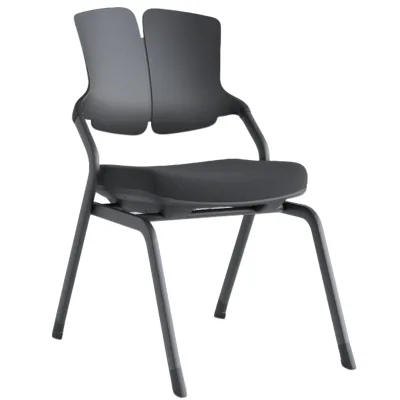
Conference Modern Chairs Conference Room Training Chair Stackable School Chair
$121.25 - $149.23
MOQ: 2 Pieces


School Meeting Room Chairs College Chairs University Chair School Chair
$17.10 - $18.10
MOQ: 50 Pieces


High Back Plastic Office Conference Chair Best Price School Furniture Chair
$20.00 - $23.00
MOQ: 10 Pieces


Conference Chair Office Comfortable Chair Silla Oficina Chair for Office
$26.90 - $28.90
MOQ: 200 Pieces

Ergonomic Conference Office Chair with Comfortable Design for Meeting Rooms
$20.74 - $23.60
MOQ: 200 Pieces


Comprehensive Sourcing Guide
Conference Chair Sourcing Guide
Sourcing conference chairs requires balancing ergonomic comfort with durable construction suitable for high-traffic environments. Buyers must evaluate material integrity, specifically metal tube thickness and cushion density, to ensure longevity. The observed market includes options ranging from basic banquet styles to advanced office furniture with rotary features. Understanding these distinctions is critical for selecting the right product for specific venue needs.
Procurement decisions should also account for customization capabilities and packaging efficiency. Many suppliers offer non-customized or fully customized options, impacting both lead times and unit costs. Packaging methods, such as double-wall corrugated cartons or mail-order packages, directly influence shipping costs and damage rates. Evaluating these logistical factors early in the sourcing process helps prevent unexpected expenses and ensures safe delivery to the final destination.
Product Scope and Observed Listing Signals
The current market presents a diverse array of conference seating solutions, primarily categorized by their intended use and structural design. Listings indicate a strong presence of banquet chairs and office furniture, with specific models like F1049 and HY805C representing distinct functional categories. These products vary significantly in features, such as the presence or absence of armrests, and whether they are fixed or rotary. This variety allows buyers to match specific aesthetic and functional requirements for different meeting spaces.
Observed attributes reveal that materials predominantly include metal and wood, with cushioning often utilizing high-density sponge or molded foam. The size specifications, such as 45x46x93 cm or 500x830x880 mm, provide clear dimensional benchmarks for space planning. Additionally, the condition is consistently listed as new, and styles range from modern to traditional. These signals help buyers quickly filter listings based on physical constraints and design preferences, ensuring that the selected chairs fit both the room dimensions and the desired visual theme.
Technical Specifications to Verify
Verifying technical specifications is essential to ensure that the conference chairs meet durability and comfort standards. Buyers should closely inspect the steel tube dimensions, which are listed as 25x1.0mm, 20x1.2mm, or 25x1.8mm, as these directly impact structural stability. The cushion thickness, often noted as 5cm high-density sponge, is another critical factor for long-term comfort during extended meetings. Confirming these details prevents the receipt of under-specification products that may fail under regular use.
Further verification should include the seat shape and back height, with round shapes and medium backs being common observations. The folded state, typically listed as unfolded, indicates whether the chairs are stackable or require assembly. Additionally, the station foot type, such as foot landing, affects floor protection and stability. Buyers must ensure that these technical details align with their specific operational needs, particularly for venues that require frequent reconfiguration or heavy usage.
Compliance and Safety Documentation
Compliance with safety and quality standards is non-negotiable for conference chairs, especially in public or commercial settings. Listings mention certifications such as SGS, BIFMA, Fiba, CE, and EN1090 welding, which indicate adherence to international safety and quality benchmarks. Buyers must request valid certificates to verify that the products have undergone rigorous testing for structural integrity and material safety. This documentation is crucial for mitigating liability and ensuring that the chairs meet regulatory requirements in the destination country.
In addition to certifications, buyers should inquire about the product standards, which may be listed as Grade A, B, or C. These grades often reflect the quality of materials and construction, with Grade A typically indicating superior durability and finish. Understanding these classifications helps buyers make informed decisions about value versus cost. It is also important to verify that the packaging meets standard requirements to protect the chairs during transit, preventing damage that could compromise safety or aesthetics.
Cost Drivers and Commercial Terms
Cost drivers for conference chairs include material quality, customization levels, and order volume. The observed price range of 4.49 to 250 USD reflects significant variation based on these factors. Buyers should consider that higher-grade materials, such as thicker steel tubes or premium foam, will command higher prices. Additionally, customized features, such as specific colors or branding, can increase costs due to the complexity of production. Understanding these drivers helps in budgeting accurately and negotiating effectively with suppliers.
Commercial terms, including MOQ and payment conditions, also play a significant role in total procurement costs. The observed MOQ ranges from 2 to 500 chairs, with some suppliers requiring a minimum of 500 for certain models. Payment terms, such as a 30% deposit via T/T, are common and should be factored into cash flow planning. Lead times, typically around 15 days for larger orders, must be considered to ensure timely delivery. Buyers should negotiate these terms to align with their project schedules and financial capabilities.
Supplier Qualification and Quality Control
Supplier qualification is a critical step in ensuring a reliable supply chain for conference chairs. Buyers should verify the supplier's origin, with locations like Hebei, Guangdong, and Shenzhen being common sources. These regions often have established manufacturing ecosystems, but buyers must still conduct due diligence to assess production capabilities and quality control processes. Requesting samples before placing bulk orders is a prudent strategy to evaluate the actual product quality against the listed specifications.
Quality control measures should include inspections of the packaging, such as double-wall corrugated cartons or carton bubble wrap, to prevent transit damage. Buyers should also verify the warranty terms, with some suppliers offering a 3-year warranty, which indicates confidence in product durability. Establishing clear communication channels with the supplier for post-sale support is essential. This ensures that any issues with the chairs can be addressed promptly, maintaining the integrity of the procurement investment.
Long-Term Procurement Checks
Long-term procurement success depends on continuous monitoring of supplier performance and product consistency. Buyers should establish key performance indicators, such as on-time delivery rates and defect percentages, to evaluate suppliers over time. Regular audits or third-party inspections can help maintain quality standards, especially for large or recurring orders. Building a relationship with reliable suppliers ensures that future procurement cycles are smoother and more cost-effective.
Additionally, buyers should stay informed about market trends and technological advancements in Conference Chair design. This includes updates in ergonomic features, sustainable materials, and smart furniture technologies. By staying proactive, buyers can adapt their sourcing strategies to meet evolving organizational needs. Regularly reviewing and updating procurement policies ensures that the organization remains competitive and efficient in its furniture acquisitions, ultimately supporting a productive and comfortable work environment.
FAQs
What materials are used for conference chairs?
Conference chairs are constructed using metal and wood materials. Specific models feature steel tubes with dimensions like 25 by 1.0mm or 20 by 1.2mm. Cushions often utilize high-density sponge or moulded foam for comfort during long meetings.
Can I customize the Conference Chair design?
Customization is available for many Conference Chair models. Some products offer changeable colors and specific customization options. Buyers should verify if a specific item is marked as customized or non-customized before placing an order.
What is the minimum order quantity for chairs?
The minimum order quantity varies by supplier and product model. Some listings require 500 chairs as a standard minimum, while others may accept orders starting from just two units. Always check the specific MOQ for the selected model.
How long does it take to produce the chairs?
Production lead time depends on the order volume and supplier capacity. One example indicates a fifteen-day lead time for an order of 1500 chairs. Buyers should confirm the exact timeline with the manufacturer before finalizing the purchase agreement.
Which certifications do the chairs meet?
Chairs may carry various certifications depending on the manufacturer. Some products are certified by SGS, BIFMA, Fiba, CE, or EN1090 welding standards. Verify the specific certificate grade, such as Grade A, B, or C, for your required compliance.
Where are the conference chairs manufactured?
Manufacturing locations include regions like Hebei, Guangdong, and Shenzhen in China. The origin of the product is clearly stated on the listing. Buyers can select suppliers based on their preferred geographic location for logistics and shipping considerations.
What is the warranty period for the chairs?
Some Conference Chair models come with a three-year warranty period. This coverage ensures durability and quality assurance for the buyer. Always review the specific warranty terms provided by the manufacturer for the exact product model selected.