Source Connecting Excavator Bucket Link for Construction, Mining, and Agriculture
Compare 30 listings for the Connecting Excavator Bucket Link from suppliers in China. Buyers can review specifications, prices, and delivery times for crawler excavator parts suitable for 20-ton machines.
Key considerations
Products List
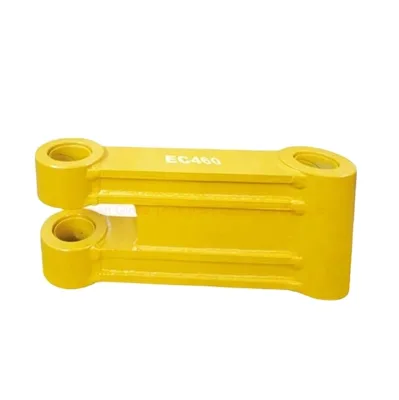


Construction Machinery Parts Various Type Excavator Bucket Connector I Link
$40.00 - $60.00
MOQ: 1 Pieces


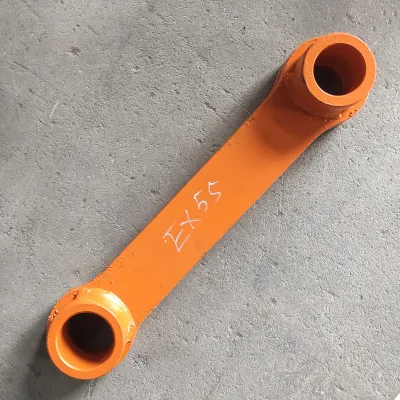
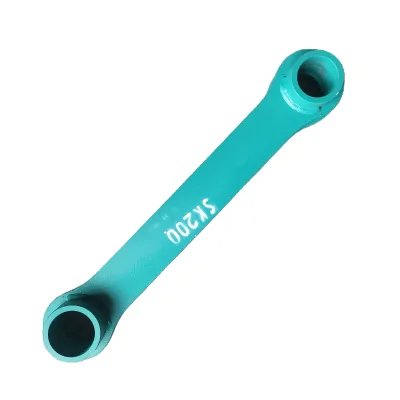
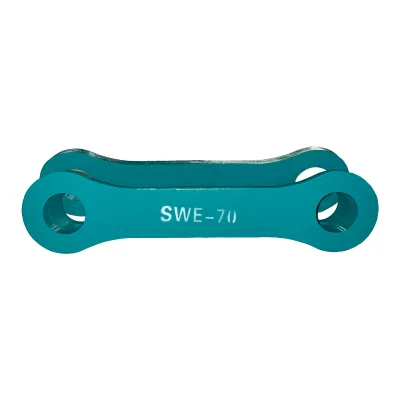


Comprehensive Sourcing Guide
Strategic Sourcing Guide for Excavator Bucket Linkage Components
Procuring critical hydraulic components for heavy machinery requires a disciplined approach that balances technical precision with supply chain reliability. The Connecting Excavator Bucket Link, often referred to in industry specifications as the bucket linkage or bucket cylinder linkage, serves as a vital mechanical interface between the hydraulic actuation system and the digging tool. For procurement professionals, understanding the specific attributes of these components is essential to prevent operational downtime and ensure the longevity of the excavator fleet. This guide synthesizes available market data and technical requirements to provide a framework for sourcing these parts effectively.
Technical Specifications and Material Integrity
The foundation of a reliable bucket linkage lies in its adherence to strict dimensional and material standards. In the current market, specifications often reference the OEM number as the primary identifier, ensuring compatibility with specific excavator models. For instance, data indicates that components are frequently associated with the CAT330 model number, suggesting a high demand for parts compatible with this specific class of machinery. The physical dimensions, including width and height, are typically listed as "OEM," meaning buyers must verify that the supplier provides parts matching the original equipment manufacturer's exact tolerances rather than generic approximations.
Material composition is a critical differentiator in this sector. High-performance bucket links are often manufactured from 45# steel, a medium-carbon steel known for its balance of strength and machinability. To withstand the immense shear forces and abrasive conditions of excavation, the hardness of the component is a key performance metric. Market observations suggest that acceptable hardness ranges for these parts fall between HRC50 and HRC55. This level of hardness ensures resistance to wear and deformation during heavy digging cycles. Buyers should verify that the supplier can provide metallurgical reports confirming these hardness values, as variations outside this range could indicate inferior heat treatment or material substitution.
Furthermore, the structural design must account for the specific tonnage of the excavator. The observed data points to a suitability for 20-ton class machines, which dictates the load-bearing capacity required. The component type is generally categorized under crawler excavator parts, and the application is strictly defined for bucket linkage systems. When evaluating a potential supplier, procurement teams should request detailed engineering drawings that align with the OEM number and confirm that the single package size and gross weight (often cited around 50 kg) match the logistical expectations for the specific unit being sourced.
Compliance, Certification, and Regulatory Standards
Navigating the regulatory landscape is essential for international procurement. Reputable suppliers in this sector typically hold certifications that validate their quality management systems and product safety. The most commonly observed certifications include CE marking and ISO9001, which indicate compliance with European safety standards and international quality management requirements, respectively. Some listings also reference specific certificates such as ISO9001, reinforcing the supplier's commitment to standardized production processes.
However, buyers must exercise caution when interpreting certification claims. While the presence of CE and ISO9001 is a positive indicator, it does not automatically guarantee that every unit in a shipment meets these standards. Procurement professionals should request valid, up-to-date copies of these certificates and verify their scope to ensure they cover the specific manufacturing of hydraulic linkage parts. Additionally, the Harmonized System (H.S.) Code for these components is typically classified under 84314999, which is crucial for accurate customs declaration and duty calculation.
The condition of the parts is another compliance factor. The market data consistently lists the condition as "New," but buyers should distinguish between "Original" and "Alternative" quality tiers. While some suppliers offer "Original and Alternative" options, the term "Alternative" implies a non-OEM source. Buyers must clarify whether the "Alternative" designation refers to a high-quality aftermarket part that meets OEM specifications or a lower-tier substitute. Ensuring that the product meets the "export standard" or specific customer-requested standards is vital for maintaining warranty validity and operational safety.
Cost Drivers and Pricing Structures
The pricing of excavator bucket links is influenced by a complex interplay of factors, including material costs, manufacturing complexity, and supply chain logistics. The observed price range in the market spans from 2 to 200 USD, a wide variance that reflects differences in quality, brand reputation, and order volume. This broad spectrum suggests that buyers must look beyond the unit price to understand the total cost of ownership. Lower-priced items may utilize inferior materials or lack rigorous quality control, potentially leading to premature failure and higher long-term costs.
Minimum Order Quantity (MOQ) is another significant cost driver. The data indicates an MOQ range of 1 to 20 units, with some suppliers offering a single piece as the minimum. This flexibility is beneficial for small-scale repairs or testing, but it often comes with a higher per-unit cost. Conversely, larger orders may unlock volume discounts, though the specific discount structures vary by supplier. Buyers should also consider the payment terms, which typically include TT (Telegraphic Transfer), Money Gram, Western Union, and PayPal. The choice of payment method can impact transaction fees and currency exchange rates, affecting the final landed cost.
Lead time and delivery speed also play a role in the overall cost equation. While some suppliers promise delivery within 1-3 days, others cite a standard lead time of 10 days after advance payment. Expedited shipping options, such as DHL, FedEx, TNT, and EMS, are available but will incur additional freight charges. The single package size of 60x40x20 cm and the gross weight of 50 kg must be factored into freight calculations, as these dimensions and weights determine shipping class and volumetric weight charges.
Typical Applications and Operational Context
The primary application for connecting excavator bucket links is in the operation of crawler excavators, specifically within the 20-ton class. These components are integral to the hydraulic system that controls the bucket's opening, closing, and digging motion. The linkage connects the hydraulic cylinder to the bucket, translating fluid pressure into mechanical force. The versatility of these parts is highlighted by the availability of customization options, allowing them to be adapted for various bucket types, including those labeled as "Other" or "Excavator Bucket."
The color of the component is often customizable, with yellow and black being the standard options to match the excavator's aesthetic. However, the color is primarily a cosmetic feature and does not affect the mechanical performance. The attachments associated with these links are also selectable, meaning buyers can source components that fit specific bucket configurations or specialized digging tools. This modularity is crucial for contractors who operate diverse fleets or require specialized equipment for different job sites.
It is important to note that while the product is designed for general excavation, the specific application must match the machine's tonnage and hydraulic capacity. Using a linkage designed for a 20-ton machine on a significantly larger or smaller unit can lead to catastrophic failure. Therefore, procurement teams must verify the compatibility of the part with the specific excavator model and operating conditions before placing an order.
Supplier Evaluation and Verification Protocols
Evaluating suppliers for hydraulic components requires a rigorous vetting process. The geographic origin of the products is predominantly Guangdong, China, with some listings indicating Quanzhou, China. While these regions are known for manufacturing capabilities, buyers should verify the specific factory location and production capacity. A high-confidence fact in the market is the provision of video outgoing-inspection, which allows buyers to visually verify the condition and assembly of the parts before shipment. This feature significantly reduces the risk of receiving damaged or substandard goods.
When assessing a supplier, buyers should prioritize those who offer a warranty period. The market data shows warranty terms ranging from 6 months to 1 year. A one-year warranty is generally indicative of higher confidence in product durability, but the specific terms and conditions must be reviewed carefully. Additionally, the availability of customization services is a strong indicator of a supplier's technical capability and flexibility. Suppliers who can accommodate custom requests for dimensions, materials, or packaging are better positioned to meet unique project requirements.
The packaging method is another critical evaluation point. Standard practices include export wooden pallets, wooden boxes, or standard pallets. Proper packaging is essential to prevent damage during transit, especially given the weight and dimensions of the components. Buyers should ensure that the packaging meets international shipping standards and is suitable for the chosen mode of transport, whether by sea from ports like Xiamen or by air via courier services.
Quality Control and Long-Term Procurement Strategy
Maintaining consistent quality is paramount in the procurement of heavy machinery parts. The market data highlights the importance of the "High-Quality" attribute, but this is an observation rather than a guaranteed standard for every listed product. To ensure quality, buyers should implement a robust quality control protocol that includes pre-shipment inspections, material verification, and hardness testing. The availability of video outgoing-inspection is a valuable tool in this process, allowing for real-time verification of the product's condition.
For long-term procurement, building a relationship with reliable suppliers is essential. This involves negotiating favorable payment terms, establishing clear communication channels, and setting expectations for delivery times and quality standards. The flexibility in delivery times, ranging from 1-3 days to 10 days after payment, allows buyers to plan their inventory management effectively. However, the variability in lead times necessitates a buffer stock strategy to mitigate the risk of supply chain disruptions.
Finally, buyers should remain vigilant regarding the "Condition: New" claim. While most suppliers list their products as new, the distinction between original and alternative parts remains a critical factor. Procurement teams should clearly define their requirements for "Original" versus "Alternative" parts in their contracts to avoid misunderstandings. By adhering to a disciplined sourcing strategy that emphasizes technical verification, certification checks, and supplier evaluation, buyers can secure high-quality excavator bucket links that ensure operational efficiency and minimize downtime.
FAQs
What material is used for the Connecting Excavator Bucket Link?
The component is manufactured from 45# steel, a medium-carbon steel known for its strength. This material is selected to balance machinability with the durability required for heavy excavation cycles.
Which hardness range ensures the part resists wear effectively?
The hardness typically falls between HRC50 and HRC55 to withstand immense shear forces. This specific range ensures resistance to deformation during heavy digging operations on 20-ton class machines.
Can buyers verify the product quality before shipment?
Yes, video outgoing-inspection is provided to allow visual verification of the parts. This feature enables buyers to confirm the condition and assembly of the component before it leaves the factory.
What certifications validate the quality management of the supplier?
Suppliers typically hold CE and ISO9001 certifications to validate their quality and safety standards. These certifications indicate compliance with international requirements for manufacturing hydraulic linkage parts.
How long is the warranty period for the bucket linkage?
The warranty period ranges from 6 months to 1 year depending on the specific listing. A one-year warranty generally indicates higher confidence in the product's durability and long-term performance.
What is the typical lead time for delivery after payment?
Delivery times vary from 1 to 3 days or approximately 10 days after advance payment. The specific timeline depends on the supplier's current capacity and the chosen shipping method.
Which excavator tonnage is this bucket linkage suitable for?
The component is designed for 20-ton class crawler excavators. Buyers must ensure the part matches the machine's tonnage to prevent catastrophic failure due to load capacity mismatches.