Source Construction Machinery Engine Turbocharger for Excavators, Fuel Systems, and Superchargers
Find 30 Construction Machinery Engine Turbocharger units compatible with major brands like Komatsu and Caterpillar. Buyers can compare models such as 247-2956 and 12749880003 with various certifications and delivery options for immediate sourcing needs.
Key considerations
Products List
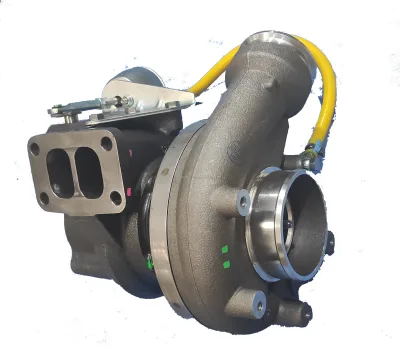


High-Performance Diesel Engine Turbocharger for Construction Machinery Parts
$280.00 - $290.00
MOQ: 1 Pieces

Durable Turbocharger for Construction Machinery Diesel Engines K27-145-01
$110.00 - $120.00
MOQ: 1 Pieces

Original Construction Machinery Diesel Engine Parts Turbocharger 12749880003
$260.00 - $290.00
MOQ: 1 Pieces


Turbo PC300-8 Engine Parts 4089919 Excavator Turbocharger for Construction Machinery
$200.00 - $600.00
MOQ: 1 Pieces


3803108 Turbocharger High Efficiency for Diesel Engines& Construction Machinery
$440.00 - $480.00
MOQ: 2 Pieces


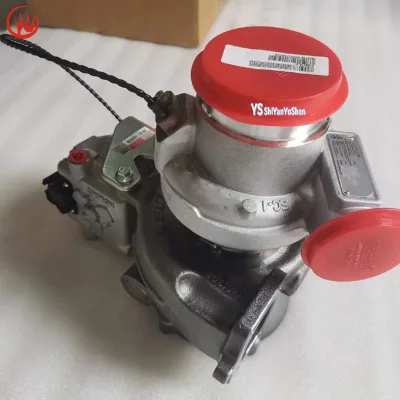

High Quality with Best Brand Construction Machinery Parts Engine Turbocharger
$466.00 - $711.00
MOQ: 1 Pieces

Comprehensive Sourcing Guide
Strategic Sourcing Guide for Construction Machinery Engine Turbochargers
Procuring turbochargers for construction machinery represents a critical decision point in maintaining fleet reliability and operational efficiency. The global market for heavy equipment components is vast, with supply chains originating primarily from manufacturing hubs in China, where a significant volume of these components is produced. Buyers must navigate a landscape defined by diverse compatibility requirements, varying quality standards, and specific logistical constraints. This guide provides a structured approach to sourcing turbochargers, focusing on the technical realities, compliance verification, and supplier evaluation necessary for a successful procurement strategy.
Technical Specifications and Compatibility Analysis
The first step in sourcing a turbocharger is defining the precise technical requirements of the engine it will serve. Construction machinery engines operate under extreme stress, requiring components that can withstand high temperatures and pressures. The core product attributes observed in the market indicate that these units are predominantly designed for diesel engines, specifically adhering to the 4-stroke cycle and multi-cylinder configurations. The material composition is a vital technical differentiator; while some components are fabricated from steel, others utilize iron, which influences weight, durability, and heat dissipation characteristics.
Compatibility is perhaps the most complex technical hurdle. The supply chain supports a vast array of major construction brands, including Caterpillar, Komatsu, Volvo, John Deere, Hitachi, and Liebherr, among others. This broad compatibility suggests that the market offers universal or cross-compatible units rather than proprietary parts for every single model. Buyers must verify the specific part numbers against their equipment's requirements. Observed product numbers such as 247-2956, 102-0290, 130-5469, and 12749880003 serve as critical identifiers. When sourcing, the buyer must ensure that the listed product number matches the original equipment manufacturer (OEM) specification exactly. Discrepancies in model numbers, such as distinguishing between a standard turbocharger and a specific variant like the K27-145-01, can lead to installation failures. Furthermore, the cooling style is a key specification; air-cooled designs are prevalent in this sector, and verifying this against the engine's cooling system is essential to prevent thermal management issues.
Compliance, Certification, and Regulatory Standards
In the construction industry, regulatory compliance is non-negotiable. Turbochargers must meet specific emission and safety standards to ensure the machinery can operate legally in various jurisdictions. The market data indicates that suppliers often provide units certified under multiple international standards. Key certifications to verify include ISO9001 for quality management systems, CE for European conformity, and CCC for the Chinese market. Additionally, environmental compliance is paramount, with certifications such as RoHS (Restriction of Hazardous Substances) and E-MARK (European Economic Area) being common indicators of regulatory adherence.
A critical area of verification is the discharge standard. For diesel engines, the Euro IV standard is a significant benchmark observed in the supply chain. Buyers must confirm that the turbocharger supports the specific emission tier required by their local regulations. While some listings mention standards like TSRoHS and ISOCOP, the exact applicability depends on the region of operation. It is imperative for buyers to request current certification documentation rather than relying on general claims. The presence of these certifications suggests a baseline of quality, but they must be validated against the specific batch of goods being purchased. Without these verifications, the machinery may fail inspections or face legal restrictions on operation.
Cost Drivers and Pricing Dynamics
Understanding the cost structure of turbochargers is essential for budgeting and negotiation. The observed price range in the market spans from 1 to 1000 USD, a wide variance that reflects differences in part complexity, brand compatibility, and material quality. Several factors drive these costs. The primary driver is the specific model and its compatibility with high-end machinery; parts for brands like Caterpillar or Komatsu often command higher prices due to the precision engineering required. The material used, whether steel or iron, also impacts the final cost, as does the manufacturing technique, such as forging, which adds value through increased durability.
Another significant cost factor is the packaging and shipping method. While standard units may be packed in carton boxes, heavy components often require polywooden boxes to prevent damage during transit. The choice of shipping carrier, such as DHL, UPS, or FedEx, directly influences the total landed cost. Buyers should also consider the Minimum Order Quantity (MOQ). The market shows an MOQ range of 1 to 99 units, with many suppliers offering a single unit purchase. This flexibility allows for small-scale testing but may result in higher per-unit costs compared to bulk orders. Payment terms, including TT, PayPal, and Western Union, also affect cash flow and should be factored into the total cost of ownership.
Typical Applications and Operational Context
Turbochargers in this sector are primarily designed for the fuel supply systems of heavy-duty construction equipment. The application is almost exclusively linked to diesel engines used in excavators, loaders, and other earth-moving machinery. The "Cold Style" attribute of air-cooling is particularly relevant for these applications, as it simplifies the integration into existing engine bays that may not have complex liquid cooling loops for the turbocharger itself. The product is marketed as a "One-Stop Service" solution, implying that suppliers often provide not just the hardware but also the necessary support for installation and maintenance.
The operational context involves high-stress environments where reliability is paramount. A failure in the turbocharger can lead to significant downtime, making the "New" condition of the parts a critical requirement. Buyers should avoid refurbished or used units unless explicitly specified and tested, as the performance claims for new units are generally higher. The "High-Quality" designation observed in product listings should be treated as a claim that requires validation through the aforementioned certifications and material specifications. The application extends beyond just the engine; it impacts the overall fuel efficiency and power output of the machinery, making the selection of the correct turbocharger a strategic decision for fleet management.
Supplier Evaluation and Lead Time Management
Evaluating suppliers requires a focus on their logistical capabilities and service offerings. The market data indicates that the Place of Origin is predominantly China, which presents specific opportunities and challenges. Lead times are a critical factor; suppliers often promise delivery within 1 to 3 working days after payment is received. This rapid turnaround is a significant advantage for urgent repairs. However, buyers must verify if this lead time applies to all models or only those with "Sufficient Stock." The availability of stock is a key indicator of a supplier's reliability; those with insufficient stock may face delays that disrupt operations.
Shipping methods are another evaluation criterion. The use of major carriers like DHL, FedEx, and UPS suggests a professional logistics network. Buyers should confirm the specific shipping method for their order, as this affects both the speed and the cost of delivery. Payment security is also a concern; the acceptance of methods like TT, PayPal, and Western Union offers flexibility but requires due diligence on the supplier's reputation. While the brand name "CAPAI" is observed, buyers should not limit their search to a single supplier. Instead, they should evaluate multiple vendors based on their ability to meet the specific technical and logistical requirements of the order. The "Customization" attribute is also a valuable differentiator, allowing buyers to request specific packaging or labeling to meet their internal standards.
Quality Control and Long-Term Procurement Strategy
Ensuring quality is the final and perhaps most critical step in the sourcing process. The "Video outgoing-inspection" feature observed in the supply chain is a powerful tool for remote quality assurance. Buyers should request video evidence of the specific unit being inspected before shipment to verify its condition and packaging. This practice helps mitigate the risk of receiving damaged or incorrect parts. Additionally, the warranty period is a standard metric for quality assurance; a 1-year warranty is commonly offered, providing a safety net for early failures.
For long-term procurement, buyers should establish a relationship with suppliers who offer "One-Stop Service" and "After-Sales Service" for 12 months. This support structure is vital for maintaining fleet uptime. The "Standard Component" nature of these parts suggests that they are interchangeable, but buyers must remain vigilant about the specific model numbers to ensure compatibility. The "Neutral or According to Your Need" packing option allows for branding consistency, which can be important for internal inventory management. Ultimately, the success of the procurement strategy depends on a rigorous verification of all attributes, from the material composition to the certification documents, ensuring that the purchased turbochargers meet the demanding standards of the construction industry.
FAQs
What certifications do construction machinery engine turbochargers typically have?
These turbochargers often carry certifications such as ISO9001, CE, CCC, and RoHS. Buyers should verify specific batch documentation to ensure compliance with local emission standards like Euro IV before purchase.
How long is the delivery time after payment is received?
Delivery typically occurs within 1 to 3 working days after payment confirmation. This rapid turnaround applies when sufficient stock is available for the specific model number required.
Which brands are compatible with these turbocharger units?
Compatible brands include Caterpillar, Komatsu, Volvo, John Deere, and Hitachi among others. Buyers must match the specific product number, such as 12749880003, to their equipment's exact specifications.
Can I request customized packaging for these turbochargers?
Yes, customized packing is available according to buyer needs. Standard units use carton boxes, while heavy items may require polywooden boxes to ensure safe transit.
What is the minimum order quantity for purchasing a turbocharger?
The minimum order quantity is one piece, allowing for single-item purchases. Some suppliers may have higher MOQs up to 99 units depending on stock levels and negotiation.
How is the quality of the turbocharger material verified?
Materials are typically steel or iron with forging techniques used for durability. Video outgoing inspections are provided to verify the condition and packaging before shipment.
What warranty period is offered for these new turbochargers?
A one-year warranty is standard for these new units. After-sales service includes one-stop support and a 12-month warranty period to ensure operational reliability.