Source Excavator Bucket Ear and Link Bushing for Heavy Duty Use
Find and compare 30 Construction Machinery Excavator Bucket Ear and Link Bushing options from verified Chinese suppliers. Evaluate steel materials, DIN1494 standards, and customization services for crawler excavator maintenance and repair needs.
Key considerations
Products List


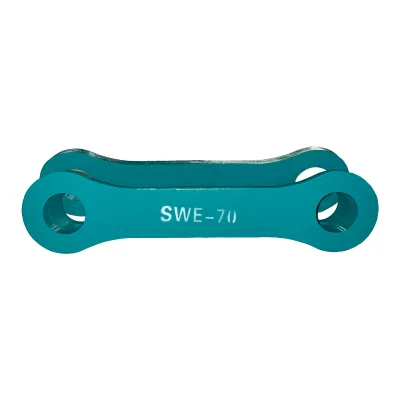


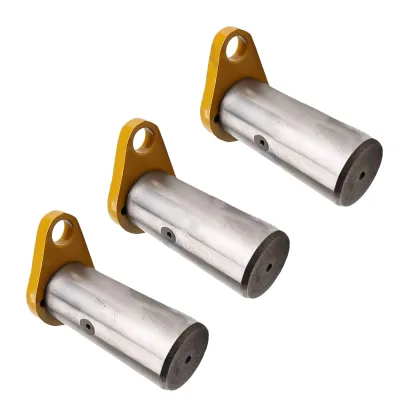
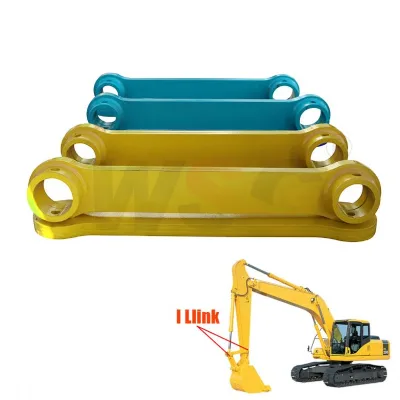
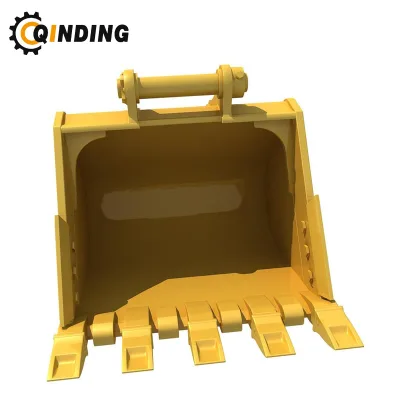
Comprehensive Sourcing Guide
Construction Machinery Excavator Bucket Ear and Link Bushing Sourcing Guide
Procuring replacement components for heavy earthmoving equipment requires a precise understanding of mechanical interfaces, material durability, and supply chain reliability. The excavator bucket ear and link bushing are critical wear parts that facilitate the connection between the boom, arm, and bucket assembly. These components endure extreme shear forces, impact loads, and abrasive friction during daily operation. Sourcing them correctly ensures minimal downtime and maintains the structural integrity of the excavator’s linkage system. Buyers must navigate a market characterized by varied customization options, diverse material grades, and multiple origin points, primarily concentrated in manufacturing hubs across China.
This guide synthesizes observed market data and technical specifications to help procurement professionals make informed decisions. The focus is on verifying product attributes such as material composition, surface treatment, and certification status rather than relying on generic marketing claims. By understanding the specific requirements for bucket ears, traction heads, and H-links, buyers can establish clear evaluation criteria. This approach minimizes the risk of receiving substandard parts that fail prematurely under heavy load, thereby protecting the total cost of ownership for the machinery fleet.
Product Scope and Observed Listing Signals
The current market offers a wide array of replacement parts, with observed listings ranging from basic bushings to complex bucket assemblies. Product names frequently include terms like "Bucket Ear," "Traction Head," and "H Link," indicating the specific interface point within the excavator’s kinematic chain. The observed price range spans from $0.40 to $1,500 USD, reflecting the vast difference between simple cylindrical bushings and complete, heavy-duty bucket structures. Minimum Order Quantities (MOQ) typically range from 1 to 1,000 pieces, allowing for both single-unit replacements and bulk fleet replenishment. Buyers should note that these figures are observational and may vary significantly based on material thickness, steel grade, and packaging requirements.
A significant portion of the available inventory is categorized under "New" condition, with customization explicitly marked as available. This suggests that many suppliers are equipped to handle OEM-style orders or modifications for non-standard excavator models. The product shapes are often described as "Customized Bushing," implying that off-the-shelf dimensions may not always fit specific machine variants. Additionally, the color of these parts is frequently listed as "Yellow or Customized," aligning with standard industry aesthetics for visibility and brand consistency. Buyers must verify that the "Customization" claim includes the necessary engineering drawings and tolerance checks to ensure proper fitment on their specific excavator model.
Technical Specifications to Verify
Material selection is the primary determinant of component longevity. The supplied facts indicate that steel is the predominant material used for these parts, with specific grades such as 40SiMnTi and 35MnB mentioned for certain models. These high-strength low-alloy steels are chosen for their ability to withstand high stress and impact. Buyers must verify the exact steel grade for their order, as inferior materials may lead to rapid deformation or fracture. The surface treatment is often listed as "Phosphating Black," which provides a baseline level of corrosion resistance. However, for operations in highly corrosive environments, additional coatings or treatments may be necessary to prevent premature rusting of the bushing interfaces.
Lubrication and wear resistance are critical functional attributes. The lubricating type is specified as "Carbon" in some listings, which may refer to self-lubricating properties or specific carbon-based coatings designed to reduce friction between the bushing and the pin. The feature "Wear Resistance" is consistently highlighted, but buyers should request detailed information on the hardness levels and heat treatment processes used. Furthermore, the standard DIN1494 is cited for certain bushing types, providing a reference point for dimensional accuracy. Buyers should confirm whether the supplier adheres to this standard or if they use proprietary tolerances that might affect interchangeability with other OEM parts.
Compliance and Safety Documentation
Certification status is a key indicator of manufacturing discipline. Several listings mention CE and ISO9001 certifications, suggesting that the suppliers have implemented quality management systems compliant with international standards. The ISO9001 certification, in particular, indicates a structured approach to production consistency and traceability. Buyers should request copies of these certificates to verify their validity and scope. It is important to note that while certifications are present in the data, they do not automatically guarantee that every individual batch of parts meets the same rigorous standards. Continuous quality audits and sample testing remain essential verification steps.
Documentation regarding the condition and warranty of the parts is also crucial. The product condition is uniformly listed as "New," and warranty times are specified, such as "2000 Hours" for certain bucket links. This warranty period serves as a benchmark for expected durability under normal operating conditions. Buyers should clarify whether the warranty covers material defects, workmanship, or both, and understand the claims process. Additionally, the provision of test reports is mentioned as a service, which can provide empirical evidence of the part’s mechanical properties. Requesting these reports before placing large orders can help validate the supplier’s claims regarding strength and fatigue resistance.
Cost Drivers and Commercial Terms
Pricing for these components is influenced by several factors, including material costs, manufacturing complexity, and packaging requirements. The observed MOQ of 1 to 1,000 pieces allows for flexibility, but bulk orders may offer better unit economics. Delivery times are frequently cited as 7 days or 7-10 days after contract establishment, indicating a relatively fast turnaround for standard items. However, for customized parts or larger volumes, lead times may extend. Buyers should negotiate clear delivery schedules and penalties for delays, especially if the parts are critical for maintaining operational uptime.
Packaging methods vary, with options including anti-rust paper, cartons, wood cases, pallets, and plywood cases. The choice of packaging can impact the final cost and the condition of the parts upon arrival. For heavy items like bucket ears, robust packaging such as wood cases or iron pallets is essential to prevent damage during transit. Buyers should specify their preferred packaging method to ensure that the parts arrive in pristine condition. Additionally, the origin of the products, primarily Ningbo, Zhejiang, and Jining, Shandong in China, can influence logistics costs and shipping times. Understanding the supply chain dynamics can help buyers optimize their inventory management and reduce holding costs.
Supplier Qualification and Quality Control
Evaluating supplier capabilities requires a focus on their manufacturing processes and quality assurance protocols. The listed processes include welding and finishing, with a "Smooth" finish often specified. Buyers should verify the welding techniques used, as poor weld quality can lead to structural failures under load. The service offerings of OEM and ODM suggest that suppliers are capable of producing parts to specific customer designs. This capability is valuable for buyers with unique machinery modifications or proprietary designs. However, it also requires close collaboration on technical drawings and specifications to ensure accuracy.
Quality control measures should be explicitly defined in the purchase agreement. The mention of "Test Report: Provided" is a positive indicator, but buyers should specify the types of tests required, such as tensile strength, hardness, and impact tests. Regular inspections during production and pre-shipment inspections can help catch defects early. Buyers should also assess the supplier’s ability to provide consistent quality across multiple orders. Establishing a long-term relationship with a supplier who demonstrates a commitment to quality control can lead to better pricing, priority production, and improved support for technical issues.
Long-Term Procurement Checks
Sourcing excavator bucket ears and link bushings is not a one-time transaction but part of an ongoing maintenance strategy. Buyers should monitor the performance of the parts in the field and track failure rates. If a particular batch shows signs of premature wear or failure, it is essential to investigate the root cause, whether it be material defects, improper heat treatment, or incorrect fitment. Maintaining a record of part performance can help in making informed decisions about future suppliers and product specifications. This data-driven approach allows for continuous improvement in the procurement process.
Additionally, buyers should stay updated on industry standards and technological advancements in bushing and link design. As machinery evolves, so do the requirements for replacement parts. Engaging with suppliers who are actively involved in research and development can provide access to newer, more durable materials and designs. Regularly reviewing the supplier’s certification status and quality management systems ensures that they continue to meet the necessary standards. By maintaining a proactive and analytical approach to procurement, buyers can ensure the reliability and efficiency of their excavator fleets over the long term.
FAQs
What materials are used for excavator bucket ears and link bushings?
These components are manufactured from steel, specifically grades like 40SiMnTi and 35MnB. The material selection ensures high wear resistance and good mechanical properties suitable for heavy-duty earthmoving machinery applications.
Can I customize the size and shape of these bushings?
Yes, customization is available for product shape and size to meet specific requirements. Buyers can request customized bushings that fit various excavator models including Cat, Komatsu, and Hitachi without compromising structural integrity.
What certifications do these excavator parts hold?
The products carry CE and ISO9001 certifications to ensure quality and safety standards. These certifications confirm that the manufacturing processes meet international requirements for construction machinery components and replacement parts.
How long is the delivery time for these excavator components?
Delivery typically takes 7 to 10 days after the contract is established. This lead time applies to standard orders, though specific timelines may vary based on the quantity and customization requirements of the purchase.
What surface treatment is applied to the steel bushings?
The steel components undergo phosphating black surface treatment to enhance durability. This process provides protection against rust and corrosion, ensuring the parts remain functional in harsh excavation environments for extended periods.
Which excavator models are compatible with these bucket links?
These parts are suitable for various models including Cat, Komatsu, Hitachi, Hyundai, Doosan, and Case. They are designed to fit standard and customized bucket links for crawler excavators of different tonnage capacities.
What is the minimum order quantity for these bushings?
The minimum order quantity can be as low as one piece for certain items. However, bulk orders may have different thresholds, and buyers should verify specific MOQ requirements based on the product model and packaging needs.