Source Construction Machinery Front Idler for Excavators Bulldozers Cranes
Find 30 verified Construction Machinery Front Idler options from Chinese manufacturers. Compare specifications including material, hardness, and delivery times for excavator, bulldozer, and crawler crane applications.
Key considerations
Products List


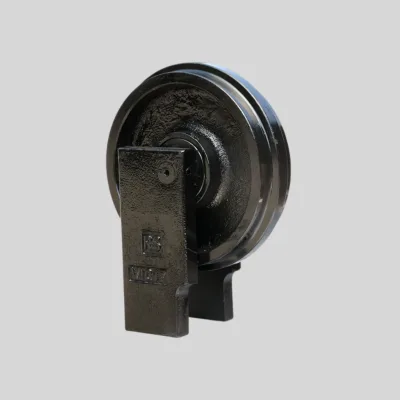
Durable Wholesale Original Front Idler Ass'y Is Suitable for Sany- Excavator
$380.00 - $535.00
MOQ: 1 Pieces




Comprehensive Sourcing Guide
Strategic Sourcing Guide for Construction Machinery Front Idlers
Understanding Technical Specifications and Material Integrity
When sourcing a front idler for construction machinery, the primary objective is to identify components that maintain track tension and guide the undercarriage system under extreme operational loads. The front idler is a critical wear part, and its performance is dictated by specific material properties and manufacturing processes. Based on available market data, the front idler is frequently manufactured using high-strength alloy steels such as 35MnB, 35mnbh, or 40mn2. These materials are selected for their ability to withstand the abrasive conditions typical of excavation and earthmoving environments.
The manufacturing process plays a pivotal role in the final durability of the component. High-quality units are typically produced through a combination of forging and casting techniques. Forging ensures a dense grain structure, while casting allows for complex geometries required for the idler's hub and flange. A critical technical parameter to verify is the surface hardness, which directly correlates with resistance to wear and abrasion. Observed specifications indicate a surface hardness range of HRC 52-58, with a hardness depth extending between 8mm and 12mm. This depth is essential to ensure that the wear-resistant layer is not merely superficial but penetrates deep enough to handle the repetitive impact of track links.
Buyers must also scrutinize the model compatibility, as front idlers are not universally interchangeable. The market features a diverse range of model identifiers, including specific part numbers like 102-8152, 14X-30-12113, and 14X-30-00116, alongside OEM designations such as ZAX870 and Kobelco LS528. The application extends beyond general construction to specific heavy equipment types, including excavators and bulldozers. Furthermore, the shaft diameter is a vital dimension, with common offerings ranging from 20mm to 30mm and beyond. The color of the idler, often black or yellow, serves as a visual identifier but does not influence mechanical performance.
Compliance, Certification, and Quality Standards
In the global procurement of construction machinery parts, compliance with international standards and certifications is non-negotiable for ensuring safety and reliability. The front idler market demonstrates a strong adherence to quality management systems, with many suppliers holding CE and ISO9001 certifications. These certifications indicate that the manufacturing facility operates under a controlled quality framework, ensuring consistency in production batches. Additionally, third-party verification bodies such as SGS and BV are frequently cited, providing an extra layer of assurance regarding material composition and dimensional accuracy.
When evaluating compliance, buyers should look for adherence to specific international standards that govern mechanical components. The supply chain data references a variety of standards including DIN, AS, RMA, SABS, BS, and JISK. These standards cover aspects ranging from material tensile strength to dimensional tolerances and surface finish requirements. It is crucial to note that while some products claim to meet "export standards," the specific application of these standards varies by region and equipment manufacturer. For instance, OEM standards like Kobelco are strictly defined by the original equipment manufacturer and require precise matching of part numbers and specifications.
The condition of the product is another compliance factor. All observed listings specify the product as "New," which is a baseline requirement for replacement parts. However, buyers must verify that "New" implies a genuine replacement part rather than a refurbished unit. The warranty period is a significant indicator of supplier confidence, with a standard offering of 12 months observed in the market. This warranty period should be clearly defined in the purchase agreement, covering defects in material and workmanship.
Cost Drivers and Pricing Dynamics
The pricing of construction machinery front idlers is influenced by a complex interplay of factors, resulting in a wide observed range from 5 USD to 20,000 USD. This vast disparity is not indicative of quality variance alone but reflects differences in unit size, material volume, manufacturing complexity, and the specific equipment model being served. A small idler for a compact excavator will naturally cost significantly less than a massive idler designed for a large crawler crane or heavy-duty bulldozer.
Material costs constitute a primary driver. The use of specialized alloy steels like 35MnB and 40mn2 is more expensive than standard carbon steel due to the enhanced mechanical properties required for high-load applications. The heat treatment process, which achieves the HRC 52-58 hardness, adds to the production cost. Furthermore, the inclusion of high-grade bearings, such as those from SKF, significantly impacts the final price. The bearing is a critical internal component that ensures smooth rotation and reduces friction; the choice of bearing brand and grade is a direct reflection of the idler's longevity and performance.
Customization is another significant cost factor. While standard models are available, the market supports extensive customization options, including specific shaft diameters, color requirements (Red, Blue, Yellow, Black), and unique packing solutions. Custom orders often incur higher unit costs due to the setup required for non-standard production runs. Additionally, the Minimum Order Quantity (MOQ) varies between 1 and 100 units. Buyers purchasing small quantities may face higher per-unit costs, whereas bulk orders can leverage economies of scale to reduce the price per item.
Typical Applications and Equipment Compatibility
The front idler is a fundamental component of the undercarriage system for tracked vehicles, playing a vital role in maintaining track alignment and tension. The primary applications identified in the market include excavators and bulldozers. These machines operate in demanding environments where the idler is subjected to constant stress from the track chain, rocks, and uneven terrain. The idler must guide the track links smoothly and absorb the shock loads generated during operation.
Compatibility is the most critical consideration when selecting a front idler. The market lists specific models such as the Kobelco Crawler Crane Idler, indicating that these parts are often designed for specific heavy machinery brands. The part numbers 102-8152, 14X-30-12113, and 14X-30-00116 suggest a high degree of specificity, meaning that a buyer must match the part number exactly to the equipment's serial number and model. Using an incorrect idler can lead to premature track wear, poor machine performance, and potential safety hazards.
The production method, whether forging or casting, also influences the application suitability. Forged idlers are generally preferred for high-stress applications due to their superior grain structure and strength, while cast idlers may be used for less demanding or lighter-duty applications. The hardness depth of 8-12mm is particularly relevant for applications involving rocky or abrasive soil, where rapid wear would otherwise compromise the idler's function. Buyers should ensure that the selected idler matches the operational intensity of their specific machinery.
Supplier Evaluation and Origin Verification
Evaluating a supplier requires a thorough analysis of their geographic origin, production capabilities, and logistical readiness. The majority of the observed supply originates from China, with specific manufacturing hubs identified in Quanzhou, Shandong, and Baoding City in Hebei Province. These regions are known for their robust manufacturing infrastructure and specialization in heavy machinery components. However, the presence of a specific location does not guarantee quality; it is the supplier's adherence to standards and their track record that matter most.
Suppliers should be evaluated based on their ability to provide consistent quality and meet delivery timelines. The observed delivery times range from 10 days to 3-30 days, depending on the order size and customization requirements. A reliable supplier must be transparent about their lead times and capable of meeting them consistently. The packaging method is also a key indicator of supplier professionalism. Standard export packing, wooden cases, and wooden pallets are common, with some suppliers offering custom packaging according to customer requirements. Proper packaging is essential to prevent damage during transit, especially for heavy and precision-engineered components.
Customization availability is a significant differentiator among suppliers. The market data indicates that customization is available for various attributes, including color, shaft size, and packing. A supplier that offers flexible customization options demonstrates a higher level of technical capability and customer service orientation. Buyers should verify that the supplier can handle custom requests without compromising on quality or delivery schedules.
Quality Control and Long-Term Procurement Considerations
Implementing a robust quality control process is essential for mitigating risks in the procurement of front idlers. Buyers should request detailed test reports and certification documents to verify that the product meets the specified hardness, material composition, and dimensional tolerances. The presence of certifications like SGS, BV, and ISO is a positive indicator, but buyers should also consider conducting independent inspections or requesting third-party testing results for critical batches.
Long-term procurement considerations extend beyond the initial purchase price. The warranty period of 12 months is a standard offering, but buyers should negotiate terms that provide adequate protection against premature failure. The durability of the idler, determined by its material and heat treatment, directly impacts the total cost of ownership. A higher-quality idler with a hardness depth of 8-12mm may have a higher upfront cost but will result in lower maintenance costs and reduced downtime over the life of the machine.
The standard export packing and the use of wooden cases or pallets are important for logistics, but buyers should also consider the environmental impact and sustainability of the packaging. Additionally, the availability of spare parts and the supplier's ability to provide technical support are crucial for long-term relationships. A supplier that offers comprehensive after-sales support and maintains a stock of critical components can significantly reduce the risk of operational disruptions.
Final Sourcing Recommendations
To conclude, sourcing a Construction Machinery Front Idler requires a meticulous approach that balances technical specifications, compliance, cost, and supplier reliability. Buyers must prioritize components that meet the specific model requirements of their equipment, ensuring exact matches for part numbers and dimensions. The verification of material quality, specifically the use of 35MnB or 40mn2 steel and the achievement of HRC 52-58 hardness, is essential for durability.
When selecting a supplier, focus on those with a proven track record in the Chinese manufacturing hubs of Quanzhou, Shandong, and Baoding. Verify their certifications, such as CE and ISO9001, and ensure they offer a clear warranty period. Consider the total cost of ownership, including the price of the idler, the cost of potential downtime, and the longevity of the component. By adhering to these guidelines and maintaining a rigorous evaluation process, buyers can secure high-quality front idlers that enhance the performance and reliability of their construction machinery.
FAQs
What material is used for construction machinery front idlers?
Front idlers are typically manufactured using high-strength alloy steels such as 35MnB, 35mnbh, or 40mn2. These materials ensure durability against abrasive conditions and heavy operational loads found in excavation environments.
How is the surface hardness of the idler determined?
The surface hardness ranges from HRC 52 to 58 with a hardness depth of 8 to 12mm. This deep penetration ensures the wear-resistant layer withstands repetitive impact from track links during operation.
Which certifications do reliable suppliers usually hold?
Reliable suppliers often hold CE and ISO9001 certifications to ensure quality management. Third-party verification bodies like SGS and BV are also frequently cited to confirm material composition and dimensional accuracy.
Can the idler be customized for specific requirements?
Yes, customization is available for shaft diameters, colors, and packing solutions. Buyers can request specific dimensions like 20mm or 30mm shafts and choose colors such as black, yellow, or red.
What is the typical delivery time for these parts?
Delivery times generally range from 10 days to 30 days depending on order size. Standard export packing or wooden cases are used to prevent damage during transit from Chinese manufacturing hubs.
Which models are compatible with these front idlers?
Compatible models include specific part numbers like 102-8152, 14X-30-12113, and ZAX870. OEM designations such as Kobelco LS528 are also supported to ensure precise matching with equipment.