Source Construction Machinery Fuel Injection Pump for Trucks, Generators, Boats
Find 30 verified listings for Construction Machinery Fuel Injection Pump components suitable for heavy-duty trucks, industrial generator sets, and boats. Buyers can compare specifications, materials, and delivery times to identify the right supplier for their needs.
Key considerations
Products List


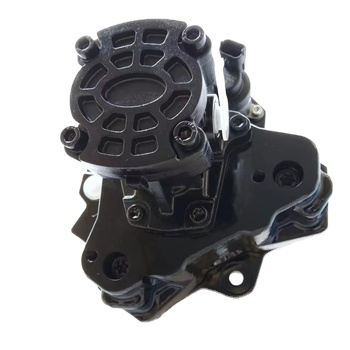
High-Pressure Diesel Engine Fuel Injection Pump for Construction Machinery
$480.00 - $530.00
MOQ: 1 Pieces


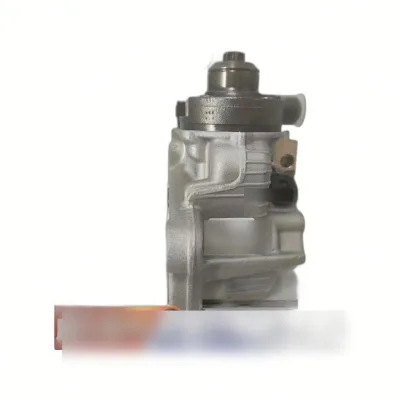
Construction Machinery Fuel Injection Pump 351-0973 Compatible with 3510973 and 2641A315
$1500.00 - $1900.00
MOQ: 1 Pieces






Comprehensive Sourcing Guide
Strategic Sourcing Guide for Construction Machinery Fuel Injection Pumps
Understanding Technical Specifications and Component Variants
When sourcing fuel injection pumps for construction machinery, buyers must first navigate a complex landscape of technical specifications that vary significantly based on the intended application and engine architecture. The core keyword "Construction Machinery Fuel Injection Pump" encompasses a wide array of components, ranging from high-pressure common rail systems to traditional mechanical injection pumps. In the current market, observed product attributes indicate that these components are often engineered with specific materials such as aluminum, aluminum alloy, and iron, each selected to balance weight, durability, and thermal resistance. For instance, aluminum and aluminum alloy variants are frequently associated with forging techniques, suggesting applications where weight reduction and structural integrity are paramount. Conversely, iron-based components often utilize casting techniques, which are typical for heavy-duty housings and internal blocks that require high impact resistance.
The technical configuration of these pumps is equally critical. Data indicates that certain models feature a "Multi-cylinder" design with a "6 Stroke" cycle, a specific engineering choice that may offer distinct efficiency profiles compared to standard four-stroke systems. The tooth geometry of related gear components is another vital specification; observed listings describe "Straight Tooth" flanks with a "Cycloid" curve, which influences the smoothness of power transmission and the longevity of the gear mesh. Furthermore, the power source for the actuation or auxiliary systems within these pumps is often hydraulic, requiring buyers to ensure compatibility with the machinery's existing hydraulic circuits. The "External Engaged" mesh form suggests specific mounting requirements that must align with the engine block's geometry.
Buyers should also pay close attention to the specific part numbers and model codes, as these are the primary identifiers for compatibility. Examples of observed model identifiers include HGBP2011, 0440020063, and 5264247. The part number 0440020063, for instance, is explicitly linked to industrial generator sets, while other variants are tailored for heavy-duty trucks and construction machinery. The condition of the unit is a fundamental specification; the market predominantly offers "New 100%" units, ensuring that the buyer receives a component with full operational life remaining. Understanding these granular technical details is the first step in preventing procurement errors that could lead to engine failure or operational downtime.
Compliance, Certification, and Regulatory Standards
In the global construction machinery sector, regulatory compliance is not merely a formality but a prerequisite for market entry and operational safety. When evaluating potential suppliers, buyers must verify that the fuel injection pumps meet a rigorous set of international and regional certifications. The observed product data highlights a robust suite of certifications, including TSRoHS, E-Mark, CE, ISOCOP, and CCC. Each of these acronyms represents a specific regulatory framework: CE indicates conformity with health, safety, and environmental protection standards for products sold within the European Economic Area, while E-Mark certification is essential for automotive and heavy equipment components intended for road use in Europe. The CCC mark is critical for products entering the Chinese market, ensuring they meet national quality and safety standards.
Beyond certifications, the adherence to specific standards is vital for quality assurance. The supply chain data references a "Standard Component" classification, implying that these pumps are manufactured to meet established industry norms rather than being entirely bespoke. However, buyers must remain vigilant regarding material standards. While some listings mention a standard weight of 10kg or 15kg, these figures likely represent packaging or shipping standards rather than the component's intrinsic mass. The material composition, whether aluminum, aluminum alloy, or iron, must be verified against the specific environmental and performance standards required by the buyer's region. For example, TSRoHS compliance ensures that the product is free from specific hazardous substances, a requirement that is increasingly mandated in export markets.
It is also important to note that while the data lists these certifications, they are observed attributes of specific listings and should not be assumed to apply to every product in the category without verification. Buyers must request valid certification documents from the supplier for the specific batch or model they intend to purchase. The presence of an "E-Mark" or "CE" on a product page is a strong indicator, but the physical certificate and the scope of the certification must be cross-referenced with the actual part number and manufacturing origin. In the context of construction machinery, which often operates in harsh environments, compliance with these standards ensures that the fuel injection pump can withstand the rigorous demands of the field without compromising safety or environmental regulations.
Cost Drivers and Pricing Dynamics
The pricing structure for construction machinery fuel injection pumps is influenced by a multitude of factors, resulting in a wide observed range from 1 to 1900 USD. This significant variance is not arbitrary but reflects differences in material costs, manufacturing complexity, brand positioning, and the specific technical capabilities of the unit. The primary cost driver is the material composition; pumps manufactured from aluminum alloys or forged aluminum typically command a higher price point due to the raw material costs and the energy-intensive forging process required to achieve the desired strength-to-weight ratio. In contrast, cast iron components, while durable, may be priced differently depending on the casting technology and the complexity of the internal geometry.
Manufacturing techniques also play a pivotal role in cost determination. The "Forging" and "Casting" methods mentioned in the product attributes represent distinct cost structures. Forging generally involves higher tooling and energy costs but yields superior mechanical properties, which can justify a premium price. Casting, while often more cost-effective for complex shapes, may involve different quality control measures that affect the final price. Additionally, the level of customization available is a significant factor. The market offers "Available" customization options, which can include specific part numbers, packaging, or technical modifications. Customized orders typically incur higher unit costs due to the setup and lower economies of scale compared to standard off-the-shelf components.
The Minimum Order Quantity (MOQ) is another critical variable affecting the total cost of procurement. The observed MOQ range spans from 1 to 100 units. Buyers purchasing single units or small batches may face a higher per-unit cost, whereas those ordering in larger quantities can leverage volume discounts. The payment terms, such as "Tt" (Telegraphic Transfer), and the delivery lead time, which ranges from 1-7 days to 7-15 days, also influence the overall financial calculation. Faster delivery times often come with a premium, while longer lead times may allow for more competitive pricing. Furthermore, the inclusion of value-added services, such as "Free Services and Repairs" or "Video Outgoing-Inspection," adds to the perceived value and can impact the final price. Buyers must analyze the total cost of ownership, including these ancillary services, rather than focusing solely on the base unit price.
Typical Applications and Operational Environments
Fuel injection pumps for construction machinery are designed to operate in some of the most demanding environments on the planet. The primary applications identified in the market data include heavy-duty trucks, construction machinery, tractors, boats, and industrial generator sets. These applications share common operational characteristics: high load cycles, continuous operation, and exposure to dust, moisture, and extreme temperature fluctuations. The "Heavy Duty Truck" and "Construction Machinery" segments require pumps that can deliver precise fuel metering under high pressure and variable engine speeds, ensuring optimal performance and fuel efficiency.
The versatility of these components is evident in their broad applicability. For instance, the same technical architecture may be adapted for use in "Industrial Generator Sets," where reliability is critical to maintaining power supply during outages or remote operations. The "Diesel Engine" type is the standard power source for these applications, necessitating pumps that are compatible with diesel fuel properties and injection timing requirements. The "Multi-cylinder" and "6 Stroke" configurations observed in some listings suggest that these pumps are engineered for engines with specific firing orders and power outputs, which are common in large-scale earthmoving equipment and marine vessels.
Buyers must also consider the "Applicable Industries" when selecting a pump. The data points to "Machinery Repair Shops" and "Machinery Manufacturing" as key sectors, indicating that these components are not only used in original equipment manufacturing (OEM) but also in the aftermarket repair and maintenance sector. The "Long Working Life" advantage is a crucial attribute for these applications, as downtime in construction and industrial settings can be extremely costly. The "External Engaged" mesh form and "Straight Tooth" geometry are design features that contribute to the durability required for these heavy-duty tasks. Understanding the specific operational context is essential for selecting a pump that will perform reliably over its intended lifespan.
Supplier Evaluation and Quality Assurance Protocols
Evaluating suppliers for construction machinery fuel injection pumps requires a rigorous assessment of their quality assurance capabilities and operational transparency. The market data highlights several key indicators of supplier reliability, such as the provision of "Video Outgoing-Inspection" and a "Warranty" period of 6 months. These features suggest that the supplier is confident in the quality of their products and is willing to invest in transparency to build trust with the buyer. The "Video Outgoing-Inspection" is particularly valuable as it allows buyers to verify the condition and specifications of the product before it leaves the factory, reducing the risk of receiving defective or non-compliant units.
The "Condition" of the product is another critical evaluation metric. The consistent listing of "New 100%" condition across the market indicates a standard expectation for buyers. However, buyers should verify this claim through the supplier's quality control processes. The "High Quality" attribute is a common claim, but it must be substantiated by the supplier's track record and the specific certifications they hold. The availability of "After-Sales Service," including "Free Services and Repairs," is a significant differentiator. This service level indicates a commitment to long-term customer support, which is vital for construction machinery where rapid resolution of issues is necessary to minimize downtime.
When selecting a supplier, buyers should also consider the "Customization" capabilities. The ability to provide "Customized Packaging" or "Detailsneutral Packaging" demonstrates flexibility and attention to the buyer's logistical needs. The "Car Make" and "Component" specificity, such as "Auto Nozzle" for "Hyundai" vehicles, suggests that some suppliers have deep expertise in specific OEM ecosystems. Buyers should prioritize suppliers who can demonstrate a clear understanding of the specific part numbers and model codes relevant to their machinery. The "Delivery Time" of 1-7 days or 7-15 days is another factor to consider, as it impacts the buyer's inventory management and project timelines. A supplier with a proven track record of meeting delivery deadlines is essential for maintaining operational continuity.
Long-Term Procurement and Maintenance Considerations
Sourcing fuel injection pumps for construction machinery is not a one-time transaction but part of a long-term procurement strategy that involves maintenance, inventory management, and lifecycle planning. The "Warranty" period of 6 months provides a baseline for the supplier's confidence in the product's durability, but buyers should plan for the entire lifecycle of the component. The "Long Working Life" advantage is a key factor in this planning, as it reduces the frequency of replacements and the associated downtime costs. Buyers should also consider the "Fuel Saver Type" and "Additive Burning with Fuel" attributes, which may influence the operational efficiency and fuel consumption of the machinery over time.
Inventory management is another critical aspect of long-term procurement. The "MOQ" range of 1 to 100 allows for flexibility in stocking levels, enabling buyers to maintain a strategic inventory of critical spare parts without over-investing in capital. The "Carton Package" and "Carboon Box" (likely a typo for Carbon Box or similar protective packaging) indicate the level of protection provided during shipping, which is important for preserving the condition of the pumps during storage. The "Standard Component" nature of many listings suggests that these parts are widely available, which can simplify the procurement process for routine maintenance and repairs.
Finally, buyers should consider the "Payment" terms and the overall financial implications of the procurement. The "Tt" (Telegraphic Transfer) method is standard, but buyers should negotiate terms that align with their cash flow requirements. The "Free Services and Repairs" offer is a significant value-add that can reduce the total cost of ownership. By focusing on suppliers who offer comprehensive after-sales support and high-quality, durable products, buyers can ensure the long-term reliability of their construction machinery fleet. The "Application" scope, covering everything from "Heavy Duty Truck" to "Boat," underscores the need for a versatile and robust supply chain that can support diverse operational needs.
FAQs
What certifications do construction machinery fuel injection pumps have?
These pumps typically carry TSRoHS, E-Mark, CE, ISOCOP, and CCC certifications. Buyers must verify specific batch documents to ensure compliance with regional safety and environmental standards before procurement.
Which materials are used for these injection pumps?
Manufacturers use aluminum, aluminum alloy, and iron for pump construction. Aluminum variants often involve forging for weight reduction, while iron components typically utilize casting for heavy-duty durability.
Can I get customization for these fuel injection pumps?
Yes, customization is available for specific part numbers and packaging requirements. Buyers should confirm the exact model compatibility, such as HGBP2011 or 0440020063, before requesting custom modifications.
What is the delivery time for these pumps?
Delivery times range from 1 to 15 days depending on the supplier and order specifics. Some vendors offer 1-7 day shipping, while others may require up to 7-15 days for processing.
How is the quality of new pumps verified before shipping?
Suppliers often provide video outgoing-inspection to verify the condition and specifications. The units are typically listed as 100% new with a warranty period of 6 months for added assurance.
What is the minimum order quantity for these pumps?
The minimum order quantity ranges from 1 to 100 units based on the supplier. Single-unit purchases are possible, but larger batches may qualify for different pricing or packaging options.
Which applications are these pumps suitable for?
These pumps are designed for heavy-duty trucks, construction machinery, tractors, boats, and industrial generator sets. They are compatible with diesel engines requiring high-pressure fuel injection systems.