Source Contemporary Brass Angle Valve for Kitchen, Heating, and Garden
Compare 30 listings of Contemporary Brass Angle Valve options for kitchen, heating pipeline, and garden applications. Buyers can review specifications like working pressure, thread size, and material composition to find suitable industrial and sanitary ware solutions; compare the available evidence and request quotations based on your requirements.
Updated
Key considerations
Products List


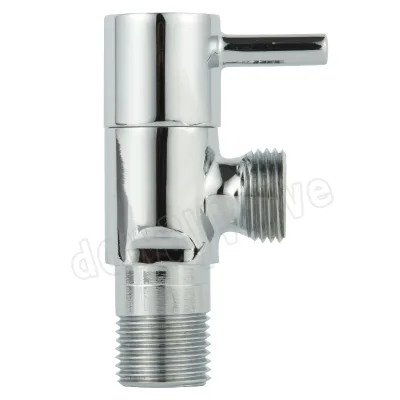
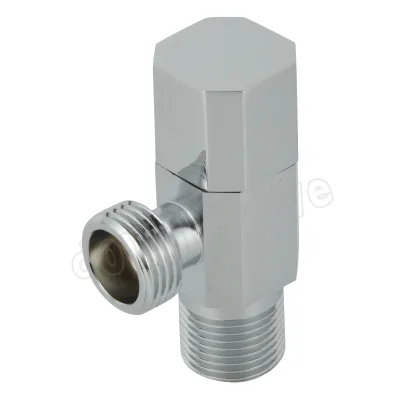
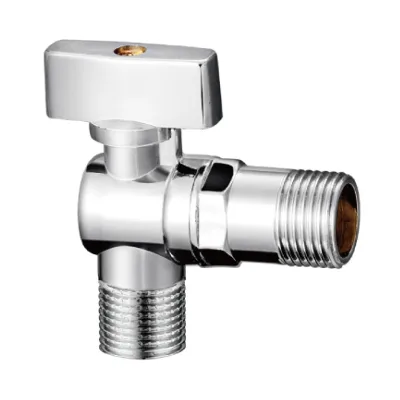
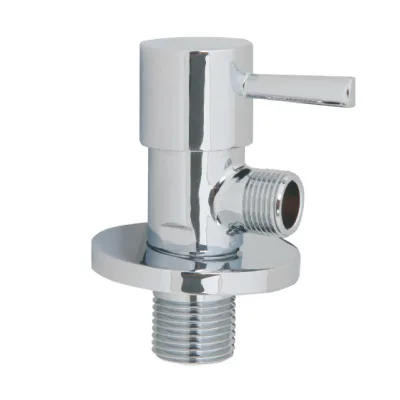
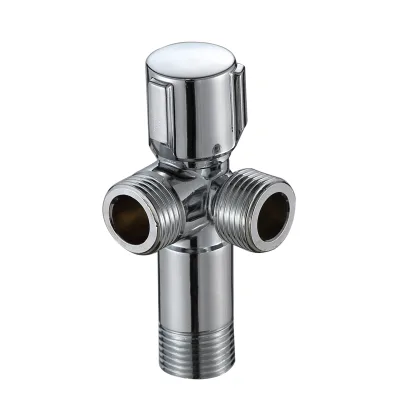
Wholesale Brass Angle Valve with Top Quality Chrome Plated and 1/2 Inch
$0.50 - $1.00
MOQ: 1000 Pieces




Comprehensive Sourcing Guide
Contemporary Brass Angle Valve Sourcing Guide
Sourcing contemporary brass angle valves requires a careful balance between aesthetic design and functional reliability, particularly for projects involving sanitary ware and heating pipelines. Buyers must recognize that while the core material is often brass, the specific alloy composition and manufacturing processes significantly impact durability and performance in industrial or commercial settings. The observed market data indicates a wide range of customization options, allowing procurement teams to tailor valve specifications to unique project requirements without compromising on the fundamental integrity of the water or gas control systems.
It is crucial to distinguish between general-purpose valves and those designed for specific media applications, such as water or gas, as this distinction dictates the necessary safety certifications and material treatments. The observed listings suggest that many suppliers offer OEM and ODM services, which can be advantageous for brands seeking consistent product lines. However, buyers must verify that the "contemporary" design elements do not come at the expense of essential mechanical properties, such as working pressure ratings or temperature resistance, which are critical for long-term operational safety in both residential and commercial environments.
Product Scope and Observed Listing Signals
The current market for brass angle valves exhibits significant variation in product models, with observed identifiers ranging from the JF8 series to HA28 and generic angle valve classifications. Buyers should note that while the body material is predominantly brass, some listings indicate the use of plastic components for handles or internal filters, which may affect the valve's suitability for high-temperature or high-pressure applications. The observed price range of $0.5 to $22 USD reflects this diversity, suggesting that lower-cost options may utilize thinner materials or less robust sealing mechanisms, while higher-priced items likely offer enhanced durability and precision engineering.
Minimum Order Quantities (MOQs) observed in the market span from 50 to 3000 units, indicating flexibility for both small-scale procurement and large industrial contracts. Suppliers frequently offer free samples, which is a critical step for verifying the physical quality, finish, and threading compatibility before committing to a larger order. The packaging details vary from simple paper boxes to more protective EPE foam bags and colorful boxes, which can influence the final landed cost and the risk of damage during transit, especially for valves with chrome-plated surfaces that are prone to scratching.
Technical Specifications to Verify
When evaluating technical specifications, buyers must prioritize the connection form and thread size, as these determine compatibility with existing plumbing infrastructure. Observed data highlights thread sizes ranging from 1/2" to 4", with BSP threads being a common standard, but buyers must verify the exact thread length and pitch to ensure a leak-free seal. The working pressure rating of 16 bar (232 psi) is a key benchmark for many industrial and commercial applications, and buyers should confirm that the selected valve model meets or exceeds this requirement for their specific system pressure.
The internal components, such as the valve plug and filter, are critical for long-term performance and maintenance intervals. Ceramic valve plugs are often preferred for their wear resistance and smooth operation, while brass or stainless steel filters help prevent debris from damaging the sealing mechanism. Buyers should also verify the temperature range, as some valves are rated for ordinary temperatures (0-80°C), while others may be suitable for low-temperature applications. The service life claims, ranging from over 5 to over 10 years, should be treated as estimates and validated through independent testing or supplier warranties.
Compliance and Safety Documentation
Compliance with regional and international standards is non-negotiable for brass angle valves used in water and gas applications. Buyers must request documentation that verifies the valve's compliance with relevant plumbing codes and safety regulations, such as those governing lead content in drinking water systems. Although specific certification names are not provided in the observed data, buyers should insist on third-party test reports that confirm the material composition and pressure integrity of the valves. This documentation is essential for passing inspections and ensuring that the installed valves do not pose a health or safety risk to end-users.
For valves intended for gas applications, additional safety certifications are required to prevent leaks and ensure proper sealing under varying pressure conditions. Buyers should verify that the supplier has a robust quality management system in place, which often includes ISO certifications, although these are not explicitly listed in the observed facts. The presence of a factory-direct supply chain can facilitate easier access to compliance documentation, but buyers must still perform independent verification to ensure that the products meet the specific regulatory requirements of their target market.
Cost Drivers and Commercial Terms
Several factors influence the final cost of brass angle valves, including the raw material prices for brass and copper, the complexity of the forging process, and the surface treatment methods such as chrome plating. Buyers should be aware that customization options, such as specific thread lengths or handle colors, may incur additional charges or affect the MOQ. The observed MOQ range of 50 to 3000 units suggests that larger orders can leverage economies of scale, but buyers must balance this with their storage capacity and cash flow constraints to avoid overstocking.
Commercial terms, including payment methods and lead times, vary significantly among suppliers. Buyers should negotiate clear terms regarding sample costs, which are often free but may require shipping fees, and clarify the lead time for bulk orders. The packaging details, such as the use of cartons and pallets, can also impact logistics costs, especially for international shipments. Buyers should request a detailed breakdown of costs to understand how factors like OEM branding or specific packaging requirements affect the unit price, ensuring transparency in the procurement process.
Supplier Qualification and Quality Control
Supplier qualification is a critical step in ensuring the reliability of the brass angle valves. Buyers should verify the supplier's manufacturing capabilities, including their ability to perform forging and surface plating in-house, which can reduce the risk of quality inconsistencies. The observed data indicates that many suppliers are located in Zhejiang, China, a region known for its plumbing fixture industry, but buyers should conduct on-site audits or request virtual tours to assess the production environment and quality control processes.
Quality control measures should include rigorous testing of the valves for leaks, pressure resistance, and durability. Buyers should request sample testing results and verify that the supplier has a systematic approach to inspecting incoming materials and finished products. The availability of OEM and ODM services suggests that suppliers are experienced in meeting specific client requirements, but buyers must establish clear quality standards and acceptance criteria in their contracts. Regular communication and periodic audits can help maintain consistent quality and address any issues promptly.
Long-Term Procurement Checks
Long-term procurement success depends on establishing a sustainable relationship with suppliers who can consistently deliver high-quality products. Buyers should monitor supplier performance metrics, such as on-time delivery rates, defect rates, and responsiveness to issues, to identify potential risks early. The observed service life claims of over 5 to 10 years should be validated through field performance data, and buyers should maintain a feedback loop with end-users to gather insights on valve durability and functionality.
Continuous improvement in the procurement process involves staying updated on industry trends and technological advancements in valve design and materials. Buyers should regularly review their supplier base to ensure they are getting the best value and quality, and be open to exploring new suppliers who may offer innovative solutions. By maintaining a proactive approach to supplier management and quality assurance, buyers can mitigate risks and ensure that their plumbing systems remain reliable and efficient over the long term.
FAQs
What materials are used in contemporary brass angle valves?
The valve body is constructed from brass, while the handle is made of plastic. Internal filters may utilize brass or stainless steel. This combination ensures durability and resistance to corrosion in industrial and sanitary ware applications. The ceramic valve plug provides reliable sealing performance over a service life exceeding ten years.
Can these valves handle high working pressure?
Yes, the valves are designed to withstand a working pressure of 16 bar, which equals 232 psi. They are suitable for water and gas applications in heating pipelines and general industrial settings. The quick-opening mechanism allows for efficient control while maintaining structural integrity under standard operating conditions.
What thread sizes are available for these angle valves?
Thread sizes range from 1/2 inch to 4 inches, with common specifications like 1/2 inch BSP. The thread length can be customized to meet specific installation requirements. This flexibility allows for easy integration into various plumbing systems, including kitchen, home, commercial, and garden applications.
Is customization available for these brass angle valves?
Yes, customization is available for OEM and ODM requests. Buyers can specify thread lengths and handle colors, such as red or blue. The factory supports tailored packaging solutions, including EPE foam bags and colorful boxes. This service ensures the products meet specific branding and logistical needs.
What is the typical service life of these valves?
The service life exceeds ten years under normal operating conditions. The ceramic valve plug and brass body contribute to long-term reliability. Some models may have a service life of over five years depending on the specific application and media. Regular maintenance ensures optimal performance in water and gas systems.
How are these valves packaged for shipping?
Packaging options include EPE foam bags, colorful boxes, and paper boxes. Larger orders may be packed in cartons with pallets for stability. The standard packaging details ensure protection during transit. This approach minimizes damage risks and maintains product quality upon arrival at the destination.