Source Stainless Steel Sinks for Hotels, Kitchens, and Restaurants
Compare 30 Stainless Steel Sinks from verified suppliers. Options include single and double bowl designs with customizable sizes, various thicknesses, and installation types for commercial and residential use. Browse models like WK-SK-031 and BL-839 with brushed or polished finishes to find the right fit for your specific needs.
Updated
Key considerations
Products List


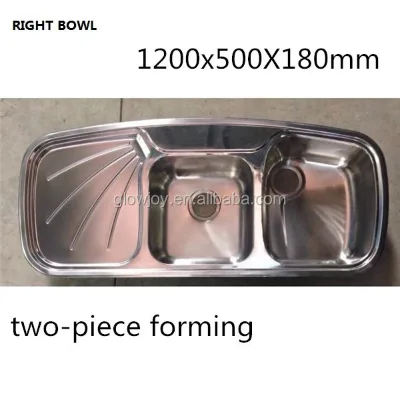

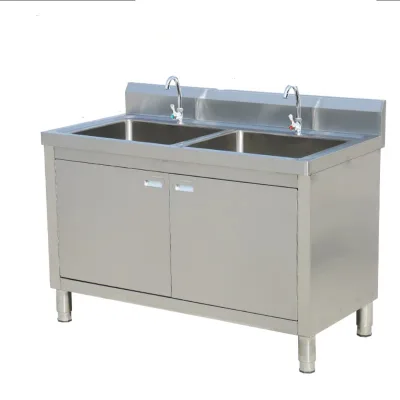
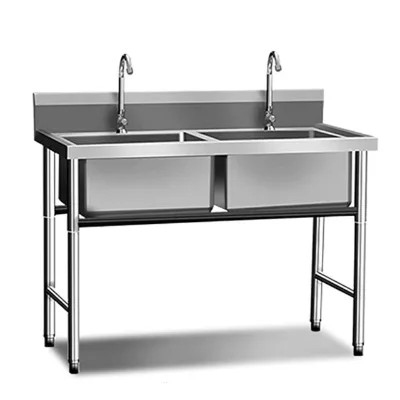
Factory Custom Made Stainless Steel Factory Supplier Wholesale Price Stainless Steel Sink
$35.985 - $205.6238
MOQ: 1 Minimum





Comprehensive Sourcing Guide
Stainless Steel Sinks Sourcing Guide
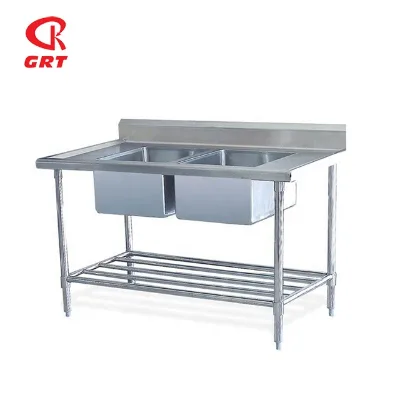
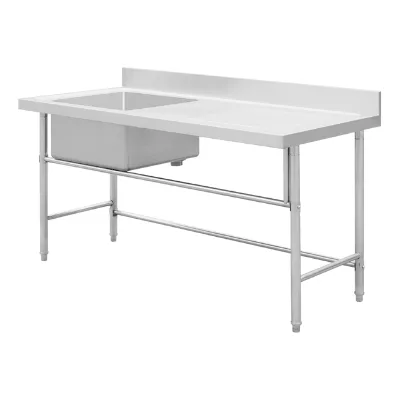
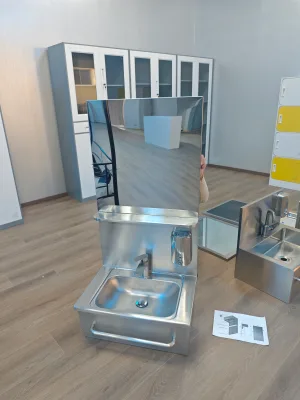
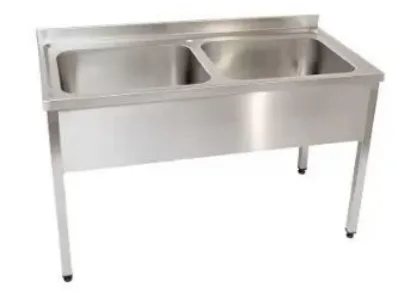
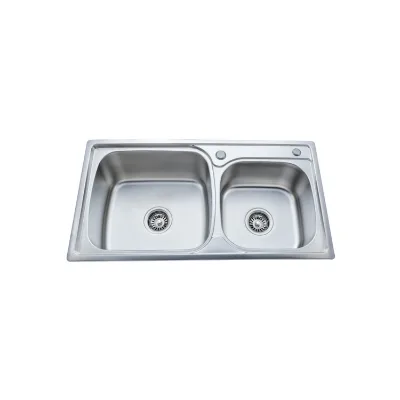
Procuring Stainless Steel Sinks requires a disciplined approach to aligning material properties with operational demands. Buyers must distinguish between single-bowl configurations and multi-compartment units, as each serves distinct workflow requirements in commercial and residential settings. The observed market offers a wide spectrum of styles, from brushed finishes to polished surfaces, each impacting both aesthetic appeal and maintenance protocols. Understanding these visual and functional differences is the first step in defining precise procurement specifications that prevent costly mismatches between supplier offerings and end-user expectations.
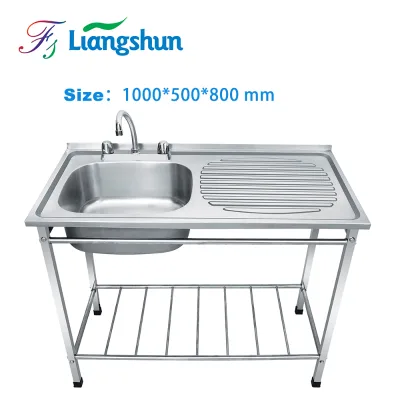
Material integrity remains the cornerstone of sink durability, with 304 stainless steel emerging as a prevalent standard for corrosion resistance and hygiene. Sourcing guides indicate that thickness variations, ranging from 1.0mm to 2.0mm, directly influence structural rigidity and acoustic performance. Buyers should verify that the specified gauge meets the intended load-bearing requirements, particularly for heavy-duty commercial environments. Additionally, the presence or absence of integrated faucets and the type of leg assembly significantly alter installation complexity and long-term stability, necessitating careful review of product attributes before finalizing orders.
Product Scope and Observed Listing Signals
The current market landscape for Stainless Steel Sinks reveals a diverse array of product configurations tailored to specific installation needs. Listings frequently highlight single-bowl designs alongside three-compartment units, catering to both space-constrained residential kitchens and high-volume commercial food preparation areas. The observed product range includes models with detachable legs, such as round tube or square tube variants, which offer flexibility for different counter heights and floor stability requirements. These structural variations allow buyers to customize the sink’s footprint and height, ensuring seamless integration into existing kitchen layouts without requiring extensive renovation work.
Surface treatment options play a crucial role in defining the sink’s maintenance profile and visual character. Brushed finishes are commonly offered to minimize the visibility of scratches and water spots, making them ideal for high-traffic environments where aesthetic upkeep is a priority. Conversely, polished surfaces provide a sleek, reflective appearance that may suit modern design themes but requires more frequent cleaning to maintain their luster. Buyers should carefully evaluate these finish options against their specific operational context, considering factors such as cleaning frequency, available maintenance resources, and the desired visual impact within the overall kitchen design scheme.
Technical Specifications to Verify
Thickness verification is a critical technical step, as listed gauges such as 1.0mm, 1.2mm, 1.5mm, and 2.0mm vary significantly in durability and sound dampening capabilities. Buyers must confirm that the actual material thickness matches the quoted specification, as thinner gauges may lead to warping or excessive noise during use. Additionally, the loading capacity, observed in the range of 100-150 Kg, provides a baseline for structural integrity but should be cross-referenced with the specific leg configuration and mounting method. Ensuring that the sink can withstand the intended operational load without deformation is essential for long-term reliability and safety in both residential and commercial applications.
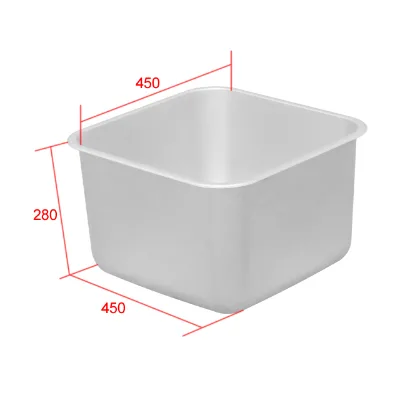
Installation type and hole configuration are equally important technical parameters that dictate compatibility with existing countertops and fixtures. Models are available with one or two holes, influencing the choice of faucet and accessory integration. The installation method, whether above counter, inset, or assembly type, affects the sealing process and potential for water leakage. Buyers should verify the exact dimensions and cutout requirements for each model, ensuring that the sink fits precisely within the designated space. Customization options for size and model numbers, such as WK-SK-031 or BL-839, offer flexibility but require precise communication of specifications to avoid manufacturing errors and installation delays.
Compliance and Safety Documentation
While specific certification statuses are not universally detailed in the provided context, buyers should prioritize suppliers who can demonstrate adherence to relevant food safety and material quality standards. Stainless Steel Sinks intended for food preparation must comply with regulations governing material contact safety, ensuring that the alloy does not leach harmful substances. Buyers should request documentation verifying the grade of stainless steel used, particularly for models marketed as 304 stainless steel, to confirm resistance to corrosion and bacterial growth. This verification process is crucial for maintaining hygiene standards and meeting regulatory requirements in commercial kitchens and hospitality settings.
Warranty and after-sales support structures provide an additional layer of protection for procurement investments. The observed market includes suppliers offering one-year warranties, along with services such as free spare parts and technical video support. These provisions indicate a commitment to product longevity and customer satisfaction, reducing the risk of unexpected repair costs. Buyers should carefully review the terms of these warranties, including coverage limits and response times, to ensure they align with operational needs. Clear communication regarding support protocols can significantly mitigate downtime and maintenance challenges, ensuring that the sink remains functional and hygienic throughout its service life.
Cost Drivers and Commercial Terms
Pricing for Stainless Steel Sinks varies widely, with observed ranges spanning from $4.9 to $395, reflecting differences in material quality, thickness, and feature sets. Buyers should analyze cost drivers such as the gauge of stainless steel, the complexity of the design, and the inclusion of accessories like faucets or specialized legs. Thicker gauges and multi-compartment designs typically command higher prices due to increased material usage and manufacturing complexity. Understanding these variables allows buyers to benchmark quotes effectively and identify potential cost-saving opportunities without compromising on essential quality attributes or durability requirements.
Minimum order quantities (MOQs) and packaging methods also influence the total cost of ownership. Observed MOQs range from 1 to 2000 units, offering flexibility for both small-scale residential projects and large commercial installations. Packaging options, including air bubble film, carton boxes, and plywood boxes, vary in protective capability and cost. Buyers should select packaging that ensures safe transit and minimizes damage risks, particularly for bulk orders. Additionally, considering the origin of the products, such as Zhejiang or Shandong in China, can provide insights into logistics costs and lead times, enabling more accurate budgeting and supply chain planning for the procurement project.
Supplier Qualification and Quality Control
Evaluating supplier capabilities involves assessing their production capacity and quality assurance processes. The observed market includes suppliers with monthly machinery functions up to 10,000 units, indicating a capacity for large-scale production. Buyers should verify the supplier’s ability to maintain consistent quality across batches, particularly for customized sizes and specifications. Requesting samples or conducting factory audits can provide valuable insights into manufacturing practices, material handling, and final inspection protocols. These steps help ensure that the delivered products meet the specified technical requirements and aesthetic standards, reducing the risk of defects and returns.
Brand reputation and design style alignment are also key factors in supplier selection. Models from brands like RUITAI or those featuring modern design styles may offer distinct advantages in terms of market recognition and aesthetic appeal. Buyers should review the supplier’s portfolio to ensure their design philosophy aligns with the end-user’s preferences. Additionally, considering the supplier’s location and logistical efficiency can impact delivery times and overall project timelines. A thorough evaluation of these qualitative factors, combined with technical verification, ensures a robust supplier partnership that supports long-term procurement goals and operational success.
Long-Term Procurement Checks
Establishing a framework for ongoing quality monitoring is essential for maintaining sink performance over time. Buyers should implement regular inspections of delivered goods, checking for surface defects, dimensional accuracy, and structural integrity. Feedback loops with end-users can provide valuable insights into real-world performance, highlighting any issues related to durability, cleaning ease, or installation stability. This continuous improvement process allows buyers to refine their specifications and supplier requirements, ensuring that future orders meet evolving operational needs and quality expectations. Proactive monitoring helps prevent minor issues from escalating into significant operational disruptions.
Reviewing after-sales service effectiveness and warranty claim resolution is crucial for long-term supplier relationship management. Buyers should track the responsiveness and quality of technical support and spare parts provision to assess the supplier’s commitment to customer satisfaction. High-quality after-sales service can significantly enhance the total value of the procurement, reducing downtime and maintenance costs. By maintaining open communication with suppliers and documenting service experiences, buyers can negotiate better terms and foster a collaborative partnership. This strategic approach ensures that the procurement process remains agile and responsive to changing market conditions and operational demands.
FAQs
What customization options are available for Stainless Steel Sinks?
Customization is available for Stainless Steel Sinks, allowing buyers to specify dimensions and configurations. Products like the WK-SK-031 model support customized sizes to meet specific kitchen layouts. Buyers can also choose between assembly types or knocked-down configurations. This flexibility ensures the sink fits unique operational requirements in commercial or residential settings without compromising structural integrity.
What thickness options exist for stainless steel kitchen sinks?
Stainless Steel Sinks are available in multiple thickness options, including 1.0mm, 1.2mm, 1.5mm, and 2.0mm. These variations allow buyers to select the appropriate durability level for their specific usage needs. Thicker gauges generally offer enhanced resistance to dents and noise. The choice depends on the intended load capacity and frequency of use in the kitchen environment.
Can Stainless Steel Sinks be purchased without a faucet?
Yes, Stainless Steel Sinks can be purchased without a faucet. Many models, such as the Three-Compartment Stainless Steel Sink, are designed as bowl sinks without integrated faucets. This style provides flexibility for buyers to install their preferred faucet types separately. It is ideal for commercial kitchens or custom residential setups where specific plumbing fixtures are required.
What after-sale service is provided for Stainless Steel Sinks?
After-sale service includes free spare parts and technical video support for Stainless Steel Sinks. Some models also offer online technical support and a one-year warranty. These services ensure that buyers receive assistance with installation or maintenance issues. The support helps resolve technical problems efficiently, ensuring long-term product performance and customer satisfaction in various kitchen applications.
What is the loading capacity of stainless steel three-compartment sinks?
Stainless steel three-compartment sinks typically have a loading capacity of 100-150 Kg. This capacity is supported by sturdy legs, such as φ48 round tube or 38*38 square tube designs. The robust construction ensures stability under heavy loads, making them suitable for commercial kitchens. Buyers should verify specific model specifications to ensure the sink meets their operational weight requirements.
What packaging methods are used for Stainless Steel Sinks?
Stainless Steel Sinks are packaged using air bubble film, carton boxes, or plywood boxes. These methods protect the brushed or polished surfaces during transit. The choice of packaging depends on the model and shipping requirements. For instance, some items use carton boxes with specific piece counts per carton. Proper packaging ensures the product arrives in pristine condition, ready for installation.