Source contemporary 8-k panel umbrella for Events, Daily Use, and Advertising
Find 30 options for the contemporary 8-k panel umbrella suitable for events, daily use, and advertising. Buyers can compare frame materials, fabric types, and customization features to select the right supplier; compare the available evidence and request quotations based on your requirements.
Updated
Key considerations
Products List


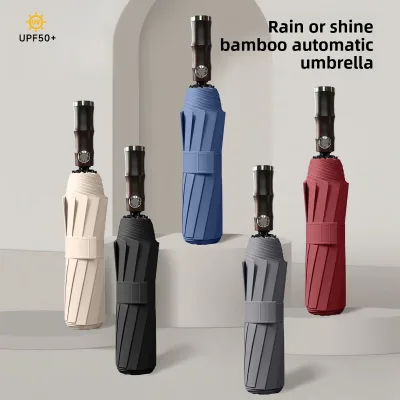


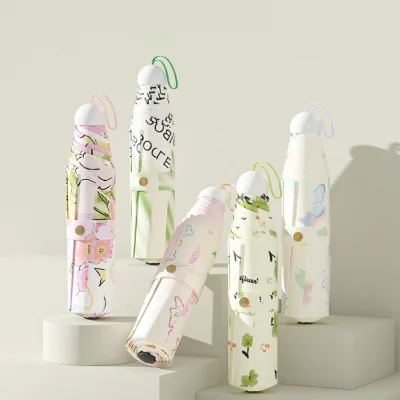
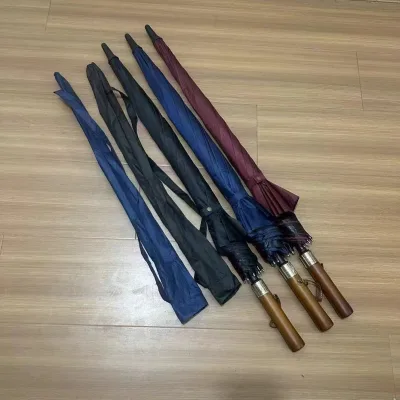
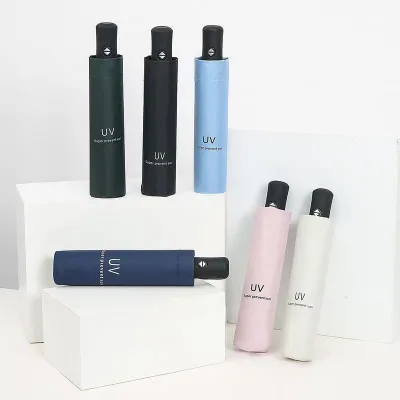
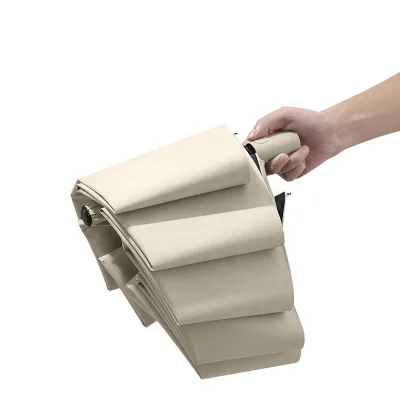
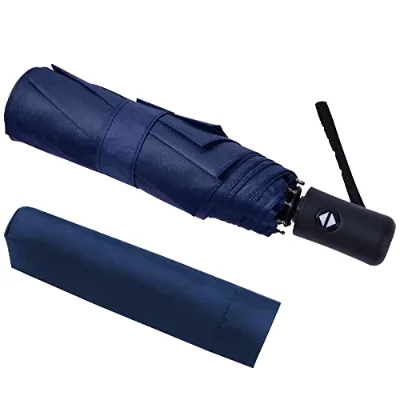
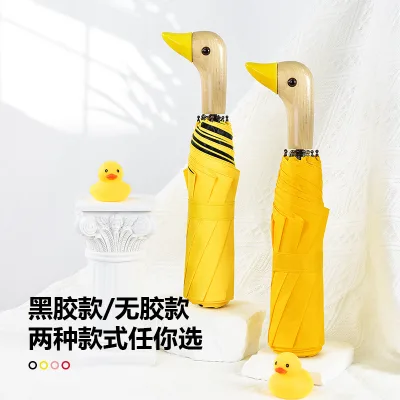
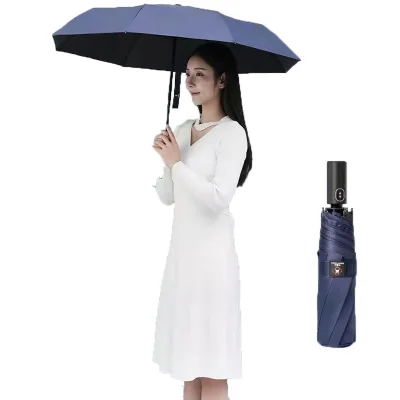
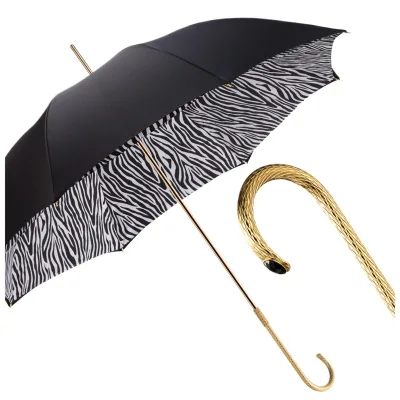


Comprehensive Sourcing Guide
Contemporary 8-K Panel Umbrella Sourcing Guide
Sourcing a contemporary 8-k panel umbrella requires a clear understanding of the structural and aesthetic nuances that define this specific product category. The "8-k" designation typically refers to an eight-panel construction, which offers a balanced silhouette and improved wind resistance compared to simpler six-panel designs. Buyers must evaluate whether the "contemporary" style implies a minimalist aesthetic, such as the concise classic umbrella noted in some listings, or a more vibrant, fashion-forward design suitable for celebrations. The choice of frame material, ranging from iron to aluminum alloy or fiberglass, significantly impacts the umbrella's weight, durability, and price point. Iron frames provide robustness but may add unnecessary weight, while aluminum and fiberglass offer lighter, more portable options that align with modern consumer preferences for convenience.
Procurement teams should also consider the customization options available, as many suppliers offer OEM services and personalized branding. The fabric choice, whether polyester or pongee, dictates the umbrella's water resistance, UV protection capabilities, and overall feel. Polyester is often preferred for its durability and cost-effectiveness, while pongee may offer a softer texture and better print quality for logos. Additionally, the handle material, which can be rubber, ABS, or wood, plays a crucial role in user experience and perceived value. Buyers need to verify if the supplier supports custom colors and handle designs, ensuring the final product aligns with their brand identity and target market expectations.
Product Scope and Observed Listing Signals
The observed market signals indicate a diverse range of umbrella types, from garden umbrellas to rainshade and advertising umbrellas, with prices ranging from $1.3 to $115.4 USD. This wide variance suggests that the "contemporary 8-k panel" description can apply to various product tiers, from basic promotional items to high-end fashion accessories. Minimum order quantities (MOQs) typically range from 50 to 3000 units, reflecting the flexibility of suppliers to accommodate both small boutique orders and large corporate bulk purchases. Buyers should note that some listings specify an 8-rib structure, which is often synonymous with the 8-panel design, providing a sturdy framework that supports the canopy effectively.
Origin locations are primarily reported as China, with specific mentions of Zhejiang and Shanghai, indicating a concentrated manufacturing hub for these products. The packing methods vary, with options including carton boxes, OPP bags, and polybags, which can influence shipping costs and product protection. Some suppliers highlight features like anti-UV properties, while others do not, requiring buyers to verify the specific performance claims of each product. The availability of customization, including logo printing and color options, is a common feature, allowing businesses to tailor the umbrellas to their specific branding needs. Understanding these signals helps buyers narrow down their search to suppliers who can meet their specific quality and volume requirements.
Technical Specifications to Verify
When verifying technical specifications, buyers should focus on the frame material and rib construction, as these are critical for the umbrella's longevity and performance. The supplied data mentions frame materials such as iron, aluminum alloy, and fiberglass, each with distinct advantages. Iron frames are durable but heavier, while aluminum and fiberglass offer lighter, more flexible options. The rib count is often specified as 8 or 10, with 8 ribs being a common standard for 8-panel umbrellas. Buyers should confirm the exact rib material and thickness, as these factors influence the umbrella's ability to withstand wind and rain without breaking.
Additionally, the fabric type and treatment are essential technical details to verify. Polyester and pongee are the most common fabrics, with differences in water repellency, UV protection, and print quality. Some listings mention anti-UV properties, which should be confirmed through supplier documentation or third-party testing. The handle material, whether rubber, ABS, or wood, affects the grip and comfort, so buyers should request samples to assess the tactile experience. The umbrella's size, such as the 25-inch or 27-inch models mentioned, should also be verified to ensure it meets the desired coverage and portability requirements for the end-user.
Compliance and Safety Documentation
Compliance and safety documentation are crucial for ensuring that the umbrellas meet international standards and regulations. Buyers should request certificates such as SGS, which indicates that the product has undergone specific testing for quality and safety. While some listings mention SGS certification, it is essential to verify the scope of this certification, including whether it covers material safety, structural integrity, or chemical compliance. Buyers should also inquire about any other relevant certifications, such as REACH or CPSIA, depending on the target market and intended use of the umbrellas.
In addition to certifications, buyers should ask for test reports that detail the results of wind resistance, water repellency, and UV protection tests. These reports provide objective data on the product's performance and help buyers make informed decisions. It is also important to verify the origin of the materials used, ensuring that they are sourced from reputable suppliers and do not contain harmful substances. By prioritizing compliance and safety documentation, buyers can mitigate risks and ensure that the umbrellas they procure are safe for consumers and compliant with local regulations.
Cost Drivers and Commercial Terms
Cost drivers for contemporary 8-k panel umbrellas include the frame material, fabric type, customization options, and order volume. Iron frames are generally more cost-effective than aluminum or fiberglass, while polyester fabric is often cheaper than pongee. Customization, such as logo printing and custom colors, can increase the unit price, especially for smaller order quantities. Buyers should negotiate based on the total order volume, as larger orders typically result in lower per-unit costs. The packing method, whether carton or polybag, can also impact shipping costs and should be considered in the overall cost analysis.
Commercial terms, including payment terms, lead times, and shipping methods, should be clearly defined in the contract. Buyers should aim for favorable payment terms, such as a deposit followed by balance payment upon shipment, to manage cash flow effectively. Lead times can vary depending on the complexity of the order and the supplier's production capacity, so it is important to establish realistic timelines. Shipping methods, whether by sea or air, will affect the delivery time and cost, so buyers should choose the option that best suits their needs. Clear communication of these terms helps avoid misunderstandings and ensures a smooth procurement process.
Supplier Qualification and Quality Control
Supplier qualification is a critical step in the procurement process, ensuring that the chosen partner can deliver high-quality products consistently. Buyers should verify the supplier's business license, production capacity, and quality management systems. Suppliers with ISO certification or other recognized quality standards are generally more reliable. It is also important to assess the supplier's experience in manufacturing umbrellas, as this indicates their expertise and ability to handle complex orders. Buyers should request references or case studies from previous clients to gain insight into the supplier's performance and reliability.
Quality control measures should be implemented throughout the production process to ensure that the final products meet the specified standards. Buyers should conduct pre-production inspections to verify materials and designs, in-process inspections to monitor production quality, and final random inspections before shipment. These inspections help identify and rectify any defects early, reducing the risk of receiving substandard products. Buyers should also establish clear quality acceptance criteria and communicate them to the supplier. By implementing robust quality control measures, buyers can ensure that the umbrellas they procure meet their expectations and satisfy their customers.
Long-Term Procurement Checks
Long-term procurement checks involve continuous monitoring of supplier performance and market trends to ensure ongoing value and quality. Buyers should regularly review supplier performance metrics, such as on-time delivery rates, product quality, and responsiveness to issues. This data helps identify potential problems early and allows for proactive management of the supply chain. Buyers should also stay informed about market trends, such as changes in consumer preferences or new material technologies, to ensure that their product offerings remain competitive.
Building a strong relationship with the supplier is essential for long-term success. Regular communication, feedback, and collaboration can help improve the partnership and lead to better terms and services. Buyers should consider conducting periodic audits or visits to the supplier's facility to assess their operations and build trust. Additionally, buyers should explore opportunities for innovation and improvement, such as new designs or sustainable materials, to enhance the product's value. By focusing on long-term procurement checks, buyers can ensure a stable and reliable supply of contemporary 8-k panel umbrellas that meet their evolving needs.
FAQs
What frame materials are available for contemporary 8-k panel umbrellas?
Contemporary 8-k panel umbrellas are available with frames made from iron, fiberglass, or aluminum alloy. These materials offer different balances of strength and weight. Buyers can select iron for durability, fiberglass for flexibility, or aluminum alloy for lightweight portability. Each option supports the 8-panel structure effectively.
Can I customize the fabric and handle of these umbrellas?
Yes, customization is available for both fabric and handle components. Fabric options include polyester and pongee, allowing for varied texture and UV protection levels. Handle choices range from rubber and ABS to wood, providing ergonomic comfort. Buyers can specify these details to meet specific branding or functional requirements.
What are the standard packaging methods for these umbrellas?
Standard packaging methods include carton boxes, OPP bags, and polybags. The specific packaging depends on the model and order quantity. For instance, some models use 1PCS/OPP packaging, while others are packed in cartons. This flexibility ensures safe transport and allows buyers to choose based on their logistics needs.
Which certifications apply to these contemporary 8-k panel umbrellas?
SGS certification is a documented standard for some of these umbrellas. This indicates compliance with specific quality and safety benchmarks. Buyers seeking verified products should look for models explicitly listing SGS standards. This certification adds value for commercial buyers requiring assured product quality and regulatory adherence in their sourcing decisions.
What is the typical MOQ for ordering these umbrellas?
The typical MOQ ranges from 50 to 3000 units. This wide range accommodates both small trial orders and large bulk purchases. Buyers can negotiate specific quantities based on their inventory needs. The flexibility in MOQ allows businesses of various sizes to source these umbrellas without excessive minimum commitment barriers.
Are these umbrellas suitable for advertising purposes?
Yes, many models are designed as advertising umbrellas with customizable colors and logos. Features like eco-friendly materials and concise styles make them ideal for promotional events. Buyers can add their branding to enhance visibility. These umbrellas serve as effective marketing tools for celebrations and daily use scenarios.