Source Cooling PE Polyethylene Filaments for Sportswear, Fishing Nets, and Summer Mats
Compare 30 listings for Cooling PE Polyethylene Filaments from Chinese manufacturers. Buyers can evaluate features like high strength, eco-friendly properties, and customization options for applications including sportswear, fishing nets, and summer mats.
Key considerations
Products List


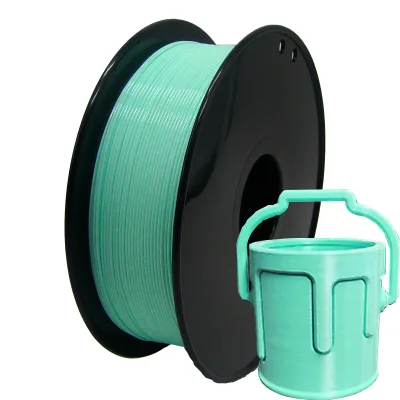
PE (High Molecular) Ice Cooled Yarn PE Yarn Polyethylene Cooling Yarn
$3.50 - $4.00
MOQ: 1000 kilometer


Comprehensive Sourcing Guide
Strategic Sourcing Guide for Cooling PE Polyethylene Filaments
Understanding the Technical Profile of High Molecular PE Yarns
When sourcing cooling polyethylene (PE) filaments, buyers must first distinguish between the various technical configurations available in the market. The core product category often referred to as "PE High Molecular Ice Cooled Yarn" represents a specialized subset of synthetic fibers designed for thermal regulation and high-performance applications. These filaments are typically categorized under "Other Fiber" types but possess unique structural properties that differentiate them from standard polyethylene products. The fundamental material composition often involves 100% virgin polyethylene chips, ensuring purity and consistent performance characteristics.
A critical technical observation is the variation in fiber length and structure. Suppliers may offer products described as a "Combination of Short Fibers and Continuous Filament Yarn" or strictly as "Continuous Filament." This distinction significantly impacts the final application. Continuous filament yarns, often associated with models like HDPE007 or PEY001, provide superior tensile strength and are essential for applications requiring high durability, such as fishing nets and heavy-duty ropes. In contrast, combination yarns might be tailored for specific knitting or weaving processes where flexibility is paramount. The coarseness of these filaments is generally classified as "Medium Yarn," with specific diameter specifications ranging from 0.005mm to 1.00mm or 0.20mm to 0.50mm depending on the specific model. Buyers must verify the exact diameter range required for their manufacturing process, as this directly influences the cooling efficiency and mechanical strength of the final textile.
The production techniques employed also vary, with "Ring Spun" being a noted method for creating specific yarn textures. The resulting yarns are often classified as "Fancy Yarn," which implies a deliberate manipulation of the fiber structure to achieve unique aesthetic or functional properties. The color options are typically flexible, allowing for "as Your Require" customization, often achieved through a "Dyed" process. This customization capability is a key feature for buyers targeting specific market segments in home textiles or sportswear.
Compliance, Certification, and Quality Standards
In the B2B procurement of industrial fibers, verifying compliance and certification is non-negotiable. The supply chain for polyethylene filaments is subject to various quality assurance protocols. Based on observed market data, products in this category frequently carry the CE certification, indicating conformity with health, safety, and environmental protection standards for products sold within the European Economic Area. Additionally, ISO9001 certification is a critical benchmark for manufacturers, specifically noted in contexts such as "Type:Braided Rope," suggesting that the production facility adheres to international quality management systems.
Quality attributes are paramount when evaluating cooling PE filaments. Buyers should look for descriptors such as "High Quility" (High Quality) and specific performance features like "High Strength," "Eco-Friendly," and "High Temperature-Resistant." These attributes are not merely marketing terms but functional requirements for products intended for outdoor gear, sportswear, or summer mats. The material must exhibit "Good Chemical Stability" and "Minor Hydroscopicity," ensuring that the yarn does not absorb excessive moisture, which could compromise its cooling properties or structural integrity in humid environments.
Furthermore, the raw material standard is a vital compliance point. Reputable suppliers often specify the use of "100% virgin polyethylene chips" rather than recycled materials, which ensures consistent molecular weight and mechanical properties. Buyers must explicitly request documentation confirming the virgin status of the chips, as the presence of recycled content can alter the melting point and tensile strength, potentially leading to product failure in high-stress applications. The origin of the product is also a factor; many high-volume suppliers are located in China, with specific manufacturing hubs in Jiangsu province, including Nantong. While the origin itself is not a quality indicator, it helps in logistics planning and understanding the regulatory environment of the supplier.
Cost Drivers and Pricing Dynamics
The pricing structure for PE polyethylene filaments is influenced by several variable factors, primarily raw material costs, production complexity, and order volume. The observed price range in the market spans from $0.01 to $20 per unit, though this wide variance often reflects differences in packaging, unit weight, and specific model configurations. For instance, a single item in a single package may have a different unit price compared to bulk pallet shipments. The "Single Gross Weight" of a standard package is noted at 15.000 Kg, which serves as a baseline for calculating freight costs and handling fees.
Minimum Order Quantity (MOQ) is a significant driver of total procurement costs. The market exhibits a broad MOQ range, from as low as 1 unit to as high as 100,000 units. Specific product models often carry distinct MOQ requirements; for example, certain high-strength braided ropes or specialized cooling yarns may require an MOQ of 500kg or 1000 Kgs. This volume threshold can significantly impact the per-unit cost. Buyers purchasing below the standard MOQ may face higher unit prices or be required to pay a setup fee. Conversely, larger orders often benefit from economies of scale, reducing the cost per kilogram.
Customization is another major cost factor. While "Customization" is listed as an available feature, the extent of this customization—such as specific dyeing processes, unique coarseness, or tailored packing methods like "Paper Bobbin" or "Iron Bobbin"—will influence the final price. The "Standard" product models may be more cost-effective, whereas bespoke solutions involving specific diameters (e.g., 0.005-1.00mm) or specialized features like "Low Elasticity" combined with "High Temperature-Resistant" properties will command a premium. Buyers should also consider the "Delivery Time," which is typically 15-25 days. Longer lead times may necessitate higher inventory holding costs, while expedited shipping options could add to the overall procurement budget.
Typical Applications and Performance Requirements
The versatility of Cooling PE Polyethylene Filaments allows them to serve a diverse array of industries. The primary applications identified include "Home Textiles," "Summer Mats," "Sportswear," and "Knitted Jerseys." In these contexts, the "Ice Cooled" attribute is leveraged to provide thermal comfort, making the yarn ideal for activewear and bedding designed for warm climates. The "High-Elastic" and "High Strength" features ensure that garments made from these filaments maintain their shape and durability during physical activity.
Beyond textiles, these filaments are extensively used in industrial and outdoor applications. The "Fishing Net" application is a dominant use case, where the "High Tensile Strength" and "High Heat-Resisting Property" are critical for withstanding the harsh marine environment. The "Fishing Nets" and "Shower Buff" applications benefit from the material's "Minor Hydroscopicity," which prevents water absorption and reduces weight when wet. Similarly, "Sunshade Nets" and "Ropes" utilize the "High Temperature-Resistant" and "Eco-Friendly" characteristics to ensure longevity under direct sunlight and exposure to the elements.
The "Usage" category also encompasses "Garment," "Decoration," "Agriculture," and "Outdoor Gear." In agriculture, the durability of the yarn supports the creation of durable nets and covers. For "Decoration," the "Dyed" pattern and "Fancy Yarn" classification allow for aesthetic versatility. The "Knitting," "Sewing," "Weaving," and "Hand Knitting" capabilities indicate that these filaments are compatible with a wide range of manufacturing equipment. Buyers must align the specific technical specifications, such as "Continuous Filament" versus "Combination of Short Fibers," with the intended end-use to ensure optimal performance.
Supplier Evaluation and Operational Capabilities
Selecting a reliable supplier requires a rigorous evaluation of their operational capabilities and track record. Buyers should prioritize suppliers who offer "Sample" support, with some providing "Free" samples to facilitate quality testing. This allows procurement teams to verify the "High Strength," "Eco-Friendly" claims, and actual cooling performance before committing to a large order. The ability to provide samples is a strong indicator of supplier confidence and transparency.
The production capacity and logistics infrastructure are also critical. Suppliers located in regions like Jiangsu, China, often have established supply chains for polyethylene raw materials. The "Pallet" packing method is a standard for bulk shipments, ensuring efficient handling and transport. Buyers should verify the "Delivery Time" reliability, as the typical range of 15-25 days must align with the buyer's production schedule. Delays in delivery can disrupt manufacturing lines, particularly for just-in-time inventory models.
Furthermore, the supplier's commitment to quality control should be evident in their documentation. The presence of certifications like CE and ISO9001 is a positive sign, but buyers should also request detailed test reports for specific batches. The "Quality" attribute of "High Quility" should be backed by consistent production records. Suppliers who offer "Customized" standards and models demonstrate flexibility, but buyers must ensure that customization does not compromise the core material integrity. The "Number of Shares" being "Single Yarn" suggests a focus on pure product lines, which can simplify quality assurance processes.
Quality Control and Long-Term Procurement Strategy
Implementing a robust quality control (QC) strategy is essential for maintaining product consistency. Buyers should establish clear acceptance criteria based on the observed specifications, such as fiber length, coarseness, and tensile strength. Regular sampling and testing should be conducted to verify that the "High Temperature-Resistant" and "High Strength" properties remain consistent across different production batches. The "Standard" of "0.005-1.00mm" or "0.20mm-0.50mm" must be strictly adhered to, as deviations can affect the final product's performance.
Long-term procurement considerations involve building a sustainable supply chain. Buyers should evaluate the supplier's ability to scale production as demand grows, given the wide MOQ range observed in the market. The "Eco-Friendly" nature of the product is increasingly important for brands with sustainability goals, and buyers should ensure that the supplier's practices align with these values. The use of "100% virgin polyethylene chips" supports this goal, but buyers should also inquire about the supplier's waste management and energy consumption practices.
Finally, establishing a clear communication channel for technical support and after-sales service is vital. The "Customization" feature requires close collaboration between the buyer and the supplier to ensure the final product meets specific design requirements. By maintaining a strategic partnership with a reliable supplier, buyers can mitigate risks associated with supply chain disruptions and ensure a steady flow of high-quality Cooling PE Polyethylene Filaments for their diverse applications.
| Feature Category | Key Specifications & Observations | Procurement Verification Point |
|---|---|---|
| Material Composition | 100% Virgin Polyethylene Chips, PE High Molecular | Confirm virgin chip status via test reports |
| Fiber Structure | Continuous Filament or Combination of Short/Continuous | Verify fiber length type for intended application |
| Mechanical Properties | High Strength, High Elasticity, Low Elasticity options | Test tensile strength and elasticity limits |
| Thermal Performance | High Temperature-Resistant, Ice Cooled (Cooling) | Validate heat resistance and cooling efficiency |
| Certifications | CE, ISO9001 (Type:Braided Rope) | Request valid certification documents |
| Packaging & Logistics | Paper/Iron Bobbin, Pallet, 15.000 Kg Gross Weight | Confirm packaging type and weight accuracy |
| Customization | Color (Dyed), Diameter (0.005-1.00mm), Standard | Define exact specs before production start |
| MOQ & Lead Time | 1-100,000 units; 15-25 Days Delivery | Align MOQ with budget and timeline needs |
FAQs
What certifications do cooling PE filaments typically hold?
Products often carry CE certification for European safety compliance. Some manufacturers also provide ISO9001 certification for quality management systems, ensuring consistent production standards for industrial fibers.
Which fiber length options are available for these filaments?
Suppliers offer both continuous filament and a combination of short fibers with continuous filaments. The choice depends on the required tensile strength and specific knitting or weaving processes for the final textile application.
Can buyers customize the color and packaging of the yarn?
Yes, customization is available for color as required and specific packaging types like paper bobbins or iron bobbins. This flexibility allows buyers to tailor the product to their brand or manufacturing line needs.
What is the typical minimum order quantity for these products?
Minimum order quantities vary significantly, ranging from 1 unit up to 100,000 units depending on the model. Specific high-strength models often require a minimum of 500kg or 1000kg for bulk procurement.
How long does delivery typically take for these filaments?
The standard delivery time is between 15 to 25 days from the order date. This lead time accounts for production and logistics, though expedited options may vary based on supplier capacity and location.
What are the main applications for cooling PE polyethylene yarns?
These filaments are used in home textiles, sportswear, fishing nets, and sunshade nets. Their high strength and temperature resistance make them suitable for outdoor gear and heavy-duty industrial applications requiring durability.
Are samples available for testing the product quality?
Sample support is available, with some suppliers offering free samples for evaluation. This allows buyers to verify the high strength, eco-friendly properties, and cooling performance before committing to a large bulk order.