Source Cooling UV Protection Sports Sleeves for Cycling, Gym, and Racing
Compare 30 listings for Cooling UV Protection Sports Sleeves designed for athletes. These arm sleeves offer quick-drying, breathable, and anti-UV features suitable for cycling, gym workouts, and racing events; compare the available evidence and request quotations based on your requirements.
Key considerations
Products List

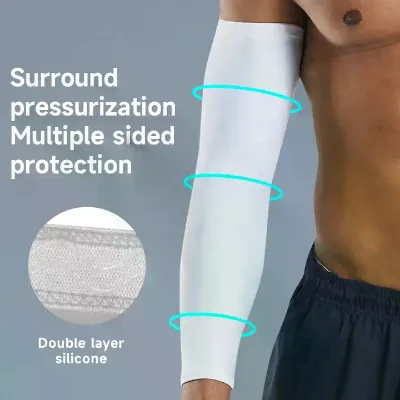


UV Protection Cooling Upf 50 Long Summer Arm Sports Sleeves for Men & Women
$0.30 - $2.80
MOQ: 100 Pairs

Quick Dry Cutdoor Sport Compresion Cool Ice Silk Arm Sleeve for UV Protection
$0.30 - $2.80
MOQ: 100 Pairs

Summer Quick Dry Custom Logo Print Anti UV Breathable Arm Cover Cooling Sleeve
$0.30 - $2.80
MOQ: 100 Pairs


Comprehensive Sourcing Guide
Cooling UV Protection Sports Sleeves Sourcing Guide
Procuring Cooling UV Protection Sports Sleeves requires a strategic approach that balances material performance with functional durability. These accessories are primarily designed for athletes and outdoor enthusiasts who demand reliable sun defense during high-intensity activities. The core value proposition lies in the fabric’s ability to block harmful ultraviolet rays while maintaining breathability to prevent overheating. Buyers must prioritize products that offer a certified UPF rating, ensuring that the garment provides consistent protection regardless of stretching or wear. This foundational requirement separates premium athletic gear from generic fashion accessories, directly impacting user safety and comfort during prolonged exposure to sunlight.
Beyond basic sun protection, the market for these sleeves has expanded to include specialized features such as rip-stop technology and quick-drying capabilities. These attributes are critical for users engaging in dynamic sports like cycling, running, or water sports, where sweat management and fabric resilience are paramount. The integration of spandex and polyester blends allows for a snug, compression-like fit that stays in place without restricting movement. Sourcing teams should evaluate how well the material retains its shape after repeated washing and exposure to chlorine or saltwater, as these factors significantly influence the product’s lifespan and overall user satisfaction in competitive environments.
Product Scope and Observed Listing Signals
The current market landscape for cooling sleeves reveals a diverse range of product configurations tailored to specific athletic needs. Listings frequently highlight customization options, including logo printing and digital sublimation, which are essential for team branding and corporate gifting. Buyers will observe a wide spectrum of color options, from standard black and white to vibrant hues like green, red, and purple, allowing for extensive visual customization. The availability of unisex designs and adult sizing ensures broad applicability across different demographics, while the presence of adjustable elasticity features addresses fit concerns for various arm circumferences.
Observed listing signals also indicate a strong emphasis on OEM services, with many suppliers offering low minimum order quantities to facilitate trial orders. This flexibility is particularly beneficial for startups and small businesses looking to enter the athletic apparel market without significant inventory risk. The packaging details often specify individual polybags or custom OPP bags, which help maintain product hygiene and presentation. Additionally, the mention of specific model numbers and single package dimensions provides clarity on logistics planning, enabling buyers to accurately calculate shipping volumes and storage requirements for their distribution channels.
Technical Specifications to Verify
Verifying technical specifications is crucial to ensuring that the purchased sleeves meet the intended performance standards. Buyers should confirm the exact material composition, typically a blend of spandex and polyester, which offers the necessary stretch and durability. It is essential to verify the fabric weight and knit structure, as these factors directly influence breathability and cooling efficiency. The presence of rip-stop features should be validated through physical inspection or supplier documentation, as this technology prevents tears and extends the product’s usability in rugged conditions. Additionally, the elasticity range must be sufficient to provide a secure fit without causing discomfort or circulation issues during extended wear.
Printing methods and colorfastness are other critical technical aspects that require rigorous verification. Digital sublimation and fully sublimation prints are common, but buyers must ensure that the ink does not compromise the fabric’s breathability or UV protection properties. The durability of the print after multiple wash cycles should be tested to prevent fading or peeling, which can detract from the product’s aesthetic appeal. Furthermore, the sizing accuracy must be confirmed against standard charts, as inconsistencies can lead to high return rates. Buyers should also check for any additional features like anti-UV coatings or flame-retardant treatments, ensuring they align with the specific safety requirements of the target market.
Compliance and Safety Documentation
Compliance with international safety standards is non-negotiable for sports apparel, particularly when products are marketed for UV protection. Buyers must request and verify certificates such as EN71 and SGS, which attest to the product’s safety and quality. These certifications ensure that the materials used are free from harmful substances and meet rigorous testing protocols. It is also important to confirm that the UV protection claims are backed by independent laboratory tests, as unsubstantiated claims can lead to legal liabilities and damage brand reputation. Suppliers should provide detailed test reports that outline the UPF rating and the effectiveness of the fabric against UVA and UVB rays.
In addition to safety certifications, buyers should inquire about environmental and ethical compliance standards. Many consumers and retailers now prioritize sustainable sourcing and ethical manufacturing practices. Documentation regarding the origin of raw materials and the manufacturing process can provide insights into the product’s environmental impact. Buyers should also verify that the suppliers adhere to labor standards and have proper workplace safety measures in place. This holistic approach to compliance not only mitigates risk but also enhances the brand’s appeal to socially conscious consumers, fostering long-term loyalty and trust in the marketplace.
Cost Drivers and Commercial Terms
Understanding the cost drivers associated with Cooling UV Protection Sports Sleeves is essential for effective budgeting and pricing strategies. The primary cost factors include material quality, customization complexity, and order volume. High-grade spandex and polyester blends, along with advanced printing techniques like digital sublimation, can increase production costs. However, economies of scale often kick in with larger orders, reducing the per-unit price significantly. Buyers should negotiate based on volume tiers, leveraging their purchasing power to secure better rates. Additionally, the choice of packaging and labeling options can impact costs, so it is important to balance aesthetic preferences with budget constraints.
Commercial terms such as minimum order quantities (MOQ), lead times, and payment terms also play a crucial role in the procurement process. Typical MOQs for customized sleeves can range from small batches to larger quantities, depending on the supplier’s capabilities. Lead times for samples and bulk orders should be clearly defined to ensure timely delivery, especially for seasonal products. Buyers should also clarify the terms for sample orders, including costs and refund policies, to minimize upfront expenses. Establishing clear communication channels and agreeing on flexible payment terms can further streamline the procurement process, reducing financial risk and enhancing supplier relationships.
Supplier Qualification and Quality Control
Supplier qualification is a critical step in ensuring the reliability and consistency of the supplied cooling sleeves. Buyers should conduct thorough due diligence, including verifying the supplier’s business license, production capacity, and past performance. Requesting references from previous clients can provide valuable insights into the supplier’s reliability and customer service quality. It is also important to assess the supplier’s quality control processes, including in-line inspections and final random inspections. A robust QC system ensures that defects are identified and rectified before shipment, reducing the risk of receiving substandard products.
Quality control should extend to the evaluation of raw materials and finished goods. Buyers should request samples for rigorous testing, including wash durability, colorfastness, and UV protection efficacy. Establishing clear quality benchmarks and acceptance criteria is essential for maintaining consistency across orders. Regular audits of the supplier’s production facilities can help identify potential issues early and ensure compliance with agreed-upon standards. Building a strong partnership with a qualified supplier involves continuous communication and feedback, fostering a collaborative environment that prioritizes quality and innovation. This proactive approach minimizes risks and enhances the overall procurement experience.
Long-Term Procurement Checks
Long-term procurement success depends on continuous monitoring and evaluation of supplier performance and market trends. Buyers should establish key performance indicators (KPIs) to track metrics such as on-time delivery, product quality, and responsiveness to issues. Regular performance reviews with suppliers can help identify areas for improvement and strengthen the partnership. Additionally, staying informed about industry trends and technological advancements is crucial for maintaining a competitive edge. Buyers should regularly assess the market for new materials, designs, and features that could enhance their product offerings.
Feedback from end-users is another valuable tool for long-term procurement optimization. Collecting and analyzing customer reviews can provide insights into product performance and areas for improvement. Buyers should also monitor competitor activities and pricing strategies to ensure their offerings remain competitive. Investing in supplier development programs can help enhance capabilities and foster innovation. By maintaining a proactive and adaptive approach to procurement, buyers can ensure a steady supply of high-quality Cooling UV Protection Sports Sleeves, meeting the evolving needs of their customers and sustaining business growth.
FAQs
What materials are used for these Cooling UV Protection Sports Sleeves?
These sleeves are made from Spandex Knitted Polyester and pure Spandex to ensure durability and comfort. The fabric offers quick-drying and breathable properties suitable for various sports activities like cycling and fitness.
Can I customize the logo and design on these arm sleeves?
Yes, customized logos and designs are available for these products. You can request fully sublimation print or digital sublimation printing with CMYK colors to match your specific artwork requirements for branding purposes.
Which certifications do these sports sleeves meet for safety?
The products meet EN71 and SGS standards to ensure safety and quality compliance. These certifications verify that the materials and manufacturing processes adhere to recognized international safety requirements for sports accessories.
How long is the sample order lead time for these items?
Sample orders are supported with a lead time of 5 to 7 working days. This allows buyers to verify product quality and customization options before committing to larger bulk orders for their specific needs.
What is the minimum order quantity for purchasing these sleeves?
The minimum order quantity is typically 100 pieces or 20 pairs depending on the specific supplier listing. Some options allow mixing sizes within the minimum order requirement to accommodate diverse inventory needs.
Which features make these sleeves suitable for outdoor sports?
These sleeves feature anti-UV protection, flame retardancy, and rip-stop capabilities for outdoor use. They also provide body shape support and adjustable elasticity to ensure comfort during intense activities like running or cycling.