Source Cordless Pet Hair Vacuum Cleaner for Home, Carpet, and Floor
Find 30 Cordless Pet Hair Vacuum Cleaner options with varying suction power, filtration systems, and battery life. Compare specifications from multiple suppliers to select the ideal unit for home, carpet, and hard floor cleaning needs; compare the available evidence and request quotations based on your requirements.
Updated
Key considerations
Products List


Brushless Motor Handheld Cordless Upright Cleaning Home Appliances Pet Hair Vacuum Cleaner
$40.70 - $69.70
MOQ: 750 Pieces


Pet Hair Lithium Battery Cleaning Tool Cordless Vacuum Cleaner with Base Support
$52.00 - $65.30
MOQ: 1152 Pieces

Ly908 Vacuum Cleaner Cordless Hand-Held Powerful Portable Pet Hair Home & Car Cleaning
$38.88 - $40.88
MOQ: 840 Pieces
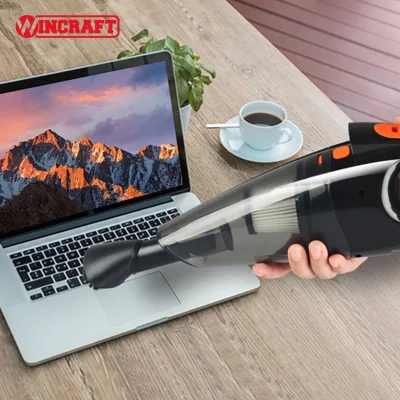


Pet Friendly Dust Sensing Cordless Handheld Vacuum Cleaner for Home Cleaning
$46.00 - $48.00
MOQ: 500 Pieces


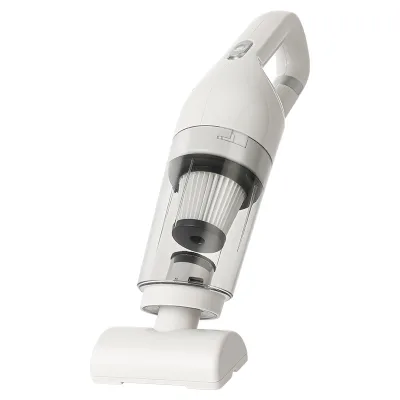
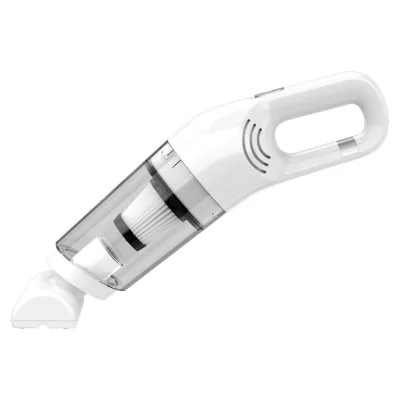
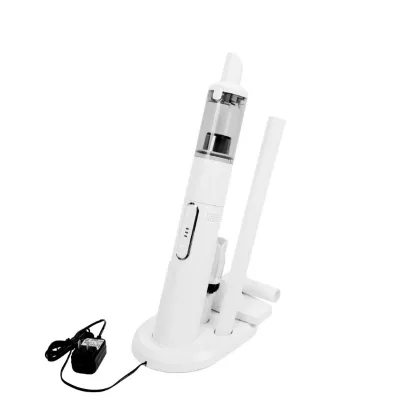
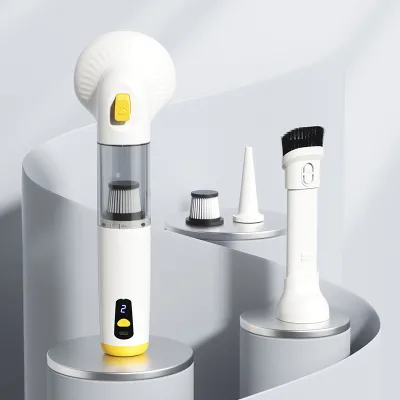
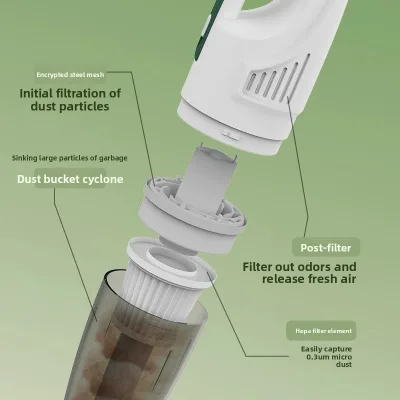
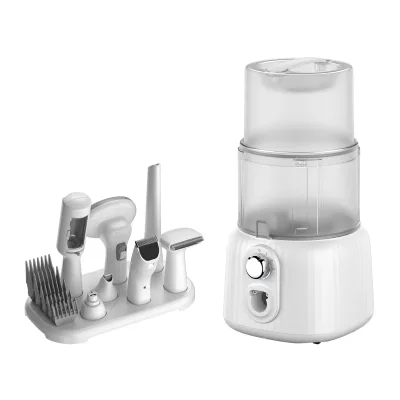
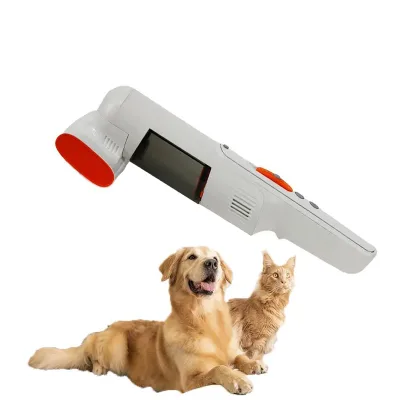
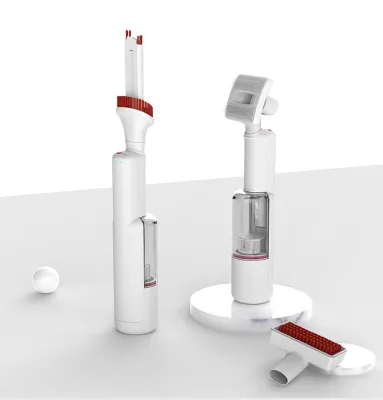
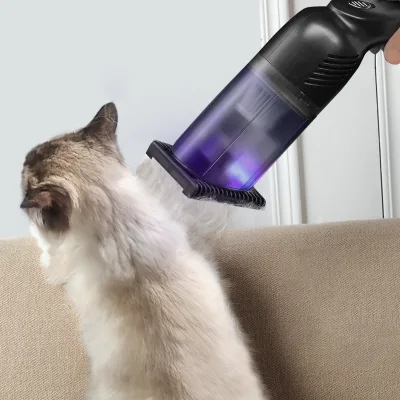
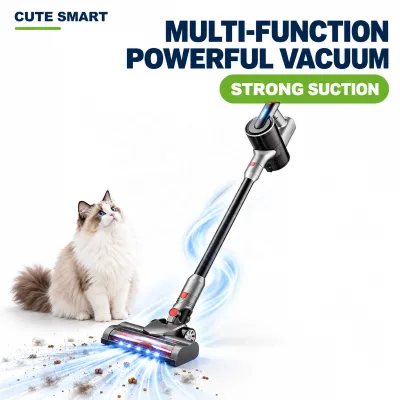


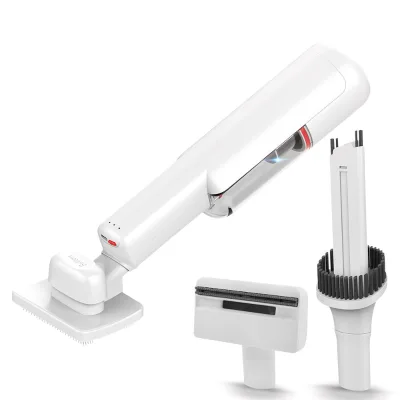
4 in 1 Handheld Home Car Use Pet Hair Grooming Cordless Vacuum Cleaner
$35.9355 - $49.2826
MOQ: 1 Minimum


Comprehensive Sourcing Guide
Cordless Pet Hair Vacuum Cleaner Sourcing Guide
Sourcing cordless pet hair vacuum cleaners requires a strategic balance between portability, suction power, and specialized filtration. Buyers must navigate a market where "cordless" often overlaps with "stick" or "hand-held" classifications, necessitating clear definition of the intended use case. The observed product landscape includes diverse models ranging from upright carpet cleaners to multi-cyclone hand-held units, each serving distinct household or commercial needs. Understanding these classification nuances is the first step in defining accurate technical requirements and avoiding misaligned supplier proposals.
Procurement teams should prioritize models that explicitly address pet hair challenges through dedicated brushes and advanced filtration systems. The presence of features like acarid killing brushes and HEPA filters indicates a focus on allergen control, which is critical for pet-owning consumers. By aligning product specifications with specific cleaning surfaces such as hardwood floors or carpets, buyers can filter out irrelevant listings. This targeted approach ensures that the selected vacuum cleaner meets the functional demands of pet hair removal while maintaining the convenience of cordless operation.
Product Scope and Observed Listing Signals
The current market offers a wide variety of vacuum cleaner types, including upright, stick, and hand-held configurations, all marketed under the cordless umbrella. Observed listings reveal significant variation in tank capacities, with some models featuring separate clean and dirty water tanks for wet-dry cleaning, while others rely on dry dust cups. For instance, certain carpet cleaners boast substantial water tank capacities, whereas pet hair-focused models often emphasize smaller, lightweight designs with high-efficiency filtration. Buyers must carefully distinguish between wet-dry carpet extractors and dry pet hair vacuums to ensure the product matches their specific cleaning protocol.
Price and minimum order quantity (MOQ) ranges vary considerably, reflecting differences in complexity, certification levels, and packaging. Listings show prices ranging from approximately $6.15 to $69.70, with MOQs spanning from single units to thousands. This disparity suggests that buyers can source both sample-grade items and bulk commercial orders, but must verify if the quoted price includes necessary accessories like specialized pet hair brushes. Additionally, packaging types, such as gift boxes or standard cartons, impact retail readiness and shipping costs, requiring early negotiation on packing specifications to avoid hidden logistics expenses.
Technical Specifications to Verify
Suction power and filtration efficiency are paramount for effective pet hair removal. Buyers should verify suction metrics, such as the observed 15kPa in some models, and ensure they align with the density of pet hair on various surfaces. Filtration systems, including water filters, dust cup filters, and HEPA filters, must be evaluated for their ability to trap fine dander and allergens. A multi-cyclone design can enhance dust separation, but its effectiveness depends on the quality of the final filtration stage. Confirming these technical details prevents post-purchase complaints regarding inadequate allergen control or clogging issues.
Battery life, weight, and noise levels significantly influence user experience and product suitability. Cordless operation requires clear specifications on runtime and charging time, which are not always explicitly stated in basic listings. The observed net weight of around 3.26kg for some upright models provides a benchmark for ergonomics, but lighter hand-held options may be preferred for quick cleanups. Noise levels, such as the observed 78dB or sub-70dB ratings, should be considered for households with sensitive pets or children. Verifying these operational parameters ensures the vacuum cleaner meets practical daily usage requirements.
Compliance and Safety Documentation
Certification requirements vary by target market, with CE, RoHS, GS, ETL, and EMC being common standards observed in listings. Buyers must confirm that the supplier holds valid certificates for the specific model and voltage configuration, as certifications are often model-specific rather than brand-wide. For example, some models list GS and ETL certifications, indicating compliance with stricter safety standards in certain regions. Verifying these documents is crucial for customs clearance and market entry, especially when exporting to Europe or North America where regulatory scrutiny is high.
Electrical safety and battery compliance are critical aspects of documentation for cordless devices. Buyers should request test reports for battery safety, including overcharge protection and thermal stability, to mitigate fire risks. Additionally, electromagnetic compatibility (EMC) certificates ensure the device does not interfere with other household electronics. It is essential to obtain these documents before placing large orders, as suppliers may not proactively provide them. Ensuring comprehensive compliance documentation protects the buyer from legal liabilities and ensures product safety for end-users.
Cost Drivers and Commercial Terms
The total cost of ownership includes not only the unit price but also tooling, packaging, and certification fees. Models with complex features like steam brushes or separate water tanks may incur higher manufacturing costs, reflected in the price range. Buyers should negotiate clearly on whether the quoted price includes all necessary accessories, such as pet hair tools and filters. Additionally, packaging costs can vary significantly between gift boxes and standard cartons, impacting both retail appeal and shipping volume. Understanding these cost drivers helps in accurate budgeting and margin calculation.
Minimum order quantities and payment terms are key commercial considerations that affect cash flow and inventory management. Observed MOQs range from low volumes for sampling to high volumes for mass production, allowing flexibility for different business models. Buyers should clarify lead times and production schedules to align with market demand peaks. Payment terms, such as deposits and balance payments, should be negotiated to balance risk and supplier commitment. Clear commercial terms prevent misunderstandings and ensure a smooth transaction process from order placement to delivery.
Supplier Qualification and Quality Control
Supplier verification involves assessing manufacturing capabilities, quality management systems, and past performance. Buyers should request factory audits or third-party inspection reports to verify production standards and capacity. Suppliers with diverse product lines, such as both upright and hand-held vacuums, may offer better consistency and support. Additionally, checking for relevant business licenses and export experience ensures the supplier is legitimate and capable of handling international shipments. Due diligence in supplier qualification reduces the risk of fraud and quality issues.
Quality control protocols should be established before production begins, including pre-production samples and in-line inspections. Buyers should define clear acceptance criteria for suction power, noise levels, and cosmetic defects. Implementing a pre-shipment inspection (PSI) ensures that the final goods meet the agreed specifications. Additionally, establishing a clear process for handling defective items or warranty claims is essential for long-term partnership. Robust quality control measures protect the buyer’s brand reputation and ensure customer satisfaction in the end market.
Long-Term Procurement Checks
Continuous monitoring of product performance and customer feedback is essential for maintaining quality and relevance. Buyers should track return rates and complaints related to battery life, suction loss, or filter clogging to identify potential design flaws. Regularly reviewing supplier performance metrics, such as on-time delivery and defect rates, helps in making informed sourcing decisions. Additionally, staying updated on regulatory changes and certification renewals ensures ongoing compliance. Proactive management of these factors supports sustainable procurement and minimizes operational risks.
Market trends and technological advancements in cordless vacuums require periodic reassessment of product specifications. Buyers should evaluate new features, such as improved battery technology or smarter filtration systems, to stay competitive. Engaging with suppliers for product development discussions can lead to customized solutions that address emerging consumer needs. Additionally, diversifying the supplier base can mitigate supply chain risks and provide access to innovative products. Long-term strategic planning ensures that the procurement function remains agile and responsive to market dynamics.
FAQs
What is the suction power of this vacuum cleaner?
The suction power is 15kpa for effective cleaning. This specification ensures strong performance on carpets and hard floors. The device also features a 500W rated power source to maintain consistent suction during extended use sessions.
Can the vacuum cleaner be customized for buyers?
Yes, customization is available for this product model. Buyers can request specific modifications to meet their unique requirements. This flexibility allows for tailored solutions while maintaining the core functionality of the cordless design.
What certifications does the vacuum cleaner hold?
The product holds RoHS, GS, ETL, EMC, CE, and CB certifications. These standards ensure safety and compliance for international markets. Buyers can rely on these documented certifications when evaluating the product for distribution or retail.
How long is the power cord on this unit?
The power cord length is 5 meters for extended reach. Some specifications list the cable length as 4.9 meters. This length facilitates cleaning large areas without frequent unplugging or repositioning of the unit.
What is the noise level of the vacuum cleaner?
The noise level is 78dB during operation. Some models in the range may have a noise level under 70 dB. This acoustic performance is typical for powerful cordless units designed for home use.
Which filtration system does the vacuum cleaner use?
The vacuum cleaner utilizes a water filter and dust cup filter system. Some variants include a HEPA filter for enhanced air quality. This multi-stage filtration captures fine dust and allergens effectively.
What is the net weight of the vacuum cleaner?
The net weight is 3.26 kilograms for easy handling. This weight balances portability with the necessary motor power. Users can maneuver the unit comfortably while cleaning various surfaces in their home.