Source Corrosion Resistant Aquarium Air Pump for Home, Commercial, and Lab Use
Find a Corrosion Resistant Aquarium Air Pump from 30 verified listings. Compare models like CN-9100 and DC series diaphragm pumps with CE certification. Evaluate flow rates, voltage options, and OEM customization for reliable aeration in various environments; compare the available evidence and request quotations based on your requirements.
Updated
Key considerations
Products List








Comprehensive Sourcing Guide
Corrosion Resistant Aquarium Air Pump Sourcing Guide
Procuring air pumps for aquariums that must withstand corrosive environments requires a disciplined approach to material selection and component verification. Buyers must prioritize pumps constructed with chemically resistant materials, such as aluminum alloy bodies and nitrile rubber diaphragms, to ensure longevity in harsh conditions. The available product data indicates that customization is widely supported, allowing for tailored solutions that meet specific operational demands. This flexibility extends to logo branding and packaging, which are critical for private label distributors seeking to establish distinct market identities.
The observed market signals reveal a diverse range of models, from the CN-9100 to specialized DC series units, each offering varying power standards and flow rates. It is essential to distinguish between general aquarium accessories and pumps explicitly designed for corrosive liquid handling. While many listings highlight eco-friendly features and durability, buyers must verify that the specific pump model aligns with the chemical exposure risks of their intended application. Understanding these distinctions prevents the procurement of standard units that may fail prematurely when exposed to aggressive substances.
Product Scope and Observed Listing Signals
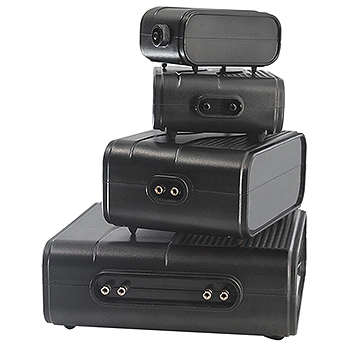
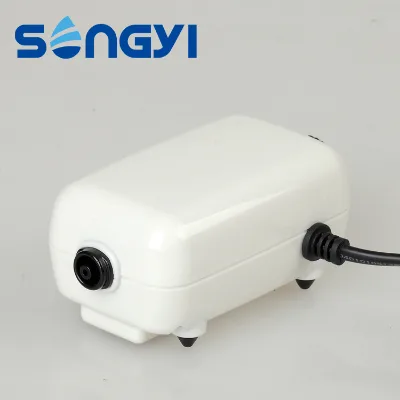
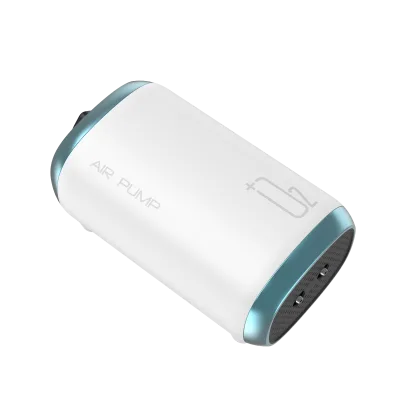
The current supply landscape includes a variety of air pump types, ranging from standard diaphragm pumps to specialized units with high flow rates. Observed models include the CN-900, CN-906, and CN-6600, alongside specific variants like the Blue 6000 and DC55Q-8000L. These products are categorized under air pumps and accessories, with some explicitly labeled for corrosive liquid handling. The presence of both square and round aquarium shapes in related listings suggests a broad ecosystem of compatible accessories, though the pump itself is the critical component for system integrity.
Buyers should note that customization is a prevalent feature, with many suppliers offering OEM support and customized logos. This indicates a mature supply chain capable of adapting to specific branding or technical requirements. The product condition is consistently listed as new, and packing methods vary between carton and box formats, including OEM packaging options. These signals suggest that suppliers are prepared to handle both direct industrial orders and retail-oriented distribution channels, providing flexibility in how the final product is presented to end-users.
Technical Specifications to Verify
Technical verification must begin with power source and voltage compatibility, as observed listings show options for 12V, 24V, and 220V systems. The power standards range from low-wattage units like 3W or 5W to higher capacity models up to 230W. Flow rates are critical for performance, with observed values including 2 L/min, 4 L/min, and 6 L/min, while maximum head pressures vary significantly from 10 meters to 100 meters. Buyers must match these specifications to the hydraulic requirements of their aquarium or industrial setup to avoid underperformance.
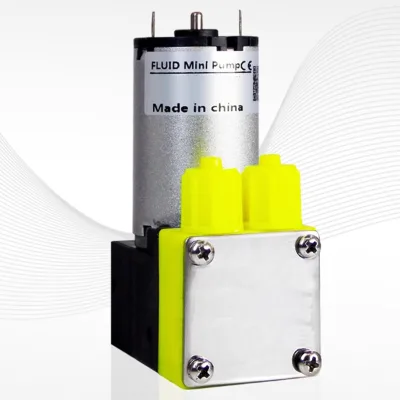
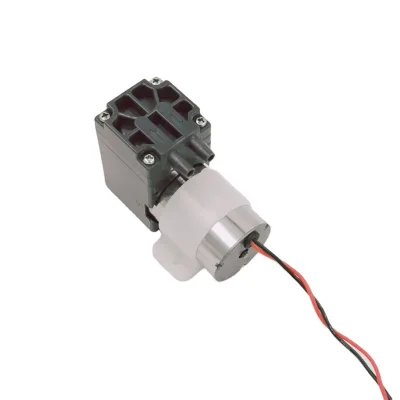
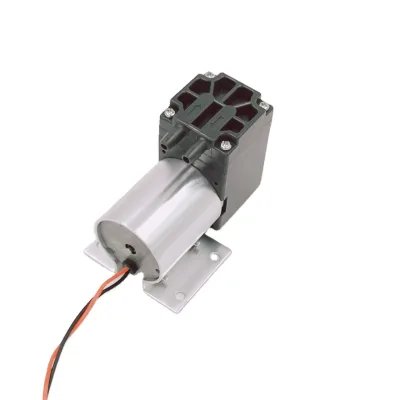
Material composition is another vital verification point, with aluminum alloy bodies and nitrile rubber diaphragms being common in corrosion-resistant designs. The valve body type is typically diaphragm-based, which contributes to the pump's durability and resistance to chemical degradation. Dimensions and physical form factors, such as the 21299132mm standard for certain models, must be checked to ensure fitment within existing infrastructure. Confirming these technical details prevents integration issues and ensures that the pump can operate efficiently under the specified load conditions.
Compliance and Safety Documentation
Safety and regulatory compliance are paramount when sourcing equipment for corrosive environments. The CE certification is a key document to verify, indicating that the product meets European health, safety, and environmental protection standards. Buyers should request valid certification documents from suppliers to ensure that the electrical components and materials used in the pump do not pose risks during operation. This documentation is essential for importing goods into regulated markets and for ensuring that the product has undergone necessary safety assessments.
In addition to electrical safety, buyers should inquire about material safety data sheets, particularly regarding the nitrile rubber diaphragm and aluminum alloy construction. These documents provide critical information on chemical resistance and potential leaching risks, which are especially important for applications involving corrosive liquids. Ensuring that all components are compliant with relevant industrial standards helps mitigate liability and ensures that the pump can be safely deployed in sensitive environments without risking contamination or equipment failure.
Cost Drivers and Commercial Terms
Cost structures in this sector are influenced by customization levels, material quality, and order volume. The observed minimum order quantities range from 1 to 100 units, offering flexibility for both small-scale testers and large-scale distributors. Prices vary widely, reflecting differences in power output, flow rate capabilities, and the extent of OEM services provided. Buyers should analyze the total cost of ownership, considering not just the unit price but also the potential savings from durable, corrosion-resistant materials that reduce replacement frequency.
Commercial terms such as packaging and branding options can also impact the final cost. Customized logos and OEM packaging may incur additional fees but add value for brand-focused buyers. It is advisable to negotiate clear terms regarding lead times and shipping methods, as these factors can affect inventory management and cash flow. Understanding the relationship between customization requests and pricing helps buyers make informed decisions that balance budget constraints with operational requirements.
Supplier Qualification and Quality Control
Supplier qualification should focus on their ability to provide consistent quality and reliable customization services. Buyers should verify the supplier's production capabilities, including their experience with aluminum alloy fabrication and diaphragm assembly. Requesting samples before placing bulk orders is a critical step to assess build quality, noise levels, and actual performance metrics against stated specifications. This due diligence helps identify suppliers who can meet the rigorous demands of corrosive environment applications.
Quality control processes should be transparent, with suppliers willing to share their inspection protocols for electrical components and material integrity. Buyers should inquire about warranty terms and after-sales support, as these factors indicate the supplier's confidence in their product's durability. Establishing a clear communication channel for technical support ensures that any issues can be resolved promptly, minimizing downtime and maintaining the reliability of the aquarium or industrial system.
Long-Term Procurement Checks
Long-term procurement success depends on establishing a stable supply chain that can adapt to changing market demands and technical requirements. Buyers should monitor supplier performance over time, tracking metrics such as delivery consistency, product defect rates, and responsiveness to technical queries. Regularly reviewing the product portfolio for new models or improved materials can help buyers stay ahead of technological advancements and maintain competitive advantage.
Additionally, buyers should periodically reassess their compliance requirements and market regulations to ensure continued adherence to safety and environmental standards. Building a relationship with suppliers who prioritize innovation and quality control fosters trust and reliability, reducing the risk of supply disruptions. By maintaining a proactive approach to supplier management, buyers can ensure that their corrosion-resistant aquarium air pumps continue to perform effectively and safely throughout their operational lifecycle.
FAQs
Can these aquarium air pumps handle corrosive liquids?
Yes, the diaphragm pumps are designed for corrosive liquid handling applications. They utilize Nitrile Rubber diaphragms and Aluminum Alloy valve bodies to ensure durability. This construction allows them to withstand harsh environments while maintaining reliable performance for specialized aquarium or industrial fluid transfer needs.
What certifications do these air pumps have?
These air pumps hold CE certification, ensuring they meet European safety and quality standards. This certification is critical for buyers requiring compliant equipment for international trade. The products are manufactured in China and undergo standard quality checks to guarantee operational safety and reliability for global markets.
What voltage options are available for these pumps?
The pumps support multiple voltage options including 12 V, 24 V, and 220 V. This flexibility allows users to select the appropriate power source for their specific setup. Whether for low-voltage DC applications or standard AC mains, the electric power source ensures versatile compatibility across different environments.
Are these pumps customizable for branding purposes?
Yes, customized logo acceptance is available for these products. Buyers can request OEM support to brand the pumps with their own logos. This customization service allows businesses to create unique product identities while sourcing durable, eco-friendly aquarium air pumps that meet their specific commercial requirements and market needs.
What is the maximum head height for these pumps?
The maximum head height varies by model, reaching up to 100 meters for high-performance units. Other models offer 50 meters or 10 meters of lift. These specifications ensure that users can select a pump capable of delivering the required flow rate and pressure for their specific aquarium or fluid system.
What materials are used in the pump construction?
The pumps are constructed using Aluminum Alloy for the body and Nitrile Rubber for the diaphragm. These materials provide excellent resistance to corrosion and wear. The durable design ensures long-term reliability, making them suitable for both standard aquarium aeration and more demanding industrial applications involving sensitive or corrosive fluids.