Source Corrosion Resistant Chemical Pump for Water, Oil, and Acid
Find 30 Corrosion Resistant Chemical Pump options for water treatment, oil transport, and acid handling. Buyers can compare specifications including head, pressure, and material to select the right equipment for industrial needs.
Key considerations
Products List


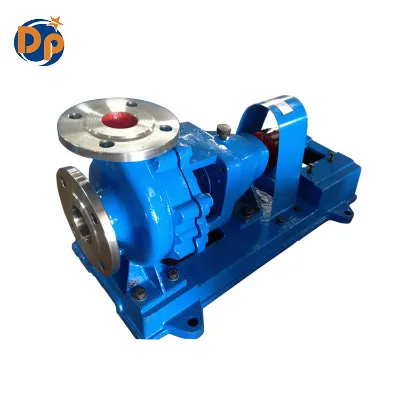
Stainless Steel Centrifugal Pump for Safe Handling of Corrosive Chemicals
$500.00 - $8000.00
MOQ: 1 Pieces


High Efficiency Chemical Transfer Pump for Corrosion Resistant Applications
$1500.00 - $50000.00
MOQ: 1 Sets

High Performance Corrosion Resistant Pump for Industrial Chemical Processes
$1500.00 - $50000.00
MOQ: 1 Sets

CE Certified Corrosion Resistant Pump for Industrial Acid Handling Applications
$1500.00 - $50000.00
MOQ: 1 Sets

CE Certified Horizontal Chemical Pump for Corrosive Liquid Process Systems
$1500.00 - $50000.00
MOQ: 1 Sets

CE Certified Chemical Process Pump for Corrosive Chemical Fluid Transportation
$1500.00 - $50000.00
MOQ: 1 Sets

Industrial Chemical Pump for Continuous Petrochemical Production Applications
$1500.00 - $50000.00
MOQ: 1 Sets

Corrosion-Resistant Stainless Steel Centrifugal Pump for High Efficiency Chemical Pump
$694.55 - $13194.45
MOQ: 1 Pieces


Heavy Duty Petrochemical Chemical Process Pump with Excellent Corrosion Resistance
$600.00 - $10000.00
MOQ: 1 Pieces

Heavy Duty Centrifugal Chemical Process Pump with Excellent Corrosion Resistance
$600.00 - $10000.00
MOQ: 1 Pieces


Comprehensive Sourcing Guide
Strategic Sourcing Guide for Corrosion Resistant Chemical Pumps
Selecting the right corrosion-resistant chemical pump requires a rigorous analysis of technical specifications, material compatibility, and operational parameters. In the global B2B market, buyers must navigate a complex landscape where pump performance is dictated by fluid dynamics, chemical resistance, and adherence to international standards. This guide synthesizes observed market data and technical attributes to provide a structured approach for procurement professionals seeking reliable solutions for chemical processing, condensate handling, and slurry transport. The focus remains on evidence-based criteria derived from actual product listings and established engineering principles, ensuring that procurement decisions are grounded in verifiable facts rather than speculative claims.
Technical Specifications and Performance Parameters
The foundation of any successful chemical pump procurement lies in understanding the specific technical constraints of the application. Observed product data reveals a diverse range of configurations, from horizontal to vertical shaft positions, each suited for different installation environments. For instance, the market offers Horizontal Split Pumps with a Horizontal Pump shaft position, which are often preferred for ease of maintenance and accessibility in industrial settings. Conversely, Verticaljoint Surface Pumps with a Vertical Pump shaft position provide space-saving solutions for applications where floor space is limited or where the pump must be submerged or integrated into a tank system.
Performance metrics such as head and pressure are critical differentiators. Listings indicate a wide spectrum of capabilities, with some units designed for Low Pressure Pump applications while others are engineered for High Pressure Pump requirements. The maximum head observed ranges significantly, with specific models capable of exceeding 150 meters, while others are optimized for heads between 30 and 50 meters or 110 to 150 meters. Pressure ratings also vary, with observed values around 1.6 MPa for certain series and up to approximately 5.0 MPa for high-pressure variants. Buyers must verify that the selected pump's working pressure aligns with the system's maximum operating pressure to prevent catastrophic failure.
Temperature tolerance is another pivotal specification. Chemical processes often involve extreme thermal conditions. Data shows pumps rated for a broad temperature range of -80 to +450°C, alongside other models designed for -20 to +170°C or a range of minus 20 to 150 degrees. Selecting a pump with an inappropriate temperature rating can lead to material degradation, seal failure, or cavitation. Furthermore, flow rates and capacity are essential; observed units demonstrate capacities exceeding 400 L/min with flow rates spanning 0.5 to 400 m³/h. The impeller design, whether Single Suction or Multistage, and the number of stages (Single-Stage vs. Multistage) directly influence the pump's ability to generate the necessary head and handle specific flow volumes efficiently.
Material Compatibility and Construction Standards
Corrosion resistance is the primary function of a chemical pump, making material selection the most critical decision in the sourcing process. The supplied data explicitly identifies Stainless Steel as a material option, which is a standard choice for handling a wide variety of corrosive chemicals due to its inherent resistance to oxidation and chemical attack. However, the specific grade of stainless steel or alternative alloys must be verified against the exact chemical composition, concentration, and temperature of the fluid being pumped.
The casing construction also plays a vital role in durability. Horizontal Split Pumps allow for the inspection and maintenance of internal components without disturbing the piping, a significant advantage in continuous chemical processing. The impeller type, typically Closed in observed listings, ensures high efficiency by minimizing internal recirculation, which is crucial for maintaining pressure in chemical transfer applications. Additionally, the standard of manufacture is a key indicator of quality. Listings reference compliance with API610 and Vdma24297, which are rigorous international standards for centrifugal pumps used in the petroleum, chemical, and gas industries. Other standards mentioned include GB5656, a Chinese national standard for chemical pumps, and general adherence to parameter values specific to the model.
Buyers should verify that the manufacturer's stated standards match the specific requirements of their facility. For example, API610 is often mandatory for critical service applications in refineries, while GB5656 may be sufficient for domestic or less critical industrial uses. The presence of customization options in the market allows for tailoring these materials and standards to unique process requirements, ensuring that the pump can withstand the specific corrosive agents present in the chemical plant.
Compliance, Certification, and Regulatory Adherence
Navigating the regulatory landscape is essential for ensuring that purchased equipment meets safety and quality benchmarks. While specific certification statuses like CE, ISO9001, ISO 15783, and ISO 5199 are noted in background data, buyers must treat these as areas for verification rather than automatic guarantees. The procurement process should include a direct request for current certification documents from the supplier to confirm that the specific batch or model meets the required regulatory framework.
Compliance with standards such as API610 and Vdma24297 is not merely a formality but a testament to the pump's design integrity and safety margins. These standards dictate rigorous testing procedures for mechanical seals, bearing life, and vibration limits. When evaluating a supplier, buyers should demand evidence of adherence to these standards through third-party inspection reports or factory audit results. The absence of a specific certification should not automatically disqualify a supplier if they can demonstrate equivalent quality through other means, but the lack of documentation poses a significant risk.
Furthermore, the origin of the product, such as Jiangsu, China, or general China origin, provides context for the manufacturing ecosystem but does not guarantee quality on its own. Buyers must cross-reference the origin with the supplier's track record and the specific quality control protocols implemented at the manufacturing site. The standard "according the parameter values of pump" suggests a flexible approach to compliance, which requires the buyer to clearly define these parameters in the purchase order to ensure the delivered product meets the agreed-upon specifications.
Cost Drivers and Economic Considerations
The cost of a corrosion-resistant chemical pump is influenced by a complex interplay of factors, including material costs, manufacturing complexity, and compliance requirements. Stainless steel construction, while offering superior corrosion resistance, typically incurs higher material costs compared to cast iron or other alloys. The complexity of the pump design, such as multistage configurations or high-pressure ratings, also drives up the price. Observed price ranges in the market span from $1 to $100,000, reflecting the vast difference between small-scale laboratory pumps and large industrial centrifugal units.
Minimum Order Quantity (MOQ) is another economic factor. The data indicates an MOQ range of 1 to 1, suggesting that many suppliers are willing to sell single units, which is beneficial for pilot projects or small-scale operations. However, buyers should be aware that unit prices may be higher for single-unit orders compared to bulk purchases. Customization availability is a significant cost driver; while it allows for precise tailoring to process needs, it often involves additional engineering and tooling costs.
Packaging also contributes to the overall cost. Options such as Plywood Boxes, Wooden Racks, Cartons, and Standard Export Packing are observed. While essential for protecting the pump during transit, the choice of packaging can impact shipping costs, especially for heavy industrial pumps. Buyers should factor in the total landed cost, including packaging, shipping, and potential duties, rather than focusing solely on the base unit price. Understanding these cost drivers enables buyers to negotiate more effectively and allocate budget resources appropriately.
Supplier Evaluation and Quality Assurance
Evaluating a supplier for chemical pumps requires a multi-faceted approach that goes beyond price comparison. The ability to provide customization is a strong indicator of a supplier's technical capability and flexibility. Suppliers that offer Customization: Available are better positioned to meet the unique demands of specific chemical processes. Buyers should assess the supplier's engineering team to ensure they can provide technical support and design modifications when necessary.
Quality control is paramount in the chemical industry, where pump failure can lead to hazardous leaks, environmental damage, and production downtime. Buyers should inquire about the supplier's quality assurance processes, including material testing, assembly checks, and final performance testing. The observation of specific standards like API610 and Vdma24297 suggests that some suppliers have robust quality systems in place. However, buyers must verify these claims through on-site audits or third-party inspections.
The product origin, such as Jiangsu, China, indicates a manufacturing hub with a strong industrial base. However, the reputation of the specific manufacturer within that region is more important than the region itself. Buyers should seek references from other clients in the chemical industry and review case studies of similar applications. The availability of spare parts and after-sales support is also a critical factor in supplier evaluation, as it ensures long-term operational reliability.
Long-Term Procurement and Operational Reliability
Long-term procurement considerations extend beyond the initial purchase to include maintenance, lifecycle costs, and operational efficiency. The choice of a pump with a Horizontal Split Pump design or a Verticaljoint Surface Pump can significantly impact maintenance costs. Horizontal split designs generally allow for easier access to internal components, reducing downtime during maintenance. The impeller type, whether Single Suction or Multistage, affects the pump's efficiency and energy consumption over its lifespan.
Temperature and pressure ratings are not just initial specifications but long-term operational limits. Pumps rated for -80 to +450°C offer greater flexibility for processes that may experience temperature fluctuations, reducing the risk of thermal stress failures. The working pressure, whether Low, Middle, or High, must be maintained within safe limits to ensure the longevity of the mechanical seals and bearings.
Buyers should also consider the scalability of their procurement strategy. With an MOQ of 1, suppliers can accommodate both small and large orders, allowing for a phased approach to equipment replacement or expansion. The standard export packing and wooden case options ensure that the pumps are protected during storage and transport, preserving their condition until installation. Ultimately, the goal is to select a pump that offers the best balance of performance, durability, and cost over its entire lifecycle, ensuring reliable service in demanding chemical processing environments.
Application-Specific Selection Criteria
The application of the pump dictates the specific configuration required. The observed usage categories include Pump, Pumps, Condensate Pump, Slurry Pump, and Circulating Pump, each with distinct requirements. Condensate pumps must handle low-pressure, high-temperature fluids, often requiring specific materials to prevent corrosion from condensate impurities. Slurry pumps, on the other hand, must withstand abrasive wear, necessitating robust casing and impeller designs. Circulating pumps are designed for continuous flow in cooling or heating systems, requiring high reliability and energy efficiency.
The mounting height, described as "Since Irrigation Centrifugal Pumps" or "Suction Centrifugal," influences the installation geometry and the pump's ability to handle suction lift. For applications requiring high suction lift, the pump's Net Positive Suction Head (NPSH) requirements must be carefully calculated to prevent cavitation. The caliber size, ranging from 50 to 200 mm, must match the piping system to ensure optimal flow and minimize pressure losses.
By aligning the pump's technical specifications with the specific application requirements, buyers can ensure optimal performance and longevity. Whether the application involves handling aggressive chemicals, abrasive slurries, or sensitive condensates, the selection process must be driven by a thorough understanding of the operational environment and the specific challenges posed by the fluid being pumped. This targeted approach minimizes the risk of premature failure and maximizes the return on investment for the chemical processing facility.
FAQs
What temperature ranges do corrosion resistant chemical pumps handle?
These pumps handle temperatures from minus 20 to 150 degrees Celsius, with some models rated for -80 to +450 degrees Celsius. Selection depends on the specific fluid and process requirements to ensure material integrity.
Which pump casing designs are available for chemical processing?
Available designs include Horizontal Split Pumps and Verticaljoint Surface Pumps. Horizontal split casings allow easier maintenance, while vertical joint surfaces offer space-saving integration for specific tank systems.
Can corrosion resistant chemical pumps be customized for specific needs?
Yes, customization is available to tailor pumps to unique process requirements. Buyers can specify materials, standards, and configurations to match exact chemical compatibility and operational parameters.
What materials are used for Corrosion Resistant Chemical Pump construction?
Stainless Steel is a primary material option for these pumps due to its resistance to oxidation and chemical attack. The specific grade must be verified against the fluid composition and temperature.
How do multistage pumps differ from single-stage pumps in usage?
Multistage pumps are designed for higher heads exceeding 150 meters, while single-stage pumps typically handle heads between 30 and 50 meters. The choice depends on the required pressure and flow volume.
What standards do corrosion resistant chemical pumps comply with?
Pumps comply with standards such as API610, Vdma24297, and GB5656. These standards ensure rigorous testing for mechanical seals, bearing life, and vibration limits in industrial applications.
What is the maximum head capacity for these chemical pumps?
Maximum head capacities range from 30 to 50 meters up to over 150 meters depending on the model. Specific models like XZA/XZE and KZ-C(XCZ) offer varying performance levels.