Source Overfill Detection Optic Sensor Tester for Fuel Stations
Find and compare 30 Overfill Detection Optic Sensor Tester models from Chinese manufacturers. Evaluate options featuring 12VDC operation, plastic or aluminum materials, and OEM/ODM customization for fuel station safety applications; compare the available evidence and request quotations based on your requirements.
Key considerations
Products List
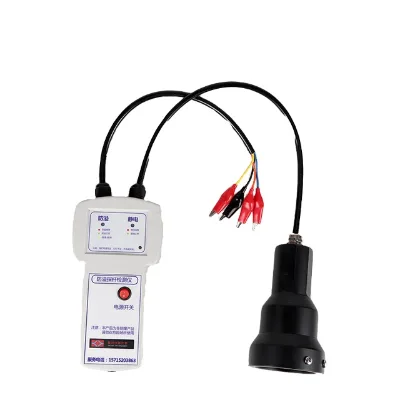
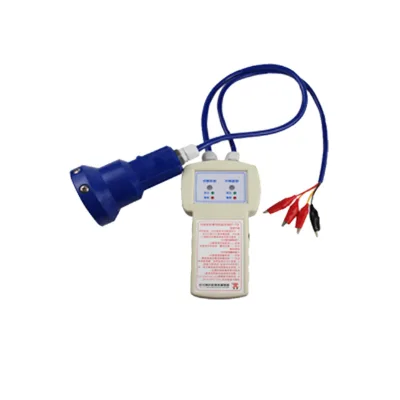
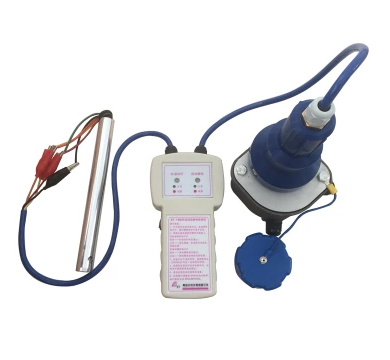


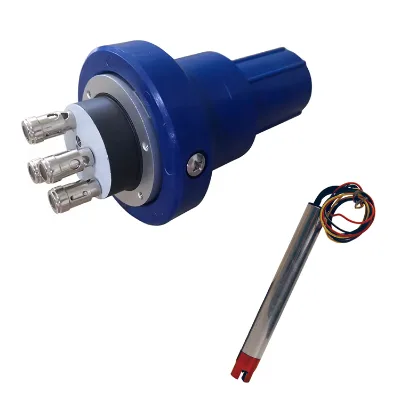
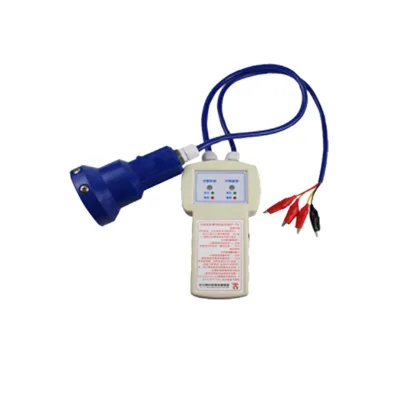

Advanced Multi-Function OTDR Fiber Optic Tester for Accurate Measurements
$3310.00 - $3316.00
MOQ: 1 Pieces


$10000.00 - $50000.00
MOQ: 1 Sets


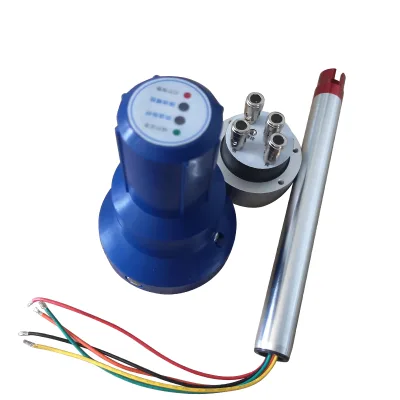
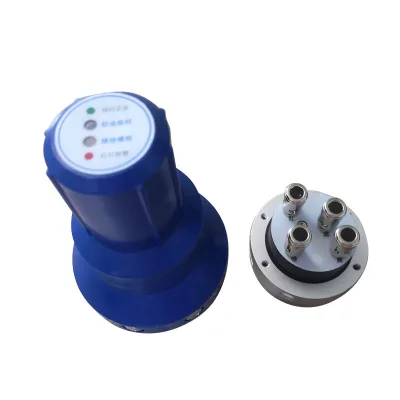


Comprehensive Sourcing Guide
Overfill Detection Optic Sensor Tester Sourcing Guide
Procuring reliable overfill detection optic sensor testers requires a disciplined approach to verifying technical compatibility and operational reliability. These devices are critical for preventing hazardous spills in fueling environments, where precise optical sensing ensures immediate shutdown upon detecting liquid levels. Buyers must prioritize sensors that offer robust detection capabilities, such as the optic probe modes observed in current listings, to ensure accurate response times. The integration of these testers into existing fuel station infrastructure demands careful attention to wiring configurations, including two-wire and five-wire options, which dictate how the sensor interfaces with control systems.
Beyond basic functionality, the physical and electrical specifications of the sensor must align with the specific operational environment. Factors such as working voltage, typically 12 VDC, and pressure ratings, around 0.6MPa, are essential for ensuring the device can withstand the rigors of continuous use in fueling stations. Additionally, the material composition, whether plastic, nonmetal, or aluminum, influences durability and resistance to environmental factors. Sourcing guides must emphasize the importance of verifying these attributes against the actual site conditions to prevent premature failure or inaccurate readings during critical overfill events.
Product Scope and Observed Listing Signals
The current market for overfill detection optic sensor testers presents a diverse range of products with varying specifications and origins. Listings indicate a wide price range, from affordable entry-level units to high-end specialized testers, reflecting differences in build quality and feature sets. The observed minimum order quantities (MOQ) are generally low, starting at one piece, which facilitates sampling and small-scale procurement for testing purposes. This accessibility allows buyers to evaluate product performance before committing to larger orders, reducing initial risk and enabling iterative selection based on real-world testing results.
Geographic origins of these products are predominantly from China, with specific mentions of regions like Zhejiang, Wenzhou, and Xuzhou. This concentration suggests a mature supply chain for these components, offering competitive pricing and rapid availability. However, buyers should be aware that "place of origin" does not guarantee uniform quality across all suppliers. The product names and descriptions vary, with terms like "Optic Sensor System Tester" and "Antistatic Overfill Detector" indicating different functional focuses. Understanding these distinctions is crucial for selecting the right tool for specific detection needs, whether for semi-underground tanks or other fuel storage applications.
Technical Specifications to Verify
When evaluating optic sensor testers, verifying the model number and specific technical parameters is paramount to ensure compatibility with existing fueling systems. Models such as AS-M04, JS-OT, JS-OFVR, and OST-02 represent different design iterations and capabilities. Buyers must confirm the sensor type, whether it is a digital sensor output or an analog signal, and ensure it matches the input requirements of the fuel dispenser or tank monitor. The working voltage, often specified as 12 VDC, must be compatible with the vehicle or station power supply to prevent electrical damage or malfunction.
Physical dimensions and weight are also critical factors, especially for installations in confined spaces or where weight limits apply. Single package sizes vary, with dimensions around 30x12x12 cm and weights ranging from 0.820 kg to 1.000 kg. These specifications impact shipping costs and handling requirements. Additionally, the shape of the sensor, such as spherical designs, and the material, including plastic, nonmetal, or aluminum, affect durability and resistance to corrosion. Buyers should request detailed technical drawings and datasheets to verify these physical attributes against their installation constraints.
Compliance and Safety Documentation
Safety and regulatory compliance are non-negotiable for overfill detection devices used in fueling environments. Buyers must ensure that the sensors meet relevant international and local safety standards to prevent accidents and ensure legal operation. While some listings mention ISO certification, it is essential to verify the specific standard and scope of certification, as generic claims may not reflect the actual product's compliance status. Documentation should include test reports demonstrating the sensor's ability to detect overfill conditions accurately and reliably under various operating conditions.
Furthermore, understanding the warranty terms is crucial for long-term risk management. Listings show warranty periods ranging from one month to one year, indicating varying levels of manufacturer confidence in product durability. Buyers should prioritize suppliers offering longer warranty periods and clear terms for claims and replacements. Additionally, verifying that the product is new and not refurbished ensures that the sensor has not been previously exposed to potential damage or wear. Clear documentation of these compliance and warranty aspects protects the buyer from liability and ensures operational continuity.
Cost Drivers and Commercial Terms
The cost of overfill detection optic sensor testers is influenced by several factors, including material quality, electronic complexity, and customization options. Products with advanced features, such as high-efficiency detection or specific wiring configurations, may command higher prices. The observed price range of 30 to 50,000 USD reflects this variability, with lower prices typically corresponding to basic models and higher prices to specialized or bulk industrial solutions. Buyers should analyze the total cost of ownership, including shipping, tariffs, and potential maintenance costs, rather than focusing solely on the unit price.
Commercial terms, such as MOQ and packaging, also impact procurement strategy. Low MOQs allow for flexible ordering but may result in higher per-unit costs due to lack of economies of scale. Packaging details, such as carton packing and single-item units, affect logistics and storage efficiency. Buyers should negotiate terms that align with their inventory management practices, considering factors like lead times and payment terms. Customization support, including OEM and ODM options, can add value but may increase costs and lead times. Understanding these commercial dynamics helps in making informed purchasing decisions that balance cost and performance.
Supplier Qualification and Quality Control
Selecting a qualified supplier is critical for ensuring the reliability and consistency of overfill detection optic sensor testers. Buyers should conduct thorough due diligence on potential suppliers, verifying their manufacturing capabilities, quality control processes, and track record. Suppliers with established production facilities in regions like Zhejiang and Wenzhou may offer better quality control due to mature industrial ecosystems. However, buyers must not rely solely on geographic origin; instead, they should request evidence of quality management systems and regular audits.
Quality control measures should include incoming material inspections, in-process testing, and final product verification. Buyers should inquire about the supplier's testing protocols for optical sensors, including accuracy checks and durability tests. Additionally, verifying the supplier's ability to provide consistent product quality across batches is essential for large-scale procurement. Suppliers offering customization support should demonstrate their ability to maintain quality standards while adapting products to specific requirements. Establishing clear quality expectations and communication channels with suppliers helps mitigate risks and ensures that delivered products meet specified performance criteria.
Long-Term Procurement Checks
Long-term procurement success depends on establishing ongoing performance monitoring and supplier relationship management. Buyers should implement regular audits of delivered products to ensure they continue to meet specified standards and performance expectations. Tracking key performance indicators, such as detection accuracy and failure rates, provides valuable data for evaluating supplier reliability. This data-driven approach allows buyers to make informed decisions about future orders and identify areas for improvement in the supply chain.
Additionally, maintaining open communication with suppliers regarding product updates, technological advancements, and market changes is essential for staying competitive. Suppliers who invest in research and development may offer improved sensor technologies that enhance safety and efficiency. Buyers should stay informed about these developments and consider upgrading their sensor systems when beneficial. Finally, reviewing and updating procurement contracts periodically ensures that terms remain aligned with current market conditions and business needs, fostering a sustainable and mutually beneficial supplier relationship.
FAQs
What is the warranty period for the optic sensor tester?
The warranty period is typically one year for this optic sensor tester. Some listings indicate a one-month warranty option. Buyers should verify the specific warranty terms with the supplier before purchase to ensure coverage matches their operational needs.
Can I request customized support for this optic sensor system?
Yes, customized support including OEM and ODM services is available for this optic sensor system tester. The product allows for customization to meet specific requirements. Buyers should confirm the exact scope of customization with the manufacturer to align with their project specifications.
What is the minimum order quantity for this optic sensor tester?
The minimum order quantity is one piece for this optic sensor tester. This low MOQ allows buyers to test the product without large commitments. Suppliers may have different policies, so confirming the exact MOQ with the vendor is recommended before placing an order.
Where is the place of origin for this optic sensor tester?
The place of origin is Zhejiang, China, with some listings specifying Wenzhou or Xuzhou. These locations indicate the manufacturing region for the optic sensor tester. Buyers should verify the specific origin with the supplier to understand logistics and potential shipping implications.
What material is used to construct this optic sensor tester?
The material used includes plastic, nonmetal, and aluminium components for this optic sensor tester. The specific material depends on the model variant selected. Buyers should check the product specifications to ensure the material meets their durability and environmental requirements.
Does this optic sensor tester come with ISO certification?
Yes, ISO certification is available for this optic sensor tester. This indicates adherence to specific quality management standards. Buyers should request the certification document from the supplier to verify compliance with their organizational or regulatory requirements.
What is the working voltage for this optic sensor tester?
The working voltage is 12 VDC for this optic sensor tester. This power requirement is standard for the device operation. Buyers must ensure their power supply matches this voltage to prevent damage and ensure reliable performance during testing.