Source Corrosion Resistant Electrolytic Pickling Tank for Storage, Surface Treatment, and Electrolysis
Find 30 Corrosion Resistant Electrolytic Pickling Tank options with polypropylene or stainless steel construction. Compare specifications like capacity, wall thickness, and certifications to select units suitable for storage, surface treatment, and electrolytic applications.
Key considerations
Products List

Electrolytic PP Pickling Tank with Custom Specifications and Chemical Resistance
$290.00 - $330.00
MOQ: 100 Pieces


PP Electrolysis Cell Acid-Alkali Resistant Pickling Tank Electroplating Tank
$290.00 - $330.00
MOQ: 100 Pieces

Manufacturer of Electroplating Tank Plastic Dosing Tanks Pickling Tank
$290.00 - $330.00
MOQ: 100 Pieces

Chemical Resistant PP Pickling Tank for Reliable Electrolytic Applications
$290.00 - $330.00
MOQ: 100 Pieces


Polymer Electrolytic Tank for Refining of Manganese Non-Ferrous Metals
$500.00 - $5000.00
MOQ: 1 Pieces
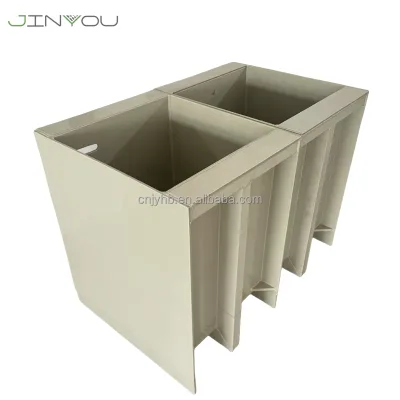


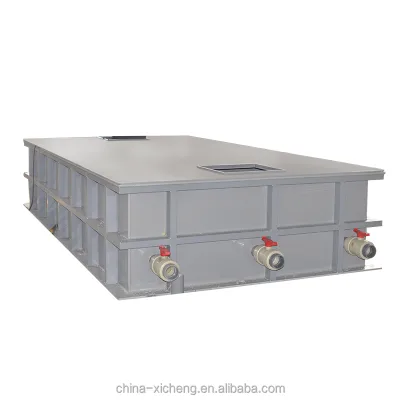
Plastic Dosing Tanks Pickling Tank Manufacturers Electroplating Tanks for Sale
$500.00 - $5000.00
MOQ: 1 Pieces




Comprehensive Sourcing Guide
Strategic Sourcing Guide for Corrosion Resistant Electrolytic Pickling Tanks
Navigating the procurement landscape for industrial equipment requires a disciplined approach, particularly when sourcing specialized assets like corrosion-resistant electrolytic pickling tanks. These units are critical for surface treatment processes, where chemical stability and structural integrity directly impact operational efficiency and safety. Buyers must distinguish between general storage vessels and purpose-built electrolytic systems designed to withstand aggressive chemical environments. The following guide synthesizes verified product attributes and industry standards to assist procurement professionals in making informed decisions without relying on unverified marketing claims.
Technical Specifications and Material Composition
The foundational requirement for any electrolytic pickling tank is the selection of materials capable of withstanding harsh chemical exposure. In the context of modern industrial sourcing, polypropylene (PP) has emerged as a primary material choice due to its inherent resistance to acids and alkalis. Verified product data indicates that high-performance tanks often utilize polypropylene as the core material, sometimes reinforced with stainless steel or iron components depending on the specific application requirements. The wall thickness is a critical specification; observed data points to a standard wall thickness of 10mm for robust units, which is essential for maintaining structural integrity under pressure and chemical stress.
Beyond the base material, the physical dimensions and shape of the tank are highly variable. Buyers should expect to find units available in round or square configurations, with the option for fully customized shapes to fit specific facility layouts. The capacity range is equally flexible, with market offerings spanning from 10 liters up to 1000 liters, allowing for scalability based on production volume. For applications requiring precise volume control, the capacity is often listed as "customized," necessitating a detailed discussion with the supplier regarding internal volume calculations. The surface finish is another technical consideration; some units feature a reinforcement process to enhance durability, while others offer a customized finish type to meet specific aesthetic or functional needs.
| Feature Category | Observed Specifications | Verification Requirement |
|---|---|---|
| Primary Material | Polypropylene, Stainless Steel, Iron | Confirm material grade and chemical compatibility chart. |
| Wall Thickness | 10mm (Standard) | Verify thickness consistency across the vessel body. |
| Shape Options | Round, Square, Customized | Validate fit within existing infrastructure. |
| Capacity Range | 10-1000L | Confirm actual volume vs. rated capacity. |
| Color Options | Yellow, Grey, White, Blue, Custom | Check for UV resistance properties in colored variants. |
Compliance, Certification, and Safety Standards
In the realm of industrial procurement, certification serves as the primary indicator of a supplier's adherence to quality and safety protocols. For electrolytic pickling tanks, a robust certification portfolio is non-negotiable. Verified data highlights that reputable units often carry multiple international certifications, including CE, ABS, LR, CCS, and ISO. The presence of these marks suggests that the product has undergone rigorous testing for design safety, material quality, and manufacturing consistency. Specifically, the CE mark indicates compliance with European health, safety, and environmental protection standards, while ISO certification points to a standardized quality management system.
Buyers must also scrutinize the specific standards applied to the tank's construction. While some products list a "customized" standard, others adhere to specific dimensional standards, such as 360015001200 mm, which may relate to shipping constraints or installation footprints. It is crucial to verify that the "customized" standard mentioned in product listings refers to the design flexibility rather than a lack of regulatory compliance. Furthermore, the machinery test report is a vital document; suppliers who provide these reports offer evidence that the equipment has been subjected to functional testing prior to shipment. This document should be requested during the pre-qualification phase to ensure the tank meets the specified working pressure limits, which are observed to be around 1 MPa for certain models.
Cost Drivers and Pricing Dynamics
Understanding the cost structure of electrolytic pickling tanks requires an analysis of several variable factors. The observed price range for these units spans significantly, from approximately 199 USD to 16,000 USD. This wide disparity is not arbitrary but is driven by the complexity of the design, the volume of the tank, the grade of materials used, and the extent of customization required. A basic polypropylene tank with standard dimensions will naturally fall at the lower end of this spectrum, whereas a large-capacity unit with reinforced steel components, custom fittings, and advanced surface treatments will command a premium price.
The Minimum Order Quantity (MOQ) also plays a pivotal role in the total cost of ownership. Market data shows an MOQ range of 1 to 100 units, with some suppliers offering a single piece (1 pcs) as the entry point. This flexibility allows small-scale operations to procure equipment without significant upfront capital commitment. However, buyers should be aware that unit costs often decrease as order volume increases. Additionally, the packaging method influences logistics costs; tanks may be shipped on pallets or within steel frames and wood saddles to prevent damage during transit. The single gross weight of a typical unit is observed to be around 20 kg, but larger custom models will obviously exceed this figure, impacting freight charges. Buyers should request a detailed breakdown of costs, including material, manufacturing, certification, and shipping, to accurately compare supplier proposals.
Typical Applications and Operational Context
The primary application for these tanks is in the field of electrolytic copper processing, where they serve as vessels for the electrowinning process. The method typically involves the use of sulfuric acid (H2SO4) solutions, which necessitates a tank material that offers exceptional corrosion resistance. The product attributes explicitly list "Acid and Alkali Resistant" and "Corrosion Resistance" as key selling points, confirming their suitability for harsh chemical environments. Beyond copper electrowinning, these tanks are utilized in the broader surface treatment industry, serving roles in storage and chemical processing where resistance to UV radiation and embalming processes is required.
The operational environment often dictates the choice between electric and other power sources, though the tank itself is a passive vessel. However, the integration of electric components, such as anodes and cathodes, requires the tank to be compatible with the power source. The "Automatic Grade" attribute suggests that these tanks are designed to be integrated into automated production lines, reducing manual intervention and increasing process consistency. The "New" condition of the products ensures that buyers receive equipment without prior wear or degradation, which is critical for maintaining the purity of the electrolytic solution. Whether for storage or active treatment, the tank must maintain its structural integrity under continuous exposure to aggressive chemicals, making the selection of the correct material and wall thickness paramount.
Supplier Evaluation and Quality Assurance
Evaluating a supplier for electrolytic pickling tanks requires a multi-faceted approach that goes beyond price comparison. The origin of the product is a significant factor; verified data indicates that many of these units originate from China, specifically from regions like Guangdong, which is a hub for industrial manufacturing. While this location offers competitive pricing, buyers must verify the supplier's track record regarding quality control. The availability of a machinery test report is a strong indicator of a supplier's commitment to quality, as it demonstrates that the product has been tested for functionality and safety before leaving the factory.
Buyers should also assess the supplier's ability to handle customization. The "Customization" attribute is listed as available for many units, implying that suppliers can tailor dimensions, colors, and material compositions to specific client needs. However, the ability to customize does not guarantee quality; therefore, buyers must request samples or visit the manufacturing facility if possible. The warranty period is another critical metric; a standard warranty of 1 Year is observed in the market, which provides a baseline for post-purchase support. Suppliers offering extended warranties or comprehensive maintenance packages may be preferable for long-term operations. Additionally, the "Core Components" such as polypropylene should be verified for grade and origin to ensure they meet the required chemical resistance specifications.
Long-Term Procurement Considerations
Sourcing a corrosion-resistant electrolytic pickling tank is not merely a transactional event but a strategic decision that impacts long-term operational efficiency. The "Long Service Life" is a key selling point that buyers should prioritize. To ensure this longevity, the tank must be protected against ultraviolet radiation and physical abrasion. The observed abrasion rating of 80 and elongation at break of 260 suggest a material that can withstand mechanical stress without fracturing. However, these values are observations of specific product models and should be verified against the specific batch being purchased.
Maintenance and replacement costs are also significant considerations. The "Easy To Operate" feature reduces the training burden on staff, but the complexity of the system should be matched to the operator's skill level. Buyers should inquire about the availability of spare parts and the lead time for replacements. The "Single Package Size" of 10x10x10 cm suggests that some components may be modular, which can simplify maintenance. Finally, the density of the material, observed at 0.9, and the tensile ultimate strength of 5680 are technical parameters that influence the tank's lifespan under load. Buyers must ensure that these parameters align with their specific operational loads to prevent premature failure. By focusing on these long-term factors, procurement professionals can secure assets that deliver value over the entire lifecycle of the equipment.
FAQs
What certifications do these tanks hold?
These tanks hold multiple international certifications including CE, ABS, LR, CCS, and ISO. Buyers should verify that the specific unit matches the required certification portfolio for their region and application safety standards.
How is the wall thickness specified?
The standard wall thickness for robust units is 10mm. This dimension is critical for maintaining structural integrity under pressure and chemical stress during electrolytic processes.
Can the tank capacity be customized?
Yes, the capacity is fully customized and ranges from 10 to 1000 liters. Buyers must discuss internal volume calculations with the supplier to ensure the tank fits specific facility layouts.
Which materials are used for construction?
The core material is polypropylene, sometimes reinforced with stainless steel or iron components. This combination ensures exceptional resistance to acids, alkalis, and UV radiation in harsh chemical environments.
What is the minimum order quantity?
The minimum order quantity is 1 piece for many suppliers. This flexibility allows small-scale operations to procure equipment without significant upfront capital commitment while larger orders may reduce unit costs.
How long is the warranty period?
The standard warranty period observed in the market is 1 year. Buyers should request extended warranty options or comprehensive maintenance packages for long-term operational security.
What is the maximum working pressure?
The maximum working pressure is 1 MPa for certain models. This limit should be verified against the machinery test report provided by the supplier to ensure safe operation.