Source Cosmetic Grade Beta Ecdysterone Powder for cosmetics, skincare, and supplements
Find 30 listings for Cosmetic Grade Beta Ecdysterone Powder with varying purity levels and packaging options. Buyers can compare specifications, MOQs, and prices from multiple suppliers to find the right raw material for their cosmetic applications.
Key considerations
Products List
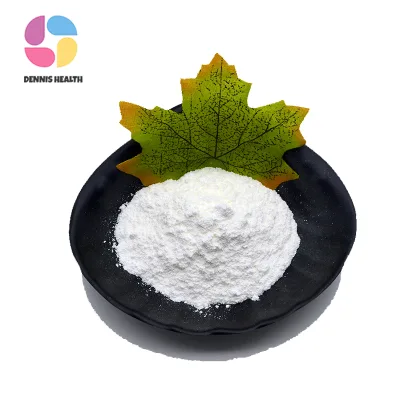


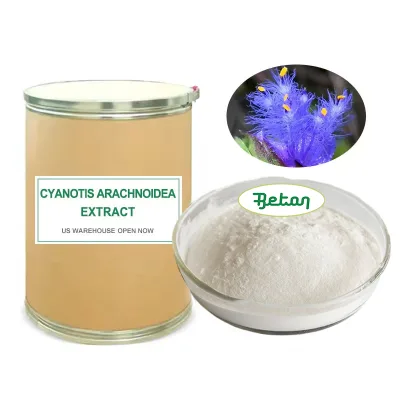
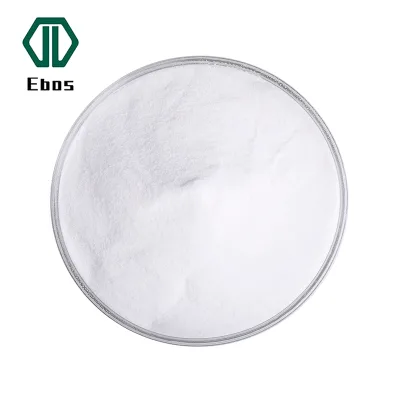
Hot Sale Cosmetic Grade Beta Ecdysterone 20 Hydroxyecdysone Powder Cas No 5289-74-7
$350.00 - $395.00
MOQ: 25 Minimum
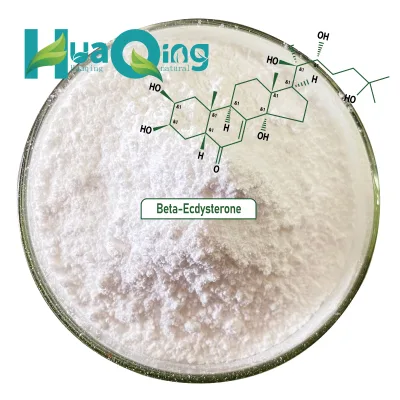




Comprehensive Sourcing Guide
Strategic Sourcing Guide for Cosmetic Grade Beta Ecdysterone Powder
Understanding Product Specifications and Physical Attributes
When sourcing Cosmetic Grade Beta Ecdysterone Powder, buyers must first establish a precise understanding of the physical and chemical specifications that define the raw material. The product is fundamentally classified as a herbal extract, derived specifically from the leaf part of the source plant. In its raw form, the material presents as a white powder, a characteristic that is critical for visual inspection during the receiving process. The standard model numbers associated with this specific grade often include identifiers such as DS-Beta Ecdysterone Powder or Dennis-Beta Ecdysterone Powder, which help in distinguishing specific batches or formulations from general inventory.
The purity of the material is a primary technical differentiator. Market observations indicate that high-quality batches often carry purity claims ranging from 90% to 98%, with some specifications noting values exceeding 99%. Buyers should treat these numerical values as observations of specific listings rather than universal guarantees for every supplier. The extraction method employed is typically solvent extraction, a process that influences the final chemical profile and potential residual solvents. To verify the integrity of the extract, the industry standard test method is High-Performance Liquid Chromatography coupled with UV detection (HPLC UV). This analytical technique is essential for confirming the concentration of the active compound and ensuring the absence of unwanted impurities.
Storage requirements are equally vital for maintaining product stability. The consensus for storage conditions is a cool and dry place, often specified as a "cool dry place" in technical data sheets. The shelf life for the powder is generally observed to be between 24 months and 2 years, provided these storage conditions are strictly maintained. The product is suitable for all seasons, indicating that the raw material does not degrade rapidly due to seasonal humidity or temperature fluctuations if stored correctly. However, the final application in cosmetics requires the material to be cosmetic grade, though some listings may also reference food grade specifications, necessitating a clear distinction based on the intended end-use.
Compliance, Certification, and Regulatory Verification
Navigating the regulatory landscape for cosmetic raw materials requires rigorous verification of certifications and standards. While specific certification statuses can vary by supplier, the presence of recognized quality management and safety standards is a strong indicator of a reliable supply chain. Buyers should look for documentation indicating compliance with standards such as BP (British Pharmacopoeia), USP (United States Pharmacopeia), ISO, HSE, and GMP (Good Manufacturing Practice). These certifications suggest that the manufacturing facility adheres to strict hygiene, quality control, and safety protocols.
It is important to note that while ISO 9001 is a widely recognized standard for quality management, it should be treated as a background reference rather than a guaranteed attribute for every specific lot of beta ecdysterone powder. Buyers must request current, valid certificates from the supplier rather than relying on general industry knowledge. The verification process should include checking the scope of the certification to ensure it covers the specific extraction and processing of herbal extracts.
For products intended for specific demographics, such as adults, children, or the elderly, the supplier must provide evidence that the material meets safety thresholds for these groups. Although some listings mention suitability for these demographics, this claim must be backed by toxicological data and safety assessments. The product is often customized, meaning that buyers should verify if the supplier can adjust specifications to meet specific regional regulatory requirements, such as those in the European Union or North America. The absence of a specific certification claim in a listing does not necessarily imply non-compliance, but it does require the buyer to initiate a direct inquiry to obtain proof of compliance before placing an order.
Cost Drivers and Pricing Structure Analysis
The pricing of Cosmetic Grade Beta Ecdysterone Powder is influenced by a complex interplay of factors, including purity levels, packaging requirements, and order volume. Observed price ranges in the market can vary significantly, spanning from $1 to $2000 USD, depending on the quantity and specific grade requested. This wide range underscores the importance of defining the exact specifications before requesting a quote, as a 90% purity grade will naturally carry a different price point than a 99% or 98% purity grade.
Minimum Order Quantity (MOQ) is another critical cost driver. While some suppliers may offer samples or small quantities with an MOQ as low as 1kg, larger commercial orders might have different thresholds, with observed ranges extending up to 1000 units. Buyers should be aware that the unit price often decreases as the order volume increases, but this is not a universal rule and depends on the supplier's production capacity and inventory levels. The packaging format also impacts cost; options such as 1kg bags or 25kg bags may have different pricing structures compared to vacuum-packed drums.
Additional cost factors include the origin of the product. Products originating from regions like Shaanxi, China, or Xi'an may have different logistics costs compared to those from other locations. The single package size, which can vary from compact dimensions like 18x16x12 cm to larger industrial sizes like 40x35x40 cm, affects shipping costs and handling fees. Furthermore, the availability of customized packaging or specific labeling can add to the overall cost. Buyers should request a detailed breakdown of costs, including raw material, processing, packaging, and logistics, to understand the true cost drivers.
Typical Applications in Cosmetic Formulations
Beta ecdysterone powder finds its primary application in the cosmetics industry, serving as a functional raw material for various product categories. Its classification as a cosmetic grade herbal extract makes it suitable for formulations aimed at skin health, anti-aging, and moisturization. The material is often utilized in products designed for adults, children, and the elderly, suggesting a broad spectrum of potential applications ranging from daily moisturizers to specialized treatments.
The specific usage of the powder in cosmetic formulations is driven by its biological activity. As a herbal extract, it is often incorporated into serums, creams, lotions, and masks. The powder form allows for easy integration into various bases, provided the correct solubility and compatibility are established during the formulation process. The extraction type, specifically solvent extraction, ensures a high concentration of active compounds, which is desirable for efficacy in cosmetic products.
Buyers should consider the end-user requirements when selecting the grade of beta ecdysterone powder. For instance, products marketed for sensitive skin may require higher purity levels and stricter certification standards. The "cosmetic raw materials" designation indicates that the powder is intended for further processing rather than direct consumer application. This distinction is crucial for compliance with cosmetic regulations, which often require detailed ingredient declarations and safety assessments for all raw materials used in finished products.
Supplier Evaluation and Selection Criteria
Evaluating suppliers for Cosmetic Grade Beta Ecdysterone Powder requires a multi-faceted approach that goes beyond simple price comparison. Buyers should prioritize suppliers who demonstrate transparency in their production processes and provide comprehensive documentation. Key evaluation criteria include the supplier's ability to provide samples, their response time to inquiries, and their willingness to share technical data sheets. The availability of samples is a critical factor, as it allows buyers to verify the physical appearance, solubility, and purity of the powder before committing to a large order.
The brand name associated with the product, such as "Dennis" or "DNS," can be an indicator of the supplier's market presence, but it should not be the sole determinant of quality. Buyers should verify the actual manufacturing entity behind the brand to ensure that the supplier has the necessary capacity and expertise. The cultivation method, whether wild or cultivated, can also influence the consistency and quality of the raw material. Wild-cultivated products may have more variability, while cultivated sources might offer more consistent specifications.
Logistics and location are also important factors. Suppliers located in regions like Shaanxi or Xi'an, China, may have established supply chains for herbal extracts, but buyers should verify the lead times and shipping capabilities. The single gross weight of the product, which can range from 1.5 kg to 2.5 kg per package, affects shipping calculations and should be accounted for in the procurement plan. Additionally, the supplier's ability to handle customized requests, such as specific packaging or labeling, is a valuable asset for buyers with unique market requirements.
Quality Control and Testing Protocols
Implementing a robust quality control (QC) protocol is essential for ensuring the consistency and safety of Cosmetic Grade Beta Ecdysterone Powder. The primary testing method for verifying purity and composition is HPLC UV, as noted in the technical specifications. Buyers should require suppliers to provide batch-specific test reports that include results from this analysis. These reports should confirm the purity levels, such as the 90%, 98%, or >99% claims, and verify the absence of contaminants.
In addition to chemical analysis, physical inspection is necessary to confirm the appearance of the product as a white powder and to check for any signs of contamination or degradation. The storage conditions, specifically the requirement for a cool and dry place, must be maintained throughout the supply chain to preserve the shelf life of 24 months. Buyers should also verify the packaging integrity, ensuring that materials like vacuum packing or drums are used to protect the powder from moisture and oxidation.
The grade of the product, whether cosmetic or food grade, must be clearly defined and verified. While some listings may mention multiple grades, the specific grade required for the intended application must be confirmed. The single package size and gross weight should also be verified to ensure that the received goods match the ordered specifications. Any discrepancies in these parameters should be addressed immediately with the supplier to prevent issues in the production process.
Long-Term Procurement and Supply Chain Stability
Securing a long-term supply of Cosmetic Grade Beta Ecdysterone Powder requires a strategic approach that focuses on stability and reliability. Buyers should establish clear communication channels with suppliers to ensure that production schedules and delivery timelines are aligned with their needs. The observed lead times and production capacities should be factored into the procurement plan to avoid stockouts or production delays.
The customization capabilities of the supplier are also important for long-term success. As market trends evolve, the demand for specific purity levels or packaging formats may change. A supplier who can adapt to these changes will be a more valuable partner. Additionally, the supplier's ability to provide consistent quality over time is crucial. Buyers should monitor the performance of the product in their formulations and provide feedback to the supplier to facilitate continuous improvement.
Finally, buyers should consider the broader market dynamics and potential risks, such as supply chain disruptions or regulatory changes. Diversifying the supplier base and maintaining a buffer stock can help mitigate these risks. By focusing on technical specifications, compliance, and supplier reliability, buyers can build a resilient supply chain that supports the long-term success of their cosmetic products.
FAQs
What is the purity level of Cosmetic Grade Beta Ecdysterone Powder?
The purity level typically ranges from 90% to 98%, with some specifications exceeding 99%. Buyers should verify batch-specific test reports using HPLC UV methods to confirm exact concentrations before purchase.
How should Cosmetic Grade Beta Ecdysterone Powder be stored?
Store the powder in a cool and dry place to maintain stability and prevent degradation. Proper storage ensures the product retains its 24-month shelf life and remains suitable for all seasons.
Which certifications are commonly associated with this herbal extract?
Common certifications include BP, USP, ISO, HSE, and GMP, indicating compliance with safety and quality protocols. Buyers must request current certificates to verify that the manufacturing facility adheres to these specific standards.
Can buyers obtain samples before placing a large order?
Yes, samples are available for most listings to allow verification of appearance and purity. This enables buyers to confirm the white powder form and solubility before committing to larger commercial quantities.
What is the minimum order quantity for this product?
The minimum order quantity starts at 1kg for many suppliers, though larger orders may have different thresholds. Buyers should check specific listings as observed ranges extend up to 1000 units depending on the vendor.
Where is the product typically manufactured or sourced from?
Products are primarily sourced from regions like Shaanxi and Xi'an in China. These locations are known for herbal extract production, though logistics costs may vary based on the specific origin point.