Source Cosmetic Packaging Glass Bottles for Cosmetics, Food, and Medicine
Compare 30 Cosmetic Packaging Glass Bottles from verified suppliers. Explore options for cosmetics, personal care, and chemical applications with varying capacities and closure types. Find screw lids, press caps, and airless pumps in clear or any color. These glass bottles suit 15ml to 120ml needs with delivery times around 20 to 25 days from Ningbo.
Key considerations
Products List




Comprehensive Sourcing Guide
Cosmetic Packaging Glass Bottles Sourcing Guide
Sourcing Cosmetic Packaging Glass Bottles requires a strategic balance between aesthetic appeal, functional integrity, and supply chain reliability. Buyers must navigate a market where material properties dictate both product protection and brand perception. Glass offers superior chemical resistance and a premium tactile experience that plastics often struggle to replicate, making it a preferred choice for high-end skincare and fragrance lines. However, the fragility of glass introduces logistical challenges that demand careful planning regarding packaging density and transit safety.
The procurement process begins with defining precise technical requirements that align with the final product’s viscosity and usage pattern. Whether selecting a round bottle for lotions or a rectangular vessel for creams, the geometry influences both shelf presence and filling efficiency. Buyers should also consider customization options, such as color variations and lid types, which can significantly impact the overall cost structure. Understanding these variables early in the sourcing journey helps in establishing realistic budgets and timelines, ensuring that the selected packaging enhances rather than hinders the brand’s market positioning.
Product Scope and Observed Listing Signals
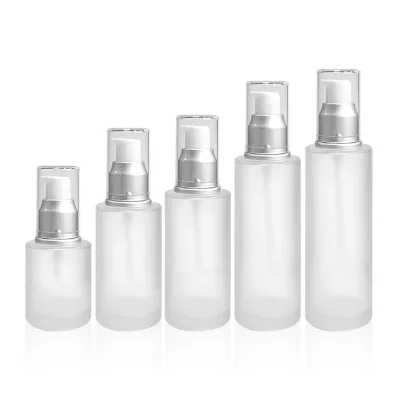
Market listings for cosmetic glass bottles reveal a diverse range of specifications tailored to different consumer needs. Common models include capacities ranging from 15ml to 120ml, with specific offerings like 30ml, 60ml, and 100ml bottles frequently appearing in supplier catalogs. These sizes cater to various product types, from concentrated serums to daily moisturizers. The observed data indicates that suppliers often provide customization services, allowing buyers to select from any color or design, which is crucial for maintaining brand consistency across different product lines.
In addition to standard bottles, the market includes specialized containers such as roll-on bottles and airless pump systems. These variants address specific application requirements, such as precise dispensing for foundations or leak-proof solutions for travel-friendly products. Features like non-drip mechanisms and screw caps are highlighted to assure buyers of product integrity during transit and use. The presence of sample availability suggests that suppliers are willing to provide prototypes for quality assessment, enabling buyers to verify the tactile and visual qualities before committing to large-scale orders.
Technical Specifications to Verify
When evaluating glass bottles, the closure mechanism is a critical technical specification that affects both user experience and product preservation. Options such as screw lids, press-on caps, and airless pumps serve distinct functions, with each type offering different levels of sealing integrity. Buyers must verify that the chosen closure complements the bottle’s neck finish to prevent leaks and ensure consistent dispensing. For instance, airless pumps are ideal for preserving the efficacy of oxygen-sensitive formulations, while screw caps provide a robust seal for general-purpose cosmetics.
The material composition and shape of the bottle also play pivotal roles in its performance and aesthetic appeal. Glass bottles are typically available in clear or colored variants, with round and rectangular shapes being the most common. Buyers should confirm the thickness and durability of the glass to ensure it can withstand filling pressures and transportation stresses. Additionally, verifying the compatibility of the bottle with the intended product formulation is essential, as certain chemicals may interact with the glass or its coatings, potentially affecting the product’s stability and shelf life.
Compliance and Safety Documentation
Ensuring that cosmetic packaging meets regulatory standards is a fundamental aspect of the procurement process. Buyers must request documentation that confirms the glass material is free from harmful substances and complies with relevant safety regulations. This includes verifying that the packaging is suitable for direct contact with cosmetics, personal care products, and potentially food items, depending on the intended use. Compliance with international standards, such as ISO 9001, can serve as an indicator of a supplier’s commitment to quality management, although buyers should verify the specific certifications held by each supplier.
Safety documentation should also cover the testing of closures and seals to ensure they meet leak-proof and non-drip claims. Buyers should ask for test results that demonstrate the packaging’s ability to maintain product integrity under various conditions, including temperature fluctuations and physical stress. Additionally, verifying that the packaging materials are recyclable or meet environmental standards can be important for brands aiming to appeal to eco-conscious consumers. Clear and comprehensive documentation not only mitigates legal risks but also enhances the brand’s reputation for safety and responsibility.
Cost Drivers and Commercial Terms
The cost of cosmetic glass bottles is influenced by several factors, including material quality, customization complexity, and order volume. Standard clear bottles with simple screw caps are generally more affordable than colored or intricately designed variants. Buyers should be aware that customization options, such as specific colors or unique shapes, can significantly increase the minimum order quantity (MOQ) and unit price. Understanding these cost drivers helps in negotiating favorable terms and aligning procurement strategies with budget constraints.
Commercial terms, including lead times and payment conditions, are also critical considerations. Typical delivery times range from 20 to 25 days, depending on the order size and customization requirements. Buyers should clarify these timelines during the negotiation phase to ensure they align with their production schedules. Additionally, understanding the packaging method, such as carton and pallet arrangements, is essential for calculating logistics costs and ensuring safe transit. Clear communication regarding these terms helps in avoiding unexpected delays and additional expenses.
Supplier Qualification and Quality Control
Selecting a reliable supplier is paramount to ensuring consistent quality and timely delivery of cosmetic glass bottles. Buyers should conduct thorough due diligence, including verifying the supplier’s production capabilities, quality control processes, and past performance. Requesting samples is a crucial step in this process, allowing buyers to assess the physical attributes of the bottles, such as finish, clarity, and closure functionality. Suppliers that offer samples demonstrate confidence in their products and provide an opportunity for buyers to make informed decisions.
Quality control measures should be established to monitor production consistency and address any defects promptly. Buyers should inquire about the supplier’s inspection protocols, including pre-shipment checks and defect rate thresholds. Establishing a clear communication channel for reporting issues and requesting resolutions is also important. By prioritizing suppliers with robust quality control systems, buyers can minimize the risk of receiving substandard products and maintain the integrity of their brand’s packaging.
Long-Term Procurement Checks
Building a sustainable supply chain for cosmetic glass bottles requires ongoing monitoring and relationship management. Buyers should regularly review supplier performance metrics, such as delivery punctuality, product quality, and responsiveness to issues. Establishing key performance indicators (KPIs) helps in objectively assessing supplier contributions and identifying areas for improvement. Regular audits and feedback sessions can foster a collaborative environment, encouraging suppliers to maintain high standards and innovate in response to market trends.
Additionally, buyers should stay informed about industry developments, such as new materials, designs, and regulatory changes, that may impact their packaging strategy. Engaging with suppliers to explore new customization options or cost-saving opportunities can enhance the competitiveness of the final product. By maintaining a proactive approach to supplier management, buyers can ensure a steady supply of high-quality packaging that supports their brand’s growth and adapts to evolving consumer preferences.
FAQs
What sizes are available for Cosmetic Packaging Glass Bottles?
Listed glass bottles are offered in sizes including 15ml, 30ml, 60ml, 80ml, 100ml, and 120ml, covering sample, travel, and full-size cosmetic formats. Common models include cream bottles, lotion bottles, and roll-on bottles. If you need a size outside these standards, customization is acceptable from many suppliers, though custom capacities may carry different minimum order requirements than standard sizes.
What is the minimum order quantity for glass cosmetic bottles?
Minimum order quantities vary by product, with observed listings ranging from 100 to 10000 pieces, and some listings stating an MOQ of 10000 pieces. Clear or colored finishes can affect requirements, with one listing noting a color MOQ of 20000 pieces. Confirm the exact MOQ for your chosen size, closure, and finish before placing a trial order.
Can the glass bottles be customized in color and design?
Yes, customization is acceptable, with listings indicating any color or any colour can be produced and customized options supported. Keep in mind that colored bottles typically require higher minimums, such as a stated color MOQ of 20000 pieces, and may extend production time. Samples are available or offered, so you can validate color accuracy and finish quality before committing to mass production.
What closure and lid types do these glass bottles use?
Available closure options include screw lids and screw caps, press lids, press-on closures, press caps, and airless pump systems. Screw closures suit creams and lotions requiring secure sealing, while airless pumps work well for lotions and foundations. Many listings highlight leak-proof and non-drip performance, so match the closure type to your product viscosity and dispensing needs.
What is the typical delivery time for glass cosmetic bottle orders?
Observed delivery times range from 20 to 25 days, with some listings stating 25 days or 25 days after order confirmation. Actual timelines depend on order quantity, customization such as colors or printing, and current production capacity. Carton and pallet packing is used for shipment protection. Confirm the lead time in writing when finalizing your purchase order.
Where are these glass cosmetic bottles produced and what are they used for?
Products are listed with origins in Ningbo and China, a recognized hub for glass cosmetic packaging manufacturing. Usage spans cosmetics, personal care products, beverages, food, chemicals, and medicine, covering creams, lotions, foundations, and sprays. Bottles are non-disposable glass with round or rectangular shapes. Ask suppliers to confirm suitability for your specific product formulation and filling process.