Source Cosmetic Packaging Pet Bottle for Skin Care, Hair Care, and Medicine
Compare 30 Cosmetic Packaging Pet Bottle options from Chinese manufacturers. Buyers can evaluate capacities ranging from 10ml to 1200ml, customization services, and delivery times for personal care, chemical, and beverage applications; compare the available evidence and request quotations based on your requirements.
Key considerations
Products List
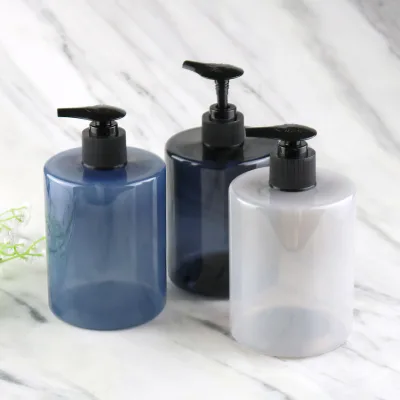


Facial Cleanser Bottle Cosmetic Pet Bottle Skincare Packaging Pet Bottle
$0.19 - $0.21
MOQ: 10000 Pieces

100ml Body Milk Bottle Cosmetic Pet Bottle Skincare Packaging Pet Bottle
$0.19 - $0.21
MOQ: 10000 Pieces

150ml Facial Cleanser Bottle Cosmetic Pet Bottle Skincare Packaging Pet Bottle
$0.19 - $0.21
MOQ: 10000 Pieces


Comprehensive Sourcing Guide
Cosmetic Packaging Pet Bottle Sourcing Guide
Sourcing cosmetic packaging PET bottles requires a disciplined approach to balancing aesthetic flexibility with functional integrity. Buyers must navigate a market where customization is standard, yet technical verification remains critical to ensure product stability. The following guide outlines the essential steps for evaluating suppliers, verifying specifications, and securing reliable supply chains for personal care and cosmetic applications.
Product Scope and Observed Listing Signals
The observed market signals indicate a strong focus on plastic materials, specifically PET, designed for cosmetic and personal care applications. Listings frequently highlight customization options, including silk screen printing and labeling, which allow brands to tailor the visual identity of their packaging. The primary usage cases identified include creams, lotions, and other personal skin care products, suggesting that the bottles are engineered to maintain the integrity of semi-viscous formulations.
Volume capacities vary significantly across suppliers, ranging from small 10ml samples to large 1200ml containers. This wide range supports diverse product lines, from travel-sized testers to full-size household items. The observed sealing types often include pump sprayers, indicating a design focus on controlled dispensing for liquid or foam products. Buyers should note that while the material is consistently plastic, the specific grade and thickness may vary, necessitating careful review of individual product datasheets.
Technical Specifications to Verify
Technical verification begins with confirming the exact volume standards and weight tolerances for each bottle model. Suppliers list specific capacities such as 50ml, 100ml, and 150ml, but buyers must verify if these are nominal or actual fill volumes. Weight specifications are also critical, with observed ranges between 10g and 80g, which can impact shipping costs and structural durability. Ensuring that the bottle weight aligns with the intended product density is essential for preventing leakage or deformation during transit.
Shape and finish are equally important technical parameters. The market offers round bottle designs with various finishes, including silk screen printing capabilities. Buyers should request physical samples to assess the tactile quality of the plastic and the precision of the printing. Additionally, verifying the compatibility of the pump sprayer or cap with the bottle neck is crucial to prevent operational failures. Customization availability should be confirmed for both the bottle body and the dispensing mechanism to ensure a cohesive final product.
Compliance and Safety Documentation
Compliance with food and cosmetic safety standards is non-negotiable for PET packaging used in personal care. Buyers must request documentation proving that the plastic material is free from harmful contaminants such as BPA or heavy metals. Although specific certification names are not listed in the observed data, suppliers should provide material safety data sheets (MSDS) and compliance certificates relevant to the destination market. This ensures that the packaging does not leach chemicals into the cosmetic formulation over time.
Furthermore, the intended usage categories, including medicine, chemical, and food, imply a need for broad regulatory adherence. Buyers should verify if the supplier’s production facilities adhere to Good Manufacturing Practices (GMP). It is also important to check if the packaging materials are recyclable or meet specific environmental regulations in the target market. Clear communication regarding regulatory compliance helps mitigate legal risks and ensures that the final product can be sold without restriction in international markets.
Cost Drivers and Commercial Terms
Cost structures for cosmetic PET bottles are influenced by volume, customization complexity, and material thickness. The observed minimum order quantities (MOQ) range from 5,000 to 50,000 pieces, with some suppliers requiring 10,000 units for standard orders. Higher customization, such as specific printing or unique shapes, may increase the unit price and extend the production lead time. Buyers should negotiate tiered pricing based on volume to optimize costs for large-scale production runs.
Commercial terms also play a significant role in the total cost of ownership. Payment terms often require a 30% deposit with the balance against the bill of lading copy, which is standard for international trade. Delivery times vary from 10 to 25 days, depending on the order size and customization requirements. Buyers should factor in these lead times when planning inventory to avoid stockouts. Additionally, sample costs and shipping fees for prototypes should be clarified upfront to avoid unexpected expenses during the sourcing phase.
Supplier Qualification and Quality Control
Supplier qualification involves assessing production capacity and quality control processes. Observed daily capacities reach up to 50,000 pieces, indicating that larger suppliers can handle high-volume orders efficiently. Buyers should verify the supplier’s ability to maintain consistent quality across large batches by requesting references or audit reports. The availability of 24-hour online services suggests a commitment to responsive customer support, which is valuable for resolving issues quickly.
Quality control measures should include pre-production sample approvals and in-line inspections during manufacturing. Buyers should establish clear acceptance criteria for defects such as scratches, printing misalignment, or structural weaknesses. It is also advisable to conduct third-party inspections before shipment to ensure that the delivered goods match the approved samples. A robust quality control process minimizes the risk of receiving defective inventory and protects the brand’s reputation in the market.
Long-Term Procurement Checks
Long-term procurement success depends on establishing a reliable and scalable supply chain. Buyers should monitor supplier performance metrics, such as on-time delivery rates and defect percentages, to identify potential issues early. Regular communication with the supplier helps maintain alignment on production schedules and quality expectations. Building a strong relationship with the supplier can also lead to better pricing and priority treatment during peak demand periods.
Additionally, buyers should stay informed about changes in material costs and regulatory requirements that may impact packaging sourcing. Diversifying suppliers for critical components can reduce dependency on a single source and mitigate supply chain risks. Periodic reviews of the packaging design and material specifications ensure that the products remain competitive and compliant with evolving market trends. Continuous improvement in the sourcing process is essential for maintaining cost efficiency and product quality over time.
FAQs
What customization options are available for these bottles?
Customization is available for these cosmetic packaging PET bottles. You can request specific printing methods like silk screen or labeling, and the weight can be customized between 10 to 80 grams. This allows brands to tailor the product to their unique packaging needs effectively.
How long does it take to receive a sample order?
Samples are available with a quantity of 1 to 5 pieces. The delivery time for production orders ranges from 10 to 25 days depending on the specific order details. Some listings indicate a standard lead time of 15 days for finishing processes.
Which minimum order quantities apply to these plastic bottles?
Minimum order quantities vary significantly across different product listings. Some suppliers require 5,000 pieces, while others set the threshold at 10,000 pieces. Buyers should verify the specific MOQ for their chosen model before placing a bulk order.
Can these bottles be used for medicine and chemical products?
Yes, these bottles are suitable for medicine, chemical, cosmetics, beverage, and food applications. They feature a pump sprayer sealing type and are designed for personal skin care or hair care creams. The material is plastic, ensuring durability for various liquid contents.
What payment terms are accepted for bulk orders?
The standard payment term requires a 30% deposit followed by 70% against the Bill of Lading copy. This structure is common for international transactions involving these cosmetic packaging items. Buyers should confirm specific terms with the supplier before finalizing the agreement.
How are these bottles packed for international shipping?
Bottles are typically packed in an inner tray, PE bag, and carton. Some listings specify standard packing cartons or export cartons for protection. This packaging ensures the items remain secure during transit to global markets while maintaining product integrity.
What volume sizes are available for these cosmetic bottles?
Available volumes range from 10ml up to 1200ml depending on the specific model. Common sizes include 50ml, 100ml, 150ml, and 30ml. Buyers can find options covering 50 to 500ml or 10 to 800ml to suit different product requirements.