Source Cosmetic PET Dropper Bottle for Essential Oils, Cosmetics, and Medicine
Find 30 Cosmetic PET Dropper Bottle options from verified suppliers. Buyers can compare specifications like 10ml to 500ml capacities, PET and PETG materials, and customization services for essential oils, cosmetics, and personal care products.
Key considerations
Products List


Facial Cleanser Bottle Cosmetic Pet Bottle Skincare Packaging Pet Bottle
$0.19 - $0.21
MOQ: 10000 Pieces


China Dropper Bottle Hot Sale Cosmetic Glass Dropper Bottle for Personal Care
$0.15 - $0.26
MOQ: 20000 Pieces


20ml 50ml Cosmetic Luxurious Pet Plastic Dropper Bottle with Rotating Dropper Cap
$0.52 - $0.63
MOQ: 10000 Pieces


50ml Cosmetic Pet Bottle (glass look like) for Serum with Dropper & Pump
$0.02 - $1.50
MOQ: 10000 Pieces


20ml Pet Oval Plastic Cosmetic Container Packaging Transparent Bottle with Dropper
$0.01 - $0.50
MOQ: 10000 Pieces

Compact 20ml Pet Material Packaging Bottle with Dropper for Essential Oils for Skin Care
$0.01 - $1.00
MOQ: 10000 Pieces


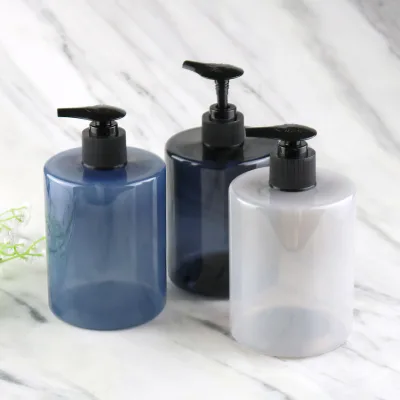
Skincare Shampoo and Lotion Pet Dropper Bottle with White Dropper Pump
$0.01 - $0.55
MOQ: 10000 Pieces


Comprehensive Sourcing Guide
Strategic Sourcing Guide for Cosmetic PET Dropper Bottles
Understanding Material Composition and Structural Integrity
When sourcing cosmetic PET dropper bottles, the primary distinction lies in the material selection, which directly impacts product compatibility, sustainability, and visual appeal. The market data indicates a clear bifurcation between plastic and glass options, with PET (Polyethylene Terephthalate) and PETG (Polyethylene Terephthalate Glycol) emerging as dominant plastic choices for this specific application. These materials are favored for their lightweight characteristics and high clarity, making them ideal for showcasing cosmetic formulations such as serums, toners, and essential oils.
The observed product attributes highlight that PET bottles often feature a "Round Bottle" shape, which is standard for ergonomic handling and efficient shelf stacking. A critical technical specification to verify is the neck size, as this dictates the compatibility of the dropper assembly. Available data points to neck sizes of 13mm and 18mm, which are common industry standards for dropper caps. Buyers must ensure that the selected bottle's neck diameter precisely matches the internal threading of the dropper pump or cap to prevent leakage and ensure a secure seal.
Furthermore, the structural integrity of the bottle is often enhanced by specific design features. Attributes such as "Good Sealing" and "Lightweight" are frequently cited, suggesting that the manufacturing process prioritizes both containment security and logistics efficiency. The "Refillable" feature noted in several product listings indicates a growing trend toward sustainable packaging, where the bottle design allows for the replacement of the dropper mechanism or the bottle itself, reducing waste. When evaluating potential suppliers, procurement teams should request physical samples to verify the rigidity of the PET material, ensuring it can withstand the pressure of the dropper pump without deforming or cracking during the filling process.
Technical Specifications and Customization Capabilities
The technical landscape of cosmetic PET dropper bottles is defined by a wide range of capacities and customizable parameters. The observed standard sizes vary significantly, ranging from small 10ml and 15ml units up to larger 120ml, 180g, and even 500ml capacities. This variance suggests that a single supplier may offer a modular product line catering to different product stages, from concentrated serums to larger lotion applications. Specific model numbers such as HX-Bottle-394, HX-Bottle-190, and BT0695-30ML illustrate the granular level of SKU differentiation available in the market.
Customization is a central pillar of the sourcing strategy for this category. The data confirms that "Customization" and "Customized" services are widely available, allowing buyers to tailor the product to their brand identity. Key areas for customization include color, size, closure type, and logo printing. The "Custom Service" attribute explicitly lists options for color, size, closure, and logo printing, providing a roadmap for brand differentiation. For instance, buyers can opt for specific bottle colors or apply branding through "Silk Screen Printing" and "Hot Stamping."
The closure and dispensing mechanisms are equally critical. The market offers "Pump-on" closures and "Dropper Cap" options, with some listings specifying a "Pump Sprayer" or "Lotion Pump" as the dispensing type. The "Sealing Type" is another vital specification; while dropper bottles inherently rely on the seal between the glass/plastic pipette and the cap, the data mentions "Good Sealing" as a feature, implying that the design minimizes evaporation and leakage. Buyers should verify the specific sealing mechanism of the dropper, ensuring it is compatible with the viscosity of their cosmetic formulation. Additionally, the "Neck Size" specifications of 13mm and 18mm must be cross-referenced with the chosen dropper head to ensure a perfect fit.
Production Standards, Lead Times, and Logistics
Understanding the production timeline and logistical parameters is essential for effective supply chain management. The sourcing data reveals a distinct range in lead times, with some products indicating a "Finish Time" of 15 days, while others specify a "Lead Time" of 25-30 days. This variance often depends on the complexity of the customization, the volume of the order, and the current production capacity of the supplier. Buyers should anticipate that orders requiring custom colors, specific logo printing, or unique mold modifications will likely fall into the longer end of this spectrum.
Packaging standards are another critical logistical factor. The data indicates that "Standard Packing Carton" is common, with specific configurations such as "Inner Tray+PE Bag +Carton" to protect the bottles during transit. For larger orders, the packing density is optimized, with examples showing 500 pieces per carton with dimensions of 46x39x60cm and a net weight of 12kg. This information is vital for calculating shipping costs and warehouse storage requirements. The "Product Origin" is consistently listed as China, which is a major manufacturing hub for cosmetic packaging, offering competitive pricing but requiring careful selection of logistics partners to manage international shipping.
The Minimum Order Quantity (MOQ) presents a significant variable for buyers. The observed MOQ range spans from as low as 1 piece for samples to as high as 50,000 pieces for bulk production. Specific listings show MOQs of 5,000 and 10,000 units, suggesting that suppliers may have tiered pricing structures or different production lines for small and large batches. Buyers should be prepared to negotiate these thresholds, especially if they are testing a new product line. Sample availability is generally high, with "1-5PCS" samples offered to facilitate quality checks before committing to large orders.
Compliance, Certification, and Quality Assurance
While the provided data does not explicitly list specific certification numbers for every product, the industry standard for cosmetic packaging involves rigorous adherence to safety and quality protocols. The mention of "ISO 9001" in the background context, though marked as low-confidence for specific claims, signals that reputable suppliers in this sector typically operate under quality management systems that ensure consistent production standards. Buyers must verify that the PET material used is food-grade or cosmetic-grade, ensuring it does not leach harmful substances into the product.
Quality control should focus on the "Good Sealing" and "Lightweight" attributes observed in the product data. A high-quality PET dropper bottle must maintain its structural integrity under pressure and temperature fluctuations. Buyers should request test results regarding the bottle's resistance to leakage, particularly when filled with liquid cosmetics. The "Sealing Type" and "Closure Type" must be tested to ensure they provide an airtight seal, preventing oxidation of sensitive ingredients like essential oils or active serums.
Furthermore, the decoration methods, such as "Silk Screen Printing" and "Hot Stamping," must be evaluated for durability. The ink used should be resistant to fading, scratching, and chemical interaction with the cosmetic product. Buyers should ask suppliers for examples of their previous work to assess the quality of the printing and the consistency of the color coating. The "Frosted" and "Color Coating" options mentioned in the data require specific quality checks to ensure the finish is even and free from defects like bubbles or peeling.
Cost Drivers and Procurement Strategy
The cost of sourcing cosmetic PET dropper bottles is influenced by several key drivers, including material type, customization complexity, and order volume. The observed price range of $0.01 to $5.00 USD reflects the vast difference between basic, unbranded units and highly customized, premium packaging. The "Plastic Type" (PET vs. PETG) is a primary cost factor, with PETG often commanding a higher price due to its superior clarity and chemical resistance.
Customization adds significant cost layers. Services such as "Logo Printing," "Color Coating," and "Hot Stamping" require additional setup fees and production time. Buyers should balance the desire for unique branding with the budget constraints, considering that complex designs may increase the unit cost and extend the lead time. The "MOQ" is also a critical cost driver; ordering closer to the supplier's standard MOQ (e.g., 5,000 or 10,000 units) typically results in a lower unit price compared to smaller orders.
To optimize procurement costs, buyers should adopt a tiered strategy. Start with a small sample order to validate quality and design, then scale up to the standard MOQ to benefit from economies of scale. Negotiating based on the "Service" attributes, such as "24 Hours Online Services" and "OEM ODM" capabilities, can also add value by ensuring responsive communication and technical support throughout the production process. Additionally, consolidating orders for different bottle sizes or models from the same supplier can reduce shipping costs and streamline the logistics process.
Supplier Evaluation and Long-Term Partnership
Selecting the right supplier for cosmetic PET dropper bottles requires a comprehensive evaluation beyond just price and specifications. The "Service" attribute, including "24 Hours Online Services" and "OEM ODM" capabilities, indicates the level of support a supplier provides. Buyers should prioritize suppliers who demonstrate a commitment to customer service and are willing to collaborate on design and production challenges. The "Global" market reach suggests that suppliers are experienced in handling international logistics and compliance requirements.
When evaluating suppliers, buyers should look for evidence of consistent quality and reliability. The "Process" of finishing in 15 days versus 25-30 days can indicate the supplier's efficiency and capacity. A supplier with a shorter lead time may be better suited for urgent orders, while a longer lead time might reflect a more thorough quality control process. It is essential to verify the supplier's ability to handle the specific "Application" requirements, such as "Essential Oils," "Cosmetics," or "Medicine," as different formulations may require specific material properties.
Long-term procurement considerations should focus on the supplier's ability to scale and adapt. The "Customizable" nature of the product allows for future brand evolution, so a supplier who can easily accommodate changes in design or volume is invaluable. Buyers should also consider the "Market" reach of the supplier, ensuring they have experience exporting to the target region and can navigate any regulatory hurdles. Building a relationship with a supplier who offers "OEM ODM" services can lead to exclusive designs and better pricing over time, fostering a stable and productive partnership.
Conclusion
Sourcing cosmetic PET dropper bottles requires a meticulous approach that balances technical specifications, customization needs, and logistical realities. By understanding the material properties of PET and PETG, verifying neck sizes and sealing mechanisms, and navigating the complex landscape of lead times and MOQs, buyers can secure high-quality packaging that meets their brand's standards. The availability of customization options, from printing to color coating, offers significant opportunities for brand differentiation, while the global nature of the market ensures a wide selection of suppliers. Ultimately, a successful procurement strategy relies on thorough supplier evaluation, rigorous quality control, and a clear understanding of cost drivers to ensure a sustainable and profitable supply chain.
FAQs
What customization options are available for cosmetic pet dropper bottles?
Customization is available for color, size, closure, and logo printing. Suppliers offer services like silk screen printing and hot stamping to tailor the bottle to your brand identity.
Which materials are used for these cosmetic bottles?
The bottles are primarily made from plastic types including PET and PETG. Some listings also indicate glass options, providing choices based on clarity and weight requirements.
What is the minimum order quantity for bulk production?
Minimum order quantities vary, with observed values ranging from 5,000 to 10,000 units. Sample orders can be as low as 1 to 5 pieces for quality verification before bulk commitment.
How long does the production lead time take?
Lead times range from 15 days to 30 days depending on the order complexity. Standard production may finish in 15 days, while customized orders often require 25 to 30 days.
Can these bottles be used for essential oils and cosmetics?
Yes, the bottles are designed for applications including essential oils, cosmetics, medicine, and personal care products. They feature good sealing to prevent leakage and evaporation.
What packaging standards are used for shipping?
Standard packing includes inner trays, PE bags, and cartons. Bulk shipments may be packed at 500 pieces per carton with specific dimensions and weight configurations for logistics efficiency.
Which closure types are compatible with these bottles?
Compatible closures include pump-on types, dropper caps, and lotion pumps. Neck sizes of 13mm and 18mm are available to ensure proper fit for various dispensing mechanisms.