Source Cosmetic Preform for Water, Beverage, and Food
Compare 22 cosmetic preform options from verified Chinese manufacturers. Buyers can evaluate neck sizes, materials like PET and RPET, and customization features for water, beverage, and food applications. Explore various shapes, colors, and sealing types to find the right fit for your specific packaging needs.
Key considerations
Products List


Comprehensive Sourcing Guide
Cosmetic Preform Sourcing Guide
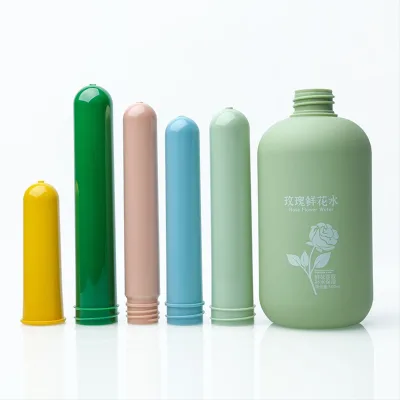
Sourcing high-quality cosmetic preforms requires a strategic approach that balances material integrity, dimensional precision, and supply chain reliability. Buyers must navigate a market where customization is prevalent, with options ranging from standard transparent finishes to customized colors like green, yellow, red, blue, and black. The primary material observed is PET, though alternatives such as PLA, RPET, and PCR are available for sustainability-focused projects. Understanding these material variations is critical, as they directly impact the final bottle's clarity, barrier properties, and environmental footprint.
This guide provides evidence-based procurement advice for sourcing cosmetic preforms, focusing on technical verification, compliance, and commercial terms. By examining observed listing signals and technical specifications, buyers can mitigate risks associated with inconsistent quality or non-compliant materials. The following sections detail the essential steps for evaluating suppliers, ensuring product safety, and establishing robust long-term procurement strategies that align with brand requirements and regulatory standards.
Product Scope and Observed Listing Signals
The observed product scope for cosmetic preforms includes a wide variety of neck sizes, ranging from 24mm to 94mm, with common sizes like 28mm, 30mm, and 38mm frequently listed. These preforms are designed for applications such as cosmetic bottles, medicine bottles, and wide-mouth jars, indicating versatility in end-use packaging. The weight range of 10-800g suggests that suppliers offer solutions for both small sample-sized containers and larger bulk packaging needs. Buyers should verify that the specific neck size and weight match their downstream blowing equipment and final product volume requirements.
Listing signals indicate that customization is widely available, allowing brands to tailor preforms to specific aesthetic and functional needs. Products are often packed in carton boxes or wooden boxes, with origins primarily located in Zhejiang, China, and other parts of China. Delivery times typically range from 10-30 days, which buyers must factor into their inventory planning. The presence of models like TNN10 and TNNPET suggests standardized product lines, while custom shapes and colors offer flexibility for unique brand identities.
Technical Specifications to Verify
Technical verification must begin with the neck finish, as this component determines compatibility with caps and dispensing mechanisms. Observed neck sizes include 24mm, 26mm, 28mm, 30mm, 32mm, 34mm, 38mm, 40mm, 48mm, 55mm, 60mm, 65mm, 89mm, and 94mm. Buyers should confirm the exact neck standard, such as 11mm, 14mm, or 15mm, to ensure seamless integration with existing filling lines. Mismatched neck finishes can lead to production delays and packaging failures, making precise specification alignment a critical first step in the sourcing process.
Material composition and wall thickness are equally vital for ensuring product stability and shelf life. While PET is the dominant material, options like PLA, RPET, and PCR cater to eco-conscious markets. Buyers should request detailed material data sheets to verify resin quality and recycled content percentages. Additionally, the preform weight, ranging from 10g to 800g, influences the final bottle's strength and cost. Verifying these specifications against industry standards ensures that the preforms will perform reliably during the blow-molding process and throughout the product's lifecycle.
Compliance and Safety Documentation
Compliance documentation is essential for ensuring that cosmetic preforms meet international safety and quality standards. Buyers should verify that suppliers hold relevant certifications, such as ISO and CE, which indicate adherence to quality management and safety regulations. These certifications provide assurance that the manufacturing processes are controlled and consistent, reducing the risk of defects or contamination. Requesting copies of these certificates and checking their validity is a crucial step in supplier qualification.
Food contact and pharmaceutical safety standards may also apply, depending on the intended use of the final packaging. Although specific food-grade certifications were not explicitly listed, buyers should inquire about compliance with regulations such as FDA or EU food contact materials standards. This is particularly important for preforms used in medicine bottles or edible oil containers. Ensuring that the materials used are safe for their intended application protects the brand from regulatory penalties and consumer health risks.
Cost Drivers and Commercial Terms
Cost drivers for cosmetic preforms include material type, neck size, weight, and customization requirements. Standard PET preforms in common sizes like 28mm or 30mm are typically more cost-effective than custom-colored or uniquely shaped preforms. The MOQ of 5,000 PCS observed in listings suggests that economies of scale play a significant role in pricing. Buyers should negotiate volume discounts and clarify whether tooling costs for custom designs are included or charged separately.
Commercial terms such as delivery time and packing methods also impact the total cost of ownership. With delivery times ranging from 10-30 days, buyers must account for logistics and inventory holding costs. Packing in carton boxes or wooden boxes affects shipping efficiency and protection during transit. Understanding these variables allows buyers to create accurate cost models and avoid unexpected expenses. Clear communication regarding payment terms and shipping responsibilities ensures a smooth procurement process.
Supplier Qualification and Quality Control
Supplier qualification involves assessing manufacturing capabilities and quality control processes. Buyers should verify that suppliers use advanced injection molding techniques, such as hot runner systems, to ensure consistent preform quality. The use of high-grade steel like S136 for molds indicates a commitment to durability and precision. Requesting samples and conducting internal testing for dimensional accuracy and material integrity is essential before placing large orders.
Quality control checks should include visual inspections for defects and mechanical tests for strength and flexibility. Buyers should inquire about the supplier's defect rate and corrective action processes. Establishing clear quality expectations and conducting regular audits helps maintain product consistency. Collaborating with suppliers who prioritize quality control reduces the risk of production issues and ensures that the final packaging meets brand standards.
Long-Term Procurement Checks
Long-term procurement success depends on continuous supplier performance monitoring and relationship management. Buyers should establish key performance indicators (KPIs) for delivery reliability, quality consistency, and responsiveness. Regular reviews of supplier performance help identify areas for improvement and foster a collaborative partnership. Maintaining open communication channels ensures that any issues are addressed promptly and effectively.
Adapting to market changes and sustainability trends is also crucial for long-term procurement strategies. As demand for eco-friendly packaging grows, buyers should explore options for recycled materials like RPET and PCR. Evaluating suppliers' capabilities in sustainable manufacturing ensures that brands can meet evolving consumer expectations. By staying informed about industry developments and maintaining strong supplier relationships, buyers can secure a reliable and competitive supply chain for cosmetic preforms.
FAQs
What materials are used for cosmetic preforms?
Cosmetic preforms are primarily made from PET material, though customized options using PLA, RPET, or PCR are available. These materials ensure durability and clarity suitable for various packaging needs while meeting specific customization requirements for different cosmetic applications.
Which neck sizes are available for these preforms?
Available neck sizes range from 24mm to 48mm, including specific options like 30mm, 32mm, 34mm, 38mm, and 40mm. This variety allows manufacturers to select the precise fit required for different bottle types and sealing mechanisms used in the cosmetic industry.
Can I customize the color of the preforms?
Yes, customization is available for colors including green, yellow, red, blue, black, and transparent options. Buyers can request specific shades to match their brand identity, ensuring the preforms align perfectly with the final cosmetic product packaging design requirements.
What is the typical delivery time for orders?
The standard delivery time for these cosmetic preform orders is between 10 to 30 days. This timeframe accounts for production scheduling and logistics, ensuring timely supply for manufacturers who need consistent inventory for their cosmetic bottle production lines.
How are the preforms packed for shipment?
Preforms are typically packed in carton boxes, with some specialized orders potentially using wooden boxes for extra protection. This packaging method ensures the integrity of the PET preforms during transit, preventing damage before they reach the manufacturing facility for blowing.
What certifications do the manufacturers hold?
Manufacturers often hold ISO and CE certifications to ensure quality and safety standards are met. These credentials verify that the production processes and materials comply with international regulations, providing assurance for buyers sourcing cosmetic packaging components for global markets.
What is the minimum order quantity for preforms?
The minimum order quantity is generally 5,000 pieces, though ranges can extend up to 10,000 units depending on the supplier. This MOQ ensures efficient production runs while allowing buyers to secure sufficient stock for their cosmetic bottle manufacturing needs.