Source Customizable Kraft Paper Cardboard Box for Food, Electronics, and Cosmetics
Find 30 listings for Customizable Kraft Paper Cardboard Box options suitable for food, electronics, and cosmetics. Buyers can compare sizes, materials, and customization support to select the right packaging solution.
Key considerations
Products List


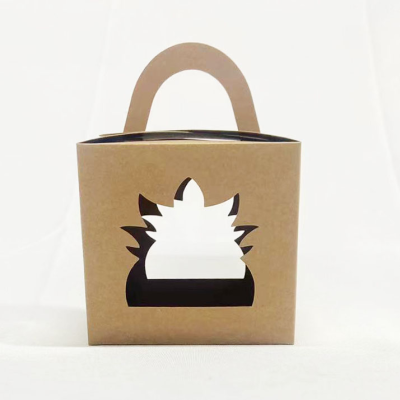
Corrugated Printed White Brown Kraft Customized Paper Packaging Cardboard Box
$0.20 - $1.00
MOQ: 500 Pieces


Comprehensive Sourcing Guide
Customizable Kraft Paper Cardboard Box Sourcing Guide
Sourcing high-quality packaging solutions requires a strategic approach that balances aesthetic appeal, functional durability, and cost efficiency. The Customizable Kraft Paper Cardboard Box has emerged as a preferred choice for businesses seeking sustainable yet robust packaging options. These boxes are widely utilized across diverse industries, including food, electronics, apparel, cosmetics, and household goods, due to their versatility and eco-friendly profile. Buyers must navigate a complex landscape of material grades, printing techniques, and customization options to ensure the final product meets both brand identity and logistical requirements. This guide provides a structured framework for evaluating suppliers, verifying technical specifications, and managing commercial terms to secure reliable supply chains.
The procurement process begins with a clear understanding of the product scope and the signals present in supplier listings. Not all kraft paper boxes are created equal; variations in paper weight, corrugation type, and finishing processes significantly impact performance. Buyers should focus on listings that provide transparent details about material composition, such as 350g brown kraft paper or specific corrugated board types, rather than vague descriptions. Observing the range of customization options, from size adjustments to logo printing, helps identify suppliers capable of meeting unique brand needs. By critically analyzing these listing signals, buyers can filter out low-quality providers and focus on partners who demonstrate technical competence and operational flexibility.
Product Scope and Observed Listing Signals
The market for kraft paper cardboard boxes exhibits a wide range of product variations, primarily distinguished by material composition and structural design. Listings often highlight specific paper types, such as brown corrugated board or white corrugated board, which dictate the box’s strength and visual appeal. Some products are designed for archival storage or shipping, featuring flute corrugated structures that offer enhanced cushioning and protection. Others are tailored for retail presentation, utilizing single-sided printing or specific shapes like square configurations to maximize shelf impact. Buyers should carefully review these distinctions to align product selection with their specific use case, whether it involves heavy electronic components, delicate cosmetics, or bulk food items.
Observed listing signals also reveal important insights into production capabilities and customization support. Many suppliers advertise support for customized sizes, allowing businesses to optimize packaging for specific product dimensions and reduce material waste. The availability of various printing methods, including CMYK, Pantone, and offset printing, indicates a supplier’s ability to deliver branded packaging that meets strict color accuracy standards. Additionally, the presence of specific product models or SKUs in listings suggests a level of standardization and inventory management that can streamline the ordering process. Buyers should look for listings that clearly articulate these customization options and production timelines to ensure alignment with their launch schedules and branding requirements.
Technical Specifications to Verify
Verifying technical specifications is critical to ensuring that the chosen kraft paper cardboard boxes meet functional and aesthetic expectations. Key attributes to confirm include the paper weight, such as 350g for rigid structures, and the type of corrugation, which affects durability and stackability. Buyers should also verify the printing page configuration, whether single-sided or two-sided, and the surface handling techniques, such as offset printing, which influence the final visual quality. Additionally, the box’s shape and size, including options for middle or small dimensions, must be precisely defined to ensure compatibility with existing packaging lines and storage systems. These specifications directly impact the box’s protective capabilities and overall presentation.
Further technical verification should focus on the box’s functional features and production parameters. Attributes such as folding-to-ship designs and eco-friendly classifications indicate a commitment to logistical efficiency and sustainability. Buyers must also confirm the artwork file formats accepted by the supplier, such as AI, PDF, PSD, SVG, and CDR, to facilitate smooth design integration. The production time, often cited as 7-10 work days, is a crucial factor for supply chain planning, especially for time-sensitive product launches. By meticulously verifying these technical details, buyers can avoid costly errors, ensure consistent quality, and maintain brand integrity throughout the distribution process.
Compliance and Safety Documentation
Compliance and safety documentation are essential components of the procurement process, particularly for products intended for food, cosmetics, or health care applications. Buyers must ensure that suppliers adhere to relevant industry standards and regulations to guarantee the safety and integrity of the packaged goods. While specific certifications like FSC may be mentioned, buyers should independently verify the current status and scope of such certifications to confirm sustainable sourcing practices. Documentation should also include details on inner quality control measures, which serve as a baseline for ensuring consistent product quality across large production runs.
In addition to material certifications, buyers should request documentation related to the printing inks and adhesives used in the box production. For food-contact applications, it is imperative to verify that all materials are non-toxic and compliant with local food safety regulations. Suppliers should provide clear information on their quality control processes, including any third-party testing or inspections conducted during production. By prioritizing compliance and safety documentation, buyers can mitigate risks associated with regulatory violations, product recalls, and brand damage, ensuring that their packaging solutions meet the highest standards of safety and sustainability.
Cost Drivers and Commercial Terms
Understanding the cost drivers and commercial terms is vital for effective budget management and negotiation. The price of kraft paper cardboard boxes is influenced by several factors, including material costs, printing complexity, customization level, and order quantity. Listings often show a wide price range, reflecting the diversity of product options and supplier pricing strategies. Buyers should analyze these prices in the context of the specified MOQ, which can range from 1,000 to 100,000 pieces per design, to determine the most cost-effective order volume. Higher customization levels, such as unique sizes or complex printing designs, typically command higher prices due to increased production complexity.
Commercial terms, including delivery times and packing methods, also play a significant role in the total cost of ownership. Suppliers may offer rapid delivery options, such as 48-hour dispatch after payment, which can be crucial for urgent orders but may come at a premium. The method of packing, whether in standard export cartons, pallets, or customized bundling, affects shipping costs and handling efficiency. Buyers should negotiate clear terms regarding payment schedules, shipping responsibilities, and return policies to avoid hidden costs. By carefully evaluating these commercial terms, buyers can optimize their procurement strategy to balance cost, speed, and reliability.
Supplier Qualification and Quality Control
Supplier qualification is a critical step in ensuring a reliable and consistent supply of kraft paper cardboard boxes. Buyers should assess suppliers based on their production capabilities, quality control processes, and customer service responsiveness. Suppliers located in key manufacturing hubs, such as Guangdong, China, often have established supply chains and expertise in producing high-quality packaging solutions. However, location alone is not a guarantee of quality; buyers must verify the supplier’s track record, including their ability to meet deadlines and maintain consistent product standards. Requesting samples and conducting factory audits can provide valuable insights into the supplier’s operational efficiency and quality management systems.
Quality control measures should be clearly defined and agreed upon before production begins. Suppliers should outline their inspection processes, including pre-production checks, in-line monitoring, and final random inspections. Buyers should also specify their acceptance criteria for defects, such as printing errors, structural weaknesses, or dimensional inaccuracies. Establishing a clear communication channel for addressing quality issues and implementing corrective actions is essential for maintaining product integrity. By prioritizing supplier qualification and robust quality control, buyers can minimize the risk of receiving substandard products and ensure that their packaging solutions meet brand expectations.
Long-Term Procurement Checks
Long-term procurement success depends on continuous monitoring and evaluation of supplier performance and market trends. Buyers should establish key performance indicators (KPIs) to track supplier reliability, including on-time delivery rates, defect rates, and responsiveness to issues. Regular reviews of these metrics can help identify potential problems early and facilitate proactive management of the supply chain. Additionally, buyers should stay informed about changes in material costs, regulatory requirements, and sustainability trends that may impact the packaging industry. Adapting to these changes ensures that procurement strategies remain competitive and aligned with business goals.
Building a strong, collaborative relationship with suppliers is also crucial for long-term success. Open communication, mutual trust, and shared goals can lead to better pricing, improved service, and innovative solutions. Buyers should engage in regular dialogues with suppliers to discuss future needs, explore new customization options, and address any concerns. By fostering these relationships, buyers can secure a stable supply of high-quality kraft paper cardboard boxes and maintain a competitive edge in the market. Continuous improvement and strategic partnership are key to sustaining long-term procurement excellence.
FAQs
What materials are used for these boxes?
These boxes are made from 350g Brown Kraft Paper or Brown Corrugated Board. Some options also include White Corrugated Board. The material choice supports various applications like food, electronics, and cosmetics while maintaining structural integrity.
Can I get custom sizes for these boxes?
Yes, custom sizes are available for these boxes. You can request specific dimensions like 15*10*7cm or any other size. The product supports customized support for both size and standard requirements to fit your specific packaging needs.
What is the minimum order quantity for these boxes?
The minimum order quantity is 1000 pieces per design. Some listings show a range from 300 to 100000 units. This MOQ ensures efficient production while allowing flexibility for different order volumes across various suppliers.
How long does delivery take after payment?
Delivery takes 48 hours once payment is received for some items. Other production times may range from 7 to 10 working days. The lead time depends on the specific product model and customization level requested by the buyer.
Which printing options are available for these boxes?
Printing options include CMYK plus Pantone colors or no color printing. Some boxes feature offset printing for logos. Artwork files in formats like AI, PDF, PSD, and SVG are accepted for custom design implementation on the packaging surface.
Where are these boxes manufactured?
These boxes originate from Guangzhou, Guangdong, China. The production location is consistently listed as Guangdong, China. This region is known for its manufacturing capabilities in exporting cardboard and kraft paper packaging solutions globally.
What applications are these boxes suitable for?
These boxes are suitable for food, electronics, apparel, cosmetics, and household items. They also serve arts and crafts, jewelry, greeting cards, and health care products. The versatile design supports both folding to ship and storage needs.