Source Custom Acrylic LED Neon Sign for Buildings, Shops, Weddings
Compare 30 listings for Custom Acrylic LED Neon Sign options featuring RGB colors, IP65/67/68 ratings, and 50,000-hour lifespans. Buyers can evaluate specifications like 24V voltage, 10W power, and customization availability for indoor and outdoor applications.
Key considerations
Products List


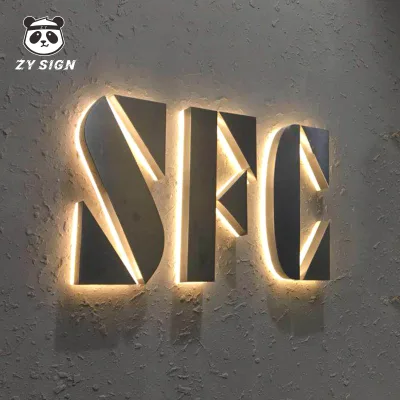
Custom Neon Sign Custom LED Letters Acrylic Neon Flex Sign Custom LED Neon Sign
$10.00 - $300.00
MOQ: 1 Pieces

Customized Acrylic LED Letter Light Neon Sign Neon Custom Acrylic LED Sign
$50.00 - $300.00
MOQ: 1 Pieces




Comprehensive Sourcing Guide
Strategic Sourcing Guide for Custom Acrylic LED Neon Signs
Understanding Technical Specifications and Material Composition
When sourcing custom acrylic LED neon signs, buyers must first distinguish between the visual aesthetic and the underlying engineering. The core product category often involves flexible LED strips encased in diffusers to mimic traditional glass neon. Based on observed market data, the light source is predominantly LED technology, specifically utilizing SMD lamps or 2835 LED chips. These components are critical for achieving the desired brightness and color consistency. The material composition typically involves a combination of LED chips, ABS plastic, PC (polycarbonate), and aluminum. The aluminum component often serves as a heat sink or structural backing, while the ABS and PC materials provide the necessary durability and light diffusion properties required for the "neon" effect.
The electrical specifications are equally vital for procurement planning. The observed voltage range for these units is typically 24V, which is a standard low-voltage DC requirement that enhances safety for both indoor and outdoor installations. Power consumption varies, with specific listings indicating a 10W rating for certain configurations, though total power draw depends heavily on the length and density of the sign. The LED quantity is a key metric for brightness; a standard density observed in the market is 120 LEDs per meter. This density ensures a continuous light output without visible gaps between individual diodes. The PCB width is generally narrow, ranging from 6 to 8mm, allowing for tight bending radii. This flexibility is essential for creating the curved and custom shapes that define the "custom" aspect of the product.
Color rendering is another technical pillar. The market offers multi-color options, including RGB capabilities alongside specific single colors like red, blue, yellow, white, green, and purple. For custom orders, the ability to specify exact colors is a standard feature. The working temperature range is a critical environmental factor; units are designed to operate between -25°C and 60°C, making them suitable for various climates. The IP rating is a primary differentiator for durability. While some indoor variants may have lower ratings, outdoor applications require IP65, IP67, or IP68 ratings to ensure protection against dust and water immersion. The bending direction is typically horizontal, though custom fabrication can alter this based on design needs.
Compliance and Certification Verification
Navigating the regulatory landscape is a non-negotiable step in B2B procurement. Buyers must verify that suppliers provide valid documentation for certifications, as these are often the primary gatekeepers for international trade. The most frequently observed certifications in this category are CE and RoHS. The CE marking indicates conformity with health, safety, and environmental protection standards for products sold within the European Economic Area. RoHS compliance ensures that the product does not contain specific hazardous substances, which is a requirement for electronics in many global markets.
While some background knowledge suggests standards like UL 8750 or REACH, buyers should not assume these are met without explicit verification from the supplier. The provided data confirms the presence of CE and RoHS certifications in the observed product listings, but it does not guarantee that every unit in a specific order will carry these marks unless explicitly stated in the contract. Buyers should request test reports or certificates of conformity that match the specific model numbers, such as "GV," "123," or "001," which appear in the market.
It is crucial to understand that "customized" standards often apply to the design and manufacturing process rather than the safety certification itself. A custom neon sign must still adhere to the electrical safety standards of the destination country. For instance, if the product is destined for the United States, the buyer must verify compliance with local electrical codes, which may differ from the CE standards observed in the supply chain. The "customized" nature of the product standard means that while the base components may be certified, the final assembly and integration of the custom design could introduce variables that require additional scrutiny.
Cost Drivers and Pricing Dynamics
The pricing structure for custom acrylic LED neon signs is influenced by a complex interplay of factors, resulting in a wide observed range from $1 to $599. This variance is not arbitrary but reflects the specific configuration of the order. The primary cost driver is the length of the sign. Since the LED density is often fixed at 120 LEDs per meter, the total cost scales linearly with the perimeter of the design. A small logo will naturally cost significantly less than a large, multi-meter storefront sign.
Material costs also play a significant role. The use of high-quality materials such as aluminum, ABS, and PC contributes to the base price. Signs that require specialized bending or complex shapes may incur higher labor costs, especially if the manufacturing process involves hand-made techniques. The data indicates that "Hand Made" is a specific attribute for certain products, which can increase the unit price due to the labor intensity involved compared to fully automated production lines.
The customization level is another major cost factor. While standard colors like RGB or single hues are often priced lower, custom color matching or specific design styles require additional setup time and tooling. The "Custom Design" attribute suggests that buyers are paying for the engineering and fabrication of a unique shape. Additionally, the power source configuration affects the price. Options such as DC, plug, adaptor, AC, or transformer inclusion can alter the final cost. The warranty period, often observed as 2 years, is also a cost component that suppliers factor into the price to cover potential future liabilities.
The observed MOQ (Minimum Order Quantity) ranges from 1 to 100 units. This flexibility allows for small-scale testing or large-scale deployment. However, the unit price often decreases as the order quantity increases, a standard economic principle in manufacturing. Buyers should be aware that the "customized" nature of the product standard means that even small orders may carry a premium compared to off-the-shelf inventory. The packaging method, such as bubble film and brown boxes or cartons, also adds a marginal cost that is often included in the final quote.
Typical Applications and Usage Scenarios
The versatility of custom acrylic LED neon signs makes them suitable for a broad spectrum of applications. The data highlights usage in landscaping, commercial spaces, homes, and festivals. This wide applicability stems from the product's ability to be both functional and decorative. In commercial settings, these signs are frequently used in shopping malls, restaurants, bars, and bus stations. The "Luminous Letter" type and "Neon Sign" keywords indicate their primary function as branding and wayfinding tools.
For residential use, the application extends to home decor, office spaces, and wedding venues. The "Holiday" and "Garden" occasions suggest that these signs are also popular for seasonal decorations and outdoor landscaping. The waterproof capabilities (IP65/67/68) make them ideal for outdoor festival decorations and building exteriors where exposure to the elements is a concern. The "Indoor and Outdoor Neon Light" classification confirms their dual-purpose nature.
The specific application often dictates the required technical specifications. For example, a sign for a restaurant may require specific color temperatures to enhance the ambiance, while a sign for a bus station may need higher brightness and robust weatherproofing. The "Custom Design" feature allows for tailoring the sign to the specific architectural style of the building, whether it is a modern shop front or a traditional wedding venue. The "Easy Installation" feature is particularly valuable for applications where professional electricians may not be immediately available, allowing for quicker deployment in temporary or semi-permanent setups.
Supplier Evaluation and Quality Control
Evaluating suppliers for custom LED neon signs requires a rigorous approach to ensure quality and reliability. Buyers should verify the supplier's origin, as the data points to locations such as China, Guangdong, and Anhui. While these regions are known for manufacturing capabilities, the specific location can influence logistics and communication. The "Place of Origin" should be clearly stated in the product specifications to avoid confusion regarding shipping times and import duties.
Quality control is paramount, especially given the "Hand Made" aspect of some products. Buyers should inquire about the inspection processes for the LED chips, the soldering quality of the PCB, and the integrity of the waterproofing seals. The "Working Lifetime" of 50000 hours is a key performance metric that should be verified through test data or manufacturer guarantees. The "Water Resistant" and "Eco-Friendly" features are also important quality indicators that should be validated.
Suppliers should be able to provide detailed product descriptions that match the observed attributes, such as the specific LED type (2835 or SMD), the PCB color (White), and the material composition. The "Customization" availability is a critical factor; buyers must ensure the supplier has the capacity to handle custom designs without compromising on the quality of the base components. The "Control Method," such as remote control, should be tested for reliability and range.
Long-Term Procurement Considerations
Long-term procurement of custom acrylic LED neon signs involves planning for maintenance, scalability, and lifecycle management. The 2-year warranty is a standard offering, but buyers should consider the long-term reliability of the components. The "Working Temperature" range of -25°C to 60°C suggests that the signs are durable, but extreme conditions may still impact longevity. Buyers should plan for potential replacement of LED modules or power adapters, as these are the most likely points of failure over time.
Scalability is another consideration. If a business plans to expand its signage across multiple locations, the supplier must be able to replicate the design consistently. The "Customized" nature of the product standard means that each order is unique, so maintaining a consistent look across different sites requires careful documentation and communication with the supplier. The "Product Model" variations (GV, 123, 001) indicate that there may be different production lines or versions, and buyers should ensure they are ordering the same model for consistency.
Logistics and packaging are also long-term factors. The "Carton" and "Bubble Film + Brown Box" packaging methods are designed to protect the signs during transit, but buyers should verify that the packaging is sufficient for repeated shipping if the signs need to be moved or replaced. The "Lead Time" and "MOQ" should be factored into the procurement strategy, especially for large-scale projects where timing is critical. Finally, the "Eco-Friendly" attribute suggests that buyers should consider the environmental impact of the product disposal and recycling, ensuring that the supplier adheres to sustainable practices throughout the product lifecycle.
FAQs
What certifications do custom acrylic led neon signs typically have?
Most units carry CE and RoHS certifications to meet international safety standards. Buyers should verify specific certificates for models like GV or 123 before ordering.
Can these signs be used for outdoor festival decoration?
Yes, they are suitable for outdoor use with IP65, IP67, or IP68 waterproof ratings. They operate effectively in temperatures ranging from -25 to 60 degrees Celsius.
How is the customization process handled for these signs?
Customization is available for design styles, colors, and dimensions. The product standard is listed as customized, allowing for unique shapes and specific color requirements.
What is the expected working lifetime of the LED light bar?
The working lifetime is typically 50,000 hours for the LED light source. This duration ensures long-term reliability for both indoor and outdoor applications.
Which voltage and power specifications are standard for these units?
Standard units operate at 24V voltage with a power consumption of 10W. They support various power sources including DC, AC, and transformer options.
What materials are used to construct the neon sign body?
The body is constructed from LED chips, ABS, PC, and aluminum materials. This combination provides durability and effective light diffusion for the neon effect.
Can I find suppliers with a minimum order quantity of one unit?
Yes, the observed MOQ range starts from 1 unit up to 100 units. This flexibility allows for small-scale testing or immediate procurement needs.