Source Custom Cute Enamel Pendant for Souvenirs, Gifts, and Promos
Compare 30 listings for Custom Cute Enamel Pendant options featuring stainless steel or metal materials with soft enamel techniques. Buyers can review varying sizes, plating colors, and OEM services from suppliers in China.
Key considerations
Products List




Comprehensive Sourcing Guide
Strategic Sourcing Guide for Custom Cute Enamel Pendants
The global market for personalized jewelry and promotional merchandise has seen a sustained surge in demand for custom enamel pendants, driven by the desire for unique branding, individual expression, and cost-effective gifting solutions. For procurement professionals and business buyers, navigating the landscape of "custom cute enamel pendants" requires a disciplined approach that balances aesthetic customization with rigorous supply chain verification. This guide synthesizes observed market data and technical attributes to provide a framework for sourcing these items effectively, ensuring that the final product meets both design specifications and operational requirements.
Understanding Product Specifications and Material Composition
The foundation of any successful procurement strategy lies in a precise understanding of the product's physical and technical attributes. In the current market, custom enamel pendants are frequently manufactured using a combination of metal alloys, with stainless steel and general metal bases being the most prevalent materials observed. The choice of material directly influences the durability, weight, and finish of the final piece. Buyers must verify the specific alloy composition, as "metal" is a broad category that can range from zinc alloy to brass or iron, each offering different plating capabilities and corrosion resistance.
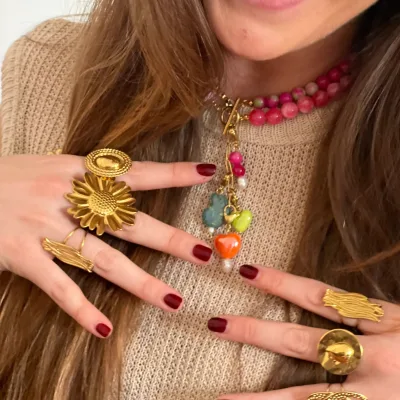
A critical specification for these items is the shape and size. While standard oval shapes are common, the market also supports fully custom shapes, allowing for unique brand logos or character designs. Dimensions vary significantly; observed listings include specific measurements such as 3027mm for standard pendants, while packaging standards often reference external dimensions like 578cm or 57*8mm depending on the unit. The "cute" aesthetic often relies on specific finishing techniques, such as soft enamel or hard enamel processes, which create depth and texture. The surface finish is equally important, with polished exteriors and various plating options like gold, nickel, or silver being standard offerings. Buyers should note that color customization is a primary feature, with options ranging from standard metallic tones to specific custom colors, including multi-color designs like heart pendants in green, orange, blue, and yellow.
Technical Processes and Customization Capabilities
The manufacturing of custom enamel pendants involves a multi-step process that allows for high degrees of personalization. The "Soft Enamel" technique is a dominant process in this sector, where the enamel is filled into recessed areas of the metal die, creating a textured surface that is often preferred for its vibrant color and tactile feel. This contrasts with hard enamel processes, though the observed data specifically highlights soft enamel and general enamel techniques. The customization workflow typically begins with digital design files. Suppliers generally accept a wide range of design formats, including CDR, AI, PDF, JPG, PNG, and PSD, ensuring that graphic designers can seamlessly transition from concept to production.
The level of customization offered is extensive. Buyers can request custom shapes, custom colors, and even specific design formats that align with their brand identity. The production model often supports OEM (Original Equipment Manufacturer) services, meaning the supplier can produce goods under the buyer's brand name. This includes the ability to modify the product's appearance, such as changing the stone settings or plating types. For instance, while some listings indicate a "Silver" base, others offer "Gold" plating or "Nickel" plating, and some even allow for the stone to be changed or omitted entirely. The "Customized" attribute is frequently listed as a core feature, with production times ranging from 17 to 20 days, indicating a lead time that accounts for the complexity of the custom design and the curing of the enamel.
Cost Drivers and Pricing Dynamics
Pricing for custom enamel pendants is not uniform and is influenced by several variable factors. The observed price range in the market spans from $0.10 to $12.03 USD, a wide spectrum that reflects differences in material quality, order volume, and design complexity. The primary cost drivers include the type of metal used, the intricacy of the enamel work, and the quantity ordered.
| Cost Factor | Impact on Pricing | Verification Requirement |
|---|---|---|
| Material Type | Stainless steel and high-grade metals generally cost more than base alloys. | Request material composition certificates or samples. |
| Plating Quality | Gold plating (especially thick plating) and nickel-free options command higher prices. | Verify plating thickness and allergy compliance (e.g., nickel-free). |
| Order Volume | MOQs range from 1 to 1000 units; higher volumes typically reduce unit cost. | Confirm tiered pricing structures and minimum order quantities. |
| Design Complexity | Custom shapes and multi-color enamels require more mold creation and labor. | Discuss design file requirements and potential setup fees. |
| Packaging | Standard OPP bags are common, but custom packaging adds cost. | Specify if custom boxes or poly bags are required. |
Buyers should be aware that the Minimum Order Quantity (MOQ) is a significant factor. While some suppliers offer low MOQs as low as 50 pieces or even single items for prototyping, larger orders often require a commitment of 1000 units to achieve the lower end of the price spectrum. The "Supply Ability" of a supplier, often cited as 1000 pieces per day, indicates their capacity to handle large orders without significant delays, but this should be cross-referenced with current production schedules.
Compliance, Safety, and Environmental Standards
In the B2B sector, compliance is as critical as aesthetics. While specific certification documents are not universally listed in general product descriptions, buyers must actively verify that the products meet international safety standards, particularly regarding heavy metals and allergens. The "Eco-Friendly" attribute is frequently claimed, suggesting that some manufacturers use environmentally conscious processes or materials. However, this claim should be validated through third-party testing reports.
Key areas of compliance include the use of nickel-free plating to prevent allergic reactions, as nickel is a common allergen. The "Nickel" plating option observed in listings requires careful scrutiny to ensure it meets the specific regulatory limits of the target market (e.g., EU REACH regulations or US Prop 65). Additionally, the "Eco-Friendly" designation should be backed by evidence of non-toxic enamels and sustainable packaging practices. Buyers should request Material Safety Data Sheets (MSDS) or specific compliance certificates for heavy metals, lead, and cadmium content before finalizing large orders. The origin of the product, often listed as China or specific regions like Fujian, does not preclude high quality, but it necessitates a robust quality assurance protocol to ensure consistent adherence to these standards.
Supplier Evaluation and Quality Control Protocols
Selecting the right supplier involves more than just reviewing a product listing. The "Fast" delivery attribute suggests a focus on efficiency, but reliability is paramount. Buyers should evaluate suppliers based on their production capacity, communication responsiveness, and ability to handle custom requests. The "Production Time" of 17-20 days is a standard benchmark, but this can vary based on the complexity of the design and the current order backlog.
Quality control (QC) is essential for custom enamel pendants due to the manual nature of the enamel filling and polishing processes. A robust QC plan should include:
- Pre-Production Samples: Always request a physical sample to verify color accuracy, plating quality, and the "Soft Enamel" texture before mass production begins.
- In-Process Inspection: Verify that the mold creation and die-stamping processes are accurate, especially for custom shapes.
- Final Inspection: Check for defects such as enamel overflow, air bubbles, loose stones, or uneven polishing. The "Polished" exterior finish should be free of scratches and dull spots.
- Packaging Verification: Ensure that the "OPP Bag" or "PP Bag" packaging is secure and that the "Single Gross Weight" matches the specification (e.g., 0.106 Kg) to prevent shipping damage.
Suppliers that offer "100% Custom Made" designs and accept various design formats demonstrate a high level of flexibility. However, buyers must ensure that the supplier has the technical expertise to translate digital files (CDR, AI, etc.) into physical molds without distortion. The "Design Format" support is a strong indicator of a supplier's capability to handle complex, custom requests.
Typical Applications and Long-Term Procurement Strategy
Custom cute enamel pendants serve a diverse range of applications, from fashion accessories to corporate souvenirs. The "Fashion" style and "Modern" age appeal make them suitable for retail jewelry lines, while the "Souvenirs" usage category highlights their utility in corporate gifting, event swag, and promotional campaigns. The "Wearing Way" of "Breast" indicates their use as lapel pins or brooches, which are popular in corporate uniforms and team apparel.
For long-term procurement, buyers should consider the scalability of their supplier relationship. A supplier with a "Supply Ability" of 1000 pieces per day can support growth, but consistency in quality is key. Establishing a long-term partnership often involves negotiating better pricing tiers, securing priority production slots, and developing a standardized quality control protocol. The "Custom" and "OEM Service" attributes suggest that suppliers are willing to adapt to the buyer's evolving needs, such as changing designs seasonally or updating branding elements.
Buyers should also plan for inventory management. Given the "Single Item" selling units and the potential for custom colors, maintaining a stock of best-selling designs while keeping a flexible supply chain for new custom orders is a prudent strategy. The "Fast" delivery capability allows for just-in-time inventory models, reducing storage costs. However, the 17-20 day production time must be factored into the overall supply chain timeline to avoid stockouts.
In conclusion, sourcing custom cute enamel pendants requires a balanced approach that prioritizes technical verification, compliance, and supplier reliability. By focusing on the specific attributes of material, plating, and customization capabilities, and by implementing rigorous quality control measures, buyers can secure high-quality products that meet their specific market demands. The wide range of observed prices and MOQs offers flexibility, but the key to success lies in detailed communication and clear expectations regarding the final product specifications.
FAQs
What materials are used for custom cute enamel pendants?
Custom cute enamel pendants are typically made from stainless steel or general metal alloys. Buyers should verify the specific alloy composition as options vary, and plating like gold or nickel is commonly applied to the metal base for durability and finish.
How long does production take for custom orders?
Production time for custom orders typically ranges from 17 to 20 days. This duration accounts for the complexity of the design, mold creation, and the curing process required for the soft enamel technique used in manufacturing these items.
Can I request a custom shape for my pendant design?
Yes, custom shapes are available and supported by the manufacturing process. Suppliers accept various digital design formats like CDR, AI, and PSD to ensure the unique brand logo or character design is accurately translated into the physical metal mold.
What is the minimum order quantity for these pendants?
The minimum order quantity can be as low as 50 pieces or even single items for prototyping. However, larger orders often require a commitment of up to 1000 units to achieve the lower end of the observed price spectrum.
Which plating options are available for the metal finish?
Available plating options include gold, nickel, and silver finishes to match different aesthetic requirements. Buyers must verify plating thickness and compliance with safety standards, especially regarding nickel-free options to prevent allergic reactions in the target market.
How are the pendants packaged for shipping?
Pendants are commonly packaged in OPP bags or PP bags, with bulk options available in big poly bags. Some suppliers offer custom packaging solutions, but standard single-item packing usually includes one piece per OPP bag to prevent damage during transit.
Can the stone settings be changed on the pendant?
Yes, the stone settings can be changed or omitted entirely based on the buyer's specific design needs. This flexibility allows for customization of the product appearance, ensuring the final piece aligns perfectly with the intended branding or aesthetic goals.