Source Custom Embroidered Knit Bucket Beanie for Summer, Winter, and Outdoor Events
Explore 30 listings for Custom Embroidered Knit Bucket Beanie options featuring varied materials like polyester and cotton. Buyers can compare seasonal suitability, customization features, and packaging details across multiple suppliers.
Key considerations
Products List


High Quality Men Knitted Hats Black Running Beanie with Embroidery Custom Logo
$0.95 - $2.86
MOQ: 100 Pieces


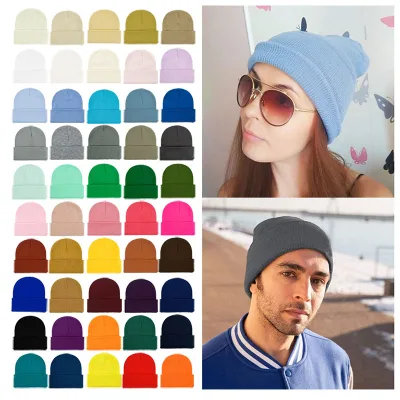


Comprehensive Sourcing Guide
Strategic Sourcing Guide for Custom Embroidered Knit Bucket Beanies
Understanding Product Specifications and Material Variations
When sourcing custom embroidered knit bucket beanies, the first step is to establish a clear understanding of the technical specifications that define the product category. The market offers a diverse range of variations, often distinguished by material composition, structural design, and seasonal adaptability. Buyers must recognize that "knit bucket beanie" is not a monolithic product but a category encompassing items with distinct properties. For instance, material composition varies significantly between 100% polyester, 100% cotton, and 100% acrylic options. Each material offers unique performance characteristics; acrylic provides warmth and softness suitable for winter conditions, while cotton offers breathability for spring or autumn use. Polyester is often selected for its durability and ability to hold dye well, which is crucial for custom color requirements.
The structural design of the beanie is equally critical. Specifications indicate that some models feature a brim, while others are designed without one, impacting the silhouette and protection offered. The crown design is another variable, with options ranging from standard constructions to those with specific crown types that may accommodate customization. The sizing standard is frequently listed as "One Size Fits Most" or "One Size," which simplifies inventory management but requires buyers to verify the elasticity and stretch of the knit to ensure fit for the target demographic. Seasonal applicability is a key differentiator, with products marketed for winter, summer, spring, or autumn. Some listings suggest versatility across multiple seasons, such as winter and summer, which may indicate specific thermal properties or lightweight construction.
Pattern and customization options are central to the "custom" aspect of the keyword. The production process often involves specific technologies like 3D embroidery or woven patches to apply custom logos and designs. The pattern theme can range from graphical and cartoon motifs to plain dyed finishes. Buyers should note that while some products are described as having a "Dobby" style, others may simply be plain. The color palette is extensive, including standard options like black, white, red, and blue, as well as multi-color or "colourful" variations. The packing method, whether polybag, OPP bag, or paper box, also influences the perceived value and protection of the goods during transit. Understanding these granular details allows buyers to align their specific needs with the correct product model, such as those designated by codes like YKH-BN-41 or Beanie-015W.
Compliance, Certification, and Safety Standards
Navigating the compliance landscape for textile products, particularly those intended for headwear, requires a rigorous approach to verification. While specific certification statuses like OEKO-TEX or ISO 2859 are often referenced in broader industry contexts, buyers must treat these as verification targets rather than assumed facts for any specific listing. The absence of explicit certification data in product descriptions necessitates a proactive verification strategy. Buyers should request proof of compliance from suppliers regarding chemical restrictions, such as limits on azo dyes, formaldehyde, and heavy metals, which are critical for products worn directly against the skin.
Safety standards for headwear often involve flammability regulations, especially for products marketed for children or specific age groups, although many listings indicate applicability to adults. The "Unisex" and "Adults" designations suggest a broader compliance baseline, but buyers must still verify that the materials used do not contain harmful substances. For products claiming features like "UV Resistant" or "Sun Protection," buyers should demand technical data sheets that substantiate these claims with specific UPF ratings or test results from accredited laboratories. Similarly, claims regarding "Water Resistant" or "Windproof" properties require verification through standardized testing protocols to ensure the product performs as advertised in real-world conditions.
The origin of the product, often listed as China or specific regions like Baoding, influences the regulatory environment and supply chain transparency. Buyers should verify that the manufacturing facility adheres to local labor laws and international ethical standards. While specific standards like ISO 2859 are mentioned in background contexts, they represent sampling procedures rather than product attributes. Therefore, buyers should establish their own quality acceptance criteria based on AQL (Acceptable Quality Limit) standards relevant to their market. It is essential to include compliance clauses in the purchase agreement, mandating that the supplier provides valid test reports for every batch produced. This due diligence protects the buyer from liability and ensures that the custom embroidered beanies meet the safety expectations of the end consumer.
Cost Drivers and Pricing Dynamics
The pricing of custom embroidered knit bucket beanies is influenced by a complex interplay of factors, including material costs, customization complexity, order volume, and logistical requirements. The observed price range in the market spans from $0.50 to $20.00 USD, a wide variance that reflects differences in material quality, production technology, and order scale. Lower price points typically correspond to basic materials like standard acrylic or polyester with simple embroidery and high-volume production runs. Conversely, higher price points are associated with premium materials such as 100% cotton or specialized blends, intricate 3D embroidery, and smaller order quantities.
Material composition is a primary cost driver. 100% cotton and high-grade acrylic often command higher prices due to the cost of raw fibers and the processing required to achieve specific textures like "Soft Touch." The inclusion of special features, such as "Rechargeable" elements, "Music" capabilities, or advanced functionalities like "Radiation-blocking," significantly increases the unit cost. These features require additional components, assembly steps, and quality control measures. The customization level also impacts pricing; adding a custom logo via 3D embroidery or woven patches incurs setup fees and per-unit costs that vary based on the complexity of the design and the number of colors involved.
Order volume, defined by the Minimum Order Quantity (MOQ), is another critical factor. The observed MOQ range spans from 5 to 500 units. Suppliers often offer tiered pricing structures where the unit cost decreases as the order quantity increases. For buyers with low MOQ requirements, such as 5 or 50 units, the per-unit cost will be higher to cover the fixed costs of setup and machine time. Conversely, orders meeting or exceeding the 500-unit threshold may benefit from economies of scale. Lead times and shipping costs also contribute to the total landed cost. Products originating from specific locations like Baoding may have different shipping profiles compared to other regions, affecting the final price. Buyers should request detailed breakdowns of costs, including material, labor, customization, and logistics, to understand the true value proposition of each supplier quote.
Typical Applications and Use Cases
Custom embroidered knit bucket beanies serve a wide array of applications, driven by their versatility in design, material, and seasonal adaptability. The primary use case is promotional branding, where businesses leverage the "Custom Logo" feature to create branded merchandise for employees, events, or marketing campaigns. The ability to apply 3D embroidery or woven patches makes these beanies ideal for corporate gifts, team uniforms, and event giveaways. The "Quick Delivery" feature mentioned in product attributes is particularly valuable for time-sensitive promotional needs, ensuring that branded items are available for specific campaigns or seasonal launches.
Beyond corporate branding, these beanies are widely used in the fashion and retail sectors. The "Graphical" and "Cartoon" pattern themes, along with the diverse color palette, appeal to fashion-conscious consumers looking for trendy accessories. The "Unisex" and "Adults" designations make them suitable for a broad market, while specific models targeting "Boys" allow for niche marketing. The seasonal versatility, with options for winter, summer, and spring/autumn, enables retailers to stock inventory year-round. Winter-specific models often feature "Ear Warmer" or "Windproof" attributes, while summer options may prioritize "Lightweight" and "Moisture Wicking" properties.
Specialized applications also exist for outdoor enthusiasts and professionals. Products with features like "UV Resistant," "Sun Protection," and "Water Resistant" are suitable for outdoor activities such as hiking, fishing, or construction work. The "Adjustable" or "Ponytail Hole" features cater to specific user needs, enhancing comfort and functionality. In the sports and gaming sectors, beanies with "Game Used" or "Smart" attributes can be marketed to teams or gamers looking for performance gear. The "Rechargeable" and "Music" features suggest potential use in niche markets where technology integration is desired. Understanding these diverse applications helps buyers identify the right product specifications for their target audience, ensuring that the custom beanies meet the functional and aesthetic requirements of the end user.
Supplier Evaluation and Selection Criteria
Selecting the right supplier for custom embroidered knit bucket beanies requires a systematic evaluation process that goes beyond price comparison. Buyers should prioritize suppliers who demonstrate transparency in their production capabilities and quality control measures. The origin of the product, such as Baoding or other regions in China, can be an indicator of manufacturing expertise, but it is not a guarantee of quality. Buyers must verify the supplier's ability to handle customization requests, including the complexity of 3D embroidery and the accuracy of logo reproduction.
Key evaluation criteria include the supplier's track record, production capacity, and responsiveness. Buyers should request samples to assess the quality of the knit, the durability of the embroidery, and the fit of the product. The "Standard size" or "One Size Fits Most" claims should be validated against actual samples to ensure they meet the buyer's expectations. Additionally, buyers should evaluate the supplier's flexibility regarding MOQs and lead times. While some suppliers may offer low MOQs of 5 units, others may require 500 units, and the buyer must align these constraints with their inventory strategy.
Communication and collaboration are also vital. Suppliers who offer "Customization" services should be able to provide design support and technical guidance. Buyers should assess the supplier's ability to provide detailed product information, including material specifications, packing methods, and standard compliance. The presence of features like "Quick Delivery" suggests a commitment to efficiency, but buyers should verify this claim with historical performance data. Finally, buyers should consider the supplier's financial stability and reputation in the market to mitigate risks associated with long-term procurement relationships.
Quality Control and Long-Term Procurement Strategies
Implementing a robust quality control (QC) strategy is essential for ensuring the consistency and reliability of custom embroidered knit bucket beanies. Buyers should establish clear QC protocols that cover material inspection, production monitoring, and final product testing. The "Polybag" or "OPP Bag" packing methods should be verified to ensure they protect the product during transit without compromising the quality of the knit or embroidery. For products with special features like "Washable" or "Wrinkle Free," buyers should conduct wash tests to verify that the product maintains its shape and appearance after multiple cycles.
Long-term procurement strategies involve building a sustainable relationship with suppliers that prioritizes quality and reliability. Buyers should consider the total cost of ownership, including the cost of defects, returns, and rework. Establishing a consistent supply chain with a single supplier or a small group of trusted partners can reduce variability and improve efficiency. Buyers should also plan for scalability, ensuring that the supplier can handle increased order volumes without compromising quality. Regular audits and performance reviews can help identify areas for improvement and ensure that the supplier continues to meet the buyer's standards.
In conclusion, sourcing custom embroidered knit bucket beanies requires a comprehensive understanding of product specifications, compliance requirements, cost drivers, and supplier capabilities. By adhering to a disciplined approach that emphasizes verification, quality control, and strategic planning, buyers can successfully navigate the market and secure high-quality products that meet their specific needs. The diverse range of options available, from material variations to specialized features, offers significant opportunities for customization and differentiation in the marketplace.
FAQs
What materials are used for custom embroidered knit bucket beanies?
These beanies are made from 100% polyester, 100% cotton, or 100% acrylic. The material choice depends on the specific model and desired seasonal performance, such as warmth for winter or breathability for summer.
Can I get a custom logo on these beanies?
Yes, customization with a custom logo is available for these products. Suppliers typically use 3D embroidery or woven patches to apply the design, ensuring high-quality branding on the knit fabric.
What is the minimum order quantity for these beanies?
The minimum order quantity ranges from 5 to 500 units depending on the supplier and specific model. Lower MOQs are often available for standard items, while larger orders may secure better pricing tiers.
Which seasons are these beanies suitable for?
These beanies are designed for various seasons including winter, summer, spring, and autumn. Specific models feature attributes like windproofing for winter or lightweight construction for summer use.
How are these beanies packaged for shipment?
Packaging options include polybags, OPP bags, or paper boxes depending on the product model. The packaging method is selected to protect the item during transit while maintaining its appearance.
What is the origin of these custom knit beanies?
The products originate from China, with specific manufacturing hubs like Baoding. This location influences the supply chain and production capabilities available for custom orders.
Are these beanies adjustable for different head sizes?
Some models feature adjustable designs while others are one size fits most. Specific attributes like ponytail holes or reversible styles may also be available depending on the selected product model.