Source Custom Embossed Baseball Cap for Sports, Travel, and Business
Compare 30 listings for Custom Embossed Baseball Cap options featuring various materials, colors, and printing techniques. Buyers can evaluate specifications like brim style, closure type, and certification standards to find suitable suppliers for promotional or retail needs.
Key considerations
Products List


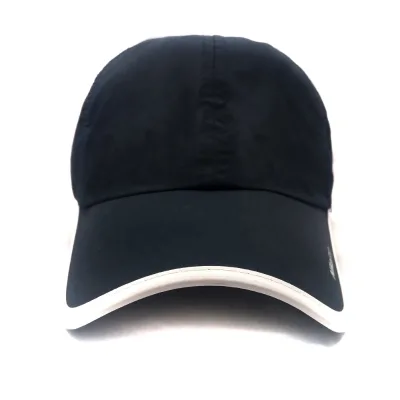


Customizable Cotton Sports Baseball Cap Custom Embroidery Logo Caps for Men
$0.55 - $3.88
MOQ: 25 Pieces


Comprehensive Sourcing Guide
Strategic Sourcing Guide for Custom Embossed Baseball Caps
Understanding Technical Specifications and Design Parameters
When sourcing custom embossed baseball caps, buyers must first establish a clear understanding of the technical architecture that defines the product's functionality and aesthetic appeal. The core of this product category is the baseball cap, which typically features a structured crown and a brim designed to shield the eyes. Based on current market observations, the most prevalent structural configuration is the 6-panel hat, a design choice that offers a balanced silhouette and consistent fit for adult demographics. The crown construction is critical; while some variations exist with or without specific crown structures, the standard for high-quality custom caps often involves a defined crown to maintain shape retention.
The brim is another primary specification that dictates the cap's style and utility. Buyers should evaluate options between flat brims, curved brims, and flat bills. The flat brim is often associated with street and hip-hop styles, whereas the curved brim is traditional for sport and casual wear. The customization process allows for specific dimensions, with observed standard sizes ranging from 58 to 60 cm in circumference, though custom sizing is frequently available to meet specific client requirements. The physical dimensions of the cap itself, often cited in specifications like 20x28 cm, serve as a baseline for packaging and shipping calculations.
Material composition is a decisive factor in the final product's performance. The market offers caps constructed from pure cotton, which provides a natural feel and breathability, as well as blended options such as Polyester/Cotton. Pure polyester variants are also common, offering durability and resistance to shrinking. The fabric features, including breathability and common weave types, directly impact comfort during extended wear. For embossed designs, the material must possess sufficient density to hold the raised texture without tearing or losing definition. The "embossed" attribute implies a specific printing or pressing technique where the design is raised from the surface, distinct from flat printed graphics. This process often requires a fabric that can withstand the heat and pressure involved in the embossing operation.
Compliance, Certifications, and Ethical Standards
In the B2B procurement of apparel, particularly items intended for corporate gifting or promotional use, compliance with international standards is non-negotiable. Buyers must verify that their suppliers adhere to rigorous management and product certifications. The supply chain for custom caps often includes certifications such as OEKO-TEX STANDARD 100, which ensures that the final textile product is free from harmful substances and safe for human skin contact. This is particularly relevant for caps worn directly against the head, where skin sensitivity is a concern.
Beyond product safety, management certifications provide insight into the ethical and operational standards of the manufacturing facility. Key certifications to look for include BSCI (Business Social Compliance Initiative), ISO (International Organization for Standardization), GRS (Global Recycled Standard), SEDEX, WRAP (Worldwide Responsible Accredited Production), FSC (Forest Stewardship Council), and SCAN. These certifications indicate that the supplier adheres to labor laws, environmental regulations, and quality management systems. For instance, GRS certification is essential if the buyer is marketing the caps as sustainable or eco-friendly, as it verifies the recycled content in the materials.
The origin of the product is a critical data point for compliance and logistics. The majority of these products originate from China, with specific manufacturing hubs noted in Shanghai. Buyers should confirm the exact location of production to assess the logistical lead times and potential tariffs. Furthermore, the "Small Orders: Accepted" attribute suggests flexibility in order quantities, which is beneficial for startups or companies testing the market, though this flexibility must be balanced against the MOQ (Minimum Order Quantity) ranges observed, which can vary from 1 to 1000 units depending on the supplier's capacity and the complexity of the customization.
Cost Drivers and Pricing Dynamics
The pricing of custom embossed baseball caps is influenced by a complex interplay of factors, including material costs, customization complexity, and order volume. The observed price range in the market spans from 0.5 to 6.5 USD per unit. This wide variance is not arbitrary; it reflects the differences in material quality, the sophistication of the embossing technique, and the scale of production.
Material selection is a primary cost driver. Caps made from 100% cotton or high-grade polyester blends typically command a higher price point than those made from standard synthetic materials. The inclusion of additional features, such as adjustable closures (snapbacks) or specific panel styles, can also incrementally increase the cost. The embossing process itself adds value but also cost, as it requires specialized equipment and skilled labor to ensure the raised design is crisp and durable.
Order volume plays a significant role in determining the final unit price. While some suppliers accept small orders, the cost per unit is generally higher for quantities near the lower end of the MOQ spectrum. As the order quantity increases, economies of scale kick in, reducing the per-unit cost. Buyers should be aware that the "Small Orders: Accepted" feature does not necessarily imply low pricing; it simply indicates a lower barrier to entry. Conversely, large orders may qualify for discounts, but the total investment increases.
Other cost factors include the complexity of the design. Customization options such as specific colors, logos, and patterns add to the production time and cost. The use of advanced printing techniques like digital printing, silk screen printing, or thermal transfer printing alongside embossing can further influence the price. Buyers must balance their budget constraints with their design requirements to achieve the best value proposition.
Typical Applications and Target End Users
Custom embossed baseball caps serve a diverse range of applications, making them a versatile tool for branding and marketing. The primary target end users include a wide array of sectors such as travel agencies, educational institutions, hotels and resorts, financial institutions, nonprofit organizations, insurance companies, real estate and construction firms, healthcare institutes, automotive businesses, and the agriculture sector. This broad applicability stems from the cap's ability to function as both a functional item and a mobile advertising medium.
The "Applicable scene" attribute highlights the versatility of these caps. They are suitable for sports, outdoor activities, casual wear, travel, fishing, shopping, cycling, parties, business events, skiing, and performances. This adaptability allows brands to create a cohesive look for employees, volunteers, or customers across various environments. For example, a travel agency might use caps for tour guides, while a healthcare institute might distribute them to staff for safety and identification purposes.
The style of the cap can be tailored to match the specific needs of the target audience. Styles range from plain and solid to sport, hip hop, vintage, and formal. The "Fashion" and "Street style" categories are particularly popular for youth-oriented brands, while "Uniform" and "Business" styles cater to corporate clients. The ability to customize the color, pattern, and logo ensures that the cap aligns with the brand's identity. For instance, a company might choose a specific color palette to match their corporate branding, or select a pattern that resonates with their target demographic.
Supplier Evaluation and Quality Assurance
Evaluating suppliers for custom embossed baseball caps requires a rigorous approach to ensure quality and reliability. Buyers should prioritize suppliers who demonstrate transparency in their production processes and possess the necessary certifications. The presence of management certifications like BSCI, ISO, and SEDEX is a strong indicator of a supplier's commitment to ethical practices and quality control.
Quality control should be integrated into every stage of the procurement process. Buyers must verify that the embossing technique produces a consistent and durable result. The "Pattern Technology" should be aligned with the customization requirements, ensuring that the raised design does not peel or fade over time. Inspection of the fabric for defects, such as uneven dyeing or loose threads, is essential. The "Fabric Feature" of breathability should be tested to ensure comfort, especially for caps intended for outdoor use.
Packaging is another critical aspect of supplier evaluation. The standard packaging for these caps is often carton or carton boxes, with dimensions typically around 60x50x40 cm. Buyers should ensure that the packaging is robust enough to protect the caps during transit, especially if the order is large. The "prod_packing" attribute indicates that cartons are the norm, but specific requirements may vary based on the buyer's needs.
Long-Term Procurement Considerations
Sourcing custom embossed baseball caps is not a one-time transaction but part of a long-term procurement strategy. Buyers should consider the scalability of their supplier relationship. A supplier that can handle small orders initially should also be capable of scaling up production as the buyer's needs grow. The "Small Orders: Accepted" feature is a positive sign, but buyers should confirm the supplier's capacity to handle larger volumes without compromising quality or lead times.
Sustainability is an increasingly important factor in long-term procurement. Buyers should look for suppliers who offer eco-friendly options, such as those with GRS certification, which verifies the use of recycled materials. The "Eco-friendly" and "Sustainable" attributes are becoming standard expectations in the market, and suppliers who can demonstrate their commitment to environmental responsibility will likely be preferred.
Finally, buyers should maintain open communication with their suppliers regarding design changes and market trends. The fashion industry is dynamic, and styles such as "Hip hop," "Vintage," and "Street style" evolve rapidly. A supplier who is responsive to these changes and can offer fresh design ideas will be a valuable partner. By focusing on technical specifications, compliance, cost drivers, applications, supplier evaluation, and long-term considerations, buyers can successfully navigate the market for custom embossed baseball caps and secure high-quality products that meet their specific needs.
FAQs
What certifications do custom embossed baseball caps typically have?
These caps often carry OEKO-TEX STANDARD 100 certification to ensure safety. Suppliers may also hold management certifications like BSCI, ISO, GRS, SEDEX, WRAP, FSC, and SCAN. These standards verify ethical labor practices and environmental compliance for the manufacturing facility.
Which materials are used for custom embossed baseball caps?
Manufacturers commonly use Cotton, Polyester, or Polyester/Cotton blends for these caps. The material choice affects breathability and durability, with some options offering eco-friendly properties. The fabric must be dense enough to hold the embossed texture without tearing during the production process.
How can buyers customize the style and design of the cap?
Buyers can request custom styles including Plain, Sport, Hip hop, or Vintage designs. Embossing is available alongside other techniques like digital printing or silk screen printing. Customization extends to colors, logos, and specific dimensions to match brand identity requirements.
What are the standard dimensions and closure types for these caps?
Standard sizes often range from 58 to 60 cm in circumference. Most caps feature a 6-panel hat structure with a snapback closure. Brims can be selected as flat, curved, or flat bill styles to suit different aesthetic preferences and functional needs.
Can suppliers accept small orders for custom embossed baseball caps?
Yes, many suppliers accept small orders with a minimum order quantity as low as 1 unit. However, the price per unit may be higher for smaller quantities. Buyers should verify specific MOQ ranges, which can extend up to 1000 units depending on the supplier.
Where are these custom caps typically manufactured and shipped from?
The majority of these products originate from China, with specific manufacturing hubs located in Shanghai. Buyers should confirm the exact origin to assess logistics and lead times. Packaging is typically done in cartons with standard dimensions around 60x50x40 cm.
Which industries use custom embossed baseball caps for promotional purposes?
Target end users include travel agencies, education, hotels, financial institutions, and healthcare institutes. These caps are also popular for automotive, agriculture, and nonprofit organizations. They serve as effective branding tools across various business sectors and promotional events.