Source Custom Embroidered Plush Bear Keychain for Gifts
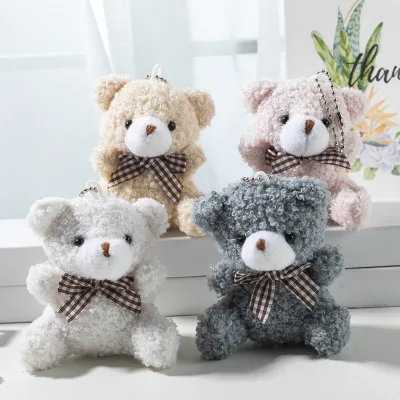
Find 30 options for custom embroidered plush bear keychain designs suitable for promotional gifts, party favors, and bag decorations. Compare specifications like material, hook type, and customization availability to select the ideal plush accessory for your business needs; compare the available evidence and request quotations based on your requirements.
Key considerations
Products List



Comprehensive Sourcing Guide
Custom Embroidered Plush Bear Keychain Sourcing Guide
Sourcing custom embroidered plush bear keychains requires balancing aesthetic appeal with functional durability, as these items serve dual roles as promotional gifts and personal accessories. Buyers must recognize that while the core material is often cloth or plush fabric, the structural integrity depends heavily on the attachment mechanism and stitching quality. The observed market includes variations in size, with small formats being common for bag decorations, and specific dimensions such as 12x6cm or heights around 5cm appearing in listings. Understanding these physical constraints is the first step in defining a product that fits both brand visibility goals and user convenience.
The customization landscape for these items is broad, with suppliers offering OEM and ODM services to accommodate unique brand identities. Common features include cartoon or cute styles, multicolor options, and eco-friendly material claims, though buyers should verify these assertions through direct supplier communication. The hook type is a critical differentiator, with annular and buckle types being prevalent choices that affect how the keychain attaches to bags, keys, or promotional lanyards. Defining the desired style and function early in the sourcing process ensures that the final product aligns with the intended use case, whether for holiday promotions, party favors, or corporate business gifts.
Product Scope and Observed Listing Signals
The current market for plush keychains exhibits a wide range of pricing and minimum order quantities, reflecting the diversity of manufacturing capabilities and material costs. Observed price points can range from very low entry-level costs to higher tiers for premium customization, while MOQs typically span from small batches of 10 units to large commercial orders of 10,000 pieces. This variability allows buyers to scale their procurement strategy based on budget constraints and inventory needs, but it also necessitates careful evaluation of unit costs against the complexity of the embroidery and assembly required. Buyers should anticipate that intricate designs or specific color combinations may influence both the price and the minimum order threshold.
Product listings often highlight specific attributes such as soft comfort, eco-friendly materials, and versatile usage for home decoration or promotional purposes. Models like MNKC06 or various numbered plush keychain identifiers suggest a standardized yet customizable inventory system used by suppliers. The packing methods vary, with some items shipped in OPP bags or boxes, while bulk cartons may contain 30-40 pieces or up to 1,000 pieces depending on the product density. These logistical details are crucial for calculating landed costs and storage requirements, as the physical volume and weight of plush items can significantly impact shipping efficiency and overall procurement expenses.
Technical Specifications to Verify
Verifying the technical specifications of plush keychains is essential to ensure the product meets quality expectations and functional requirements. Buyers should confirm the exact dimensions, such as height and width, as well as the weight, which can vary based on the stuffing density and material thickness. The hook type, whether annular or buckle, must be compatible with the intended attachment points, and the metal material used for the hardware should be durable and resistant to corrosion. Additionally, the processing method, such as offset printing for tags or hand-made assembly for the plush body, affects the final aesthetic and durability, so clear specifications must be agreed upon before production begins.
Customization options extend beyond visual design to include functional elements like logo placement and pattern integration. Suppliers often allow for custom logos and patterns, which can be embroidered or printed onto the plush fabric or attached via hang tags. The modeling source can be custom-designed or based on existing templates, requiring buyers to provide detailed artwork or approve supplier-provided proofs. It is also important to verify the sample time, which typically ranges from 3 to 7 working days, and the production time, which may take about 20 days or vary based on order quantity. These timelines directly impact inventory planning and launch schedules, making accurate specification confirmation critical for timely delivery.
Compliance and Safety Documentation
Compliance with international safety standards is non-negotiable for plush products, especially those intended for children or general consumer use. Buyers must ensure that suppliers provide valid certifications such as CE, EN71, ASTM, CPSIA, and REACH, which verify that the materials and manufacturing processes meet specific safety thresholds. These certifications cover aspects like flammability, chemical composition, and mechanical safety, ensuring that the plush bear keychain does not pose risks such as choking hazards or toxic exposure. Without proper documentation, products may face regulatory hurdles in key markets, leading to delays or rejection at customs.
In addition to product-specific certifications, broader factory compliance standards like BSCI and ISO9001 indicate a supplier’s commitment to ethical labor practices and quality management systems. These credentials suggest that the manufacturer adheres to consistent production protocols and social responsibility guidelines, which can mitigate reputational risks for the buyer. Buyers should request copies of these certificates and verify their validity through independent databases or third-party audits. Understanding the testing requirements, such as ASTM or EN71 tests, helps buyers anticipate potential compliance costs and ensures that the final product is legally compliant and safe for end-users in their target markets.
Cost Drivers and Commercial Terms
Several factors influence the total cost of custom embroidered plush bear keychains, including material selection, customization complexity, and order volume. The use of eco-friendly materials or specific metal alloys for hooks may increase unit costs, while intricate embroidery designs can require more labor and time, affecting pricing. Minimum order quantities play a significant role in cost efficiency, as larger orders often benefit from economies of scale, reducing the per-unit price. Buyers should negotiate clearly on pricing tiers and understand how changes in design or material specifications will impact the final quote, ensuring transparency in cost breakdowns.
Commercial terms such as payment methods, shipping arrangements, and return policies also affect the overall procurement cost. Suppliers may offer different packing options, such as boxed or bulk carton packaging, which can influence shipping costs and product protection. Lead times, typically around 20 days for production plus sample time, must be factored into the budget for potential expedited shipping if deadlines are tight. Buyers should also consider the cost of samples, which are often required for approval before mass production, and any additional fees for custom logos or packaging. Clear communication of these terms helps avoid unexpected expenses and ensures a smooth transaction process.
Supplier Qualification and Quality Control
Selecting a reliable supplier for plush keychains involves rigorous qualification and quality control measures to ensure consistent product quality. Buyers should assess the supplier’s production capacity, technical capabilities, and past performance through references or case studies. Verifying the supplier’s ability to handle custom orders, including logo integration and packaging customization, is crucial for meeting specific brand requirements. Quality control should include pre-production sample approvals, in-process inspections, and final random inspections to identify and rectify defects before shipment. Establishing clear quality standards and acceptance criteria helps minimize the risk of receiving substandard products.
Effective communication and collaboration with the supplier are key to successful procurement. Buyers should maintain open lines of communication to address any issues promptly and ensure that production aligns with agreed-upon specifications. Regular updates on production progress and potential delays help manage expectations and allow for proactive problem-solving. Additionally, buyers should consider the supplier’s responsiveness and willingness to accommodate changes or requests, as these factors contribute to a positive sourcing experience. Building a strong relationship with a qualified supplier can lead to better pricing, improved quality, and more reliable delivery times in the long run.
Long-Term Procurement Checks
Long-term procurement success with custom plush keychains requires ongoing monitoring and evaluation of supplier performance and product quality. Buyers should regularly review key performance indicators such as on-time delivery rates, defect rates, and customer feedback to assess supplier reliability. Continuous improvement initiatives, such as periodic audits or quality reviews, help identify areas for enhancement and ensure that the supplier maintains high standards over time. Adapting to market trends and consumer preferences is also essential, as buyers may need to update designs or materials to remain competitive and relevant in the marketplace.
Strategic planning for future orders involves analyzing sales data and inventory levels to optimize order quantities and timing. Buyers should consider the lifecycle of the product and plan for potential variations or new designs that may be needed to sustain interest. Building a diversified supplier base can mitigate risks associated with single-source dependencies, providing flexibility in case of supply chain disruptions. By maintaining a proactive approach to procurement, buyers can ensure a steady supply of high-quality custom plush keychains that meet their brand’s standards and customer expectations, supporting long-term business growth and success.
FAQs
Can I customize the logo on these plush keychains?
Yes, customization is available for logos and patterns on these items. The product supports OEM and ODM services, allowing buyers to add their specific branding. Samples typically take 3 to 7 working days to prepare before full production begins.
What certifications do these plush keychains meet?
These products meet several safety standards including CE, En71, ASTM, Cpsia, and Reach. They also hold BSCI and ISO9001 certificates to ensure quality. Testing is conducted according to ASTM and En71 standards to guarantee safety for children and general use.
What is the typical lead time for production?
Production time is approximately 20 days or depends on the specific order quantity. Sample preparation requires 3 to 7 working days before mass production starts. The exact timeline may vary based on the complexity of the customization and current factory capacity.
How are these keychains packaged for shipment?
Items are packed in OPP bags or boxes individually. Bulk cartons contain between 30 to 40 pieces or up to 1000 pieces per carton depending on the specific product model. Packaging can be customized to meet specific buyer requirements for retail or wholesale distribution.
What materials are used to make these keychains?
The keychains are made from cloth and alloy metal materials. They feature a soft and comfortable texture suitable for promotional gifts. The hook types include annular or buckle styles, ensuring durability and secure attachment to bags or keys.
What is the minimum order quantity for these items?
The minimum order quantity ranges from 10 to 10000 pieces depending on the specific product model. Buyers can select quantities that fit their budget and distribution needs. Customization options remain available regardless of the order size selected within this range.
Where are these plush keychains manufactured?
These products originate from China. The manufacturing process involves offset printing and hand-made techniques to ensure quality. Buyers can source directly from these locations to access competitive pricing and efficient logistics for international orders.