Source Custom Embroidered Knitted Beanie for Winter, Autumn, Spring
Compare 30 listings for Custom Embroidered Knitted Beanie options featuring materials like 100% cotton and acrylic. Buyers can evaluate styles, customization, and pricing to find suitable suppliers for seasonal headwear needs.
Key considerations
Products List




Comprehensive Sourcing Guide
Strategic Sourcing Guide for Custom Embroidered Knitted Beanies
Defining Product Specifications and Material Composition
When sourcing custom embroidered knitted beanies, the first step is to establish a precise definition of the product based on technical attributes. The market offers a diverse range of variations, but the core keyword implies a specific intersection of material, construction, and decorative technique. Buyers must recognize that "knitted" in this context often refers to the production method, while the material composition can vary significantly between natural and synthetic fibers.
Based on observed product data, the material composition for these items is frequently listed as either 100% Cotton or 100% Acrylic. The choice between these two materials dictates the thermal properties, texture, and durability of the final product. Cotton beanies, often associated with a "Soft Touch" and a "Medium Weight" classification, provide a natural feel but may lack the elasticity and moisture-wicking capabilities of synthetic alternatives. Conversely, acrylic beanies are noted for their ability to be "Wrinkle Free," "Quick Dry," and "Lightweight." Some listings indicate specific yarn counts, such as 28s, which is a critical parameter for determining the fineness and density of the knit.
The construction style is equally vital. The product category includes beanies with and without brims, and crowns can be customized or standard. A significant portion of the market features "With Brim" or "Without Brim" designs, while the crown may be "With Crown" or "Without Crown" depending on the specific model, such as "Beanie-015W" or "Beanie-028A." The "One Size Fits Most" specification is common, though "Adult Unisex" sizing is also prevalent. Buyers should verify the "Top Type," which is often customizable, allowing for unique silhouettes. The "Department" is typically categorized under "Beanies," but the specific style, such as "Dobby," influences the visual texture of the fabric.
Decorative Techniques and Customization Capabilities
The "Custom Embroidered" aspect of the core keyword is the primary driver for branding and aesthetic differentiation. The data indicates that "Customization" is a standard available feature, allowing buyers to tailor the product to specific brand identities. The "Pattern Theme" is frequently observed as "Cartoon," suggesting a market segment that appeals to younger demographics or those seeking playful designs. However, the "Pattern" itself can range from "Plain Dyed" to "Embroidered."
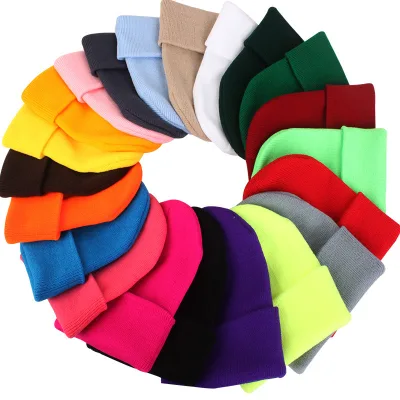
The technology used to apply these patterns is a critical differentiator. Two primary methods appear in the supply data: "Woven Patches" and "3D Embroidery." Woven patches offer a distinct, raised texture that can be sewn onto the beanie, while 3D embroidery provides a more integrated, high-relief design directly into the knit structure. The "Character" of the design is often described as "Customer Style," meaning the supplier produces based on the buyer's provided artwork. This flexibility extends to the "Color" palette, which is observed to include a wide spectrum ranging from standard Black, White, and Red to vibrant options like Yellow, Purple, Orange, Green, Gray, and Brown. Some listings specify "Colourful" as a distinct category, implying multi-tone or gradient effects.
Buyers must understand that the customization process involves more than just the design. The "Special Features" of the beanie can be integrated with the embroidery. For instance, a beanie might be "Rechargeable" or "Smart," though these are less common in standard knitted goods. More typical features include "Windproof," "Water Resistant," "UV Resistant," and "Sun Protection." Some designs incorporate functional elements like a "Ponytail Hole" or "Ear Warmer" functionality. The "Lining" is often "Unlined," but the "Thickness" is generally "Medium Weight," ensuring adequate warmth without excessive bulk.
Compliance, Standards, and Certification Verification
Navigating the compliance landscape for textile products requires a rigorous verification process. While the supplied data lists specific standards such as "CE," "SGS," and "TUV," these are often associated with specific product batches or models rather than being universal guarantees for every item in the category. Buyers should not assume that a supplier's general listing implies full compliance with these standards for all their products without explicit verification.
The "prod_standard" field in product listings varies from "customized" to "Standard size" and includes references to "CE SGS TUV." This inconsistency highlights the need for buyers to request specific test reports for the exact batch they intend to purchase. The presence of "OEKO-TEX" and "ISO 2859" in background knowledge suggests these are relevant industry benchmarks, but they should not be asserted as facts for a specific supplier unless confirmed. Similarly, "BSCI" certification is a background consideration regarding social compliance, but it must be validated against the supplier's current status.
When evaluating compliance, buyers should focus on the "prod_standard" listed for the specific model. For example, a beanie model like "Beanie-015W" might have a different standard than "custom beanie." The "Production Type" is described as "Winter Beanie Embroidery Hat," which implies a seasonal compliance requirement for thermal performance. Buyers must verify if the product meets the specific safety and quality standards of their target market, such as flammability regulations in the United States or chemical restrictions in the European Union. The "Standard size" designation often implies adherence to generic sizing norms, but custom orders may require unique validation.
Cost Drivers and Procurement Parameters
Understanding the cost structure of custom embroidered knitted beanies is essential for budgeting and negotiation. The observed price range in the market spans from $0.50 to $20.00 USD. This wide variance is driven by several factors, including material cost, customization complexity, and order volume. The "MOQ" (Minimum Order Quantity) is a significant cost driver, with observed ranges from 2 to 1000 units. However, specific product data points to an MOQ of 500 units for certain models, indicating that smaller orders may incur higher per-unit costs or require a different supplier tier.
The "prod_packing" method also influences the final landed cost. Listings show variations such as "OPP Bag," "OPP Bag / Paper Box," and "12PCS/Polybag." More elaborate packaging, such as paper boxes, will increase the unit price compared to simple polybagging. The "Location" of the supplier, often cited as "China" or specific regions like "Zhenjiang, Jiangsu," impacts shipping costs and lead times. While the data does not provide specific lead times, the complexity of "3D Embroidery" and "Customization" typically extends the production cycle compared to standard off-the-shelf items.
Buyers should be aware that the "Yarn Count" and "Material" composition are primary cost determinants. 100% Acrylic is generally more cost-effective than 100% Cotton, but the latter may command a premium for its natural feel. The "Special Features" such as "Water Resistant" or "UV Resistant" treatments add to the manufacturing cost. Additionally, the "Pattern Technology" choice between "Woven Patches" and "3D Embroidery" affects the labor and machinery costs. A "Cartoon" pattern theme might require more intricate digitization and setup fees than a "Plain Dyed" design.
Supplier Evaluation and Quality Assurance
Selecting the right supplier requires a multi-faceted evaluation strategy that goes beyond the basic product listing. The "Applicable User" is listed as "Adults" and "Boys," while the "Gender" is "Unisex," indicating a broad target market. However, buyers must verify the supplier's capability to handle the specific "Applicable Gender" requirements of their brand. The "Style" is noted as "Dobby," which refers to a specific weave pattern; suppliers must demonstrate expertise in this specific knitting technique.
Quality control is paramount, especially for custom orders. The "Features" listed include "Soft Touch," which is a subjective attribute that must be validated through physical sampling. Buyers should request pre-production samples to verify the "Thickness," "Lining," and "Special Features" like "Washable" and "Foldable" claims. The "Standard" listed as "CE SGS TUV" should be backed by valid certificates for the specific product model.
When evaluating suppliers, buyers should check the "prod_model" consistency. For instance, a supplier offering "Beanie-015W" should be able to provide consistent quality for that specific model. The "Character" being "Customer Style" means the supplier must have a robust design team capable of translating custom artwork into production-ready files. The "Production Type" as "Winter Beanie Embroidery Hat" suggests a specialization in cold-weather gear, which is a positive indicator for thermal performance.
Buyers should also consider the "Season" applicability. While some listings specify "Winter," others include "Summer," "Spring / Autumn," and "Autumn." This indicates that suppliers may offer different weight classes or materials for different seasons. A supplier claiming to offer "Summer" beanies with "100% Cotton" must demonstrate breathability, whereas a "Winter" beanie with "100% Acrylic" must demonstrate insulation.
Typical Applications and Market Segmentation
The versatility of custom embroidered knitted beanies allows for a wide range of applications across various market segments. The "Department" is explicitly listed as "Beanies," but the "Style" and "Pattern Theme" suggest diverse use cases. The "Cartoon" pattern theme is particularly suited for children's apparel, promotional merchandise, and youth-oriented brands. The "Unisex" and "Adults" applicability broadens the scope to corporate gifts, team uniforms, and fashion accessories.
The "Special Features" drive specific applications. For example, beanies with "Windproof," "Water Resistant," and "UV Resistant" properties are ideal for outdoor enthusiasts, sports teams, and workers in harsh environments. The "Ear Warmer" feature makes them suitable for extreme cold climates. The "Rechargeable" or "Smart" features, though less common, point to niche applications in tech-integrated apparel or high-end fashion.
The "Color" options, ranging from "Black" to "Colourful," allow for brand alignment. A corporate client might prefer "Black" or "Blue" for a professional look, while a promotional event might require "Yellow," "Red," or "Orange" for visibility. The "One Size Fits Most" specification makes these beanies highly suitable for mass distribution events where sizing is a logistical challenge.
Long-Term Procurement Considerations
Sourcing custom embroidered knitted beanies is not a one-time transaction but a long-term partnership that requires careful planning. The "Customization" availability means that buyers can build a unique product line, but this also requires ongoing communication with the supplier to maintain consistency. The "prod_standard" of "customized" implies that each order may have unique requirements, necessitating a robust quality assurance process for every batch.
Buyers should consider the "Lead Time" implications of the "Pattern Technology." "3D Embroidery" and "Woven Patches" may require longer production times than standard printing. The "MOQ" of 500 units suggests that buyers need to forecast demand accurately to avoid overstocking or understocking. The "prod_packing" method should be consistent to ensure brand presentation, and any changes to "OPP Bag" or "Paper Box" specifications should be communicated well in advance.
Finally, the "Location" of the supplier, such as "Zhenjiang, Jiangsu," should be factored into logistics planning. Buyers should establish clear communication channels to address any issues with "Standard size" deviations or "Material" inconsistencies. The "Season" variability requires buyers to plan orders well in advance of the target season to ensure timely delivery. By focusing on these long-term factors, buyers can secure a reliable supply chain for their Custom Embroidered Knitted Beanie needs.
FAQs
What materials are used for custom embroidered knitted beanies?
These beanies are typically made from 100% Cotton or 100% Acrylic. Cotton offers a soft touch, while acrylic provides quick-dry and lightweight properties suitable for various seasons.
Can buyers customize the pattern and design on these beanies?
Yes, customization is available for pattern themes like cartoons or plain dyed styles. Buyers can request specific designs using 3D embroidery or woven patches to match their brand identity.
What is the minimum order quantity for custom knitted beanies?
The minimum order quantity varies but can be as low as 2 units or as high as 1000 units. Specific models often require an MOQ of 500 units for production.
Which certifications are commonly associated with these beanies?
Some listings reference standards like CE, SGS, and TUV for specific product batches. Buyers should verify these certifications for the exact model before placing a large order.
How are these beanies packed for shipment?
Packing options include OPP bags, paper boxes, or 12 pieces per polybag. The choice of packaging affects the final unit price and should be confirmed during the sourcing process.
What special features can be integrated into these beanies?
Features may include windproof, water-resistant, or UV-resistant properties. Some models also offer specific functions like ear warmers or ponytail holes depending on the design requirements.