Source Custom Engraved Logo Butterfly Charms for Clothing, Bags, Hats
Compare 30 listings for Custom Engraved Logo Butterfly Charms made from metal, alloy, or stainless steel. Buyers can evaluate options with gold plating, various colors, and customization services for clothing, bags, and hats.
Key considerations
Products List


Personalized Design Made Custom Logo Engraved Jewelry Tag Charms for Bracelet
$0.02 - $0.10
MOQ: 100 Pieces


Superior Quality Antioxidant Bracelet Charms Custom Made Logo Jewelry Tag
$0.02 - $0.10
MOQ: 100 Pieces


Custom One Hole Small Engraved Logo Metal Jewelry Tags Pendant Charms for Bracelet
$0.02 - $0.10
MOQ: 100 Pieces

Top Quality Small Design Making Custom Engraved Name Metal Charm with Logo
$0.02 - $0.10
MOQ: 100 Pieces


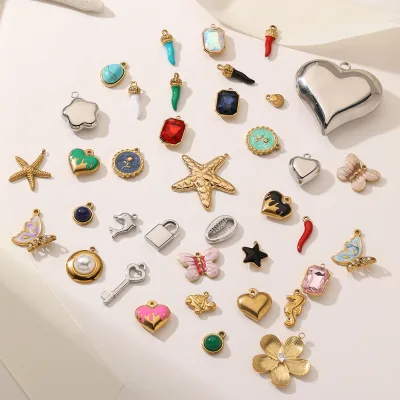
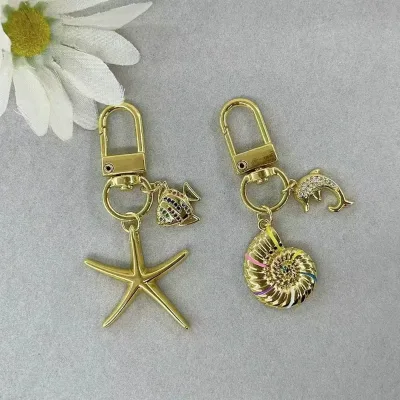


Custom Made Metal Logo Charms Handmade Soft Enamelling Pendant Wholesale
$1.00 - $3.00
MOQ: 100 Pieces


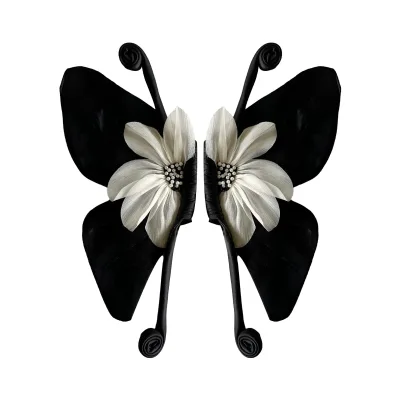
Comprehensive Sourcing Guide
Strategic Sourcing Guide for Custom Engraved Logo Butterfly Charms
The global market for personalized jewelry and decorative accessories has seen a sustained surge in demand for Custom Engraved Logo Butterfly Charms. These items serve as versatile tools for brand identity, promotional campaigns, and fashion customization. For procurement professionals, sourcing these specific components requires a nuanced understanding of material properties, manufacturing capabilities, and supply chain logistics. The following guide synthesizes available product data and industry standards to provide a disciplined approach to acquiring high-quality butterfly charms with custom engraving.
Material Selection and Technical Specifications
The foundation of any successful procurement strategy lies in selecting the appropriate material that aligns with the intended application and budget. Based on current market offerings, the primary materials available for butterfly charms include metal, stainless steel, and alloy. Each material presents distinct advantages regarding durability, weight, and finish. Stainless steel is frequently cited for its resistance to fading and corrosion, making it a robust choice for items intended for frequent wear or exposure to the elements. Conversely, alloy options often provide a more cost-effective solution while still allowing for intricate designs and plating.
The technical specifications for these charms vary significantly depending on the manufacturer's capabilities. Dimensions are a critical factor; observed data indicates specific size configurations such as 30*27mm, which suggests that buyers must verify exact dimensions against their design requirements. Shape is another defining characteristic, with heart and animal shapes being common variations alongside the specific butterfly motif. The production model numbers, such as P30427B or CBK3367, serve as unique identifiers for specific design iterations, though these codes are internal to suppliers and should be used for reference rather than as universal standards.
Plating is a crucial technical attribute for enhancing the aesthetic appeal of the charms. Gold plating is a documented feature in the current supply landscape, offering a premium look that can be applied over base metals. The thickness and quality of this plating are not explicitly quantified in general listings, necessitating that buyers request specific plating thickness data sheets or samples to ensure longevity. Furthermore, the "Fade ?" attribute indicates that some products are marketed as non-fading, a claim that should be validated through independent testing or supplier-provided quality assurance reports before large-scale orders are placed.
Customization Capabilities and Engraving Processes
The core value proposition of Custom Engraved Logo Butterfly Charms is the ability to imprint specific branding or designs. The market supports a high degree of customization, with "Customization: Available" and "OEM/ODM: Provided" being standard offerings. This flexibility extends to the engraving process itself. Suppliers utilize various printing and engraving techniques, including Gravure Printing, Silk Screen Printing, and Digital Printing. The choice of technique depends on the complexity of the logo, the material of the charm, and the desired resolution.
For metal charms, the engraving process often involves mechanical etching or laser engraving to ensure the logo is permanent and resistant to wear. The "Feature: Washable" attribute suggests that the engraving or printing method used must withstand cleaning processes, which is essential for charms intended for clothing or accessories that may be laundered. Buyers should verify that the chosen engraving method is compatible with the specific material; for instance, digital printing on certain alloys may require a protective top coat to prevent fading or scratching.
The "Customized Logo Accept" attribute confirms that suppliers are equipped to handle unique branding requests. However, the quality of the final engraving is described as "Depend on Your Request," implying that the outcome is directly tied to the clarity of the provided artwork and the specific technical requirements agreed upon. To mitigate risks, procurement teams should establish clear digital file specifications (such as vector formats) and request physical samples of engraved logos before committing to bulk production. The "Sample: Samples Freight Prepaid" policy indicates that while samples are available, the logistics costs for these initial units may fall on the buyer, a factor that should be included in the initial budget planning.
Cost Drivers and Pricing Structures
Understanding the cost structure of custom engraved butterfly charms is vital for effective budget management. The observed price range in the market spans from 0.02 to 5 USD per unit. This wide variance is driven by several key factors, including material composition, plating quality, order volume, and the complexity of the customization. Stainless steel charms generally command a higher price point than alloy alternatives due to superior durability and material costs. Similarly, gold plating adds a significant premium compared to standard metal finishes.
Minimum Order Quantity (MOQ) is another critical cost driver. The data shows an MOQ range from 1 piece to 2000 pieces, with specific listings citing MOQs as low as 1 PCS or 50 PCS. This flexibility allows small businesses and startups to test the market with minimal financial risk. However, the unit price often decreases as the order volume increases, a standard economies-of-scale dynamic in manufacturing. Buyers should negotiate based on tiered pricing structures to optimize costs for larger orders.
Additional cost considerations include packaging and shipping. The "Packing" options vary from simple OPP bags to more elaborate gift boxes, with some suppliers offering "One by One Packing" for premium presentation. These packaging choices directly impact the final landed cost. Furthermore, shipping terms such as EXW (Ex Works) and FOB (Free on Board) dictate where the cost responsibility transfers from the supplier to the buyer. Buyers must calculate freight costs carefully, especially when utilizing "Fast by DHL, FedEx, UPS" services, which are noted for their speed but may incur higher charges compared to standard air or sea transport.
Compliance, Certification, and Quality Assurance
While the supply chain for decorative charms is less regulated than industries like food or pharmaceuticals, compliance and quality assurance remain paramount. The "Quality: Depend on Your Request" statement highlights a reliance on buyer-defined standards. In the absence of universal mandatory certifications for this specific product category, buyers must proactively establish their own quality benchmarks. This includes verifying the "Standard" attributes, which range from "pendant" to "Custom" or specific dimensions like "578cm."
Buyers should request documentation regarding material safety, particularly if the charms are intended for children's products or items with direct skin contact. Although specific certification names are not listed in the general data, reputable suppliers should be able to provide test reports confirming the absence of harmful substances like lead or nickel, which are common concerns in metal jewelry. The "Fade ? No" claim serves as a quality indicator, but it should be backed by accelerated aging tests or third-party verification to ensure the logo remains legible over time.
Quality control protocols should be integrated into the procurement process. This involves a rigorous inspection of the "Product Type," ensuring it matches the "Custom Jewelry Tags" or "Dog Tag" specifications as required. The "Technics: Plating" attribute suggests that the surface finish is a critical quality metric. Buyers should inspect samples for uniformity in plating, absence of bubbles or scratches, and the precision of the engraved logo. Establishing a clear Acceptable Quality Limit (AQL) before production begins is essential to prevent the receipt of substandard goods.
Supplier Evaluation and Logistics Management
Selecting the right supplier is a multifaceted decision that goes beyond price. The geographic origin of these products is predominantly China, with specific mentions of Fujian as a production hub. This concentration of manufacturing capability suggests a mature supply chain with established logistics networks. However, buyers should evaluate suppliers based on their responsiveness, communication clarity, and ability to meet lead times. The "7 Days Sample Order Lead Time" is a specific data point that indicates a relatively fast turnaround for prototypes, which is advantageous for accelerating the product development cycle.
Logistics and shipping are significant considerations. The "Shipping: Fast by DHL, FedEx, UPS, etc" option provides flexibility for urgent orders, while other suppliers may offer "Usual Send by Air Transport, EMS, UPS and FedEx." Buyers must weigh the speed of delivery against the cost, especially for large orders where sea freight might be more economical. The "Payment Term: EXW, Fob" and "Payments: Paypal, T/T, Western Union" options offer various levels of financial security. T/T (Telegraphic Transfer) is common for B2B transactions, but buyers should consider using escrow services or letters of credit for larger orders to mitigate payment risks.
Supplier reliability can be assessed by reviewing their customization capabilities and past performance. The "Advantage: Cheap, Fashion, Fast Delivry" attribute points to a competitive market where speed and cost are key differentiators. However, buyers should look for suppliers who demonstrate a commitment to quality alongside these advantages. Checking the "Application" scope, which includes "Clothing, Bag, Hat, etc," can help verify that the supplier has experience with the specific end-use of the charms. A supplier with a diverse portfolio of applications is more likely to understand the nuances of different use cases and provide better technical support.
Long-Term Procurement and Application Strategy
The long-term success of sourcing custom engraved butterfly charms depends on building a sustainable relationship with suppliers and aligning procurement strategies with market trends. The "Style: Fashion" and "Style: Jewelry Charm" attributes indicate that these products are subject to changing fashion cycles. Buyers should maintain flexibility in their designs to adapt to seasonal trends while ensuring that the core branding elements remain consistent. The "Customization: Available" feature allows for this adaptability, enabling buyers to update logos or designs without changing the entire product line.
Applications for these charms are diverse, ranging from clothing accessories to bag tags and hat decorations. The "Application: Clothing, Bag, Hat, etc" data suggests that the charms are versatile enough to be used across multiple product categories. This versatility makes them an attractive option for brands looking to expand their product offerings or create cohesive branding across different items. Buyers should consider the durability requirements of each application; for instance, charms for clothing may need to be more robust than those for decorative bags.
To ensure long-term viability, procurement teams should focus on building a reliable supply base that can scale with demand. The "MOQ: 1PCS" to "2000" range allows for a phased approach to ordering, starting with small batches to test the market and scaling up as demand grows. Maintaining open communication with suppliers regarding production capacity and lead times is essential to avoid delays. Additionally, staying informed about material innovations and plating technologies can provide a competitive edge, allowing buyers to offer higher-quality products that stand out in the marketplace. By adhering to strict quality standards and fostering strong supplier relationships, buyers can secure a steady supply of high-quality Custom Engraved Logo Butterfly Charms that meet the evolving needs of their customers.
FAQs
What materials are available for Custom Engraved Logo Butterfly Charms?
Available materials include metal, stainless steel, and alloy. Stainless steel offers resistance to fading, while alloy provides a cost-effective solution with intricate design capabilities for various fashion applications.
Can I request custom engraving for these charms?
Yes, customization and OEM/ODM services are provided by suppliers. Buyers can request specific logos using techniques like gravure, silk screen, or digital printing, with quality depending on the provided request details.
What is the minimum order quantity for these items?
Minimum order quantities range from 1 piece to 2000 pieces depending on the supplier. Some listings support orders as low as 1 PCS, while others require 50 PCS, allowing flexibility for different business needs.
How long does it take to receive samples?
Sample orders typically have a lead time of 7 days. While samples are supported, freight costs are usually prepaid by the buyer, so logistics expenses should be included in the initial budget planning.
Which plating options are available for these charms?
Gold plating is a documented feature available for these metal charms. This plating enhances aesthetic appeal, but buyers should verify plating thickness and quality through samples to ensure durability against wear and washing.
What packaging options are offered for these products?
Packaging varies from simple OPP bags to gift boxes and one-by-one packing. Specific options include covering with paper, placing into poly bags, or using cartons, depending on the supplier's standard or custom request.