Source Custom Engraved Crystal Trophy for Awards, Gifts, and Decor
Explore 30 options for Custom Engraved Crystal Trophy designs suitable for sports events, business gifts, and home decoration. Compare specifications like size, material, and printing methods to find the ideal award for your needs; compare the available evidence and request quotations based on your requirements.
Key considerations
Products List




Rainbow Trophy Custom Logo Crystal Trophy Polished Crystal Award Souvenir
$6.80 - $19.80
MOQ: 5 Pieces
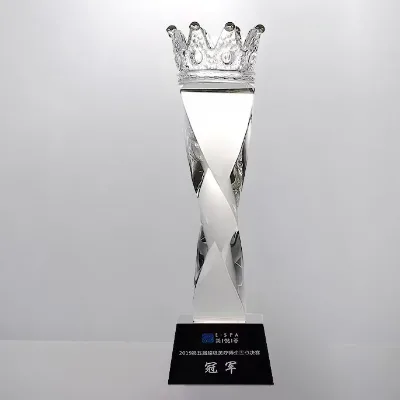


Wholesale Crystal Trophies, Custom-Made Personalized Business and Sports Trophies
$17.00 - $18.50
MOQ: 50 Pieces


Comprehensive Sourcing Guide
Custom Engraved Crystal Trophy Sourcing Guide
Procuring custom engraved crystal trophies requires a strategic approach that balances aesthetic precision with commercial viability. Buyers must first define the specific use case, whether for sports awards, corporate recognition, or holiday gifts, as this dictates the material grade and structural integrity needed. The market offers a wide array of options, from simple modern designs to intricate classics, allowing for tailored solutions that align with brand identity. Understanding the distinction between standard stock items and fully customized pieces is crucial for managing expectations regarding lead times and minimum order quantities.
The sourcing process begins with identifying suppliers who specialize in glass and crystal fabrication, particularly those located in established manufacturing hubs like Baoying, China. These regions often provide access to high-quality raw materials and skilled labor necessary for polishing and engraving tasks. Buyers should evaluate the supplier’s capability to handle various shapes, including round or custom forms, and their proficiency in applying different finishes such as silver, gold, or bronze plating. Establishing clear communication channels early on ensures that design nuances are accurately translated into the final product, reducing the risk of costly revisions.
Product Scope and Observed Listing Signals
The current market landscape for custom crystal trophies reveals a diverse range of product models, including TH0033, TH0014, and HTH0009, each catering to different dimensional requirements. Listings indicate standard sizes such as 2314.5cm or 120mm50mm180mm, alongside fully customizable dimensions like 2583.5cm or 28.57.5cm. This variability suggests that buyers are not limited to off-the-shelf solutions but can request bespoke dimensions to fit specific display pedestals or award ceremonies. The presence of multiple model numbers indicates a robust inventory system capable of handling both small batch orders and larger commercial projects efficiently.
Material composition is predominantly glass and crystal, with a strong emphasis on transparency and polished finishes. Suppliers offer a spectrum of color options, including transparent, silver, gold, copper, bronze, brass, and black, allowing for significant customization in visual appeal. The usage scope extends beyond mere trophies to include souvenirs, home decoration, and art collections, highlighting the versatility of these items. Buyers should note that while many products are transparent, the availability of colored variants provides opportunities for thematic alignment with corporate branding or event motifs, enhancing the perceived value of the award.
Technical Specifications to Verify
Verifying technical specifications is critical to ensuring the trophy meets both aesthetic and functional requirements. Buyers must confirm the exact dimensions, as listed standards vary significantly from 22.5*7.5cm to custom sizes. It is essential to request detailed drawings or 3D models before production begins, especially for non-standard shapes like round or pyramid designs. The clarity of the crystal, described as ICustomized or Non-Customized, should be explicitly defined to avoid misunderstandings regarding optical quality. Ensuring that the polished finish is uniform and free of defects is equally important for maintaining a premium appearance.
Engraving techniques, such as thermal transfer or UV printing, offer different levels of durability and visual impact. Buyers should verify the type of engraving, whether it is laser etching or surface printing, as this affects longevity and resistance to wear. The theme of the trophy, which may include animals, crosses, human figures, or mascots, must be accurately rendered in the final product. Additionally, the base or stand dimensions should be checked to ensure stability, particularly for taller trophies like those measuring 180mm in height. Confirming these details prevents discrepancies between the design proof and the physical item.
Compliance and Safety Documentation
Compliance with international standards is a key consideration for global procurement. Suppliers often provide certifications such as SGS, ISO, and BSCI, which indicate adherence to quality management and social responsibility practices. Buyers should request copies of these certificates to verify the supplier’s commitment to ethical manufacturing and product safety. While specific test results are not always listed, the presence of these certifications suggests a baseline level of regulatory compliance. It is advisable to ask for recent audit reports to ensure that the supplier’s facilities meet current environmental and labor standards.
Safety documentation should also cover the materials used in the trophy’s construction. Since the primary material is glass or crystal, buyers should ensure that the product is free from harmful substances and sharp edges that could pose a risk during handling. The eco-friendly feature mentioned in some listings indicates a potential for sustainable production methods, which may be important for brands with green initiatives. Buyers should inquire about the recyclability of the packaging materials, which may include bubble bags, carton boxes, or PE bags, to minimize environmental impact.
Cost Drivers and Commercial Terms
Cost structures for custom crystal trophies are influenced by several factors, including material quality, customization complexity, and order volume. The observed price range of 1-45 USD suggests a wide spectrum of options, from basic stock items to high-end bespoke designs. Minimum order quantities (MOQ) typically start at 20 units, though some suppliers offer low MOQ options for smaller projects. Buyers should negotiate pricing based on the total volume and the level of customization required, as intricate designs or special finishes may incur additional charges.
Commercial terms also include packaging and shipping considerations. Options range from simple white boxes to customized gift packaging, which can affect the final cost. Buyers should clarify whether packaging costs are included in the unit price or billed separately. Payment terms, lead times, and shipping methods should be agreed upon in writing to avoid disputes. Suppliers may offer benefits upon request, such as discounts for repeat orders or expedited production for urgent needs. Understanding these commercial dynamics helps in budgeting accurately and managing cash flow effectively.
Supplier Qualification and Quality Control
Evaluating supplier qualification involves assessing their technical capabilities and quality control processes. Buyers should verify the supplier’s experience in producing crystal trophies, particularly their ability to handle complex designs and custom orders. The availability of OEM and ODM services indicates flexibility in meeting specific client requirements. It is important to check the supplier’s after-sales service support, as this can be crucial for resolving any issues that arise post-delivery. Suppliers with a strong reputation for innovation and customer service are likely to provide a more reliable sourcing experience.
Quality control measures should be clearly defined before production begins. Buyers should request samples or prototypes to evaluate the finish, clarity, and engraving quality. Establishing acceptance criteria for defects, such as chips, scratches, or misalignments, helps in maintaining consistent quality across the order. Regular communication with the supplier during the production phase can help identify and address potential issues early. Implementing a third-party inspection service for large orders can provide an additional layer of assurance, ensuring that the final products meet the agreed-upon standards.
Long-Term Procurement Checks
Long-term procurement success depends on building a sustainable relationship with reliable suppliers. Buyers should conduct periodic reviews of supplier performance, focusing on delivery times, product quality, and responsiveness to issues. Maintaining open lines of communication allows for continuous improvement and adaptation to changing market needs. Suppliers who offer cooperative benefits and support for future projects can become valuable partners in the supply chain. Regularly updating design requirements and exploring new customization options can keep the product line fresh and relevant.
It is also important to stay informed about industry trends and technological advancements in crystal trophy manufacturing. This knowledge can help buyers make informed decisions about material choices and design innovations. Building a diversified supplier base can mitigate risks associated with single-source dependencies. By focusing on long-term partnerships and continuous evaluation, buyers can ensure a steady supply of high-quality custom engraved crystal trophies that meet their evolving business needs. This strategic approach fosters resilience and competitiveness in the marketplace.
FAQs
What customization options are available for crystal trophies?
Customization is available for these crystal trophies, allowing buyers to select specific shapes, themes, and sizes. Products come in various styles like simple or modern, with themes including animals, crosses, and human figures. Buyers can request custom packaging or specific dimensions to meet unique event requirements.
Which certifications do the crystal trophy manufacturers hold?
The manufacturers hold SGS and ISO BSCI certifications to ensure quality and ethical standards. These credentials verify that the production processes meet international requirements for safety and management systems. Buyers seeking verified suppliers can rely on these documented certifications for their sourcing decisions.
What is the minimum order quantity for custom trophies?
The minimum order quantity is typically 20 units for standard orders, though low MOQ options exist for specific requests. Some listings indicate flexible purchasing terms to accommodate smaller business needs. Buyers should confirm exact MOQs with suppliers based on their specific product model and customization level.
How are the crystal trophies packaged for shipping?
Packaging options include gift boxes, white boxes, bubble bags, carton boxes, PE bags, and OPP bags. The specific packaging depends on the product type and buyer requirements, with customized packages also available. This ensures the trophies arrive safely while meeting branding or gifting needs.
Can suppliers provide OEM and ODM services for trophies?
Yes, suppliers welcome OEM and ODM services to create unique trophy designs. Buyers can request custom shapes, colors, and themes such as pyramids or mascots. This flexibility allows businesses to create branded awards tailored to specific sports events, holidays, or corporate functions.
What materials are used to make these crystal trophies?
The trophies are primarily made from glass and crystal materials with a polished technique. They feature transparent clarity and come in various colors like silver, gold, and black. These materials ensure durability and a premium appearance suitable for souvenirs, home decoration, and art collections.
Where are the crystal trophy manufacturers located?
Manufacturers are located in Baoying, China, and other regions within China. This location offers access to established supply chains for glass and crystal products. Buyers can source directly from these origins to ensure authenticity and potentially reduce logistics costs for international orders.