Source Custom Kraft Paper Gift Box for Food, Cosmetics, Apparel
Find 30 verified options for Custom Kraft Paper Gift Box designs tailored for food, cosmetics, and apparel industries. Buyers can compare specifications, certifications, and pricing to select the ideal packaging solution for their needs.
Key considerations
Products List


$0.54 - $0.68
MOQ: 1000 Pieces


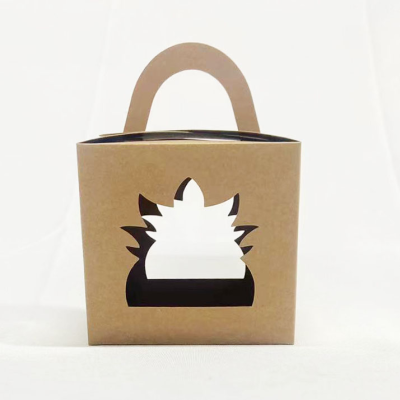


Factory Custom Printing Cardboard Kraft Paper Boxes Corrugated Gift Box with Lid
$0.20 - $0.35
MOQ: 2000 Pieces


Comprehensive Sourcing Guide
Strategic Sourcing Guide for Custom Kraft Paper Gift Boxes
Understanding Product Specifications and Material Variability
When sourcing custom kraft paper gift boxes, buyers must first navigate the diverse landscape of technical specifications that define the final product. The core material is consistently identified as paper, with specific variations such as Cardboard and Art Paper appearing in the supply data. These material choices directly influence the structural integrity and aesthetic finish of the packaging. The standard shape observed for these units is rectangular, a form factor that maximizes storage efficiency and display versatility. However, the size is not fixed; the data indicates that dimensions are fully customizable, ranging from "Middle" sizes to bespoke specifications tailored to specific product dimensions.
Weight is another critical variable that fluctuates based on material thickness and box size. Observed weight ranges span from under 0.5 kg to between 1 and 1.5 kg. This variance suggests that buyers cannot rely on a single average weight for logistics planning but must verify the specific weight of their chosen design. The surface handling process is predominantly Offset Printing, which allows for high-quality graphics. Color customization is extensive, with options including CMYK and Pantone matching, ensuring brand consistency. Furthermore, the printing page is typically single-sided, though the customization options allow for complex branding needs. The production model numbers, such as FP0409006, Ruby-10.11, and various CPSK series codes, indicate a highly modular manufacturing approach where specific SKUs are generated based on client requirements rather than a static inventory.
Compliance, Certification, and Regulatory Standards
Navigating the compliance landscape is essential for international procurement, particularly when dealing with food, cosmetics, and electronics applications. The supply data highlights a robust set of certifications that buyers should verify during the supplier selection process. Key certifications mentioned include ISO9001, ISO14001, and ISO91001, which cover quality management, environmental management, and specific industry standards. Additionally, the FSC (Forest Stewardship Council) certification is noted, signaling a commitment to sustainable forestry practices, a critical factor for brands prioritizing environmental responsibility.
Beyond the ISO and FSC standards, social compliance is equally important. The BSCI (Business Social Compliance Initiative) certification appears frequently in the data, indicating that suppliers adhere to ethical labor practices. For specific industries, such as food and cosmetics, the BRC (British Retail Consortium) certification is also listed, suggesting that the packaging meets rigorous safety and quality standards required by major retailers. It is important to note that while these certifications are present in the supplier pool, they are not guaranteed for every single listing. Buyers must treat these as observed attributes of specific suppliers rather than universal guarantees. Verification should involve requesting current, valid certificates that match the specific factory location, which is predominantly Shanghai, China, or other regions within China.
Cost Drivers and Pricing Structure Analysis
The pricing structure for custom kraft paper gift boxes is influenced by several dynamic factors, resulting in a wide observed range from $0.06 to $68 per unit. This significant variance is not arbitrary but is driven by the complexity of the customization, the quantity ordered, and the specific material grade selected. The Minimum Order Quantity (MOQ) is another primary cost driver, with observed ranges spanning from 10 to 10,000 pieces. Lower MOQs, such as 10 or 100 pieces, often command a higher unit price due to the setup costs associated with custom molds and printing plates. Conversely, bulk orders approaching the 10,000-piece threshold can significantly reduce the per-unit cost.
Additional cost factors include the complexity of the printing process. While standard CMYK printing is common, the inclusion of Pantone colors or specialized surface treatments may increase the price. The choice of paper type, such as upgrading from standard cardboard to premium Art Paper, also impacts the final cost. Buyers should be aware that "Free Sample" costs are often available for in-hand items, but custom samples may incur charges. The packing method, whether Export Shipping Cartons, Pallets, or Bulk Packing, also contributes to the final landed cost, especially when factoring in shipping expenses. Sea, Air, and Courier options are available, with the choice of transport mode directly affecting the total procurement budget.
Typical Applications and Market Segmentation
Custom kraft paper gift boxes serve a broad spectrum of industries, making them a versatile choice for diverse procurement needs. The data explicitly lists applications in Food, Electronics, Apparel, Cosmetics, and Household goods. This versatility extends to specific use cases such as Gifts, Shoes, Beverages, Wine, Arts and Crafts, Jewelry, and Health Care Products. The material's natural aesthetic and recyclability make it particularly suitable for the cosmetics and jewelry sectors, where unboxing experiences are critical. For the food and beverage industry, the availability of BRC and FSC certifications ensures the packaging meets safety and sustainability requirements.
The adaptability of the product is further evidenced by the wide range of usage scenarios. Whether for a high-end wine bottle or a small cosmetic item, the box can be customized in size and shape to fit the product perfectly. The "All boxes custom made" standard suggests that there is no one-size-fits-all solution, allowing brands to create unique packaging that aligns with their specific marketing strategy. The ability to include logo printing is a standard feature, enabling brands to reinforce their identity on the packaging. This broad applicability means that buyers from any of these sectors can find a suitable solution, provided they clearly define their specific requirements regarding size, material strength, and print quality.
Supplier Evaluation and Operational Capabilities
Evaluating potential suppliers requires a focus on their operational capabilities and service models. The data indicates that OEM (Original Equipment Manufacturer) services are widely available, allowing buyers to have full control over the design and production process. The production origin is primarily Shanghai, China, a hub known for its manufacturing infrastructure, though other locations within China are also represented. Buyers should verify the specific factory location to ensure it aligns with their logistics and compliance requirements.
Service levels vary, with some suppliers offering free samples for in-hand products, while others may require payment for custom prototypes. The lead time and production capacity are not explicitly quantified in the provided data, but the ability to handle MOQs ranging from 10 to 10,000 pieces suggests flexibility in production scaling. When evaluating suppliers, buyers should look for those who demonstrate a clear understanding of the specific application requirements, such as the need for heavy-duty cardboard for wine bottles versus lightweight art paper for jewelry. The presence of multiple production models (e.g., ZTCP-Packing, CP2018042402) indicates a mature manufacturing system capable of handling diverse order types. It is crucial to confirm that the supplier can meet the specific standard requirements, such as "Special paper" or "A" grade standards, which may vary by client expectation.
Quality Control and Long-Term Procurement Strategy
Ensuring consistent quality is paramount when sourcing custom packaging. The data lists standards such as ISO9001 and SGS, which are critical indicators of a supplier's commitment to quality control. However, buyers must not assume that every product listed meets these standards without verification. Quality control should be a proactive part of the procurement process, involving pre-production sample approval and post-production inspections. The "Customized" standard for some models suggests that quality benchmarks may be agreed upon on a case-by-case basis, making clear communication of expectations essential.
For long-term procurement, buyers should consider the sustainability aspect of the packaging. The "Recyclable" attribute of the material is a significant advantage for brands aiming to reduce their environmental footprint. The availability of FSC certification supports this goal, ensuring that the paper comes from responsibly managed forests. Additionally, the flexibility in packing options, such as Pallet or Bulk Packing, allows for efficient logistics planning and cost reduction over time. Buyers should also consider the durability of the packaging in transit, as the weight and material type will influence the choice of protective packaging. Establishing a long-term relationship with a supplier who can consistently meet the required standards, such as ISO9001 and BSCI, will provide stability and reliability in the supply chain.
Final Procurement Considerations and Verification Steps
Before finalizing any purchase, buyers must conduct a thorough verification of all product attributes against their specific needs. The observed data provides a comprehensive list of potential attributes, but the actual product delivered must match the agreed-upon specifications. Key verification steps include confirming the exact paper type, weight, and dimensions. Buyers should also ensure that the printing process, whether Offset or other methods, aligns with their brand's visual identity. The certification status, particularly for food and cosmetic applications, must be validated with current documentation.
The wide range of observed prices and MOQs underscores the importance of negotiating based on volume and specific requirements. Buyers should leverage the OEM capabilities to customize the packaging fully, ensuring it meets their unique branding and functional needs. By focusing on the verified facts provided, such as the material composition, certification availability, and application scope, buyers can make informed decisions that balance cost, quality, and sustainability. The ultimate goal is to secure a supply chain that delivers high-quality, custom kraft paper gift boxes that enhance the product experience while adhering to all relevant standards and regulations.
FAQs
What certifications are available for custom kraft paper gift boxes?
Available certifications include ISO9001, ISO14001, FSC, BSCI, and BRC. These standards ensure quality management, environmental responsibility, and social compliance for food and cosmetic applications.
Can I customize the size and color of the gift boxes?
Yes, size and color are fully customizable to meet specific needs. Buyers can select from CMYK or Pantone colors and request dimensions ranging from middle sizes to bespoke specifications.
What is the minimum order quantity for these paper boxes?
The minimum order quantity ranges from 10 to 10,000 pieces depending on the supplier and customization level. Lower quantities often incur higher unit costs due to setup requirements.
Which materials are used for manufacturing these custom boxes?
The primary materials include paper, cardboard, and art paper, which are often recyclable. These materials provide structural integrity while supporting sustainable sourcing practices for various industries.
How can I get samples of the custom kraft paper boxes?
Free samples are available for items currently in hand, while custom samples may require a fee. Buyers should verify sample availability and costs before placing a bulk order.
What printing methods are used for logo and graphics on the boxes?
Offset printing is the standard method used for high-quality graphics and logo application. This process supports single-page printing and allows for precise CMYK or Pantone color matching.
Where are these custom gift boxes manufactured and shipped from?
Most products originate from Shanghai, China, with some listings indicating other regions within China. Shipping options include sea, air, and courier services to accommodate global delivery needs.