Source Custom Logo Dice Cup for Game, Gift, and Entertainment
Compare 30 listings for Custom Logo Dice Cup options featuring embossed logos, horn or trumpet shapes, and various sizes. Buyers can evaluate suppliers from Zhejiang, Guangdong, and Guangxi with MOQs ranging from 3 to 2000 units for game and gift applications.
Updated
Key considerations
Products List
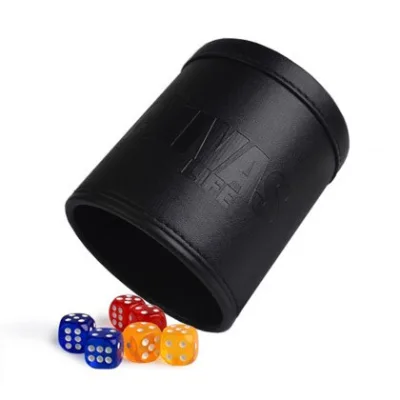


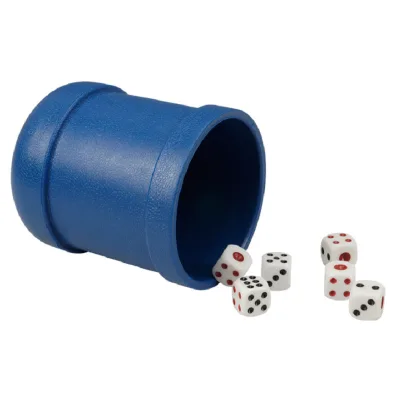
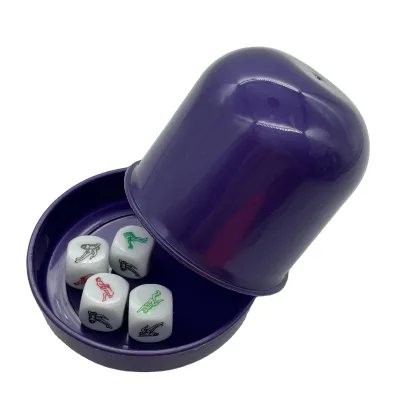
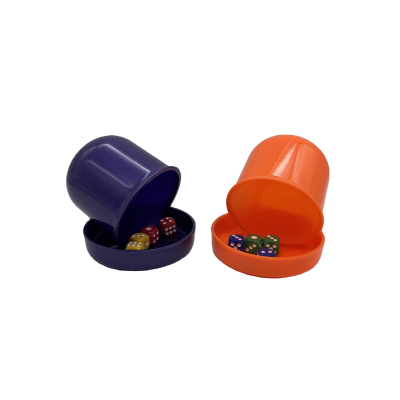
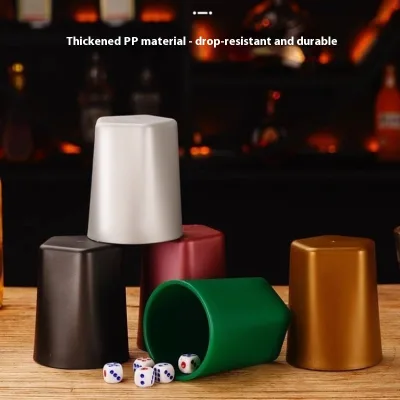
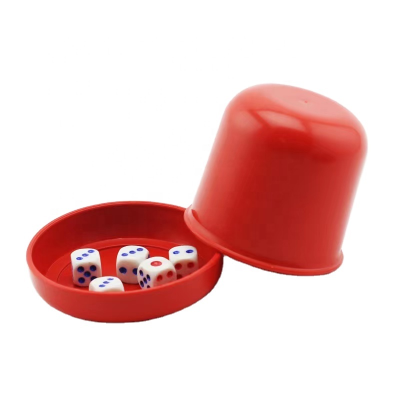
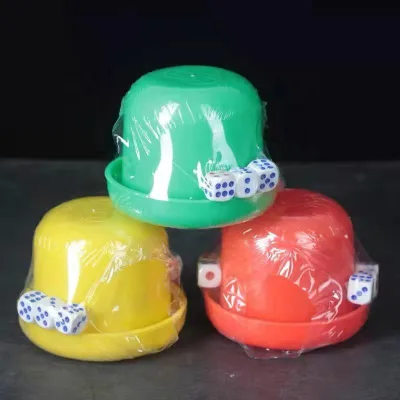
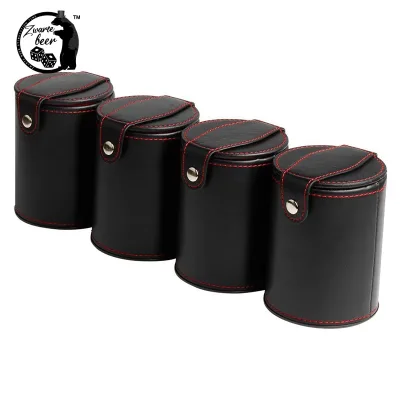
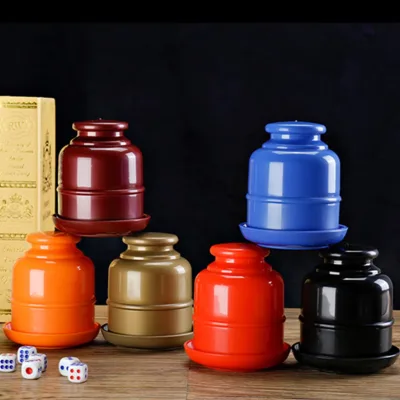
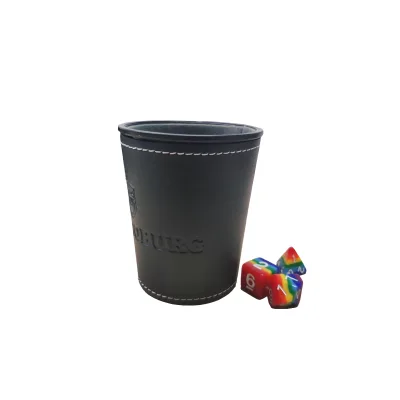
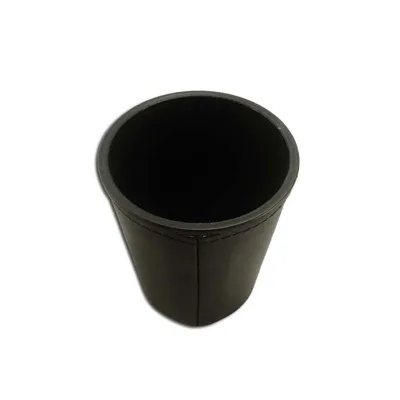
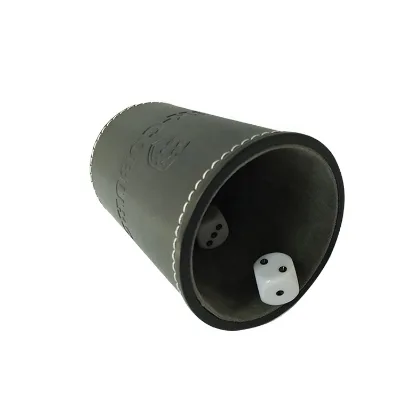
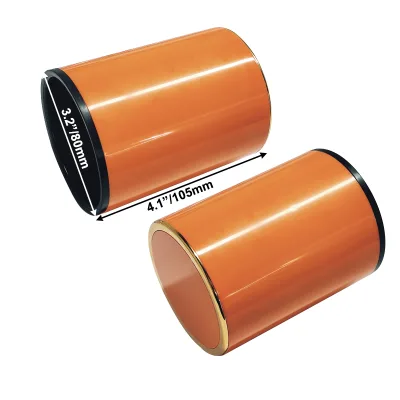
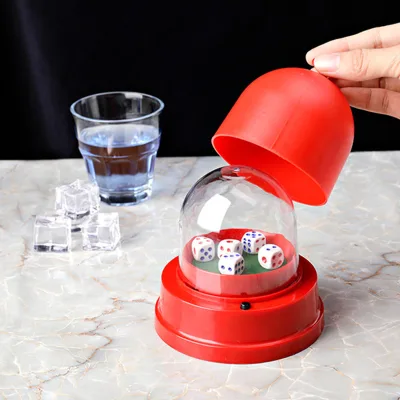
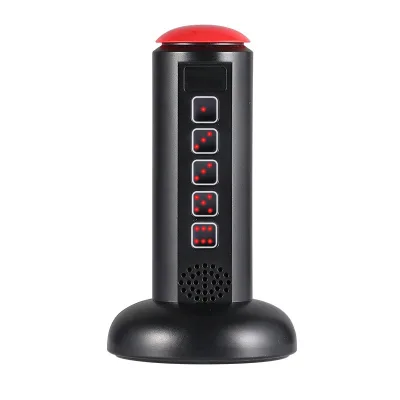
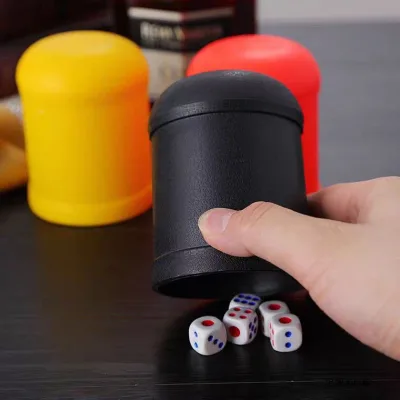
Professional Manufacture Dice Cup Colorful Dice Cup Increase the Design Plastic Dice Cup
$0.7271 - $0.8198
MOQ: 1000 pieces
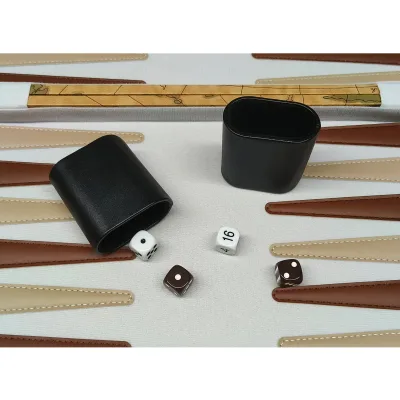
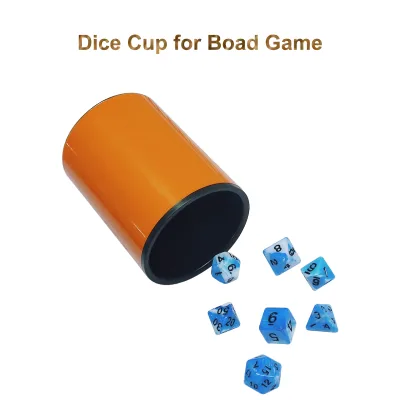


Comprehensive Sourcing Guide
Custom Logo Dice Cup Sourcing Guide
Sourcing custom logo dice cups requires a clear understanding of the product’s dual nature as both a gaming accessory and a promotional item. Buyers must distinguish between standard inventory and fully customized units, as the latter involves specific branding workflows. The market offers various styles, including horn and trumpet shapes, which influence the visual impact of the embossed or printed logo. Understanding these physical distinctions is the first step in defining procurement requirements accurately.
Procurement teams should also evaluate the material composition and packaging options to ensure alignment with brand identity. While some listings suggest leather or plastic materials, the actual product attributes indicate a focus on customizable containers for dice. The presence of custom logo capabilities suggests that branding is a primary value driver. Buyers need to verify how the logo is applied, whether through embossing, printing, or other methods, to ensure durability and aesthetic quality during repeated use in entertainment settings.
Product Scope and Observed Listing Signals
The observed product range includes dice cups and containers designed for entertainment and game usage, with a strong emphasis on customization. Listings indicate a variety of model numbers, such as LS223, LS 305, and LS1234, suggesting a diverse catalog of available designs. The core keyword "Custom Logo Dice Cup" aligns with products that offer embossed logos or custom printing services. This signals that buyers are not just purchasing a generic container but a branded tool for gaming or promotional purposes.
Observed listing signals reveal significant variation in packaging and presentation, which impacts the final product experience. Some items are packaged in individual OPP bags, while others come in color boxes or custom packaging solutions. The presence of "Customized" attributes and OEM/ODM support indicates that suppliers are equipped to handle bespoke orders. Buyers should note that while the product type is consistently identified as a dice cup or box, the specific dimensions and shapes vary, requiring careful selection based on functional needs.
Technical Specifications to Verify
Technical verification begins with confirming the physical dimensions and shape of the dice cup, as these affect usability and storage. Observed specifications include sizes such as 7.57.510cm, 8810cm, and 8.28.29.5cm, alongside single package sizes of 15X10X8 cm. Buyers must ensure that the selected model fits the intended dice set and allows for comfortable shaking. The shape, described as horn or trumpet, also plays a role in how dice are contained and displayed, so visual confirmation of the design is essential before placing an order.
Material and construction details are critical for assessing durability and ease of cleaning. Attributes such as "Easily Cleaned" and "New" condition suggest that the products are designed for repeated use. Buyers should verify the material composition, whether it is leather, plastic, or a composite, to ensure it meets hygiene and durability standards. Additionally, the mode of operation is listed as manual, which is standard for dice cups, but buyers should confirm that the interior surface allows for smooth dice movement without excessive friction or noise.
Compliance and Safety Documentation
Compliance verification is essential for products intended for entertainment and gift usage, particularly if they are marketed towards children or used in educational settings. While specific certification statuses like ISO9001, FSC, En71-3, and BSCI are mentioned in background contexts, buyers must request current and valid certificates from the supplier. These documents provide assurance that the manufacturing processes and materials meet international safety and quality standards. Without verified documentation, there is a risk of non-compliance with local regulations, which can lead to shipment delays or product recalls.
Buyers should also inquire about the safety of the materials used in the dice cup, especially if the product involves printing or embossing processes that may use inks or adhesives. Ensuring that these materials are non-toxic and free from harmful chemicals is crucial for consumer safety. The supplier should be able to provide material safety data sheets or test reports that confirm the absence of hazardous substances. This due diligence protects the buyer’s brand reputation and ensures that the product is safe for end-users in various environments.
Cost Drivers and Commercial Terms
Cost drivers for custom logo dice cups include the complexity of the logo design, the quantity ordered, and the packaging requirements. The observed MOQ range of 3 to 2000 pieces indicates flexibility, but higher volumes typically result in lower unit costs. Buyers should negotiate based on their expected order volume, keeping in mind that customization adds a layer of complexity that can affect pricing. The supply ability of 52000000 sets per month suggests that suppliers have the capacity to handle large orders, but lead times should be confirmed to avoid delays.
Commercial terms also encompass shipping and payment conditions, which can significantly impact the total cost of ownership. Listings mention various shipping options, including FedEx, DHL, UPS, TNT, and EMS, allowing buyers to choose based on speed and cost. Buyers should clarify who bears the shipping costs and whether duties and taxes are included in the quoted price. Additionally, understanding the payment terms, such as deposits or letters of credit, is vital for managing cash flow and mitigating financial risk during the procurement process.
Supplier Qualification and Quality Control
Supplier qualification involves verifying the manufacturer’s location and production capabilities to ensure reliability and consistency. Observed origins include Zhejiang, Guangdong, and Guangxi, indicating a concentration of manufacturing hubs in China. Buyers should assess the supplier’s experience in producing custom logo dice cups and their ability to maintain quality across large batches. Requesting samples before placing a bulk order is a critical step to evaluate the quality of the logo application, material finish, and overall construction.
Quality control measures should be clearly defined in the purchase agreement, including inspection criteria and acceptance standards. Buyers should specify the acceptable tolerance for dimensions, logo placement, and color accuracy. It is also important to establish a process for handling defects or non-conforming products. Suppliers with strong quality control systems will provide detailed inspection reports and have clear procedures for addressing issues. This proactive approach minimizes the risk of receiving substandard products and ensures that the final goods meet the buyer’s expectations.
Long-Term Procurement Checks
Long-term procurement success depends on establishing a reliable supply chain that can adapt to changing market demands and product requirements. Buyers should monitor supplier performance over time, tracking metrics such as on-time delivery, product quality, and responsiveness to issues. Regular communication with the supplier helps build a partnership that can lead to better pricing, improved service, and innovative product solutions. Maintaining a diverse supplier base can also mitigate risks associated with single-source dependencies.
Continuous evaluation of product specifications and market trends is essential to stay competitive. As gaming and promotional industries evolve, buyers may need to update their dice cup designs or materials to meet new consumer preferences. Staying informed about industry standards and regulatory changes ensures that the products remain compliant and relevant. By conducting periodic reviews of the procurement process and supplier relationships, buyers can optimize their sourcing strategy and achieve long-term value from their Custom Logo Dice Cup purchases.
FAQs
Can I get a custom logo on the dice cup?
Yes, custom logo printing is available for these dice cups. The product supports OEM and ODM services, allowing you to add your brand identity. Embossed or printed logos can be applied to the leather surface. This customization option helps enhance brand visibility for your business or event.
What is the minimum order quantity for custom dice cups?
The minimum order quantity varies by supplier, typically ranging from 100 to 500 pieces. Some listings indicate an MOQ of 100 PCS, while others require 500 units. Buyers should verify the specific MOQ with the manufacturer before placing an order to ensure it meets their procurement needs.
What materials are used for the custom dice cup?
The dice cups are primarily made from leather, offering a durable and premium feel. Some variations may include plastic or leather box components. The material choice ensures the cup is easily cleaned and suitable for repeated use in entertainment and gaming scenarios, providing a reliable experience for players.
What are the standard dimensions of the dice cup?
Standard sizes include 7.5x7.5x10 cm, 8x8x10 cm, and 8.2x8.2x9.5 cm. Custom sizes are also available upon request. The single package size is often listed as 15x10x8 cm. Buyers can select the dimension that best fits their specific gaming requirements or storage preferences.
Where are these dice cups manufactured?
These dice cups are manufactured in China, with origins in Zhejiang, Guangdong, and Guangxi provinces. The production capacity is high, with some suppliers offering up to 52 million sets per month. Buyers can source from these regions to benefit from established manufacturing infrastructure and competitive pricing structures.
How are the dice cups packaged for shipping?
Packaging options include OPP bags, color boxes, or individual packages. The standard packing is often a color box, with 100 pieces per carton. Custom packaging is available to meet specific branding or retail requirements. This flexible packaging ensures the products are protected during transit and ready for distribution.