Submarine Plastic Kiddie Ride Suppliers and Manufacturers
Explore 22 verified options for Submarine Plastic Kiddie Ride units with varying lead times, certifications, and response speeds. Compare specifications like voltage, weight capacity, and warranty terms to select the right factory. Contact suppliers directly to request quotes and samples.
Suppliers List

Guangzhou EPARK Electronic Technology Co., Ltd.
- Verified by SGS
- Combined
- China Guangdong
- Lead time15 days
- Avg. response≤ 3h
Main products9d Vr, Racing Game Machines, Boxing Machine, Kids Game Machine, Claw Machine, Arcade Game Machine, Vr Simulator Series, Kiddie Ride, Basketball Game Machine, Amusement Game Machine
Main marketsSouth America,Africa,Southeast Asia/ Mideast


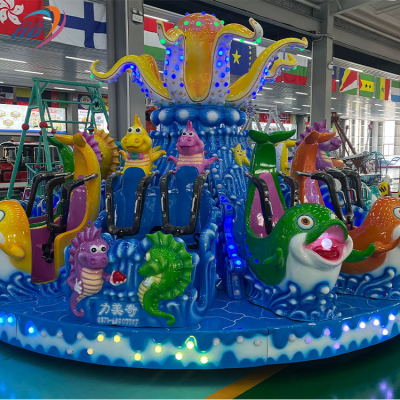
Amusement Children Coin Operated Kiddie Rides Submarine Kiddy Ride Machine
$650.00 - $760.00
MOQ: 1 set


Amusement Games Propeller Big Plane Coin Operated Kids Super Plane Ride Kiddie Ride
$400.00 - $850.00
MOQ: 1 set
Henan Angel Dream Industrial Development Group
- Verified by TüVRheinland
- Manufacturer, Trading Company
- Lead time15 days
- Avg. response≤ 2h
Main productsCarousel, Ferris Wheel, Pirate Ship, Tourist Train, Bumper Car
Main marketsMid East(35%), Southeast Asia(26%), South America(19%)

Zhengzhou Ruina Amusement Equipment Co., Ltd.
- Manufacturer/Factory
- China Henan
- Lead time23 days
- Avg. response≤ 1h
Main productsAmusement Attraction Equipment, Inflatable Bouncy Castle, Carousel Rides, Mechanical Amusement Equipment, Bumper Car, Inflatable Water Park, Electric Train, Inflatable Slide, Indoor Outdoor Playground, Water Bumper Boat/Water Bike
Main marketsSouth America,Eastern Europe,Mid East,North America,Southeast Asia,Eastern Asia,Oceania,Western Europe,Africa


Mini Kids Plane Self Control Amusement Kiddie Park Ride Airplane Ride
$8000.00 - $18569.00
MOQ: 1 Pieces

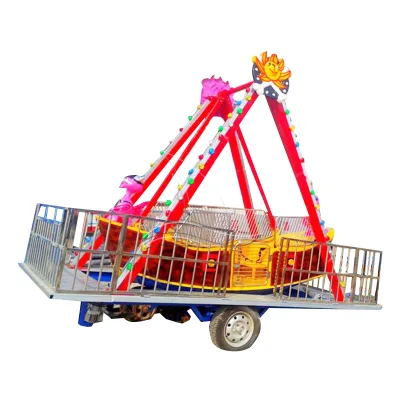
Commerical Combo Kiddie Ride Non Power Amusement Park Small Pendulum Ship Ride
$500.00 - $4000.00
MOQ: 1 Sets

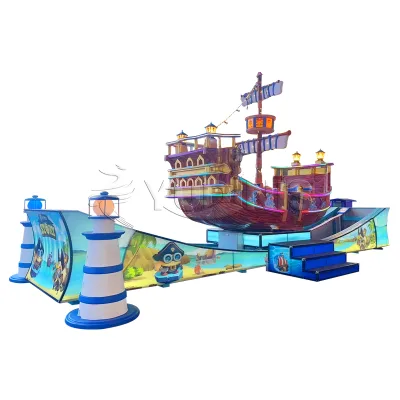
Factory Mini Amusement Park Attraction Small Pirate Ship Ride for Children
$3523.00 - $9768.00
MOQ: 1 Sets

China Attraction Kids Childrenoutdoor Playground Pirate Ship Ride Without Electric Power
$500.00 - $4000.00
MOQ: 1 Sets

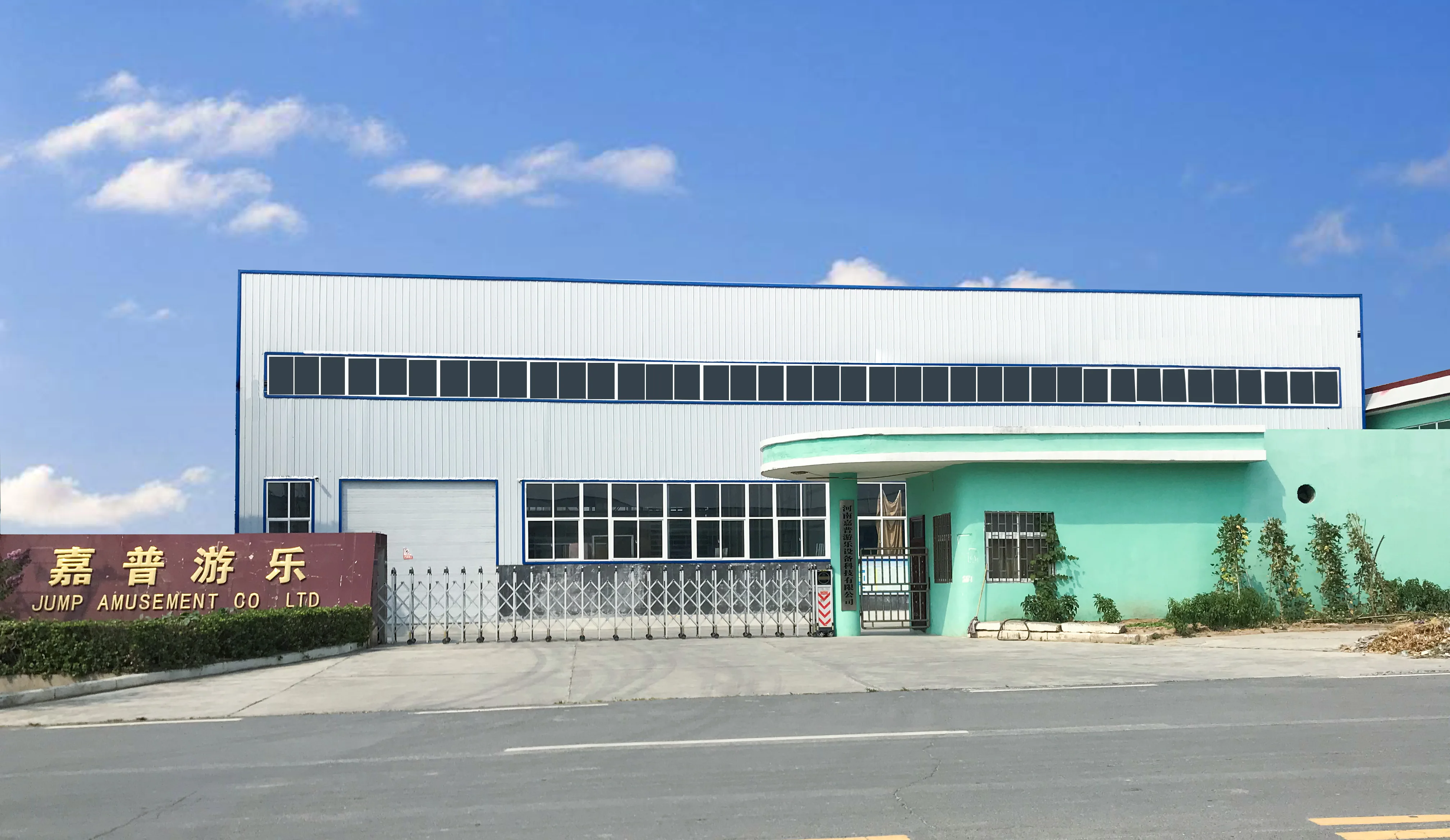
Zhengzhou Bigjoys Amusement Co.,Ltd
- Manufacturer, Trading Company
- Henan, China
- Lead time10 days
- Avg. response≤ 3h
Main productsTrampoline park/Indoor Playground,Mechanical rides(Carousel/Flying Chair/Electric Train),Inflatable products,Thrill rides,Naughty Castle
Main marketsDomestic Market(20.00%), North America(20.00%), South America(10.00%), Eastern Europe(10.00%), Oceania(6.00%), Western Europe(6.00%), Africa(5.00%), Southeast Asia(5.00%), Northern Europe(5.00%), Mid East(4.00%), Southern Europe(3.00%), Eastern Asia(2.00%), South Asia(2.00%), Central America(2.00%)
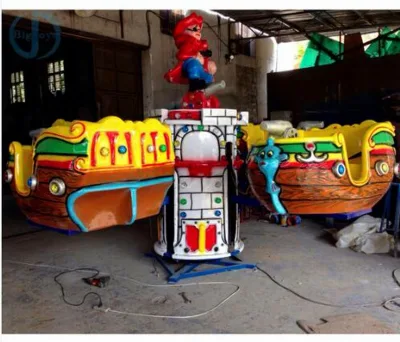
Game Equipment Kiddie Rides Kids Amusement Rides 4 Seats Mini Pirate Ship
$3065.88 - $10219.60
MOQ: 1 Minimum
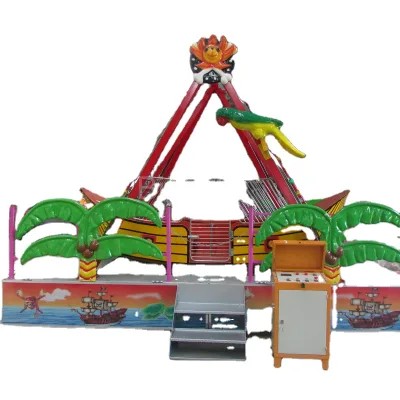
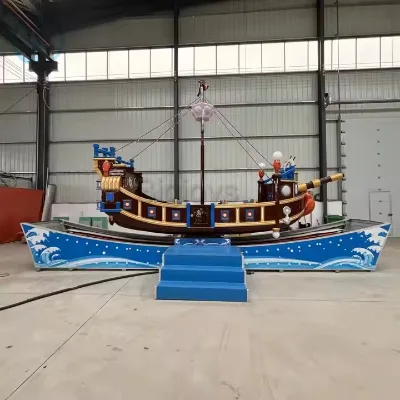
The New Entertainment Park Rides Rotary Flying Pirate Ship Rides Foe Children and Adult
$8249.30 - $10311.62
MOQ: 1 Minimum
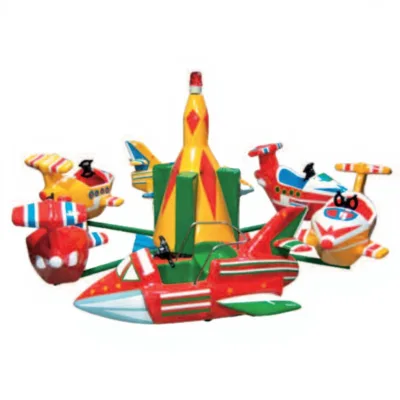
High Quality Kids Flying Plane Kiddie Rides Shopping Mall Rides Amusement Park Rides for Sale
$8136.61 - $20341.53
MOQ: 1 Minimum
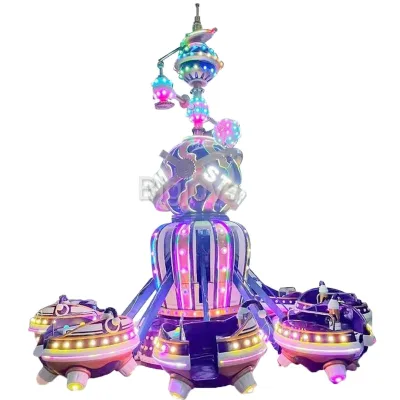
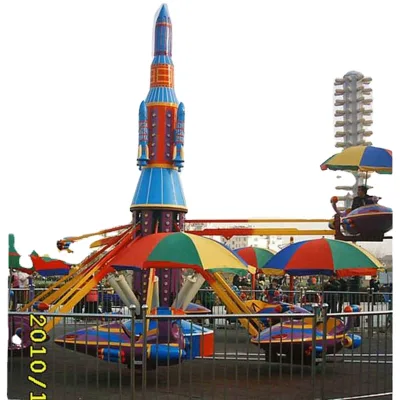
Most Popular Amusement Park Rides Kids Rotary Playing Airplane Rides
$2000.00 - $20000.00
MOQ: 1 Minimum

Guangzhou Hansel Electronic Technology Co., Ltd.
- Verified by BV
- Combined
- China Guangdong
- Lead time23 days
- Avg. response≤ 9h
Main productsWalking Animal Rides, Animal Scooters in Mall, Plush Motorized Animals, Amusement Prince Motorbike, Amusement Motorcycle Electric, Amusement Rides, Kiddy Ride Machines, Tourist Train Rides, Kids Bumper Car, Trackless Train
Main marketsSouth America,Southeast Asia/ Mideast,Europe,North America
Henan Dinisi Entertainment Technology Co., Ltd.
- Verified by Intertek
- Manufacturer, Trading Company
- Lead time30 days
- Avg. response≤ 3h
Main productsTrackless Train, Carousel, Flying Chair, Pirate Ship, Bumper Cars
Main marketsDomestic Market(72%), Africa(9%), North America(3%)

Zhengzhou Bigjoys Amusement Equipment Co., Ltd.
- Trading Company,Manufacturer/Factory
- China Henan
- Lead time23 days
- Avg. response≤ 9h
Main productsTrampoline Park/Indoor Playground, Inflatable Bouncy Castle, Inflatable Water Park, Inflatable Slide, Park Rides/Carousel, Thrill Park Rides, Family Rides, Roller Coaster, Bungee Trampoline, Ferris Wheel
Main marketsSouth America,Eastern Europe,Mid East,North America,Southeast Asia,Eastern Asia,Oceania,Western Europe,Africa


Commercial Cheap Pirate Ship Rides Children Amusement Park Equipment
$12000.00 - $15000.00
MOQ: 1 Pieces


Kids Mechanical Games Portable Park Ride Shopping Mall Swing Mini Pirate Ship
$4000.00 - $5600.00
MOQ: 1 Pieces

Guangzhou Xiao Tong Yao Amusement Equipment Co., Ltd.
- Verified by TUVRHEINLAND
- Combined
- China Guangdong
- Lead time15 days
- Avg. response≤ 3h
Main productsAmusement Equipment, Game Machine, Arcade Machine, Outdoor Amusement, Indoor Playground, Amusement Car, Kiddie Rides, Rolling Car, Happy Car, Le Bar Car
Main marketsSoutheast Asia/ Mideast,Domestic,North America

Kiddie Rides Fiberglass Luxury Pirate Ship Kiddy Rides with Game Screen for Game Zone
$700.00 - $900.00
MOQ: 1 Pieces

Kiddie Rides Amusement Park 8 Seat Rotary and Lifting Jet Plane Kids Rides for Sale
$2200.00 - $2500.00
MOQ: 1 Pieces

Henan Wobeiqi International Trading Co., Ltd.
- Verified by SGS Group
- Manufacturer, Trading Company
- Lead time15 days
- Avg. response≤ 1h
Main products4 Seats Unicorn, Princess Car, New Mech aircraft

Zhengzhou Cheery Amusement Equipment Co.,Ltd
- Verified by BV
- Trading Company
- China Henan
- Lead time23 days
- Avg. response≤ 7h
Main productsAmusement Ride, Carousel, Pirate Ship, Train Rides, Flying Chair Rides, Amusement Park Plane, Rainbow Slide, Zip Line, Sky Bike
Main marketsSouth America,Southeast Asia/ Mideast,North America


New Design Playground Self Control Plane Ride for Children Park Amusement Ride
$14000.00
MOQ: 1 Pieces

Outdoor Indoor Playground Theme Park Amusement Ride Self Control Plane Airplane Ride
$14000.00
MOQ: 1 Pieces

Attraction Kids Play Ground Equipment Cheap Amusement Self Control Plane Fun Ride
$11000.00
MOQ: 1 Pieces

High Quality Playground Amusement Park Carnival Rides Mini Pirate Ship for Sale
$7650.00
MOQ: 1 Pieces

Henan Baolu Amusement Equipment Co., Ltd.
- Verified by BV
- Combined
- China Henan
- Lead time15 days
- Avg. response≤ 11h
Main productsBumper Car, Selfcontrol Plane, Flying Chair, Amusement Park Rides, Carousel, Pirate Ship, Disco Tagada, Swing Pendulum, Ferris Wheel, Shark Sliding Train
Main marketsSouth America
Henan Dinis Entertainment Equipment Co., Ltd.
- Verified by Intertek
- Manufacturer, Trading Company
- Lead time18 days
- Avg. response≤ 4h
Main productsCarousel, Flying Chair, Bumper Car, Trackless Train, Pirate Ship

Guangdong Dapeng Amusement Technology Co., Ltd.
- Verified by TUVRHEINLAND
- Combined
- China Guangdong
- Lead time23 days
- Avg. response≤ 3h
Main productsWater Park Equipment, Swimming Pool Equipment, Outdoor Playground
Main marketsSouth America,Africa,Southeast Asia/ Mideast,East Asia(Japan/ South Korea),Domestic,Europe,Australia,North America


Commercial Adventure Park Water Playground Amusement Rides Funny Plastic Slide
$8999.00 - $12999.00
MOQ: 1 sets
Zhengzhou Wanle Amusement Equipment Co., Ltd.
- Manufacturer, Trading Company
- Henan, China
- Lead time30 days
- Avg. response≤ 16h
Main productsAmusement Rides (Except Large Amusement Equipment)
Main marketsDomestic Market(100.00%)
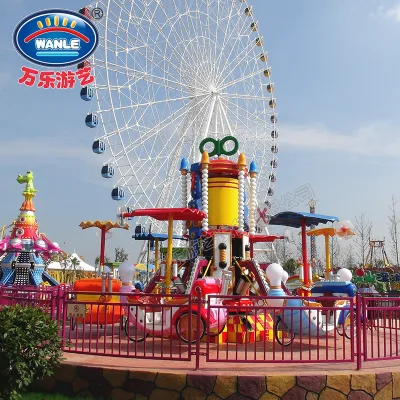
$31746.31 - $35842.61
MOQ: 1 sets
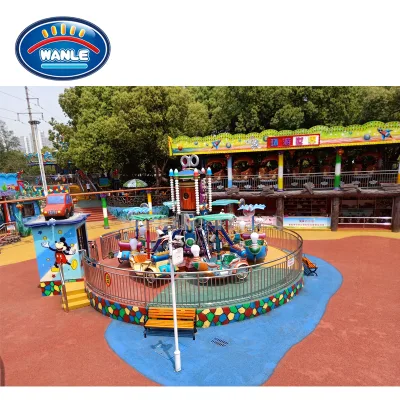
Amusement Park Self-Lifting Aircraft Ride for Children with Joystick and Music Functions
$31000.00 - $35000.00
MOQ: 1 sets
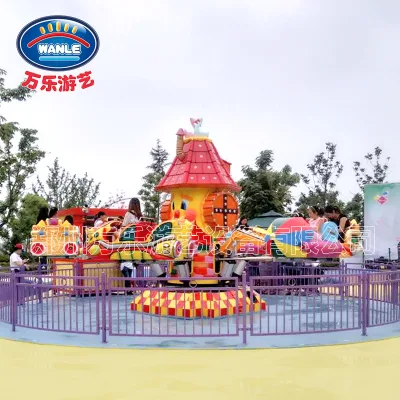
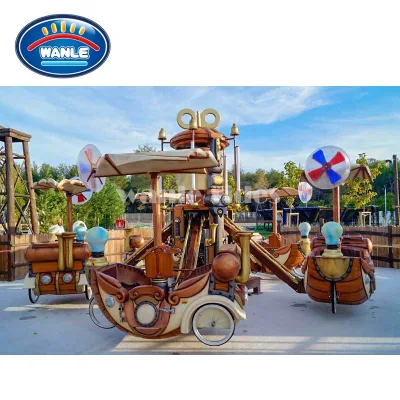
Funfair Rides for Sale Amazing Outdoor Amusement Park Self-Control Plane Rides
$36000.00 - $40000.00
Zhengzhou Ali Brothers Import & Export Co., Ltd
- Trading Company
- henan, China
- Lead time30 days
- Avg. response≤ 4h
Main productsAmusement Equipment,big pendulum,flying chair,pirate ship,carousel horse
Main marketsMid East(40.00%), South America(20.00%), Africa(20.00%), South Asia(10.00%), Southeast Asia(10.00%)
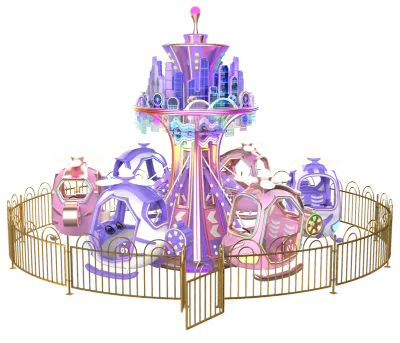
Attractive Equipment Kiddie Ride 6 Arm 12seats Amusement Self Control Plane for Sale
$13988.43
MOQ: 1 Minimum
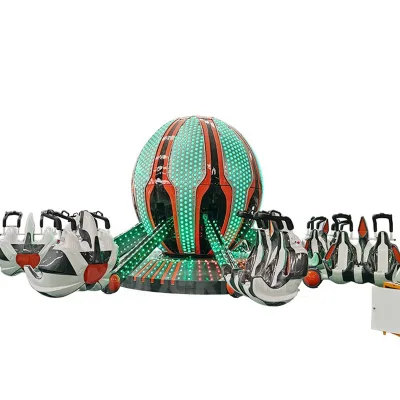
High Quality Double Self-Control Plane Ride for Kids for Playground & Amusement Parks
$20723.60
MOQ: 1 Minimum
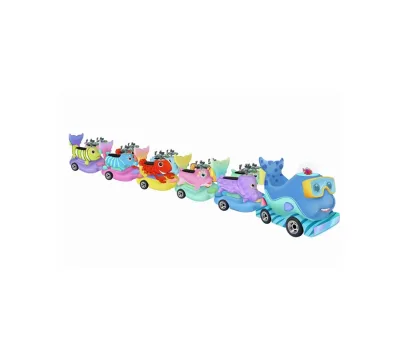

Guangzhou Smart Sports Equipment Co., Ltd.
- Verified by SGS
- Trading Company
- China Guangdong
- Lead time30 days
- Avg. response≤ 4h
Main productsIndoor Playground, Outdoor Playground, Slide, Trampoline, Water Park Equipment, Climbing Equipment, Water Park Slide, Kindergarten Furniture, Toys, Kids Playground
Main marketsDomestic

Pirate Ship Theme Kid's Amusement Entertainment Outdoor Playground Equipment Slide
$1800.00 - $4200.00
MOQ: 1 Sets


Ocean-Themed Indoor Playground Large-Scale Ocean-Themed Amusement Rides Customized Indoor Playground
$95.00 - $150.00
MOQ: 1 Square Meters
Zhengzhou Longbo Machinery Equipment Co., Ltd.
- Trading Company
- Henan, China
- Lead time15 days
- Avg. response≤ 4h
Main productsAmusement rides,Bumper cars,tourist sightseeing cars,electric car,electric minibus
Main marketsSouth America(60.00%), North America(15.00%), Central America(10.00%), Africa(5.00%), South Asia(2.00%), Southeast Asia(2.00%), Oceania(1.00%), Northern Europe(1.00%), Eastern Asia(1.00%), Mid East(1.00%), Eastern Europe(0.50%), Southern Europe(0.50%), Western Europe(0.50%)

Huadong Entertainment Equipment Co., Ltd.
- Verified by TUVRHEINLAND
- Combined
- China Zhejiang
- Lead time15 days
- Avg. response≤ 9h
Main productsPlayground, Kids Playground, Plastic Toys, Indoor Playground, Outdoor Playground, Fitness Equipment, Bumper Car, Amusement Park Equipment, Playground Slide, Slide
Main marketsAustralia

Guangdong Family of Childhood Industrial Co., Ltd.
- Manufacturer
- China Guangdong
- Lead time0 days
- Avg. response≤ 9h
Main productsPlayground, Indoor Playground Equipment, Outdoor Playground, Trampoline Park, Water Park, Playground Equipment, Amusement Theme Park Equipment, Preschool Facility Equipment, Indoor Soft Play, Kids Table and Chair

- Verified by TUVRHEINLAND
- Combined
- China Zhejiang
- Lead time30 days
- Avg. response≤ 2h
Main productsIndoor Playground, Children Playground, Kids Playground, Soft Playground, Outdoor Playground, Soft Play, Playground Slide, Outdoor Play Equipment, Amusement Playground, Play Equipment
Main marketsOthers(foreignTradeCapacity.exportBusinessCapacityMarketOther),Domestic


Amusement Rides for Sale Child Toy
MOQ: 1 Sets
Zhengzhou Great Amusement Rides Co., Ltd.
- Verified by Intertek
- Trading Company
- Lead time30 days
- Avg. response≤ 2h
Main productsLeisure Boat, Speed Boat, Fishing Boat, Houseboat, Passenger boat
Main marketsDomestic Market(50%), North America(15%), Southeast Asia(15%)
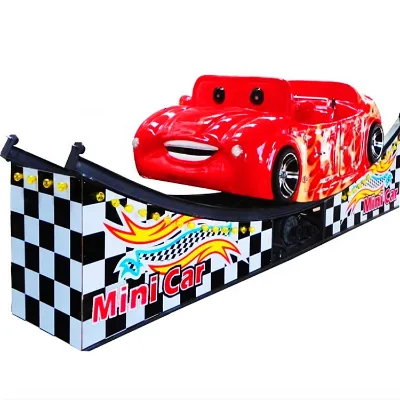
$6118.15 - $7136.99
MOQ: 1 sets
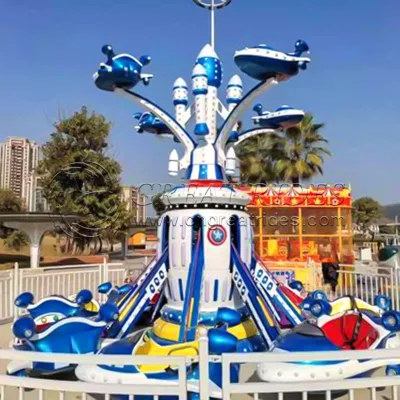
Commerical Amusement Park Rides New Design Kids Outdoor Playground Rotating Airplane Plane Rides
$10197.59 - $20396.20
MOQ: 1 Minimum

- Verified by TUVRHEINLAND
- Combined
- China Zhejiang
- Lead time15 days
- Avg. response≤ 22h
Main productsPlayground, Outdoor Playground Equipment, Indoor Playground Equipment, Outdoor Playground, Indoor Playground, Toy, PE Playground, Tables and Chairs, Fitness Equipmet, Physical and Climber
Main marketsEast Asia(Japan/ South Korea)


2020 Space Ship Series Outdoor Children Playground Equipment (SP-07901)
$9435.00 - $15096.00
MOQ: 1 Pieces

Space Ship Series of Children's Outdoor Playground Equipment (SPII-07401)
$13832.50 - $13932.50
MOQ: 1 Sets


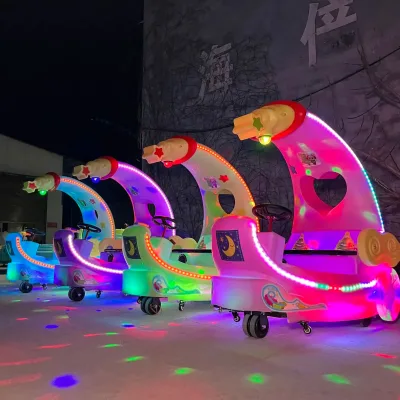
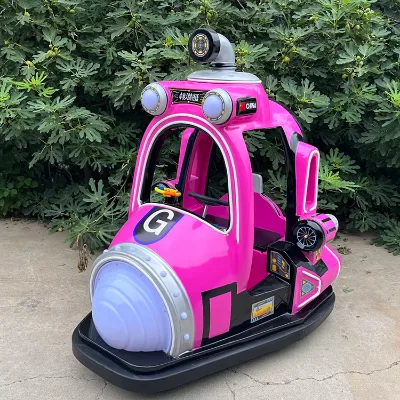


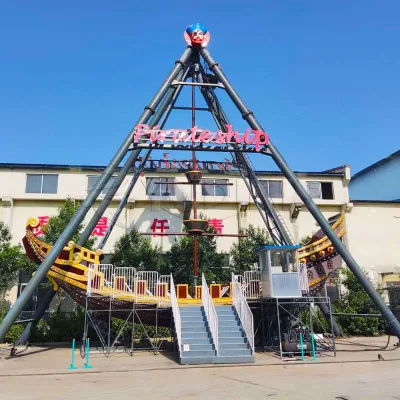
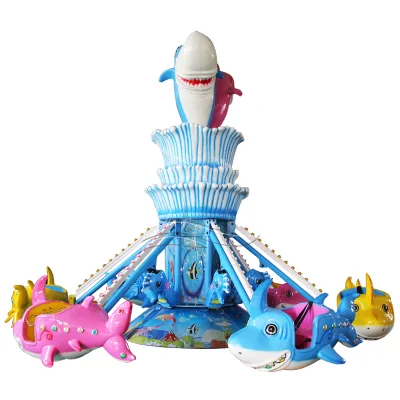


Comprehensive Sourcing Guide
Submarine Plastic Kiddie Ride Supplier Concentration and Factory Types
The current supplier landscape for submarine plastic kiddie rides shows a distinct concentration in China, specifically within the Guangdong province. This region hosts a mix of combined entities that function as both manufacturers and trading companies, offering diverse capabilities from original design manufacturing to own-brand production. Some suppliers in this cluster also list extensive main products including racing game machines, boxing machines, and various arcade game machines alongside their amusement rides. This concentration suggests a mature supply chain where specialized components for fiberglass and plastic rides are readily available, potentially reducing lead times for complex customizations.
When evaluating factory types, buyers should note that the available data indicates a mix of pure manufacturers and trading companies. Some entities possess specific R&D capacities for sample processing and graphic customization, while others focus on combined operations. It is critical to distinguish between a supplier that merely resells products and one that controls the production line, as this impacts quality control and customization flexibility. The presence of companies with "Combined" company types suggests they may offer broader product ranges, but buyers must verify if the specific submarine ride is manufactured in-house or sourced from a third party to ensure consistent quality standards for the final product.
How to Verify Submarine Plastic Kiddie Ride Suppliers
Verification of suppliers in this category relies heavily on third-party audit reports and specific system certifications rather than general claims. Current data points to suppliers holding SGS verification status, while others may hold TÜV Rheinland verification, indicating a rigorous external assessment of their business operations. Buyers should look for these specific verification badges as a primary indicator of legitimacy. Additionally, system certifications such as ISO 9001, CPC, and CE are critical markers for operational standards and product safety compliance. The absence of these certifications in a supplier's profile should trigger a request for documentation before proceeding with any order, as they validate the supplier's adherence to international quality management systems.
Beyond verification badges, buyers must scrutinize the specific product certifications listed for the submarine rides themselves. Evidence shows that compliant units often carry RoHS and CE certifications, which are essential for market entry in many regions. These certifications confirm that the materials used, such as fiberglass and plastic, meet safety and environmental standards. Buyers should request the actual test reports associated with these certifications to ensure they are current and applicable to the specific model being purchased. Relying solely on a supplier's claim of compliance without verifying the supporting documentation exposes the buyer to significant regulatory and safety risks, particularly for equipment intended for children.
What to Compare Across Submarine Plastic Kiddie Ride Suppliers
When comparing suppliers, response time is a key metric for assessing operational efficiency and communication reliability. Data indicates response times can vary, with some suppliers showing a response time of approximately 2.94 hours, while others demonstrate a faster 2-hour turnaround. A quicker response time often correlates with better customer service and a more agile supply chain, which is vital when addressing technical queries or custom design requests. Buyers should prioritize suppliers who consistently demonstrate rapid response capabilities, as this often reflects a well-staffed sales team and an organized internal workflow that can handle inquiries promptly.
Lead time and minimum order quantity (MOQ) are equally critical factors in the comparison process. Current observations reveal lead times of around 15 days for certain products, though this can vary based on customization needs. The MOQ for these rides is often as low as one set, which is advantageous for small businesses or testing new markets. However, buyers must compare these figures against the supplier's stated capacity for R&D and customization. Some suppliers offer ODM and own-brand capabilities, while others focus on sample processing. Understanding the balance between a low MOQ and a short lead time helps buyers determine which supplier can best meet their specific volume requirements and timeline constraints without compromising on production quality.
Common Submarine Plastic Kiddie Ride Sourcing Risks
One significant risk involves the discrepancy between advertised customization options and actual production capabilities. While some product listings indicate that customization is available, other attributes within the same listing may state "Non-Customized," creating confusion about the supplier's true flexibility. Buyers must carefully cross-reference product attributes to ensure the specific model they intend to order can actually be modified to their specifications. Relying on a general "Available" tag without confirming the specific technical constraints can lead to delays or the delivery of a product that does not meet the buyer's unique design requirements, potentially resulting in financial loss and inventory issues.
Another major risk pertains to the safety and durability of the materials used in the construction of the rides. The product evidence highlights materials such as fiberglass, metal, and steel, but the specific quality grades are not always detailed in the initial listing. Variations in material thickness or the quality of the fiberglass resin can significantly impact the ride's lifespan and safety, especially for high-traffic commercial environments. Buyers should verify the specific material specifications and request samples or detailed technical sheets to ensure the product can withstand the intended usage conditions. Failure to verify these material standards can lead to premature wear, safety hazards, and potential liability issues for the buyer.
Submarine Plastic Kiddie Ride Regional Sourcing and Logistics
Geographic location plays a pivotal role in determining shipping costs and delivery timelines for these heavy amusement rides. The primary sourcing hub identified is Guangdong, China, which is a major manufacturing center for this equipment. However, some product evidence indicates origins in Henan, China, suggesting that buyers may encounter suppliers from different regions with varying logistical advantages. Understanding the specific origin of the product is essential for calculating accurate freight costs, as shipping from different provinces can result in different port access and transit times. Buyers should always confirm the exact place of origin before finalizing an order to avoid unexpected logistics expenses.
Logistics planning must also account for the physical dimensions and weight of the submarine rides, which can be substantial. Product attributes show weights ranging from 150kg to over 500kg, with dimensions that can exceed 1.5 meters in length and height. These specifications necessitate careful packaging, often involving bubble packs, strong wood frames, and stretch films to prevent damage during transit. Buyers should verify the packaging standards with the supplier to ensure the product arrives in pristine condition. Additionally, the single package size can impact container loading efficiency, so understanding the exact dimensions is crucial for optimizing shipping costs and ensuring the equipment fits within standard transport containers.
Submarine Plastic Kiddie Ride Commercial Terms and Order Planning
Commercial terms regarding payment and pricing are fundamental to successful order planning in this sector. Price ranges for these rides can vary significantly, with some models listed between $298 and $3100, while others range from $650 to $760, and larger amusement equipment can reach $11,999. Buyers must compare these price points against the specific features, materials, and certifications included in each model. It is also vital to understand the payment structure, which often involves a deposit, such as 40%, with the balance paid before delivery. This structure requires careful cash flow planning to ensure funds are available when the shipment is ready for dispatch.
Order planning must also consider the warranty and after-sales support provided by the supplier. Most evidence points to a standard one-year warranty, which covers defects in materials and workmanship. However, the specific terms of this warranty, including what is excluded and the process for claiming repairs, should be clearly defined in the contract. Buyers should also verify the supplier's capacity for handling spare parts and technical support, especially for complex electronic components like screens and motors. Ensuring that the supplier can provide timely support after the initial sale is crucial for maintaining the operational uptime of the amusement rides in the buyer's facility.
FAQs
What is the price range for a Submarine Plastic Kiddie Ride?
The price range for a Submarine Plastic Kiddie Ride typically falls between $350 and $760 per unit. Specific models like the EP-K248 Didi Submarine are priced between $350 and $500, while the EP-K202 Submarine Swing Car ranges from $650 to $760. These prices reflect standard configurations and may vary based on customization options or bulk order quantities.
What certifications do these rides have?
Most submarine plastic kiddie rides listed carry RoHS and CE certifications, ensuring compliance with safety and environmental standards. These certifications are standard across various models, including the EP-Space Ship and EP-K202 Submarine Swing Car. Buyers should verify specific documentation for each unit to confirm adherence to regional regulatory requirements before purchase.
What is the minimum order quantity for these rides?
The minimum order quantity for these rides is generally one set or unit. Suppliers indicate an MOQ of 1 for models such as the EP-K202 Submarine Swing Car and the EP-K248 Didi Submarine. This low threshold allows buyers to test market demand or purchase single units for small-scale amusement parks or indoor play areas.
Where are these rides manufactured?
These rides are primarily manufactured in Guangdong, China, with some production also occurring in Henan, China. Suppliers in Guangdong specialize in combined manufacturing and trading, offering ODM and own-brand capabilities. Buyers should check the specific place of origin listed for each product model to ensure alignment with logistics and sourcing preferences.
What is the typical lead time for delivery?
The typical lead time for delivery is approximately 15 days. This timeframe applies to standard production cycles for models like the EP-Space Ship and other kiddie rides. Buyers should confirm exact lead times with suppliers, as customizations or high-volume orders may extend the production schedule beyond the standard period.
What is the warranty period for these rides?
The standard warranty period for these rides is one year. This warranty covers models such as the EP-Space Ship and the EP-K202 Submarine Swing Car. Buyers should review the specific warranty terms provided by the supplier, including coverage details for parts and labor, to ensure adequate protection for their investment.