Capsule Toy Vending Machine Suppliers and Manufacturers
Explore 11 verified suppliers offering capsule toy vending machines with varying lead times, certifications, and response speeds. Buyers can compare locations in China Guangdong, product specifications like power and weight, and pricing ranges to select the right factory for their needs.
Suppliers List

Guangzhou Yifeng Technology Co., Ltd.
- Verified by BV
- Combined
- China Guangdong
- Lead time15 days
- Avg. response≤ 7h
Main productsEgg Twisting Machine, Cotton Xandy Machine, Claw Machine, Shooting Game Machine, Racing Game Machine, Vr Game Machine, Gift Game Machine, Coin Pusher Machine, Coin Machine
Main marketsDomestic


Capsule Toy Vending Machine. Capsule Vending Machine. Entertainment Game Console
$480.00 - $550.00
MOQ: 1 Pieces

Candy Vending Machine. Capsule Toy Vending Machine Entertainment Game Machine
$360.00 - $420.00
MOQ: 10 Pieces


Guangzhou Movie Power Technology Co., Ltd
- Verified by BV
- Combined
- China Guangdong
- Lead time15 days
- Avg. response≤ 3h
Main productsVr Simulator, Vr Equipment, Vr Game Machine, Vr Arcade Machine, Vr Machine, Naked-Eye 3D Flying Cinema, Arcade Game Machine, Dome Flying Cinema, 5D/9d Cinema, Vr Game Simulator
Main marketsSouth America,Africa,Others(foreignTradeCapacity.exportBusinessCapacityMarketOther),Southeast Asia/ Mideast,East Asia(Japan/ South Korea),Europe,Australia,North America

Guangzhou Zhongda Smart Technology Co., Ltd.
- Verified by TUVRHEINLAND
- Combined
- China Guangdong
- Lead time15 days
- Avg. response≤ 3h
Main productsVending Machines, Vape Vending Machines, Snack and Drink Vending Machine, Eyelash Vending Machine, Hair Vending Machine, Fingernail Vending Machine, Snack Vending Machine, Food Vending Machine
Main marketsSouth America,Africa,Southeast Asia/ Mideast,East Asia(Japan/ South Korea),Domestic,Europe,Australia,North America

Guangzhou Ama Amusement Equipment Co, . Ltd
- Verified by SGS
- Combined
- China Guangdong
- Lead time30 days
- Avg. response≤ 7h
Main productsCoin Operated Game Meachine, Toy Crane Machine, Swing Machine, Kiddie Ride, Cotton Candy Machine, Kiddy Ride, Amusement Game, Prize Game, Soft Play, Arcade Game Machine
Main marketsSouth America,Africa,Southeast Asia/ Mideast,East Asia(Japan/ South Korea),Europe,Australia,North America

Ama Coin Operated Capsule Vending Toys Machine Plastic Toy Capsule Vending Machine
$280.00 - $380.00
MOQ: 1 Sets

Ama ABS Metal 45kg Weight Large Capsule Electronic Toy Vending Machine Capsule Toy Vending Machine
$580.66 - $666.66
MOQ: 1 Sets

Ama Amusement Coin Operated Capsule Toy Capsule Toy Vending Machine for Kids
$290.00 - $305.00
MOQ: 1 Pieces

100mm Capsule Selling Toys Machine Lucky Drop Interactive Capsule Toys Vending Machine
$450.00 - $599.00
MOQ: 1 Pieces

Ama Coin Operated Capsule Toy Vending Machine Capsule Ball Egg Capsule Vending Machine
$2400.00 - $2680.00
MOQ: 1 Sets

Luxury Coin Operated Capsule Toy Vending Machine Capsule Ball Egg Capsule Vending Machine
$2450.00 - $2600.00
MOQ: 1 Pieces

Guangzhou Yuehong Electronics Co., Ltd.
- Verified by SGS
- Trading Company,Manufacturer/Factory
- China Guangdong
- Lead time0 days
- Avg. response≤ 25h
Main productsAmusement Equipment, Arcade Game Machine, Vending Game Machine, Vr Simulator

Guangzhou EPARK Electronic Technology Co., Ltd.
- Verified by SGS
- Combined
- China Guangdong
- Lead time15 days
- Avg. response≤ 3h
Main products9d Vr, Racing Game Machines, Boxing Machine, Kids Game Machine, Claw Machine, Arcade Game Machine, Vr Simulator Series, Kiddie Ride, Basketball Game Machine, Amusement Game Machine
Main marketsSouth America,Africa,Southeast Asia/ Mideast


Coin Operated Double Layer Capsule Toy Machine Capsule Toy Vending Machine
$700.00 - $1500.00
MOQ: 1 set


Children's Toys Capsule Rocket Capsule Machine Coin Operated Vending Machine
$600.00 - $800.00
MOQ: 1 set

- Trading Company
- China Shanghai
- Lead time30 days
- Avg. response≤ 9h
Main productsVending Machine, Gumball Machine, Kiddie Rides, Toy Crane, Game Machine, Toy Capsules, Shoe Polishing Machine, Ice Cream Machine, Amusement Machine, Coin Acceptor
Main marketsSouth America,East Asia(Japan/ South Korea),Europe,Australia,North America


C2170 - Puppies Capsule Toys for Toy Vending Machines (2 inch)
MOQ: 6000 Pieces
Shanghai Auk Machinery Co., Ltd.
- Combined
- China Shanghai
- Lead time23 days
- Avg. response≤ 5h
Main productsGumball Vending Machine, Candy Vending Machine, Toy Vending Machine
Main marketsSouth America,Others(foreignTradeCapacity.exportBusinessCapacityMarketOther)

Guangzhou Dinibao Animation Technology Co., Ltd.
- Verified by SGS
- Combined
- China Guangdong
- Lead time15 days
- Avg. response≤ 2h
Main productsRacing Arcade Machine, Motorcycle Arcade Machine, Shooting Arcade Machine, Arcade Ticket Machine, Arcade Prize Machine, Gashapon/Vending Machine, Kids Arcade Machine, Arcade Air Hockey Table, Carousel/Kiddie Ride/Kid Train, Basketball Arcade Machine
Main marketsSouth America,Southeast Asia/ Mideast,Europe,Australia,North America


CE Certified Capsule Machine Toy Candy Vending Machine Coin Operated Game Machine
$180.00 - $250.00
MOQ: 1 Pieces

Ka King Coin Operated Capsule Toy Vending Machine Gachapon Machine for Mall
$799.00 - $899.00
MOQ: 1 Pieces

Guangzhou Xiao Tong Yao Amusement Equipment Co., Ltd.
- Verified by TUVRHEINLAND
- Combined
- China Guangdong
- Lead time15 days
- Avg. response≤ 3h
Main productsAmusement Equipment, Game Machine, Arcade Machine, Outdoor Amusement, Indoor Playground, Amusement Car, Kiddie Rides, Rolling Car, Happy Car, Le Bar Car
Main marketsSoutheast Asia/ Mideast,Domestic,North America


Popular Design Capsule Vending Machine Prizes Toy Game Machine for Sale
$810.00 - $880.00
MOQ: 9 Pieces

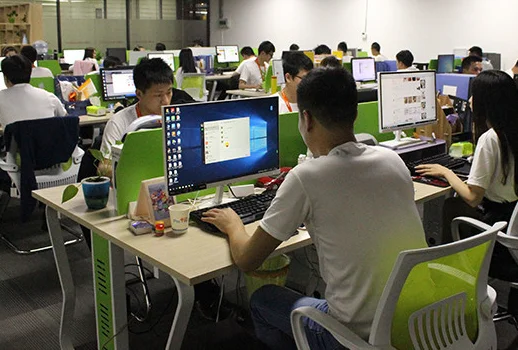
Guangzhou Yuanyi Creative Culture Co., Ltd.
- Trading Company, Buying Office, Distributor/Wholesaler
- Guangdong, China
- Lead time7 days
- Avg. response≤ 3h
Main productsvending machine,game machines,electronic product,spare part
Main marketsDomestic Market(36.00%), North America(15.00%), South America(10.00%), Eastern Asia(5.00%), Eastern Europe(5.00%), South Asia(5.00%), Western Europe(5.00%), Southeast Asia(5.00%), Northern Europe(3.00%), Southern Europe(3.00%), Africa(3.00%), Central America(2.00%), Oceania(2.00%), Mid East(1.00%)


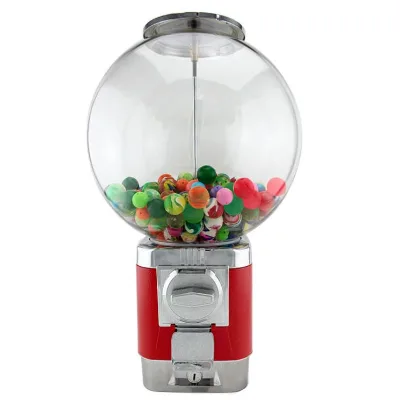
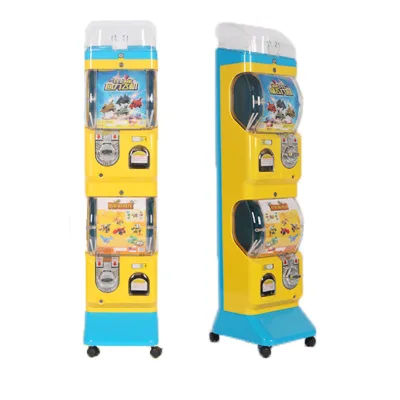
Comprehensive Sourcing Guide
Capsule Toy Vending Machine Supplier Concentration and Factory Types
The available data indicates a significant concentration of manufacturing activity in China, specifically within the Guangdong province, which serves as a primary hub for this equipment category. Factories in this region often operate as combined entities, offering both Original Design Manufacturing and Original Equipment Manufacturing capabilities alongside their own branded product lines. This structural flexibility allows suppliers to adapt quickly to specific buyer requirements while maintaining established production workflows for standard models. The presence of diverse product lines, ranging from standard capsule dispensers to complex VR simulators and claw machines, suggests that many facilities possess multi-line production capabilities rather than specializing in a single narrow niche.
When evaluating the factory type, buyers should look for evidence of combined operational models that support both OEM and ODM services. Some suppliers explicitly list capabilities for custom branding and design modifications, while others focus on non-customized, ready-to-ship inventory. The distinction is critical because a factory offering only non-customized goods may lack the engineering resources for bespoke modifications. Buyers must verify if the facility holds specific system certifications like ISO9001:2015 or ISO14001:2015, as these indicate a structured approach to quality and environmental management. Without explicit confirmation of these credentials, the buyer should assume the facility operates under standard industry practices without formalized international quality oversight.
How to Verify Capsule Toy Vending Machine Suppliers
Verification of supplier credibility relies heavily on third-party audit reports and specific platform verification badges rather than self-reported claims. The current dataset shows that some suppliers hold BV verification status, while others display TUVRHEINLAND certification, indicating distinct levels of external scrutiny. Buyers must treat these badges as the primary evidence of a supplier's operational legitimacy and financial stability. It is essential to confirm that the verification covers the specific entity offering the capsule toy vending machines, as corporate structures can sometimes separate sales teams from manufacturing units. A lack of visible verification badges does not necessarily imply a lack of quality, but it does require the buyer to conduct more rigorous due diligence before proceeding.
Beyond verification badges, buyers should scrutinize the response time metrics provided in supplier profiles to gauge communication reliability. Data points show response times varying significantly, with some suppliers responding within 2.32 hours and others taking up to 6.53 hours. A faster response time often correlates with a more active sales team and better project management capabilities, which is crucial for resolving technical queries regarding machine specifications. Buyers should also check for the presence of specific product attributes like CE, CCC, or ISO certifications on individual machine listings. If a supplier claims compliance but the product data lacks these specific tags, the buyer must request formal documentation before placing an order to ensure the equipment meets safety standards for the target market.
What to Compare Across Capsule Toy Vending Machine Suppliers
Comparing suppliers requires a systematic analysis of lead times, minimum order quantities, and pricing structures to ensure alignment with project timelines and budget constraints. The observed data reveals a wide range in lead times, with some facilities offering a standard 15-day turnaround, while others may have different schedules based on customization levels. Minimum order quantities also vary, with some listings accepting orders as low as one unit, while others enforce a minimum of ten units. Buyers must calculate the total cost of ownership by factoring in these MOQs, as a lower unit price might be offset by the need to purchase excess inventory to meet the supplier's threshold.
Pricing comparisons must also account for the specific configuration of the machine, including power consumption, motor power, and physical dimensions. Listings show price ranges from approximately 160 to 780 units of currency, depending on the model complexity and features like coin operation or specific packaging requirements. A supplier offering a lower price might use different materials or omit certain safety features, so buyers should compare the detailed product attributes such as voltage, weight, and packing standards. Additionally, the availability of customization options should be weighed against the cost; some suppliers offer full customization while others only provide non-customized standard models. Buyers should prioritize suppliers who clearly define these attributes to avoid hidden costs or unexpected modifications later in the process.
Common Capsule Toy Vending Machine Sourcing Risks
One significant risk in sourcing this category involves the discrepancy between advertised specifications and actual product performance, particularly regarding power ratings and motor capabilities. The data shows variations in motor power descriptions, with some listings citing 120W while others mention 120V or 250W, creating potential confusion about electrical compatibility. Buyers must verify the exact voltage and power consumption requirements against their local grid standards to prevent equipment failure or safety hazards. Another risk is the inconsistency in certification claims, where some products list CE and CCC certifications while others lack clear documentation. Without verified test reports, the buyer assumes the risk of non-compliance with local safety regulations, which could lead to customs delays or legal liabilities.
Packaging and shipping risks are also prevalent, as the data indicates diverse packing methods ranging from large bubble film to wooden cases. Inadequate packaging can lead to damage during transit, especially for heavy machines weighing up to 150kg. Buyers should explicitly confirm the packing standard for their specific order, as a standard carton might not suffice for international shipping of heavy arcade equipment. Furthermore, the risk of delayed delivery exists if the supplier's lead time estimates are not backed by current production capacity. Buyers should request a production schedule confirmation before payment, as a supplier claiming a 15-day lead time might face delays due to raw material shortages or high order volumes.
Capsule Toy Vending Machine Regional Sourcing and Logistics
Sourcing from the identified manufacturing cluster in Guangdong, China, offers logistical advantages due to the region's established export infrastructure and proximity to major ports. Factories in this area are accustomed to handling international shipments, which can streamline the logistics process for buyers. However, buyers must verify the specific origin city, such as Guangzhou, to ensure the supplier is located within the expected industrial zone. The distance from the factory to the port can impact freight costs and transit times, so buyers should request the exact shipping port from the supplier. Understanding the regional logistics network helps in estimating the total delivery timeline and planning for potential customs clearance procedures in the destination country.
Logistics planning must also consider the specific dimensions and weight of the machines, as these factors directly influence shipping costs and container utilization. The data shows machines with varying standard sizes, such as W820D820H1780 or W395D520H685, which affect how many units can be loaded into a single container. Buyers should calculate the volumetric weight to optimize shipping costs, especially for smaller machines that might require less space but still incur high freight charges. Additionally, the choice of packaging, whether it is a wooden case or standard carton, impacts the ease of handling at the destination port. Buyers should coordinate with their freight forwarders to ensure the packaging meets the requirements for safe unloading and storage at their facility.
Capsule Toy Vending Machine Commercial Terms and Order Planning
Commercial terms for capsule toy vending machines often include specific conditions regarding payment, customization, and warranty that must be clearly defined before order placement. The data indicates that some suppliers offer customized options while others strictly sell non-customized units, which affects the flexibility of the order. Buyers should confirm whether the supplier accepts custom branding or design changes and if these modifications incur additional costs or extend the lead time. Payment terms should be negotiated to include escrow services or secure payment methods to protect the buyer's funds until the goods are shipped and verified. Understanding these terms is essential for managing cash flow and ensuring that the supplier is committed to fulfilling the order as agreed.
Order planning requires a detailed review of the product attributes, including the model number, voltage, and power requirements, to ensure compatibility with the intended use environment. Buyers should verify the age suitability, such as the 12+ rating found in some listings, to ensure the machine is appropriate for their target demographic. Additionally, the availability of spare parts and after-sales support should be discussed, as the mechanical nature of these machines may require maintenance over time. Buyers should also confirm the condition of the equipment, ensuring it is listed as new rather than refurbished, unless otherwise specified. Clear communication of these details prevents misunderstandings and ensures that the final product meets the operational needs of the business.
FAQs
What certifications do these machines have?
Most listed models carry CE and CCC certifications. Some products also include ISO certification. Buyers should verify specific model certificates before purchase to ensure compliance with local safety standards for amusement equipment.
What is the typical lead time for orders?
The observed lead time for these suppliers is 15 days. This duration applies to standard production cycles. Buyers should confirm exact delivery schedules with the supplier as lead times may vary based on order volume and customization needs.
What is the minimum order quantity required?
Minimum order quantities vary by model. Some capsule vending machines allow orders as low as one unit. Other specific models require a minimum of ten units. Always check the product listing for the exact MOQ applicable to your selection.
Are these machines coin operated?
Yes, the majority of the listed capsule toy vending machines are coin operated. This feature is standard across most models including claw machines and twist egg games. Buyers can confirm this attribute in the product specifications before placing an order.
Where are these suppliers located?
The suppliers are located in China, specifically in Guangdong and Guangzhou. This region is a known hub for manufacturing amusement and vending machines. Buyers should consider shipping costs and logistics when sourcing from this specific geographic location.
What is the price range for these machines?
Prices range from approximately 160 to 780 US dollars depending on the model. Specific machines like the HR018 start around 160 dollars while larger units like the HR001 reach 780 dollars. Customization and features will influence the final price point.
Do suppliers offer customization services?
Customization is available for many of the listed models. Suppliers offer OEM and ODM services to meet specific branding or functional requirements. Buyers should discuss their customization needs directly with the supplier to confirm feasibility and any additional costs involved.
How fast do suppliers typically respond?
Response times vary among suppliers, with observed times ranging from 2.32 to 6.53 hours. Faster response times indicate higher availability for immediate inquiries. Buyers should expect prompt communication when contacting verified suppliers for urgent sourcing needs.