Plastic Playing Cards Suppliers and Manufacturers
Compare 13 verified Plastic Playing Cards suppliers in China Jiangsu and Zhejiang. Review lead times, MOQs, certifications, and response times to select a factory. Contact suppliers directly to request samples; review the available evidence before requesting comparable quotations from suitable candidates.
Suppliers List

Taizhou Goddess Playingcards Co., Ltd.
- Verified by CTI
- Combined
- China Jiangsu
- Lead time30 days
- Avg. response≤ 10h
Main productsPlaying Card, Playing Cards, Plastic Playingcards, Jumbo Playingcards, Giant Playingcards, Tarot, Skat, Jeu De Cartes, Paper Playing Card, OEM Playing Card
Main marketsEast Asia(Japan/ South Korea),Domestic,Europe,North America

Yiwu Kasino Playing Cards Co., Ltd.
- Manufacturer/Factory
- China Zhejiang
- Lead time23 days
- Avg. response≤ 18h
Main productsPlaying Cards, Poker, Card Game, Game Cards, Flash Cards, Plastic Cards, Matching Cards, Magic Cards, Board Game, Family Game
Main marketsSouth America,North America,Eastern Asia,Western Europe,Africa

Cixi Saiturn Leisure Products Co., Ltd.
- Verified by SGS
- Trading Company,Manufacturer/Factory
- China Zhejiang
- Lead time60 days
- Avg. response≤ 3h
Main productsBaby Car Seat, Casino Products, Poker Chip, Poker Table, Bath Tub, Baby Feeding Chair, Poker Chip Set, Baby High Chair, Game Table, Game Set
Main marketsSouth America,Eastern Europe,Mid East,Southeast Asia,Eastern Asia,Western Europe,Africa
Yangzhou Jumbay International Trading Co., Ltd.
- Verified by TüVRheinland
- Manufacturer, Trading Company
- Lead time15 days
- Avg. response≤ 1h
Main productsPlaying Cards, Game Cards, Board Game, Gift Box, Gifts
Main marketsMid East(30%), Africa(20%), North America(10%)
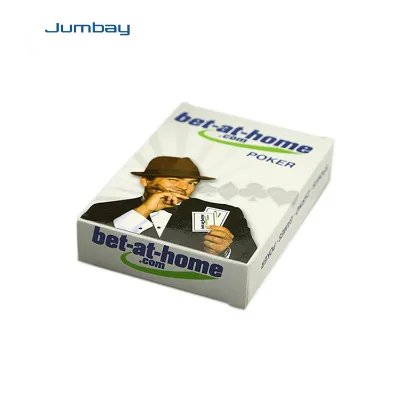
Multifunction Cheap Playing Cards Plastic New Arrival 100% Plastic Playing Cards
$0.37 - $0.70
MOQ: 1000
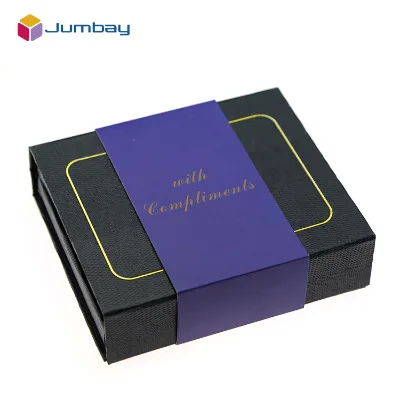
High-end Playing Cards with Gift Box Good Quality Plastic Playing Card Game Manufacturer
$1.43 - $1.74
MOQ: 1000

Dongguan Jiguan Technology Co., Ltd.
- Verified by TUVRHEINLAND
- Combined
- China Guangdong
- Lead time15 days
- Avg. response≤ 4h
Main productsLabels, Adhesive Labels, Roll Labes, Stickers
Main marketsNorth America

Chengdu MIND IOT Technology Co., Ltd.
- Verified by SGS
- Manufacturer/Factory
- China Sichuan
- Lead time23 days
- Avg. response≤ 5h
Main productsSmart Card, IC Card, PVC Card, Paper Card, Prepaid Scratch Card, Magnetic Card, IC Solutions
Main marketsSouth America,Eastern Europe,Mid East,North America,Southeast Asia,Eastern Asia,Oceania,Western Europe,Africa

Carrie Smart (Shenzhen) Co., Ltd.
- Trading Company
- China Guangdong
- Lead time15 days
- Avg. response≤ 4h
Main productsLight Pad, Bluetooth Earphone, Promotion Gifts, Protective Products, Office and School Products
Main marketsEurope,North America


Waterproof Plastic Playing Cards Custom Poker Cards 63*88 mm Playing Card
$0.50 - $1.50
MOQ: 500 Pieces


Chengdu MIND IOT Technology Co., Ltd.
- Verified by TUVRHEINLAND
- Manufacturer/Factory
- China Sichuan
- Lead time23 days
- Avg. response≤ 5h
Main productsHotel Key Card, RFID Card, NFC Card, Business Card, RFID Tag, RFID Wristbands, RFID Key Fob, RFID Label, Metal Card, Magnetic Stripe Card
Main marketsSouth America,Eastern Europe,Mid East,North America,Southeast Asia,Eastern Asia,Oceania,Western Europe,Africa

Waterproof Plastic Playing Cards Custom Poker Cards 63*88 mm Playing Card
$0.32 - $1.50
MOQ: 500 Pieces


Yiwu Tiger Playing Cards Co., Ltd.
- Trading Company
- China Zhejiang
- Lead time15 days
- Avg. response≤ 12h
Main productsPlaying Cards, Jigsaw Puzzle, Gift Box, Card Game, Board Game, Cognitive Educational Card, Paper Bag, Audible Children Book
Main marketsNorth America

Keep Costs Low High Quality Customized Playing Cards Plastic Waterproof Plastic Poker Playing Cards
$0.40 - $0.60
MOQ: 144 Pieces


High-End Quality No. 777 Plastic Playing Cards with Plastic Box and Case
$0.65 - $1.06
MOQ: 500 Pieces

Hebei Zhonghu Intelligent Technology Co., Ltd
- Verified by SGS
- Manufacturer
- China Hebei
- Lead time15 days
- Avg. response≤ 5h
Main productsCard


Premium Blue Core Paper Cards: Thick, Durable, Ensuring Long-Term Use Without Deformation.
$0.62 - $1.15
MOQ: 500 Sets

Huizhou Reliant Trading Co., Ltd.
- Verified by SGS
- Trading Company,Manufacturer/Factory
- China Guangdong
- Lead time23 days
- Avg. response≤ 13h
Main productsPlush Toy, Plush Pillow, Hat & Cap, Promotional Gift
Main marketsSouth America,Eastern Europe,Mid East,North America,Eastern Asia,Western Europe,Africa


High-End Quality Plastic Double Sided Poker Cards Custom Plastic Playing Cards
$1.00 - $2.00
MOQ: 100 Pieces


LION PROMOTIONAL GIFT CO., LIMITED
- Trading Company,Manufacturer/Factory
- China Zhejiang
- Lead time15 days
- Avg. response≤ 25h
Main productsPromotional Gifts, Giveaways, Advertising Gift, Premium Items, Publicity Material, Freebie Items, Marketing Gifts, Campaign Gifts, Promotional Products, China Gifts Supplier
Main marketsSouth America,Mid East,North America,Southeast Asia,Oceania,Western Europe,Africa

Guangzhou Zhongtian Paper Product Co., Ltd.
- Verified by TUVRHEINLAND
- Trading Company,Manufacturer/Factory,Group Corporation
- China Guangdong
- Lead time38 days
- Avg. response≤ 4h
Main productsBible, Book, Children Book, Paper Box, Jigsaw Puzzle, Notebook Printing, Board Game, Calendar, Paper Bags, Seed Paper Cards
Main marketsSouth America,Eastern Europe,Mid East,North America,Southeast Asia,Oceania,Western Europe,Africa


Comprehensive Sourcing Guide
Plastic Playing Cards Supplier Concentration and Factory Types
Current data indicates manufacturing activity concentrated in specific Chinese provinces, with Jiangsu and Zhejiang emerging as key production hubs for this category. Suppliers in these regions often operate as combined entities or dedicated manufacturers, offering a mix of OEM and ODM capabilities. The presence of combined company types suggests some suppliers handle both trading and direct production, which can influence lead times and communication efficiency. Buyers should verify whether a supplier's primary focus is manufacturing or trading, as this distinction affects quality control depth and customization flexibility.
When evaluating factory types, look for explicit mentions of RD capacity such as ODM or OEM services. Some suppliers list specific brand names like KASINO PLAYING CARDS alongside their own manufacturing capabilities, indicating a strong in-house design and production infrastructure. Others may focus purely on trading existing stock. To identify the correct cluster, buyers must check the location field for confirmed provinces like Jiangsu or Zhejiang rather than assuming a general "China" origin. This verification ensures the buyer is engaging with a facility that has the specific machinery and expertise required for plastic card production, rather than a general trading house.
How to Verify Plastic Playing Cards Suppliers
Verification is critical when sourcing Plastic Playing Cards, as the market contains both verified manufacturers and unverified trading companies. The current dataset shows some suppliers hold CTI verification status, which provides a baseline level of trust regarding their business license and operational history. Buyers should prioritize suppliers displaying this specific verification badge before proceeding with negotiations. It is essential to confirm that the verification covers the specific product line of plastic cards, as a general company verification might not extend to specialized manufacturing capabilities or quality control processes for this specific item.
Beyond basic verification, buyers must examine the supplier's response time and communication speed as indicators of reliability. Data shows response times varying significantly, with some suppliers responding in under ten minutes while others take over seventeen minutes. A faster response time often correlates with better project management and a more active sales team. Additionally, check for system certifications like ISO 9001, which signal adherence to international quality management standards. If a supplier lacks these specific credentials, buyers should request direct evidence of their quality control protocols before placing any orders, ensuring the supplier can consistently meet the required specifications for waterproof and durable plastic cards.
What to Compare Across Plastic Playing Cards Suppliers
Comparing suppliers requires a detailed analysis of their product attributes, specifically material composition and customization options. The available data reveals a mix of paper and plastic materials, with some products explicitly labeled as 100% waterproof or PVC-based. Buyers must distinguish between paper-coated cards and fully plastic cards, as the latter offers superior durability and water resistance. Furthermore, compare the customization availability, noting that most suppliers offer OEM services, but the extent of design flexibility varies. Some suppliers provide specific model numbers and standard sizes, while others offer broader customization ranges, which impacts the final product's fit for specific casino or promotional needs.
Lead times and minimum order quantities (MOQ) are equally critical comparison points that vary widely across the supplier base. Current observations show lead times ranging from 23 to 30 days, with MOQs starting as low as 500 units or rising to 2000 units depending on the product complexity. Buyers should align these figures with their inventory planning and budget constraints. Additionally, compare the price ranges, which span from approximately $0.14 to $2.00 per unit based on material and customization levels. A lower price point often correlates with higher MOQs or simpler designs, so buyers must balance cost against volume requirements to find the most economical solution without compromising on the necessary quality standards for their specific application.
Common Plastic Playing Cards Sourcing Risks
One significant risk in sourcing Plastic Playing Cards is the discrepancy between advertised materials and actual product composition. Some listings mention "plastic" while others specify "paper" or "PVC," and buyers must verify the exact material specification to ensure the cards meet durability requirements. There is a risk of receiving paper cards when waterproof plastic was requested, or vice versa, which can lead to product failure in humid environments or during heavy use. Buyers should explicitly request material samples and cross-reference them with the product attributes listed, such as thickness and specific PVC content, to mitigate this risk before finalizing any large-scale order.
Another major risk involves inconsistent lead times and response delays that can disrupt supply chain planning. While some suppliers promise a 23-day lead time, others may extend to 30 days or longer, and response times can vary from minutes to hours. This inconsistency can cause delays in product launches or inventory shortages if not managed carefully. Buyers should also be wary of suppliers who do not clearly state their packaging standards or shipping methods, as improper packaging can damage the cards during transit. To mitigate these risks, buyers must establish clear communication channels and request written confirmation of all timelines and specifications before making any financial commitments.
Plastic Playing Cards Regional Sourcing and Logistics
Sourcing from Jiangsu and Zhejiang offers logistical advantages due to established manufacturing clusters and efficient port access. Suppliers in these regions often have experience with international shipping methods, including air and sea freight via carriers like UPS, TNT, and FedEx. Buyers should verify the specific shipping terms provided by the supplier, as some may offer flexible packing options like paper boxes, plastic cases, or tin boxes to suit different shipping needs. Understanding the regional logistics capabilities helps in estimating accurate delivery times and costs, ensuring that the supply chain remains robust and responsive to market demands.
However, buyers must also consider the potential for regional variations in production quality and standards. While Jiangsu and Zhejiang are known for manufacturing, the specific factory's adherence to standards like ISO 9001 can vary. Buyers should confirm that the supplier's location aligns with their quality expectations and that they have the necessary infrastructure to handle large volumes. Additionally, check if the supplier offers specific packaging for export, such as carton packing or specialized cases, to protect the cards during long-distance shipping. By understanding the regional logistics landscape, buyers can better plan their inventory and ensure that the final product arrives in perfect condition, ready for immediate distribution or use.
Plastic Playing Cards Commercial Terms and Order Planning
Commercial terms for Plastic Playing Cards often include specific pricing structures based on volume and customization levels. Prices can range significantly, from as low as $0.14 to over $2.00 per unit, depending on the material, design complexity, and order size. Buyers must carefully review the price ranges provided by each supplier to ensure they align with their budget and profit margins. Additionally, consider the minimum order quantities, which can range from 500 to 2000 units, and plan orders accordingly to avoid overstocking or understocking. Understanding these commercial terms is essential for effective financial planning and negotiation.
Order planning should also account for the customization process and production lead times. Most suppliers offer OEM and ODM services, but the time required to finalize designs and begin production can vary. Buyers should factor in the lead times, which typically range from 23 to 30 days, into their overall project timeline. It is crucial to communicate clearly with the supplier regarding design approvals and production schedules to avoid delays. By planning orders well in advance and maintaining open communication, buyers can ensure a smooth production process and timely delivery of high-quality Plastic Playing Cards that meet their specific requirements.
FAQs
What is the price range for Plastic Playing Cards?
Plastic Playing Cards typically range from $0.14 to $2.00 per unit depending on material and customization. Basic flexible plastic options start near $0.14, while premium waterproof PVC cards can reach $2.00. Prices vary based on order volume and specific feature requirements.
What is the minimum order quantity for these cards?
Minimum order quantities vary by product type, generally ranging from 500 to 2000 units. Some waterproof plastic cards require a minimum of 500 pieces, while standard OEM plastic cards may require 2000 units. Buyers should check specific product listings for exact MOQ requirements.
How long does production take for custom orders?
Production lead times typically range from 23 to 30 days for custom Plastic Playing Cards. Suppliers offering OEM and ODM services usually require approximately three weeks to manufacture and prepare orders. Expedited options may be available depending on the specific supplier's capacity.
Are Plastic Playing Cards customizable for branding?
Yes, customization is widely available for Plastic Playing Cards. Suppliers offer OEM and ODM services, allowing for custom patterns, logos, and packaging. Buyers can choose from various materials like PVC or paper-coated plastic to meet specific branding and design requirements for their products.
What standards do the playing cards meet?
Standard playing card dimensions include 57x87mm bridge size, 63x88mm poker size, and various jumbo formats. Some suppliers hold ISO 9001 certification for quality management. Specific product standards and sizes should be verified directly with suppliers to ensure compatibility with your intended use.
Where are these Plastic Playing Cards manufactured?
These Plastic Playing Cards are primarily manufactured in China, specifically in Jiangsu and Zhejiang provinces. Suppliers in these regions offer a wide range of options from basic paper cards to premium waterproof plastic variants. Buyers can source directly from these verified manufacturing hubs.