Source Custom Logo Golf Grips for Racing, Gifts, and Entertainment
Compare 26 listings for Custom Logo Golf Grips with options in rubber or urethane, featuring USGA conformance and variable weights. Buyers can evaluate specs like diameter, length, and core size from suppliers in Fujian and Xiamen, China.
Key considerations
Products List


Custom Logo Golf Grips Rubber Golf Accessories Standard Size Golf Club Grip
$1.09 - $1.54
MOQ: 300 Pieces


Wholesale Custom Logo Golf Hand Grip Premium Golf Grip Midsize Golf Grips
$1.09 - $1.54
MOQ: 300 Pieces

New Design Golf Hand Grip Premium Golf Grip Custom Logo Midsize Golf Grips
$1.09 - $1.54
MOQ: 300 Pieces


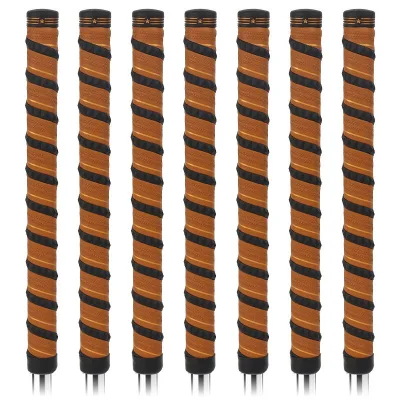
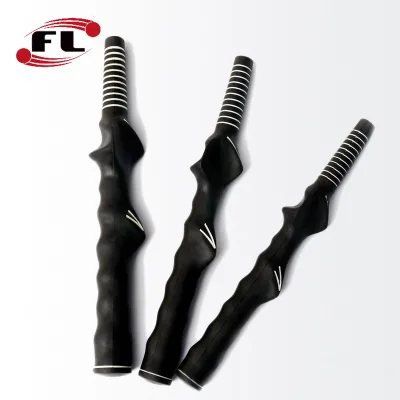
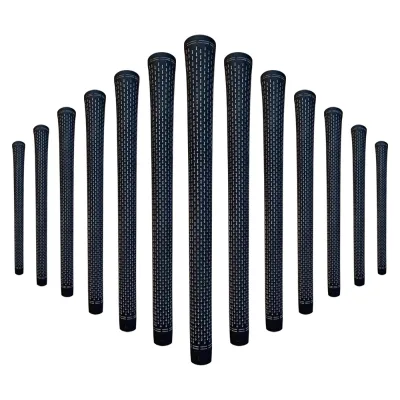
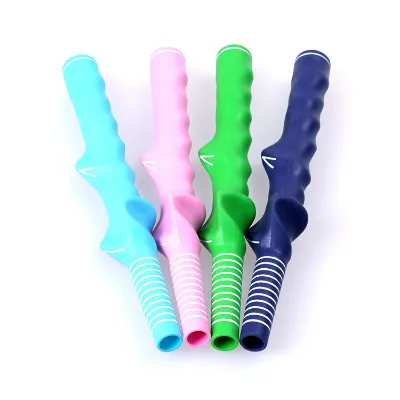
Comprehensive Sourcing Guide
Strategic Sourcing Guide for Custom Logo Golf Grips
Understanding Product Specifications and Material Composition
When sourcing Custom Logo Golf Grips, the primary objective is to align technical specifications with performance requirements while ensuring the branding elements are seamlessly integrated. The market offers a diverse array of options, but the core product definition remains consistent: a cylindrical component designed to be mounted on the terminal end of a golf club shaft. Based on available market data, the standard diameter for these grips typically falls within the range of 42.7mm to 42.8mm, a dimension critical for ensuring compatibility with standard shafts and providing a consistent feel for the player. The length of the product is generally observed between 265mm and 270mm, though variations exist depending on the specific model and intended user preference.
Material selection is a pivotal factor in determining the grip's durability, texture, and tactile feedback. The supply chain predominantly features two primary material categories: rubber and polyurethane (PU). Some listings explicitly identify the cover material as Urethane or Surlyn, which are often associated with premium performance characteristics such as enhanced feel and weather resistance. The core size is another critical specification, frequently cited as 0.58 inches, which dictates the internal geometry required for a secure fit on the club shaft. Buyers must verify that the core size matches their specific club inventory, as mismatches can lead to installation difficulties or compromised performance.
The weight of the grip is another variable that influences the overall balance of the club. Observed weight ranges vary significantly, with some products listed between 38g and 60g, while others specify a tighter tolerance around 50g ± 3g or 51g/68g ± 3g. This variance suggests that manufacturers offer different density profiles to cater to players seeking lighter clubs for swing speed or heavier clubs for stability. The color options are generally flexible, with black being a standard offering, but customization allows for blue and other custom colors to match brand identity or team aesthetics.
Customization Capabilities and Branding Integration
The "custom logo" aspect of this keyword is central to the procurement strategy for many buyers, particularly those in the racing, gift, and entertainment sectors. The market data confirms that customization is widely available, with suppliers offering the ability to apply custom logos directly onto the product. This is not merely a printing service but a structural part of the product offering, where the logo is integrated into the design process. The availability of custom logos is often tied to the customization of color and potentially the texture of the grip surface.
For buyers looking to create branded merchandise, the flexibility in design is substantial. The product attributes indicate that "Customized" is a standard state for many of these items, meaning the manufacturing process is inherently set up to handle bespoke orders. The "Logo" attribute is frequently listed as a standard feature, with specific mentions of accepting custom logos. This implies that the supplier's production lines are equipped with the necessary machinery or techniques to imprint branding without compromising the structural integrity of the grip.
The integration of branding often extends to the packaging as well. While the standard packing method involves plastic bags, some suppliers offer custom packaging solutions. The standard packing configuration might be 50 pieces in a PE bag or 50 pieces in an OPP poly bag, with 300 pieces consolidated into a master carton. However, for custom orders, the packaging can be tailored to reflect the brand's identity, which is essential for gift sets or promotional racing merchandise. The "Combo Set Offered" attribute, often noted as greater than or equal to 6, suggests that buyers can purchase these custom grips in sets, which is ideal for outfitting a full set of clubs or creating a complete gift package.
Compliance, Standards, and Regulatory Considerations
In the realm of golf equipment, compliance with governing body standards is a critical consideration, even for custom-branded items. The market data explicitly references "USGA Conforming" as a product attribute for certain grips. This indicates that some suppliers offer products that meet the United States Golf Association's regulations regarding size, shape, and performance. For buyers targeting competitive golfers or official tournaments, verifying USGA conformity is mandatory. However, it is important to note that not all custom grips may carry this designation, as the addition of custom logos or specific material formulations could potentially alter the compliance status.
Buyers must also be aware of the standards regarding packaging and quantity. One specific standard noted is "58R/60R," which likely refers to a specific industry standard or a model designation related to the grip's specifications. Additionally, the standard packing protocol of 50 pieces in a PE bag and 300 pieces in a carton serves as a baseline for logistics and inventory management. When sourcing custom items, buyers should verify if the custom branding process affects these standard packing configurations or if special handling is required to maintain the integrity of the USGA conformity.
Furthermore, the origin of the product plays a role in compliance. The supply chain for these grips is heavily concentrated in China, with specific mentions of Fujian and Xiamen as production hubs. While these regions are known for manufacturing capabilities, buyers should ensure that the specific factory or supplier adheres to international quality standards and any relevant export regulations. The "50 pcs in a PE bag" standard is a common practice, but custom orders may require deviations from this standard, which should be clearly defined in the purchase agreement to avoid logistical errors.
Cost Drivers and Minimum Order Quantities
The financial structure of sourcing Custom Logo Golf Grips is influenced by several key variables, with Minimum Order Quantity (MOQ) being the most significant driver. The observed MOQ range in the market is broad, spanning from 1 piece to 500 pieces. However, specific listings indicate higher thresholds, such as 300 pieces per design or even 1000 pieces for certain custom models. This variance suggests that the cost per unit is highly dependent on the volume of the order. Buyers seeking small quantities may face higher per-unit costs or limited customization options, while those placing larger orders can leverage economies of scale to reduce costs.
The price range observed in the market is between $0.40 and $4.80 USD. This wide disparity reflects the differences in material quality, customization complexity, and order volume. The lower end of the spectrum likely corresponds to standard rubber grips with minimal customization, while the higher end may include premium Urethane or Surlyn materials with complex logo integration and specialized packaging. The "Advantage" of higher strength and light weight mentioned in some product listings suggests that premium materials command a higher price point, which is a factor buyers must weigh against their performance requirements.
Lead times are another critical cost driver. Production times are typically estimated at 25 to 30 days, with sample times averaging around 20 days. These timelines can impact the overall cost of procurement, particularly for time-sensitive projects like racing events or holiday gift seasons. Buyers should factor in these lead times when planning their inventory and marketing campaigns. The "Sample Time" of 20 days is particularly important for custom orders, as it allows for the verification of the logo application and material quality before committing to a full production run.
Typical Applications and Usage Scenarios
The versatility of Custom Logo Golf Grips allows them to serve a wide range of applications beyond standard recreational play. The market data highlights several distinct usage categories, including racing, gift, and entertainment. In the context of racing, these grips may be used in promotional events or as part of a team's equipment, where branding is essential for visibility and team identity. The "Racing" usage tag suggests that the grips are designed to withstand the rigors of competitive environments, potentially offering enhanced durability and grip strength.
The "Gift" application is another significant market segment. Custom grips are ideal for corporate gifts, tournament prizes, or personalized presents for golf enthusiasts. The ability to customize the logo and color allows buyers to create unique, memorable items that resonate with the recipient. The "Combo Set Offered" attribute, with sets of six or more, supports this application by enabling the creation of complete gift packages that include a full set of custom grips.
The "Entertainment" usage category broadens the scope to include recreational clubs, driving ranges, and golf-themed events. In these settings, custom grips can serve as a branding tool for the venue or event organizer. The "People" attribute, specifically noting "Men," indicates a primary target demographic, though the customization options allow for broader appeal. The combination of these usage scenarios underscores the importance of selecting a supplier that can accommodate diverse needs, from high-performance racing grips to elegant gift sets.
Supplier Evaluation and Quality Control Protocols
Evaluating suppliers for Custom Logo Golf Grips requires a rigorous approach to ensure quality and reliability. The concentration of production in Fujian and Xiamen, China, provides a large pool of potential suppliers, but it also necessitates careful vetting. Buyers should prioritize suppliers who demonstrate transparency in their production processes and are willing to provide samples for evaluation. The "Sample Time" of 20 days offers an opportunity to assess the quality of the logo application, the texture of the material, and the overall finish of the product.
Quality control should be a central component of the procurement strategy. Buyers must verify that the suppliers adhere to the stated standards, such as the USGA conformity for specific models. The "50 pcs in a PE bag" standard is a baseline for packaging quality, but custom orders may require additional checks to ensure that the branding does not interfere with the grip's performance. The "Advantage" of higher strength and light weight should be validated through physical testing, ensuring that the custom grips meet the performance expectations of the end-user.
Supplier evaluation should also consider the flexibility of the customization process. The ability to offer custom colors, logos, and packaging is a key differentiator. Buyers should inquire about the supplier's capacity to handle complex designs and their track record in delivering custom orders on time. The "Prodution Time" of 25-30 days is a standard benchmark, but suppliers with a history of meeting or exceeding these timelines are preferable. Additionally, the "MOQ" requirements should be aligned with the buyer's inventory needs to avoid overstocking or understocking.
Long-Term Procurement and Supply Chain Resilience
Establishing a long-term relationship with a supplier of Custom Logo Golf Grips is essential for maintaining supply chain resilience and ensuring consistent product quality. The variability in MOQs and lead times suggests that buyers should plan for a phased approach to procurement, starting with smaller orders to test the supplier's capabilities before scaling up. The "Sample Time" of 20 days is a critical milestone in this process, allowing for the refinement of designs and the validation of quality before committing to large-scale production.
Long-term procurement also involves monitoring market trends and material availability. The shift towards Urethane and Surlyn materials indicates a growing demand for premium grips, which may influence future pricing and availability. Buyers should stay informed about these trends to anticipate potential supply chain disruptions or cost fluctuations. The "Customization" attribute being widely available suggests that the market is dynamic, with suppliers constantly innovating to meet changing consumer preferences.
Finally, buyers should consider the environmental and ethical implications of their sourcing decisions. While the provided data does not explicitly mention sustainability certifications, the increasing demand for eco-friendly materials and ethical manufacturing practices should be a consideration in supplier selection. Ensuring that the supplier adheres to fair labor practices and uses sustainable materials can enhance the brand's reputation and align with the values of modern consumers. By focusing on these long-term factors, buyers can build a robust and resilient supply chain for Custom Logo Golf Grips that supports their business goals and market positioning.
FAQs
What materials are used for Custom Logo Golf Grips?
Custom Logo Golf Grips are primarily made from rubber, polyurethane, or urethane and Surlyn cover materials. Some models offer rubber or PU conformation to ensure durability and specific tactile feedback for players.
Can I get Custom Logo Golf Grips with USGA conformity?
Yes, USGA conforming options are available for Custom Logo Golf Grips. Buyers should verify specific model attributes to ensure the product meets United States Golf Association regulations for competitive play.
What is the typical MOQ for ordering Custom Logo Golf Grips?
Minimum order quantities vary, ranging from 1 piece to 500 pieces, with some designs requiring 300 or 1000 pieces. The specific threshold depends on the manufacturer and the complexity of the custom logo request.
How long does production take for Custom Logo Golf Grips?
Production time typically ranges from 25 to 30 days for custom orders. Sample preparation usually takes around 20 days before the full manufacturing run begins.
What are the standard dimensions for Custom Logo Golf Grips?
Standard dimensions include a diameter of 42.7 to 42.8mm and a length between 265 and 270mm. The core size is frequently specified as 0.58 inches to ensure compatibility with standard shafts.
Which customization options are available for Custom Logo Golf Grips?
Suppliers offer customization for logos, colors like black or blue, and packaging methods. Customization is widely available, allowing for tailored designs suitable for racing, gifts, or entertainment purposes.