Source Gravity Feed Tire Pump for Oil Transfer, Chemical, and Fuel
Find 30 Gravity Feed Tire Pump options for industrial fluid handling. Compare models like KCB and GLB series, noting features such as high pressure, corrosion resistance, and electric power. Evaluate specifications including flow rates and certifications to select the right pump for your application.
Key considerations
Products List


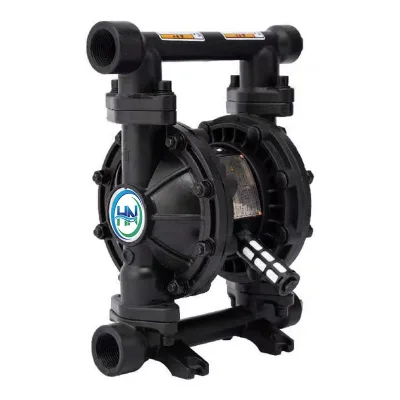
Pneumatic Diaphragm Pumps Price Pneumatic Mud Diaphragm Pump, Press Feed Pump
$186.77 - $207.52
MOQ: 1 units


Comprehensive Sourcing Guide
Gravity Feed Tire Pump Sourcing Guide
Sourcing a Gravity Feed Tire Pump requires careful attention to the specific mechanical design that allows fluid movement without external power sources. This guide focuses on the critical evaluation criteria for buyers seeking reliable, passive pumping solutions for tire maintenance and inflation tasks. The procurement process must prioritize durability, material compatibility, and ease of installation to ensure consistent performance in workshop environments.
Buyers should understand that gravity feed systems rely on elevation differences to drive fluid flow, which imposes strict constraints on hose length and vertical drop. This mechanical limitation means that the pump’s placement relative to the tire and fluid reservoir is a primary design consideration. Understanding these physical constraints helps in selecting a unit that fits within existing workshop layouts without requiring complex modifications or additional support structures.
Product Scope and Observed Listing Signals
The observed market data indicates a wide variance in product specifications, with models ranging from simple manual units to more complex electric-assisted systems. Listings frequently mention certifications such as CE and ISO, suggesting a baseline level of quality control in manufacturing regions like Shanghai and Ningbo. However, the term "gravity feed" often appears alongside electric pump descriptions, requiring buyers to distinguish between passive gravity-driven units and active powered pumps that may share similar housing designs.
Price points vary significantly, ranging from low-cost consumer items to high-end industrial units, reflecting differences in material quality and brand positioning. Buyers must scrutinize product descriptions to confirm whether the pump operates solely on gravity or requires an external power source. The presence of terms like "high pressure" or "constant flow" in listings for gravity feed pumps may indicate a mismatch between the product type and the buyer’s specific passive fluid transfer needs.
Technical Specifications to Verify
Verifying the internal gear mechanism is crucial, as some gravity feed pumps utilize cycloid tooth curves or herringbone teeth to ensure smooth, pulsation-free flow. Buyers should confirm the mesh form, particularly if the application involves internal engagement, which can affect the pump’s efficiency and longevity. The material composition, often steel or corrosion-resistant alloys, must be compatible with the fluids being transferred, such as tire sealants or lubricants, to prevent premature degradation.
The pump’s shaft position and suction method also play vital roles in system integration. Vertical shaft configurations may offer space-saving benefits in compact workshops, while single-suction designs are typical for standard gravity feed applications. Buyers must verify the flow rate capabilities, ensuring that the pump can handle the required volume within the constraints of gravity-driven pressure, which is inherently lower than powered alternatives.
Compliance and Safety Documentation
Compliance with international standards is essential for ensuring the safety and reliability of the pump in professional settings. Certifications such as ISO and CE indicate that the manufacturer adheres to specific quality management and safety directives. Buyers should request documentation to verify that the pump meets relevant regional regulations, particularly if the equipment will be used in environments with strict occupational health and safety requirements.
Safety features, such as integrated safety valves or heating jackets, may be present in more advanced models to prevent over-pressurization or fluid degradation. However, these features are more common in electric or high-pressure pumps rather than simple gravity feed units. Buyers must carefully review the product specifications to ensure that any claimed safety mechanisms are appropriate for the passive nature of the system and do not introduce unnecessary complexity.
Cost Drivers and Commercial Terms
The cost of a Gravity Feed Tire Pump is influenced by factors such as material quality, manufacturing origin, and packaging requirements. Products originating from China, particularly from industrial hubs like Shanghai and Ningbo, often offer competitive pricing due to established supply chains. Buyers should consider the total cost of ownership, including shipping and handling, as packaging methods like marine wooden cases or neutral cartons can impact logistics costs and product protection during transit.
Minimum order quantities (MOQ) and customization options also affect the final price. While some suppliers offer low MOQs for trial orders, bulk purchases may yield better unit prices. Buyers should negotiate terms that align with their inventory needs, considering whether customization is necessary for specific workshop requirements. Understanding these commercial terms helps in budgeting accurately and avoiding unexpected expenses related to shipping or custom manufacturing.
Supplier Qualification and Quality Control
Evaluating supplier qualifications is critical to ensuring the reliability of the purchased equipment. Buyers should verify the supplier’s adherence to quality standards such as ISO9001 and SGS, which indicate a commitment to consistent manufacturing processes. Checking the supplier’s location and production capabilities can provide insights into their ability to meet delivery schedules and maintain quality control throughout the production cycle.
Quality control measures, including pre-shipment inspections and material testing, should be confirmed before placing orders. Buyers may request sample units to test the pump’s performance under actual operating conditions, ensuring that the gravity feed mechanism functions as expected. Establishing a clear communication channel with the supplier for addressing any quality issues post-delivery is also essential for long-term procurement success.
Long-Term Procurement Checks
Long-term procurement success depends on the pump’s durability and the availability of replacement parts. Buyers should assess the warranty terms and the supplier’s support for maintenance and repairs, particularly for components like seals and gears that may wear over time. Ensuring that spare parts are readily available can minimize downtime and extend the operational life of the pump in busy workshop environments.
Regular performance monitoring and maintenance checks are necessary to identify potential issues early. Buyers should establish a routine inspection schedule to evaluate the pump’s flow rate, material integrity, and overall functionality. By proactively managing the pump’s condition, buyers can ensure consistent performance and avoid costly replacements or disruptions to tire maintenance operations.
FAQs
What certifications do the pumps hold?
The pumps hold CE and ISO certifications as documented in the product specifications. These standards ensure compliance with international safety and quality requirements for industrial applications involving oil and chemical transfer.
Can the pumps be customized for specific needs?
Yes, customization is available for these pumps to meet unique operational requirements. Buyers can request specific modifications to the gear type, packing, or performance features like high pressure or corrosion resistance.
Which models are available for oil transfer?
Available models include KCB, YCB, 2CY, and Bitzer series pumps designed for oil applications. These units feature internal engaged mesh forms and are suitable for high-pressure environments in various industrial sectors.
How are the pumps packed for shipping?
Packing options include marine wooden cases, standard wooden cases, or neutral cartons depending on the specific model. Some units are packed individually in cartons while others require bulk wooden packaging for protection.
Where are these pumps manufactured?
Manufacturing origins include Shanghai, Ningbo, and Xingtai City in China. These locations serve as the primary production hubs for the various pump models listed with ISO and SGS standards.
What is the minimum order quantity?
The minimum order quantity ranges from 1 to 1000 units depending on the specific product configuration. Buyers should verify the exact MOQ for their selected model to ensure compliance with supplier requirements.
What materials are used in construction?
The pumps are constructed from steel to ensure durability and resistance to harsh conditions. This material choice supports applications in sewerage treatment, food processing, and chemical industries requiring robust equipment.